

 Abr . 16, 2026
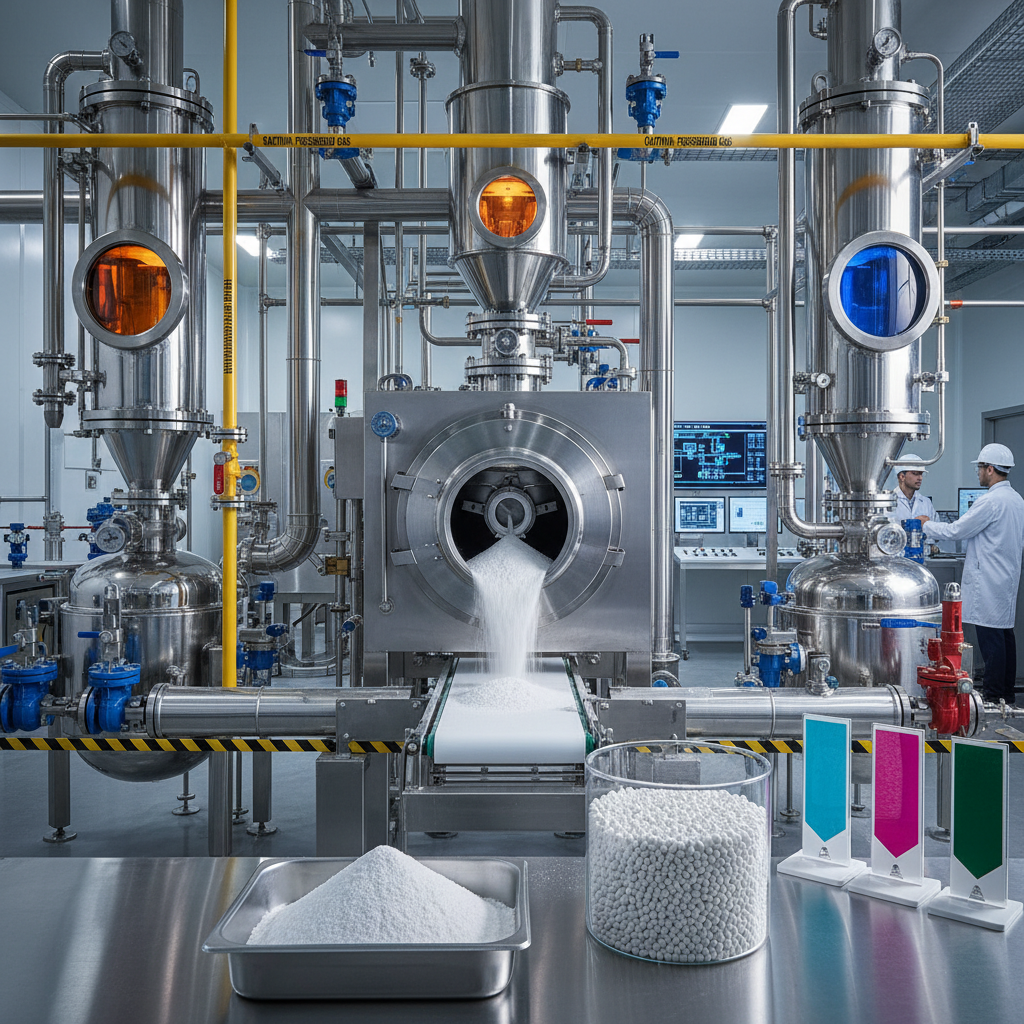
Benefits and Applications of redispersible emulsion powder in Mortar
In the modern construction industry, the durability and flexibility of mortar systems are non-negotiable. redispersible emulsion powder (often referred to as RDP) has emerged as a critical additive that transforms ordinary cementitious mixtures into high-performance building materials. By enhancing adhesion, water resistance, and workability, this specialized polymer ensures that mortars can withstand the stresses of temperature fluctuations and structural movements. Understanding the chemistry and application of this powder is essential for engineers and contractors striving for longevity in their projects.
Abr . 16, 2026
Benefits and Applications of redispersible emulsion powder in Mortar
In the modern construction industry, the durability and flexibility of mortar systems are non-negotiable. redispersible emulsion powder (often referred to as RDP) has emerged as a critical additive that transforms ordinary cementitious mixtures into high-performance building materials. By enhancing adhesion, water resistance, and workability, this specialized polymer ensures that mortars can withstand the stresses of temperature fluctuations and structural movements. Understanding the chemistry and application of this powder is essential for engineers and contractors striving for longevity in their projects.
 Abr . 09, 2026
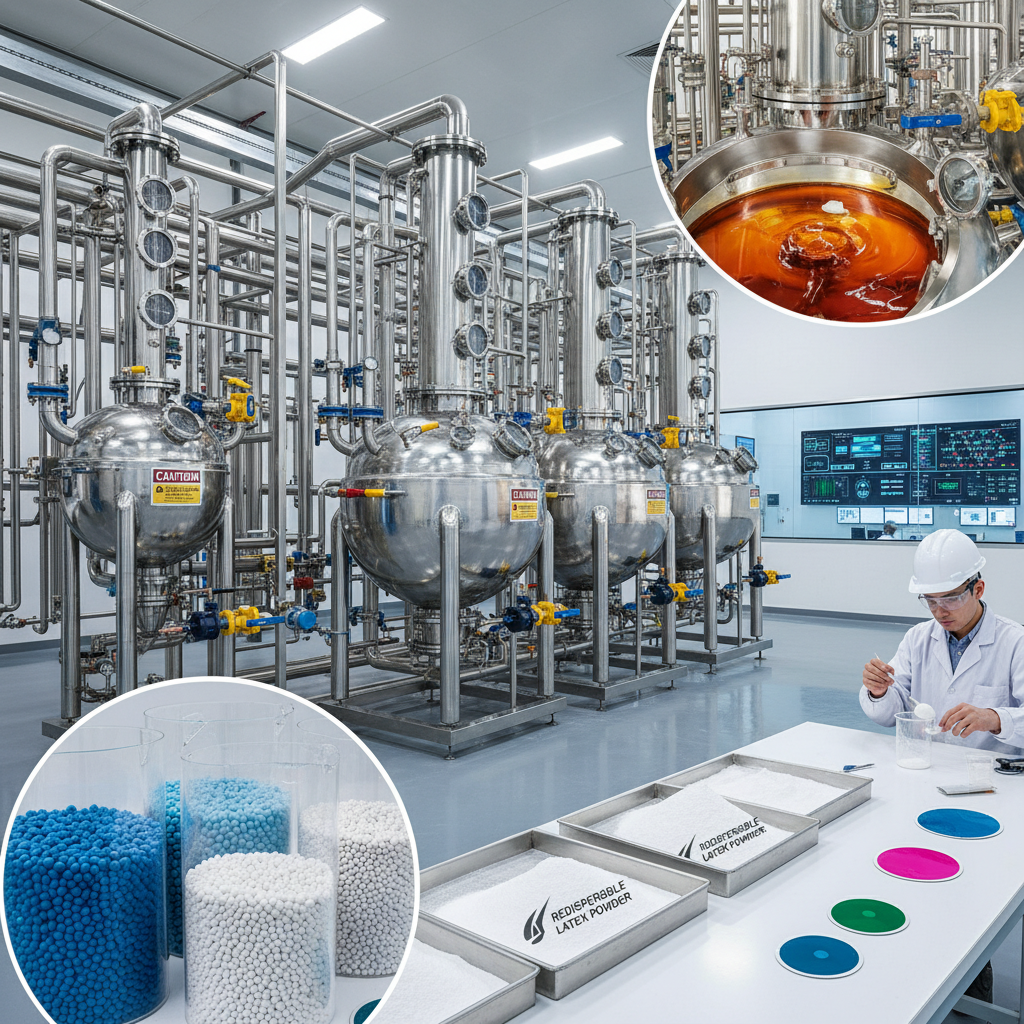
Benefits and Applications of redispersible latex powder in Construction
In the modern construction industry, the demand for high-performance mortars and adhesives has never been higher. One of the most critical additives achieving this is redispersible latex powder. This specialized polymer powder acts as a bridge, enhancing the bonding strength, flexibility, and durability of cement-based materials. Whether it is used in external thermal insulation systems or self-leveling compounds, this additive ensures that construction materials can withstand environmental stress without cracking. By redispersing into an emulsion when mixed with water, it provides a seamless integration of organic polymers into inorganic cement matrices.
Abr . 09, 2026
Benefits and Applications of redispersible latex powder in Construction
In the modern construction industry, the demand for high-performance mortars and adhesives has never been higher. One of the most critical additives achieving this is redispersible latex powder. This specialized polymer powder acts as a bridge, enhancing the bonding strength, flexibility, and durability of cement-based materials. Whether it is used in external thermal insulation systems or self-leveling compounds, this additive ensures that construction materials can withstand environmental stress without cracking. By redispersing into an emulsion when mixed with water, it provides a seamless integration of organic polymers into inorganic cement matrices.
 Abr . 07, 2026
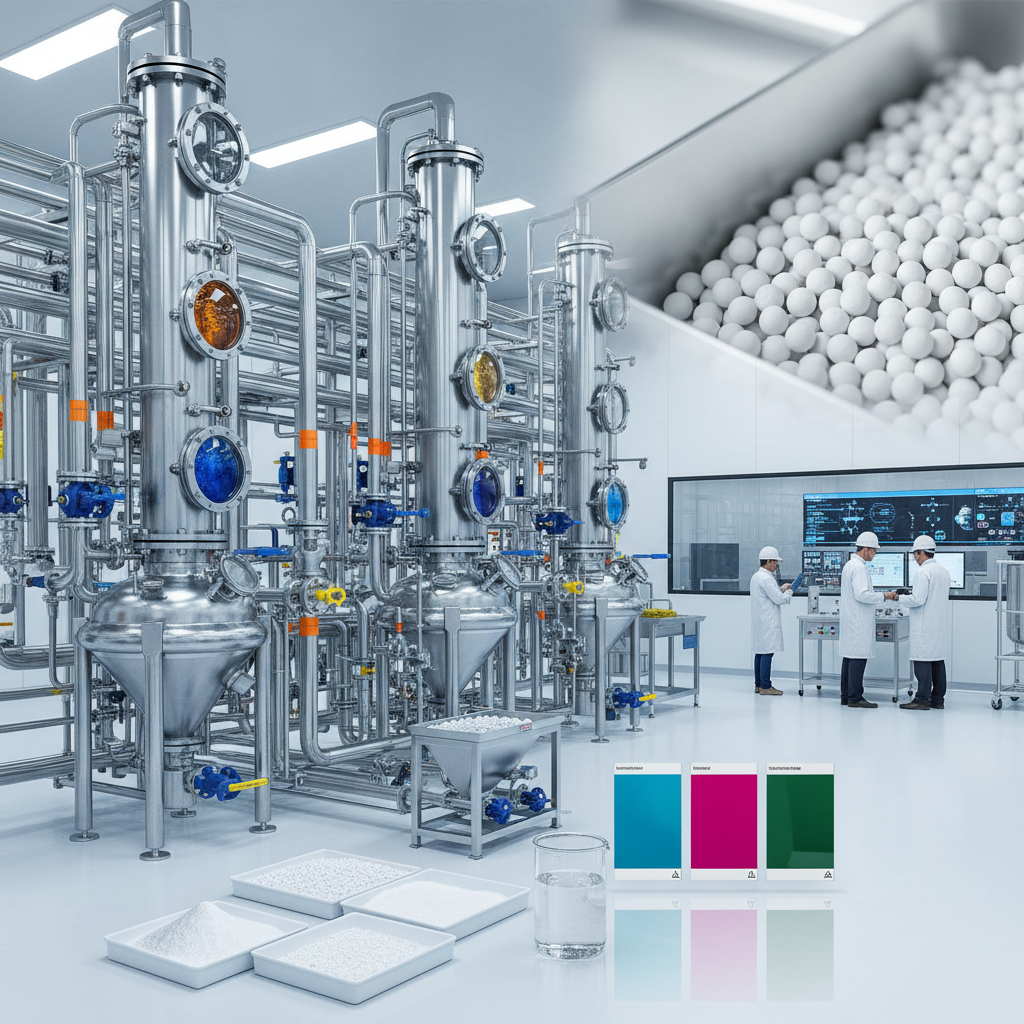
Understanding the Versatility and Benefits of Dispersible Polymer Powders
Dispersible polymer powders are versatile additives widely used in various industries, including construction, adhesives, and textiles. These powders enhance the properties of cement-based materials, improve adhesive performance, and provide unique functionalities in textile applications. This article explores the characteristics, applications, and advantages of dispersible polymer powders, offering insights for professionals and those seeking to understand their potential. Choosing the right polymer powder is crucial for optimizing product performance and achieving desired results.
Abr . 07, 2026
Understanding the Versatility and Benefits of Dispersible Polymer Powders
Dispersible polymer powders are versatile additives widely used in various industries, including construction, adhesives, and textiles. These powders enhance the properties of cement-based materials, improve adhesive performance, and provide unique functionalities in textile applications. This article explores the characteristics, applications, and advantages of dispersible polymer powders, offering insights for professionals and those seeking to understand their potential. Choosing the right polymer powder is crucial for optimizing product performance and achieving desired results.
 Abr . 04, 2026
Comprehensive Guide to CAS Number 24937788 Polyethylene Glycol Derivative
CAS (Chemical Abstracts Service) numbers are unique identifiers assigned to every chemical substance. CAS number 24937-78-8 specifically refers to Poly(ethylene glycol) bis(2-aminoethyl ether) dihydrochloride, a versatile polyethylene glycol (PEG) derivative widely used in biomedical applications, pharmaceuticals, and chemical research. Understanding its properties, applications, and sourcing is crucial for researchers and industries alike. Yaguan HPMC provides high-quality PEG derivatives, including this specific CAS number, with detailed specifications and reliable supply chains. This article provides a detailed overview of CAS 24937-78-8, covering its chemical properties, applications, safety information, and sourcing options.
Abr . 04, 2026
Comprehensive Guide to CAS Number 24937788 Polyethylene Glycol Derivative
CAS (Chemical Abstracts Service) numbers are unique identifiers assigned to every chemical substance. CAS number 24937-78-8 specifically refers to Poly(ethylene glycol) bis(2-aminoethyl ether) dihydrochloride, a versatile polyethylene glycol (PEG) derivative widely used in biomedical applications, pharmaceuticals, and chemical research. Understanding its properties, applications, and sourcing is crucial for researchers and industries alike. Yaguan HPMC provides high-quality PEG derivatives, including this specific CAS number, with detailed specifications and reliable supply chains. This article provides a detailed overview of CAS 24937-78-8, covering its chemical properties, applications, safety information, and sourcing options.
 Mar . 31, 2026
Comprehensive Guide to 24937 78 8 CAS Hydroxypropyl Methylcellulose and Its Applications
The chemical compound identified by the CAS number 24937-78-8 is a vital ingredient in various industrial and research applications. This article provides an in-depth exploration of its properties, applications, safety considerations, and sourcing options. We will detail its chemical characteristics, common uses, handling procedures, and why Yaguan HPMC is a trusted supplier. Understanding this compound is crucial for professionals in pharmaceuticals, construction, and other related fields.
Mar . 31, 2026
Comprehensive Guide to 24937 78 8 CAS Hydroxypropyl Methylcellulose and Its Applications
The chemical compound identified by the CAS number 24937-78-8 is a vital ingredient in various industrial and research applications. This article provides an in-depth exploration of its properties, applications, safety considerations, and sourcing options. We will detail its chemical characteristics, common uses, handling procedures, and why Yaguan HPMC is a trusted supplier. Understanding this compound is crucial for professionals in pharmaceuticals, construction, and other related fields.
 Mar . 28, 2026
Comprehensive Guide to CAS 24937 78 8 Polyethylene Glycol Random Copolymer
CAS 24937-78-8 refers to Polyethylene glycol, random copolymer with ethylene oxide and propylene oxide. This versatile compound finds extensive application in various industries, including pharmaceuticals, cosmetics, and industrial processes. It’s known for its water solubility, non-toxicity, and excellent solvent properties. This article will provide a deep dive into its chemical properties, applications, safety considerations, and sourcing options.
Mar . 28, 2026
Comprehensive Guide to CAS 24937 78 8 Polyethylene Glycol Random Copolymer
CAS 24937-78-8 refers to Polyethylene glycol, random copolymer with ethylene oxide and propylene oxide. This versatile compound finds extensive application in various industries, including pharmaceuticals, cosmetics, and industrial processes. It’s known for its water solubility, non-toxicity, and excellent solvent properties. This article will provide a deep dive into its chemical properties, applications, safety considerations, and sourcing options.
 Mar . 26, 2026
Understanding 24937 78 8 HPMC A Comprehensive Guide to Properties and Applications
The product code 24937 78 8 represents a crucial component in a variety of industrial applications, particularly within the realm of high-performance materials. This specific code denotes a specialized grade of HPMC (Hydroxypropyl Methylcellulose), manufactured by Yaguan HPMC, renowned for its quality and consistency. Understanding the nuances of this material is vital for achieving optimal results in construction, pharmaceuticals, food processing, and more. This article will provide a detailed overview of 24937 78 8, its properties, applications, and benefits, helping you make informed decisions for your specific needs. The code 24937 78 8 refers to a specific grade of HPMC produced by Yaguan HPMC. HPMC is a non-ionic cellulose ether derived from cellulose, widely used as a thickener, binder, film-former, and protective colloid. This particular grade is characterized by its specific viscosity range, particle size, and degree of substitution, all of which contribute to its unique performance characteristics.
Mar . 26, 2026
Understanding 24937 78 8 HPMC A Comprehensive Guide to Properties and Applications
The product code 24937 78 8 represents a crucial component in a variety of industrial applications, particularly within the realm of high-performance materials. This specific code denotes a specialized grade of HPMC (Hydroxypropyl Methylcellulose), manufactured by Yaguan HPMC, renowned for its quality and consistency. Understanding the nuances of this material is vital for achieving optimal results in construction, pharmaceuticals, food processing, and more. This article will provide a detailed overview of 24937 78 8, its properties, applications, and benefits, helping you make informed decisions for your specific needs. The code 24937 78 8 refers to a specific grade of HPMC produced by Yaguan HPMC. HPMC is a non-ionic cellulose ether derived from cellulose, widely used as a thickener, binder, film-former, and protective colloid. This particular grade is characterized by its specific viscosity range, particle size, and degree of substitution, all of which contribute to its unique performance characteristics.
 Mar . 24, 2026
Comprehensive Guide to Redispersible Polymer Powder Types and Their Applications
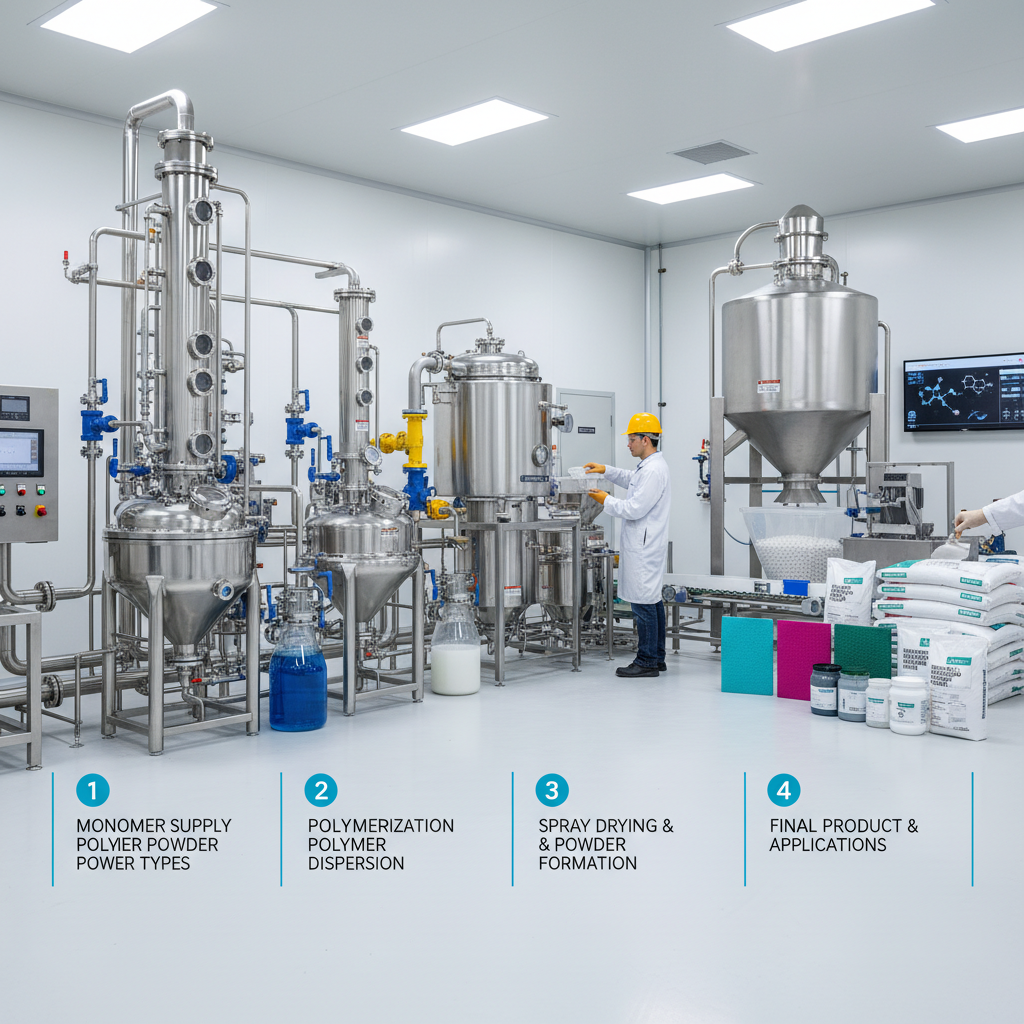
Redispersible polymer powders (RDP) are crucial additives in various industries, including construction, adhesives, and textile coating. These powders, when mixed with water, form a stable emulsion, enhancing the performance of the final product. Choosing the right type of redispersible polymer powder is essential for achieving desired properties like adhesion, flexibility, and water resistance. This article will delve into the different types of RDP, their applications, and key considerations when selecting the optimal powder for your needs. Understanding the nuances of each type will allow you to optimize your formulations and achieve superior results. RDPs are generally produced by spray-drying a polymer emulsion. The polymer itself is the key differentiator. The most common base polymers used in RDP production are Vinyl Acetate Ethylene (VAE), Vinyl Acetate Versatile (VA/VeoVa), Acrylics, and Styrene Acrylics. Each of these polymers imparts unique characteristics to the final product, influencing its properties such as adhesion, film formation, and flexibility. The choice of polymer depends heavily on the intended application and the desired performance attributes.
Mar . 24, 2026
Comprehensive Guide to Redispersible Polymer Powder Types and Their Applications
Redispersible polymer powders (RDP) are crucial additives in various industries, including construction, adhesives, and textile coating. These powders, when mixed with water, form a stable emulsion, enhancing the performance of the final product. Choosing the right type of redispersible polymer powder is essential for achieving desired properties like adhesion, flexibility, and water resistance. This article will delve into the different types of RDP, their applications, and key considerations when selecting the optimal powder for your needs. Understanding the nuances of each type will allow you to optimize your formulations and achieve superior results. RDPs are generally produced by spray-drying a polymer emulsion. The polymer itself is the key differentiator. The most common base polymers used in RDP production are Vinyl Acetate Ethylene (VAE), Vinyl Acetate Versatile (VA/VeoVa), Acrylics, and Styrene Acrylics. Each of these polymers imparts unique characteristics to the final product, influencing its properties such as adhesion, film formation, and flexibility. The choice of polymer depends heavily on the intended application and the desired performance attributes.
 Mar . 21, 2026
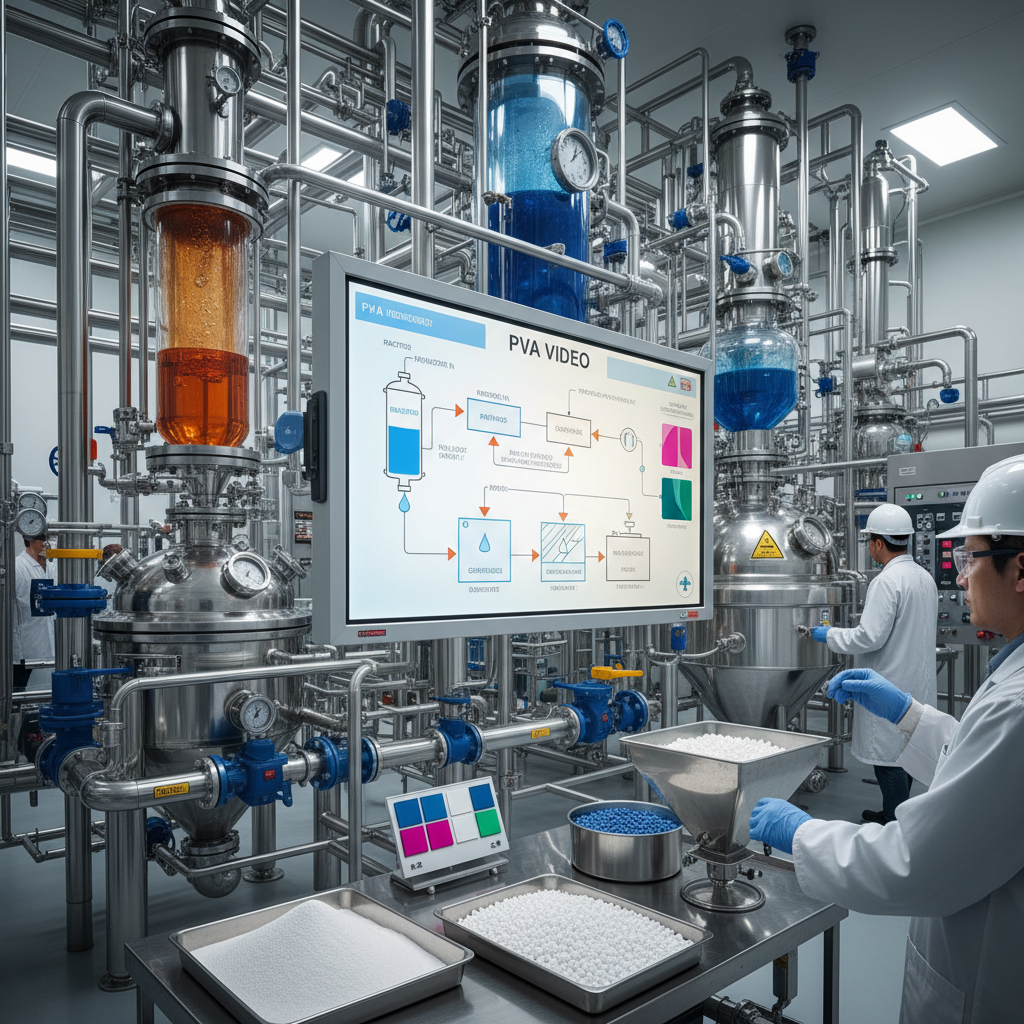
Unlock Global Markets with Engaging PVA Video Marketing Strategies
In today's digital landscape, video content reigns supreme. However, delivering high-quality video efficiently and affordably can be challenging. This is where PVA (Polyvinyl Alcohol) video technology comes into play. It's a powerful method for creating engaging and effective video presentations, especially within the realm of cross-border trade and B2B marketing. This article will explore the intricacies of PVA video, its benefits, applications, and how it can elevate your business's video marketing strategy. We’ll delve into why it’s becoming a favored choice for professionals needing a flexible and cost-effective video solution. PVA video isn’t a new video format; rather, it’s a method of creating videos. It involves using screen recording software alongside a script and a voiceover. Instead of physically filming actors or products, you visually represent your message through screen captures, presentations, and animations. This allows for rapid video creation without the need for extensive filming equipment or a large production crew. It’s particularly well-suited for explainer videos, tutorials, product demonstrations, and marketing content aimed at international audiences.
Mar . 21, 2026
Unlock Global Markets with Engaging PVA Video Marketing Strategies
In today's digital landscape, video content reigns supreme. However, delivering high-quality video efficiently and affordably can be challenging. This is where PVA (Polyvinyl Alcohol) video technology comes into play. It's a powerful method for creating engaging and effective video presentations, especially within the realm of cross-border trade and B2B marketing. This article will explore the intricacies of PVA video, its benefits, applications, and how it can elevate your business's video marketing strategy. We’ll delve into why it’s becoming a favored choice for professionals needing a flexible and cost-effective video solution. PVA video isn’t a new video format; rather, it’s a method of creating videos. It involves using screen recording software alongside a script and a voiceover. Instead of physically filming actors or products, you visually represent your message through screen captures, presentations, and animations. This allows for rapid video creation without the need for extensive filming equipment or a large production crew. It’s particularly well-suited for explainer videos, tutorials, product demonstrations, and marketing content aimed at international audiences.
 Mar . 19, 2026
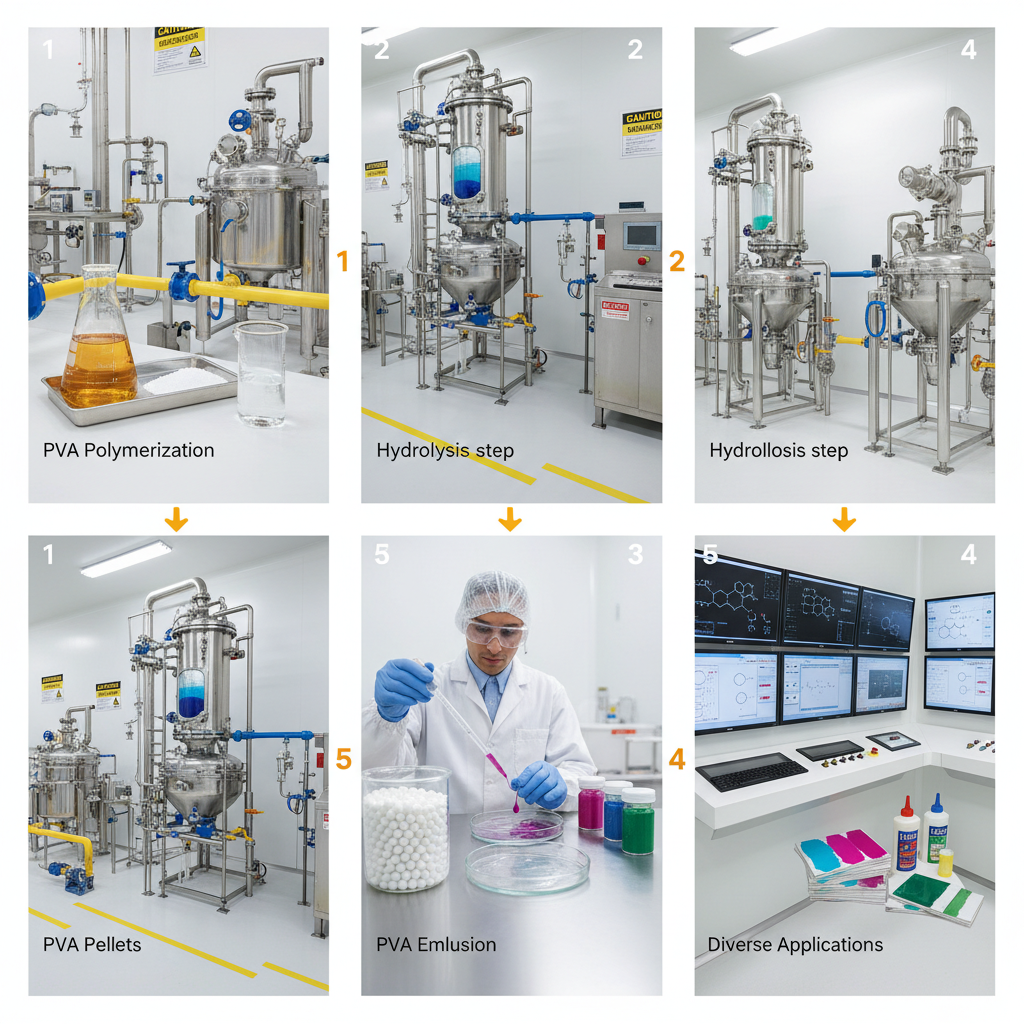
Exploring Diverse PVA Types and Their Applications for Optimal Performance
Polyvinyl Alcohol (PVA) is a versatile synthetic polymer with a wide range of applications, from adhesives and textiles to packaging and biomedical fields. However, not all PVA is created equal. Different PVA types offer varying properties, making them suitable for specific uses. This article will delve into the different types of PVA, their characteristics, and applications, providing a thorough overview for professionals and researchers. Choosing the right PVA grade is critical to achieving optimal performance in your application. We'll explore how factors like degree of hydrolysis and viscosity affect PVA's behavior. The key properties that differentiate various PVA types are the degree of hydrolysis and the viscosity. The degree of hydrolysis refers to the percentage of acetate groups that have been converted to hydroxyl groups. Higher hydrolysis levels generally lead to increased water solubility and film strength. Viscosity, measured in centipoise (cP), indicates the resistance of the PVA solution to flow. Higher viscosity PVA grades are used when thicker films or gels are required. Other factors, like molecular weight, also contribute to the overall characteristics of the PVA polymer.
Mar . 19, 2026
Exploring Diverse PVA Types and Their Applications for Optimal Performance
Polyvinyl Alcohol (PVA) is a versatile synthetic polymer with a wide range of applications, from adhesives and textiles to packaging and biomedical fields. However, not all PVA is created equal. Different PVA types offer varying properties, making them suitable for specific uses. This article will delve into the different types of PVA, their characteristics, and applications, providing a thorough overview for professionals and researchers. Choosing the right PVA grade is critical to achieving optimal performance in your application. We'll explore how factors like degree of hydrolysis and viscosity affect PVA's behavior. The key properties that differentiate various PVA types are the degree of hydrolysis and the viscosity. The degree of hydrolysis refers to the percentage of acetate groups that have been converted to hydroxyl groups. Higher hydrolysis levels generally lead to increased water solubility and film strength. Viscosity, measured in centipoise (cP), indicates the resistance of the PVA solution to flow. Higher viscosity PVA grades are used when thicker films or gels are required. Other factors, like molecular weight, also contribute to the overall characteristics of the PVA polymer.
 Mar . 17, 2026
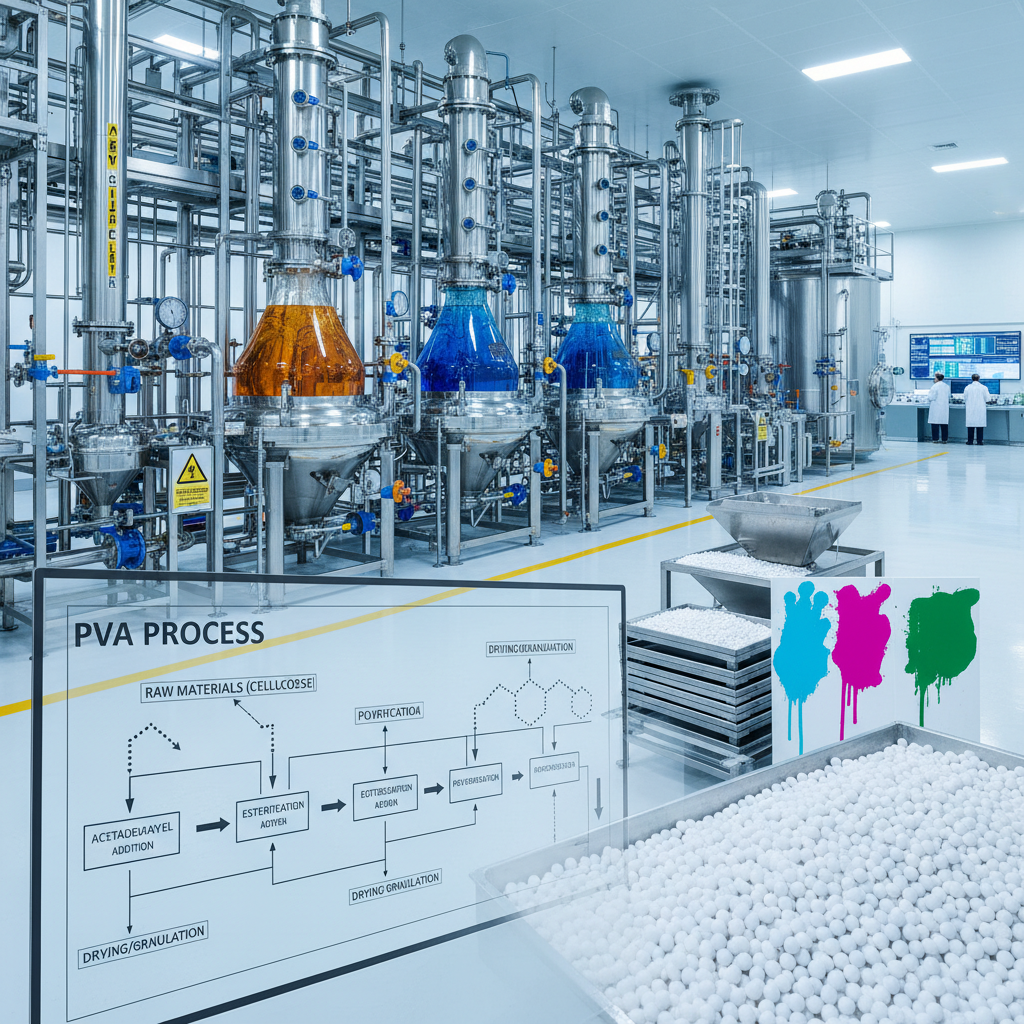
Exploring the PVA Process Applications and Benefits Across Industries
Polyvinyl Alcohol (PVA) is a fascinating synthetic polymer with a surprisingly broad range of applications. The PVA process, encompassing its production and modification, is crucial to understanding why this material is so versatile. From textile sizing to advanced biomedical applications, PVA's unique properties – its water solubility, biodegradability, and film-forming capabilities – make it invaluable. This article dives into the intricacies of the PVA process, exploring its various stages, key applications, and the benefits it offers across numerous industries. We’ll also discuss different grades of PVA available and how they affect the end-product characteristics. The foundation of the PVA process is the polymerization of vinyl acetate monomer (VAM). This is typically achieved through free-radical polymerization in an aqueous solution. The process involves adding an initiator to the VAM emulsion, causing the monomers to link together and form long polymer chains.
Mar . 17, 2026
Exploring the PVA Process Applications and Benefits Across Industries
Polyvinyl Alcohol (PVA) is a fascinating synthetic polymer with a surprisingly broad range of applications. The PVA process, encompassing its production and modification, is crucial to understanding why this material is so versatile. From textile sizing to advanced biomedical applications, PVA's unique properties – its water solubility, biodegradability, and film-forming capabilities – make it invaluable. This article dives into the intricacies of the PVA process, exploring its various stages, key applications, and the benefits it offers across numerous industries. We’ll also discuss different grades of PVA available and how they affect the end-product characteristics. The foundation of the PVA process is the polymerization of vinyl acetate monomer (VAM). This is typically achieved through free-radical polymerization in an aqueous solution. The process involves adding an initiator to the VAM emulsion, causing the monomers to link together and form long polymer chains.
 Mar . 14, 2026
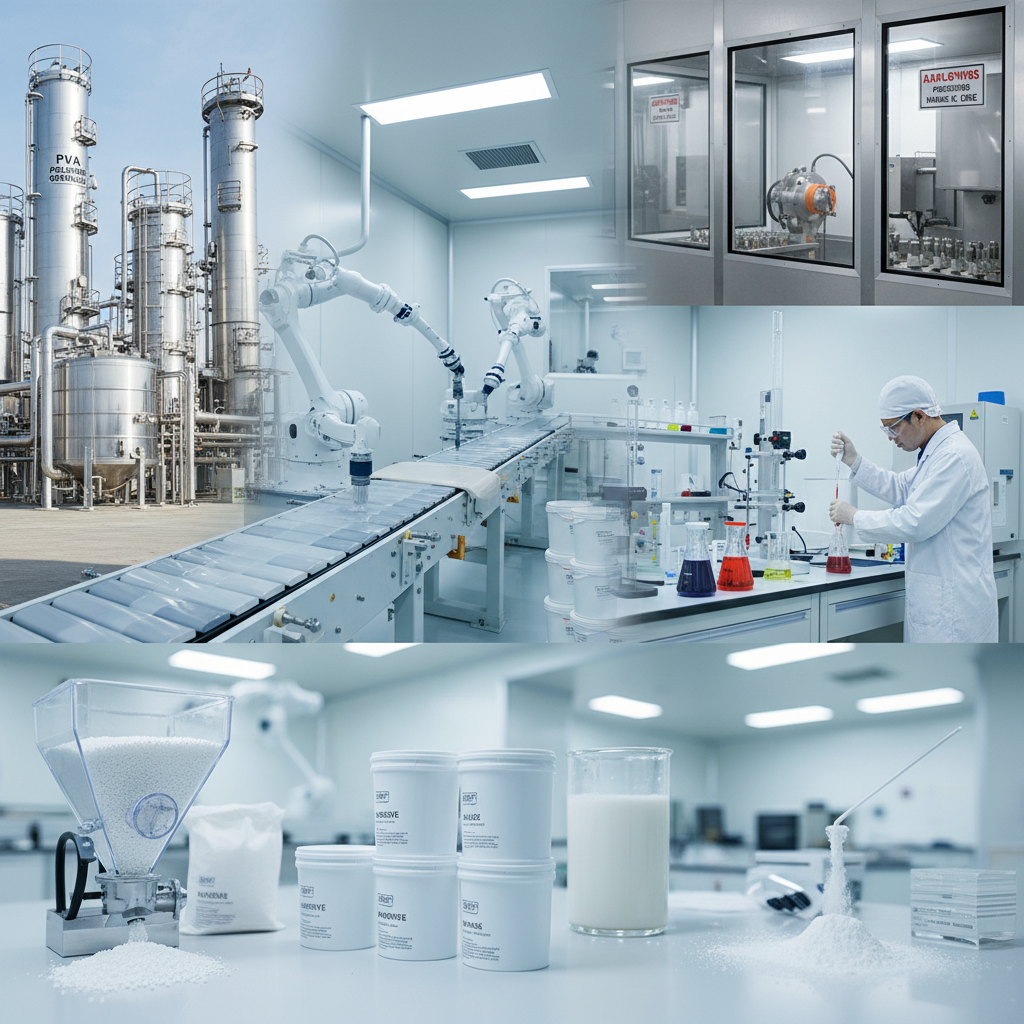
Comprehensive Guide to PVA Material Applications Properties and Benefits
Polyvinyl Alcohol (PVA) is a versatile synthetic polymer with a wide array of applications across numerous industries. Known for its excellent film-forming, emulsifying, and adhesive properties, PVA material offers unique advantages in fields ranging from textiles and adhesives to packaging and even biomedical applications. This article will delve into the properties, manufacturing processes, applications, and benefits of PVA, providing a comprehensive overview for professionals and anyone seeking to understand this remarkable material. The demand for PVA is continuously growing due to its sustainable properties and versatility. PVA is created through the hydrolysis of polyvinyl acetate. This process involves breaking down polyvinyl acetate (PVA) with water, removing most of the acetate groups. The degree of hydrolysis dictates the properties of the resulting PVA – higher hydrolysis leads to increased water solubility and strength. PVA is typically available as a white or cream-colored powder or granules and is known for being odorless and non-toxic.
Mar . 14, 2026
Comprehensive Guide to PVA Material Applications Properties and Benefits
Polyvinyl Alcohol (PVA) is a versatile synthetic polymer with a wide array of applications across numerous industries. Known for its excellent film-forming, emulsifying, and adhesive properties, PVA material offers unique advantages in fields ranging from textiles and adhesives to packaging and even biomedical applications. This article will delve into the properties, manufacturing processes, applications, and benefits of PVA, providing a comprehensive overview for professionals and anyone seeking to understand this remarkable material. The demand for PVA is continuously growing due to its sustainable properties and versatility. PVA is created through the hydrolysis of polyvinyl acetate. This process involves breaking down polyvinyl acetate (PVA) with water, removing most of the acetate groups. The degree of hydrolysis dictates the properties of the resulting PVA – higher hydrolysis leads to increased water solubility and strength. PVA is typically available as a white or cream-colored powder or granules and is known for being odorless and non-toxic.


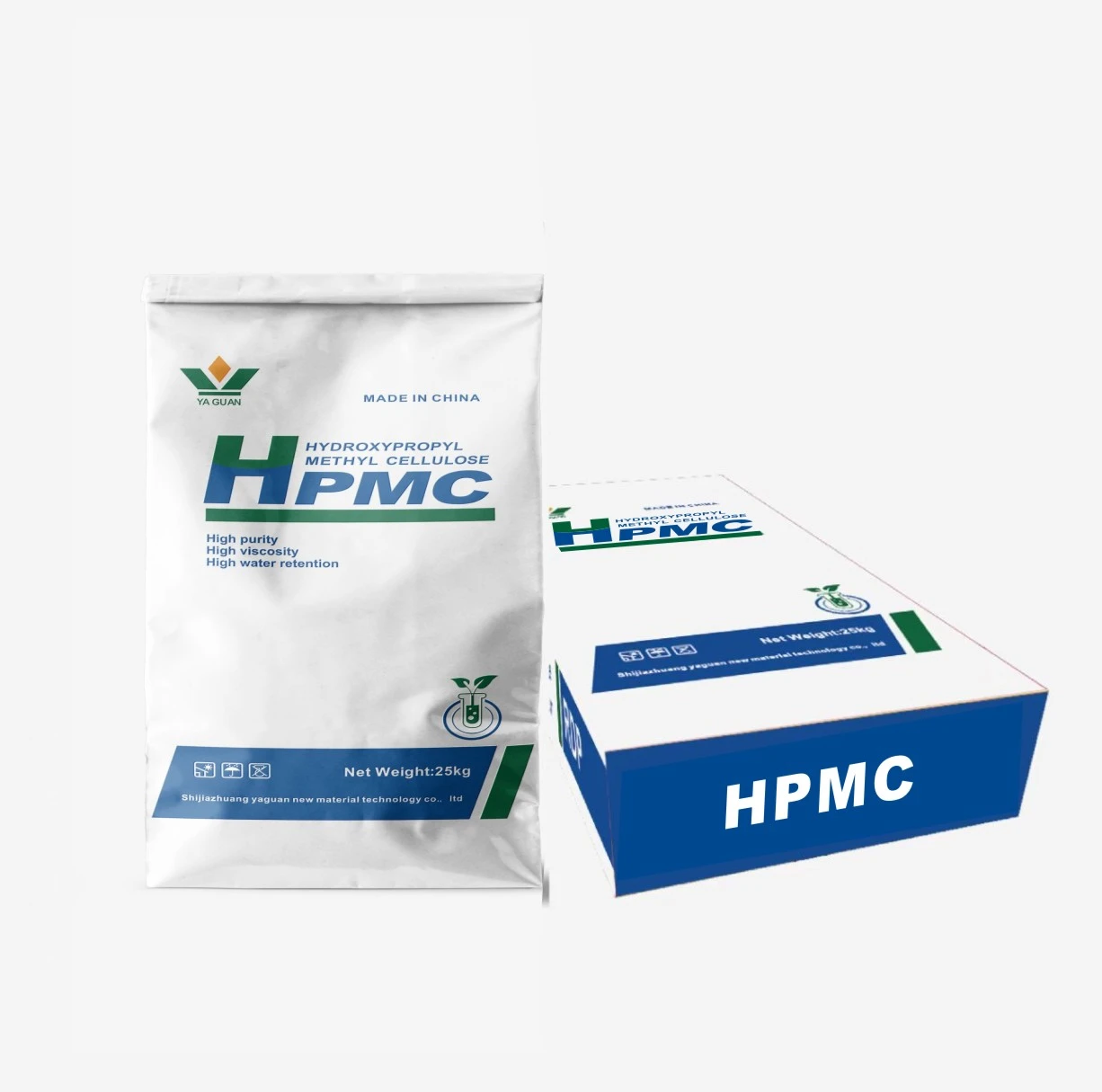 Hidroxipropilmetilcelulose (HPMC)
YAGUAN"HPMC é um éter de celulose não iônico, um pó branco inodoro, insípido e não tóxico, solúvel em água e na maioria dos solventes orgânicos polares. A solução aquosa tem atividade de superfície, alta transparência e desempenho estável. Tem as características de espessamento, ligação, dispersão, emulsificação, formação de filme, suspensão, adsorção, gelificação, atividade de superfície, retenção de água e proteção coloidal.
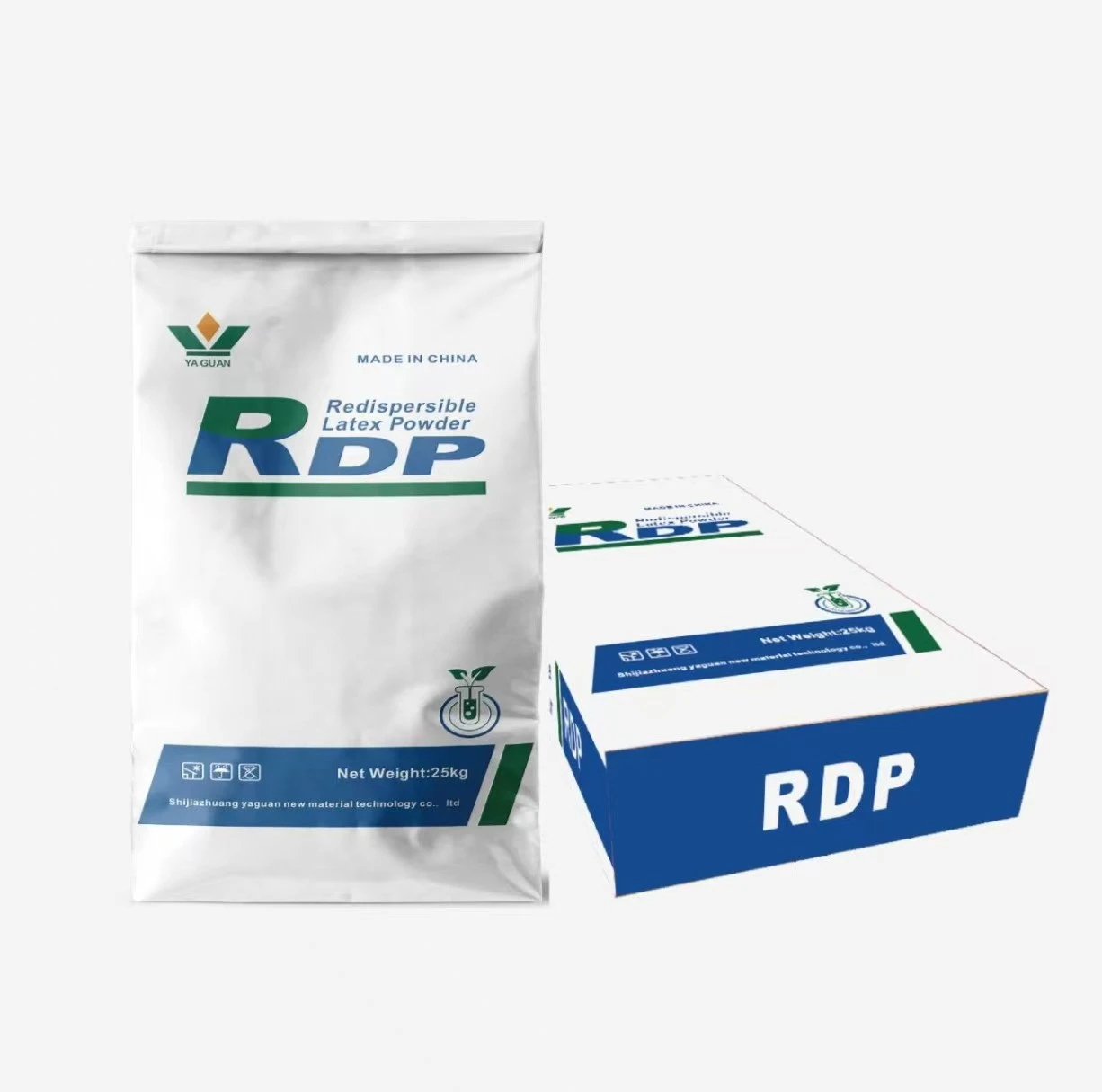 Pó de polímero redispersível (RDP)
YAGUAN“O RDP pertence ao pó de emulsão de etileno-vinilacetatocopolímero quepodeser espalhadosmas
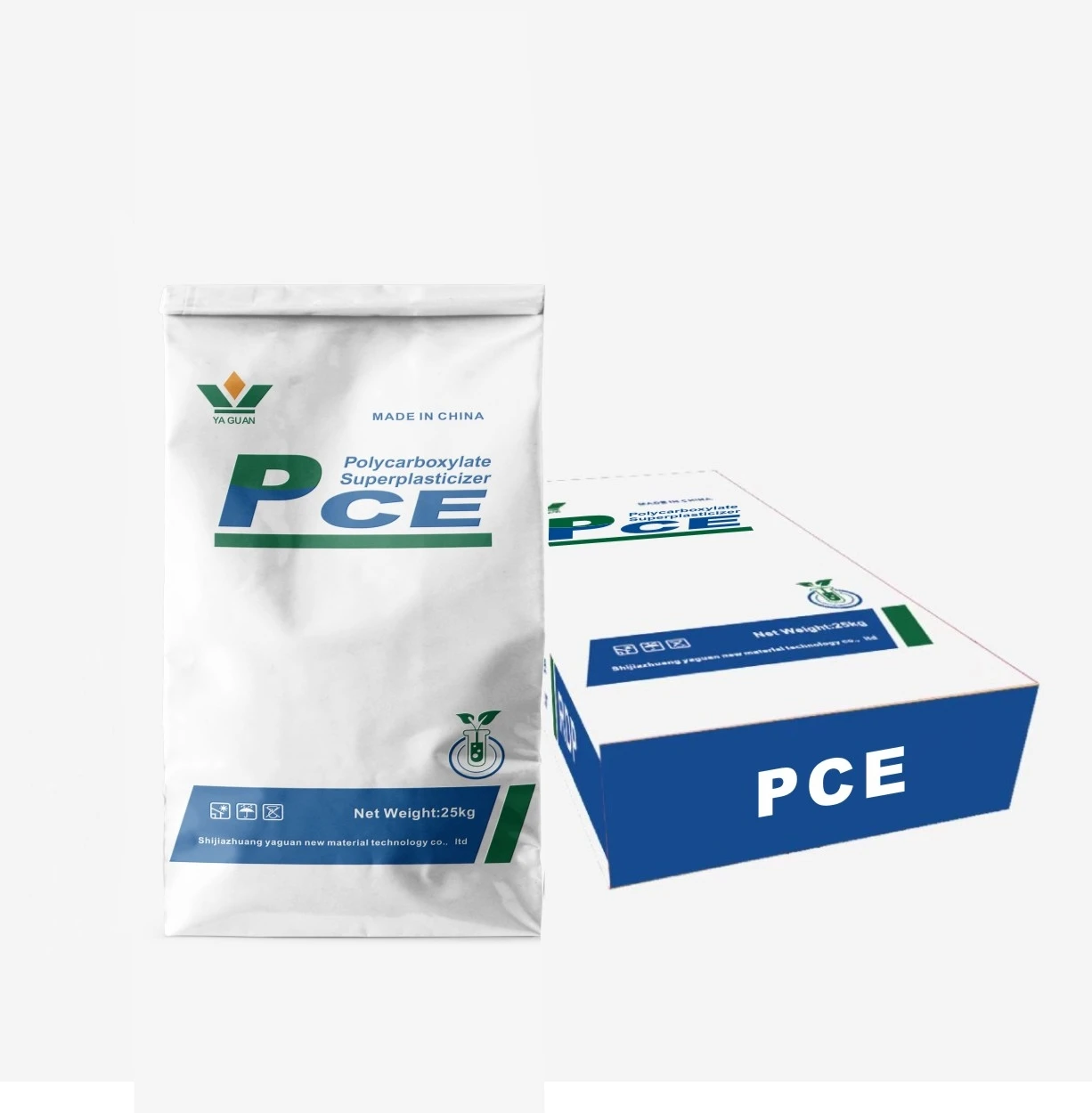 PC-826 Superplastificante de Policarboxilato de Retenção de Abatimento
apresentação do produto
O PC-826 é um superplastificante funcional de ácido policarboxílico em pó, preparado por um processo especial de secagem por pulverização com polimerização de poliéter modificado. Trata-se de uma nova geração de redutor de água de liberação lenta para concreto com alta retenção de plástico.
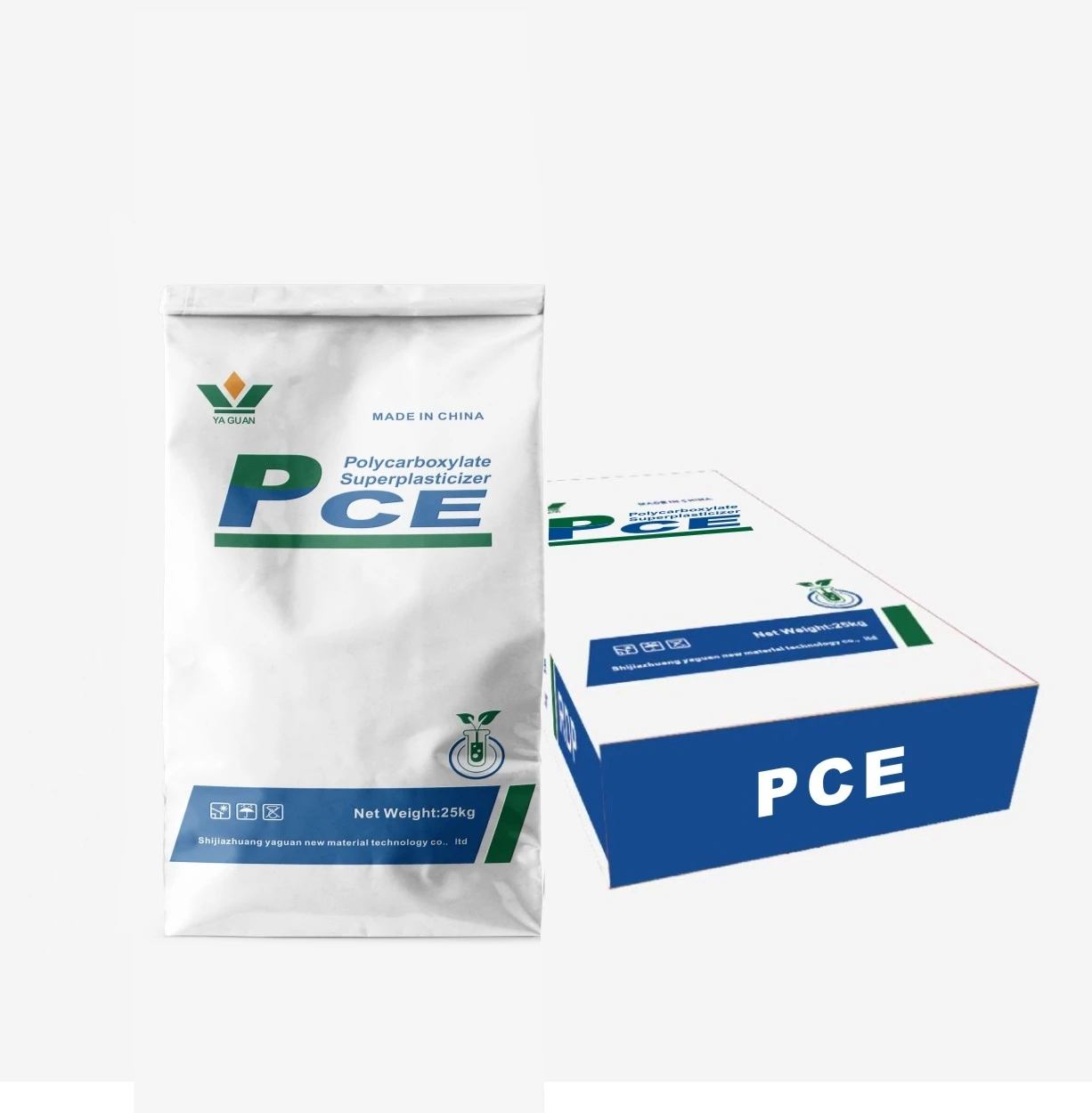 Agente redutor de água de policarboxilato em pó PC-733
apresentação do produto
O PC-733 é um superplastificante de ácido policarboxílico em pó preparado por um processo especial de secagem por pulverização por polimerização de poliéter modificado e uma nova geração de agente redutor de água para concreto com taxa de redução de água ultra-alta.
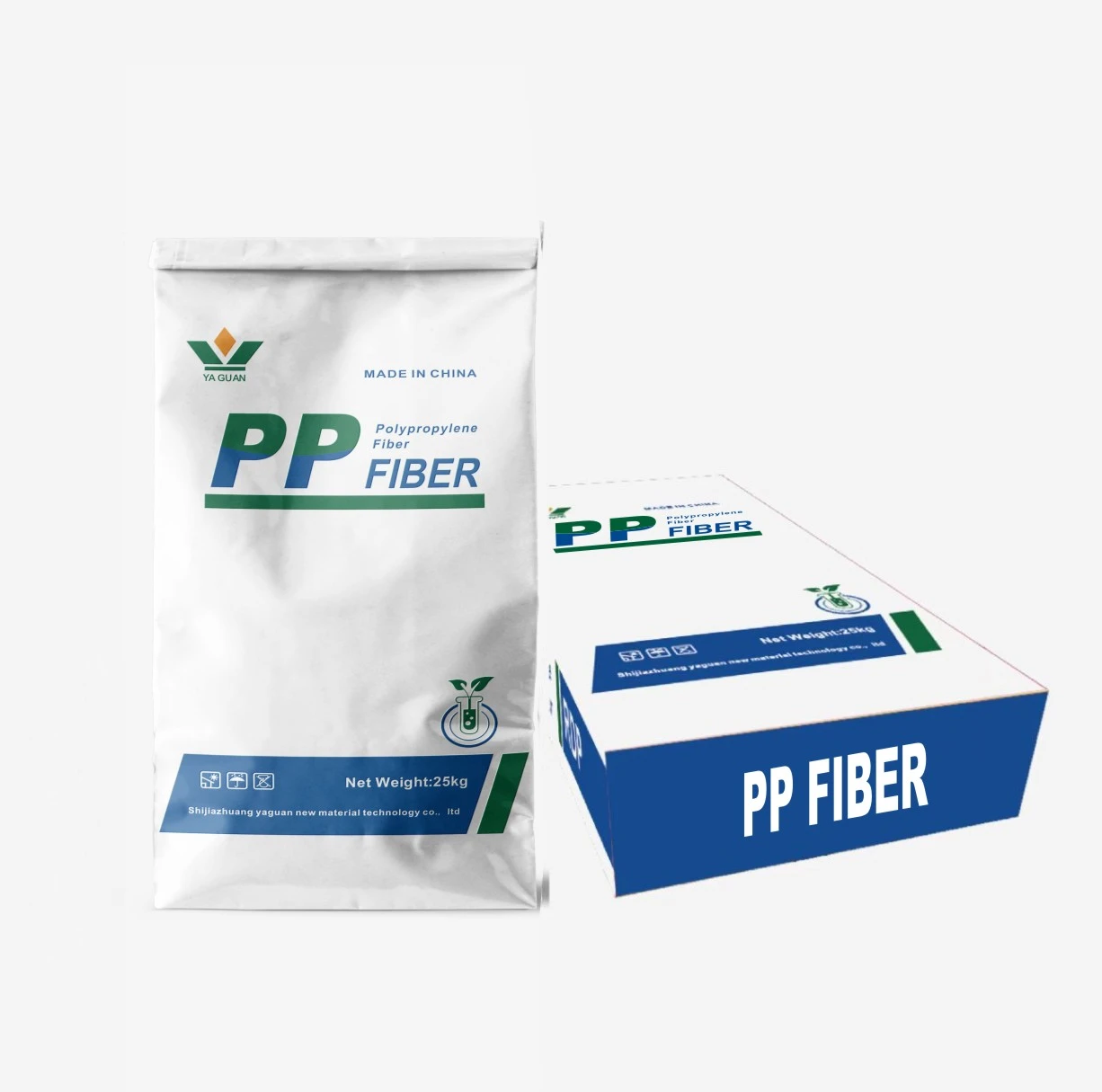 Fibra de polipropileno
A fibra de polipropileno YAGUAN, também conhecida como fibra anti-fissuras, fibra PP ou fibra de concreto, é uma fibra monofilamentar de alta resistência feita de polipropileno. A adição de nossos produtos de fibra de polipropileno à argamassa ou concreto pode controlar efetivamente as microfissuras de concretos ou argamassas causadas pela retração plástica.