

logo

Advanced Construction Solutions with hydroxypropyl methyl cellulose ether

Engineered for the North American climate, providing superior rheology and stability for high-performance synthetic materials in the United States construction sector.

Advanced Construction Solutions with hydroxypropyl methyl cellulose ether

Optimizing the structural integrity and application efficiency of specialized chemical products across the diverse environmental zones of the United States.

Current Market Status of Specialized Chemicals in the USA

Analyzing the demand for high-efficiency additives in North American synthetic material manufacturing.

The United States market for synthetic materials is currently characterized by a rigorous shift toward sustainable and high-durability additives. In regions with extreme temperature fluctuations, such as the Midwest and Northeast, there is a critical reliance on cellulose ether hpmc to maintain water retention and prevent premature cracking in cementitious materials.

Economic pressures and the rise of rapid-build infrastructure projects have increased the demand for a high-performance water reducing admixture. This allows contractors to achieve higher strength-to-weight ratios while reducing the total volume of water used, aligning with strict US environmental regulations on runoff and carbon footprints.

Furthermore, the prevalence of diverse architectural styles across North America requires versatile thickeners. The integration of cellulose ether in specialty mortars and coatings ensures that products can withstand both the humid conditions of the Gulf Coast and the arid environment of the Southwest.
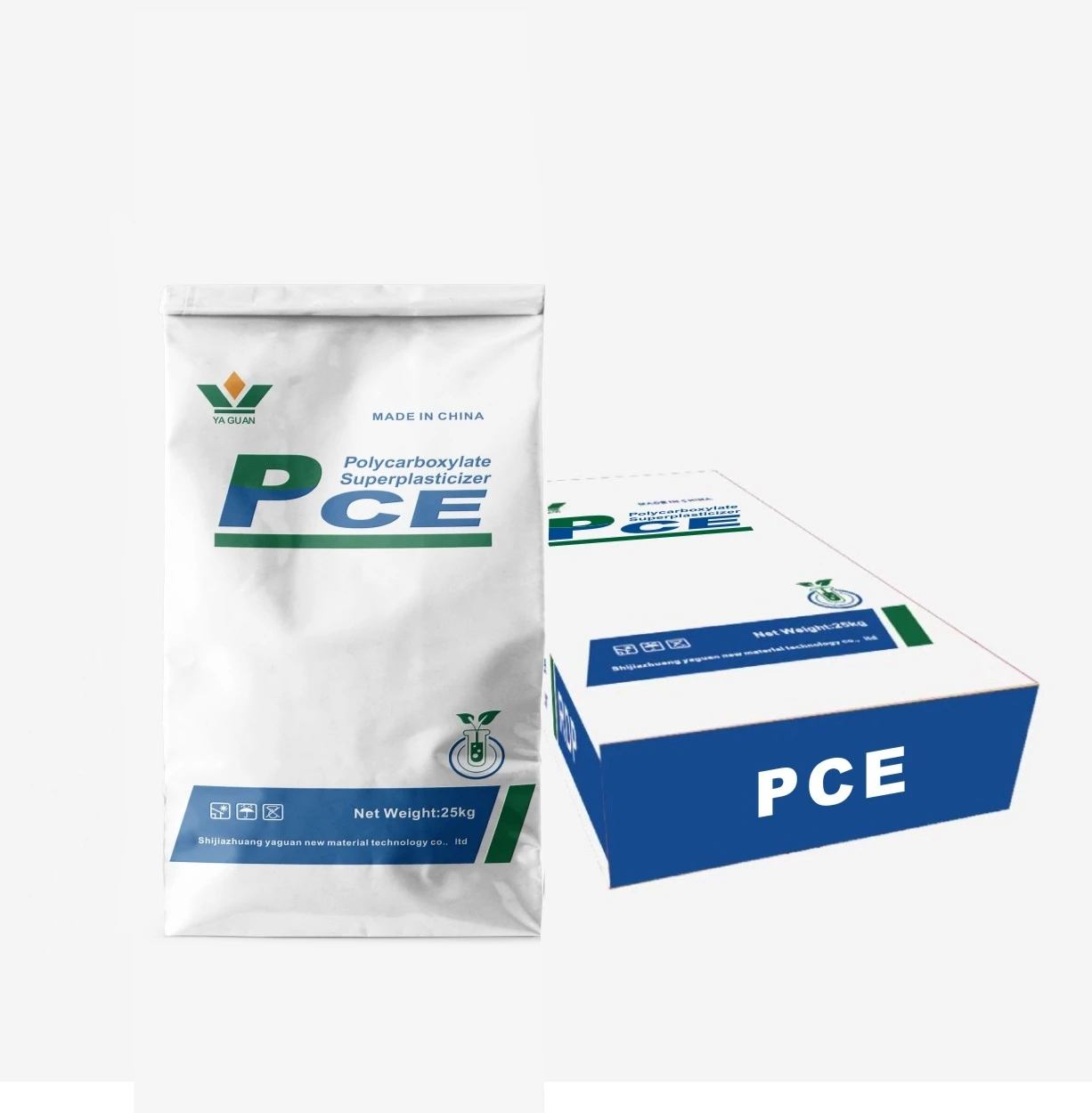
Evolution of Cellulose Technology in North America

From basic thickening agents to intelligent molecular engineering.

Market Development History

During the early 2000s, the US market primarily utilized basic organic thickeners. However, the introduction of refined cellulose 2 hydroxyethyl ether marked a shift toward better compatibility with synthetic polymers, enhancing the stability of aqueous solutions in industrial coatings.

By 2010-2015, the industry moved toward "precision grade" chemicals. The focus shifted from simple viscosity control to the manipulation of open-time and slip resistance, where HPMC became the gold standard for the American tile adhesive and drywall compound markets.

From 2018 to the present, the trajectory has moved toward synergistic blends. Manufacturers now combine multiple cellulose derivatives with advanced superplasticizers to meet the LEED certification requirements common in modern US commercial construction.

Future Development Trends

Bio-Based Feedstock Transition

Transitioning toward 100% renewable plant-based cellulose to meet the "Net Zero" targets of the US federal government by 2050.

Smart Viscosity Response

Development of polymers that respond dynamically to temperature changes, essential for year-round construction in diverse US climates.

Nano-Composite Integration

Merging traditional ethers with nano-silica to create ultra-high-performance materials with near-zero shrinkage.

Future Trends and Strategic Outlook

Predicting the next wave of innovation in specialty synthetic materials.

Eco-Friendly Synthesis
Shift toward solvent-free production processes to comply with EPA standards and green building codes.
Digital Formulation
Using AI-driven data to customize molecular weights of cellulose ethers based on local US zip code climate data.
Rapid Hydration Tech
Developing instant-dissolve particles to reduce mixing time in large-scale industrial US sites.
High-Shear Stability
Enhancing the resilience of cellulose chains to withstand modern high-speed pumping equipment.

Industry Outlook

Based on Google search trends in the United States, there is a significant spike in queries regarding "low-VOC adhesives" and "carbon-neutral construction materials." This indicates a market shift where the chemical properties of hydroxypropyl methyl cellulose ether will be judged not only by performance but by its ecological footprint.

Over the next 3-5 years, we expect a convergence of specialty chemicals and biotechnology. The US market will likely move toward "designer cellulose," where the substitution degree is precisely tuned to the specific salinity and humidity of the target installation region.

Localized Applications in the United States

Real-world deployment of synthetic cellulose solutions across diverse US environments.

1. High-Rise Commercial Projects (New York/Chicago)

Utilization of HPMC in high-strength skim coats to ensure vertical cling and reduce sagging in skyscrapers, combating the wind-tunnel effect on exterior facades.

2. Residential Drywalling (Suburban Expansion)

Implementing optimized cellulose ethers in joint compounds to provide a smooth finish and extended open time, critical for the high-volume residential markets in Texas and Florida.

3. Infrastructure Bridge Repair (Coastal States)

Using water-reducing admixtures in repair mortars for coastal bridges to minimize permeability and prevent saltwater corrosion of steel reinforcements.

4. Industrial Flooring (Midwest Manufacturing Hubs)

Application of specialized thickeners in self-leveling underlayments to ensure perfectly flat surfaces for heavy machinery installation in Ohio and Michigan factories.

5. Sustainable Housing (West Coast/California)

Integrating bio-based cellulose derivatives in low-emission adhesives for eco-friendly prefabricated modular homes meeting California's strict green building codes.

Brand Story

Global Development Journey of Shijiazhuang Yaguan New Material Technology Co., Ltd.

Founding Vision

Established with the mission to bridge the gap between raw chemical synthesis and practical construction needs, focusing on high-purity cellulose production.

Technical Breakthrough

Developed a proprietary purification process that significantly increased the stability of HPMC, reducing batch-to-batch variance for international clients.

North American Expansion

Strategically entered the US market by tailoring product grades to meet ASTM standards and the specific rheological needs of American contractors.

Sustainability Pivot

Invested in green chemistry laboratories to reduce the environmental impact of etherification, aligning with global ESG goals.

Global Leadership

Now recognized as a premier partner for specialized chemical additives, solving the most complex water-retention and thickening challenges worldwide.

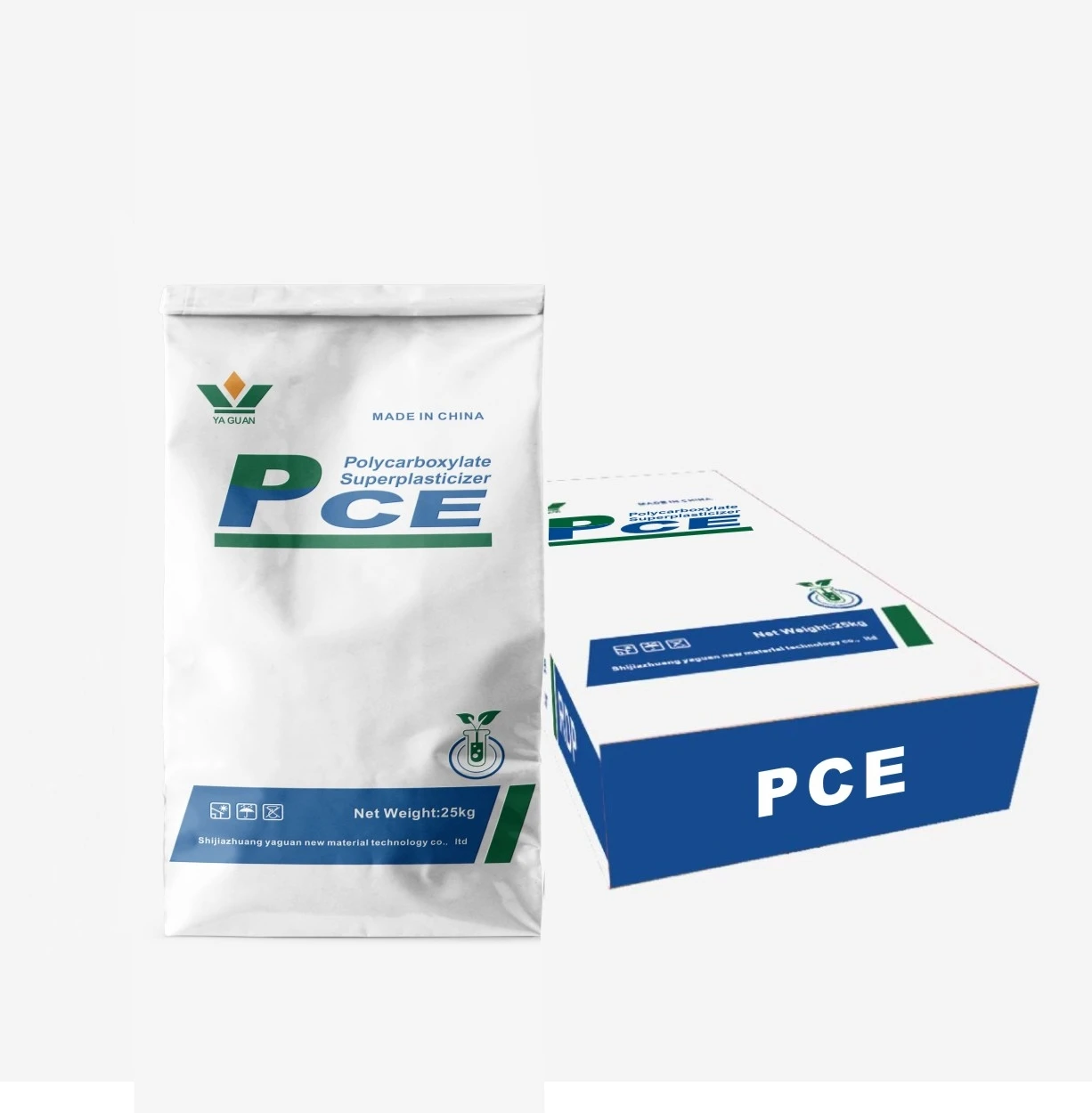
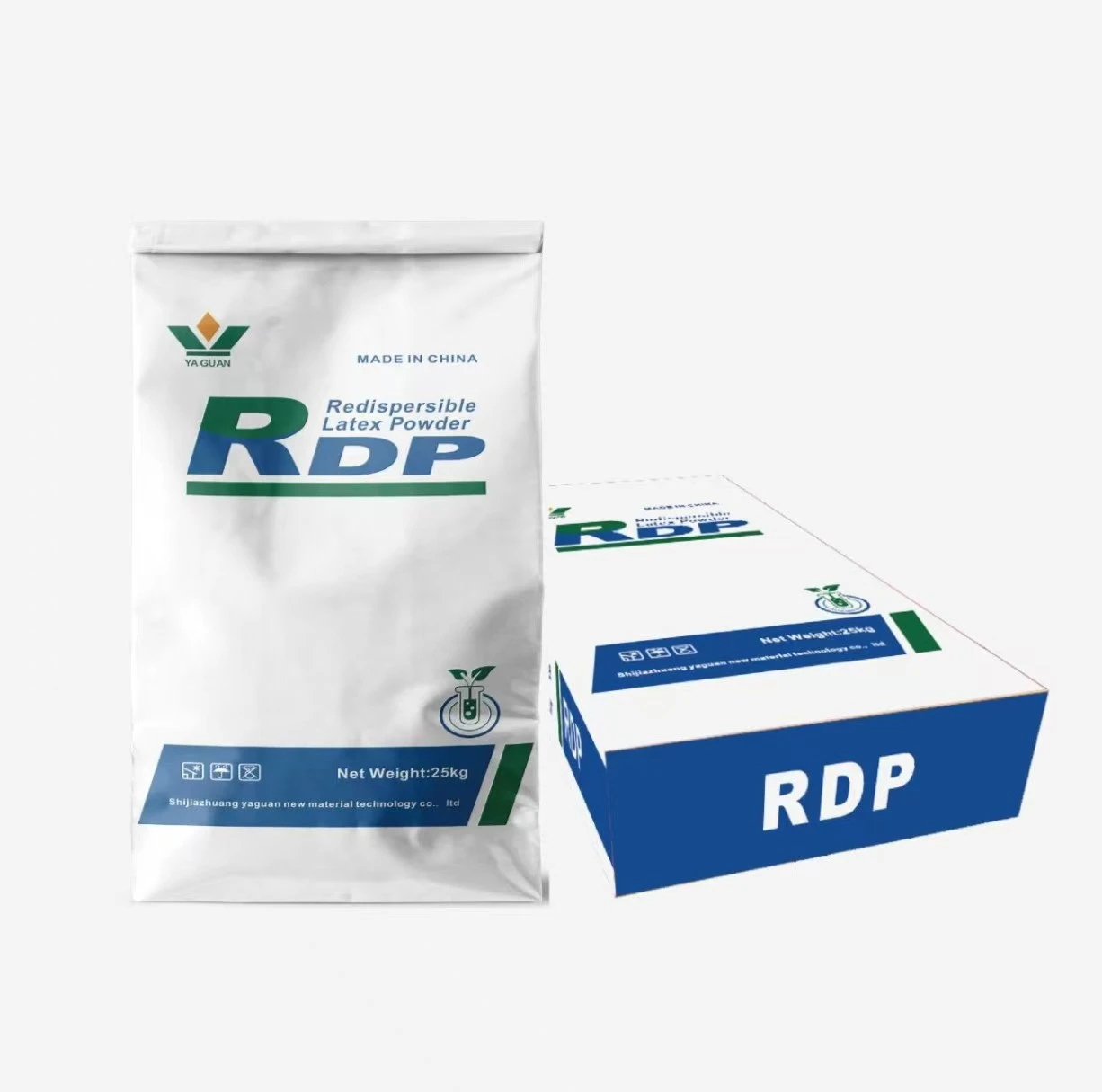
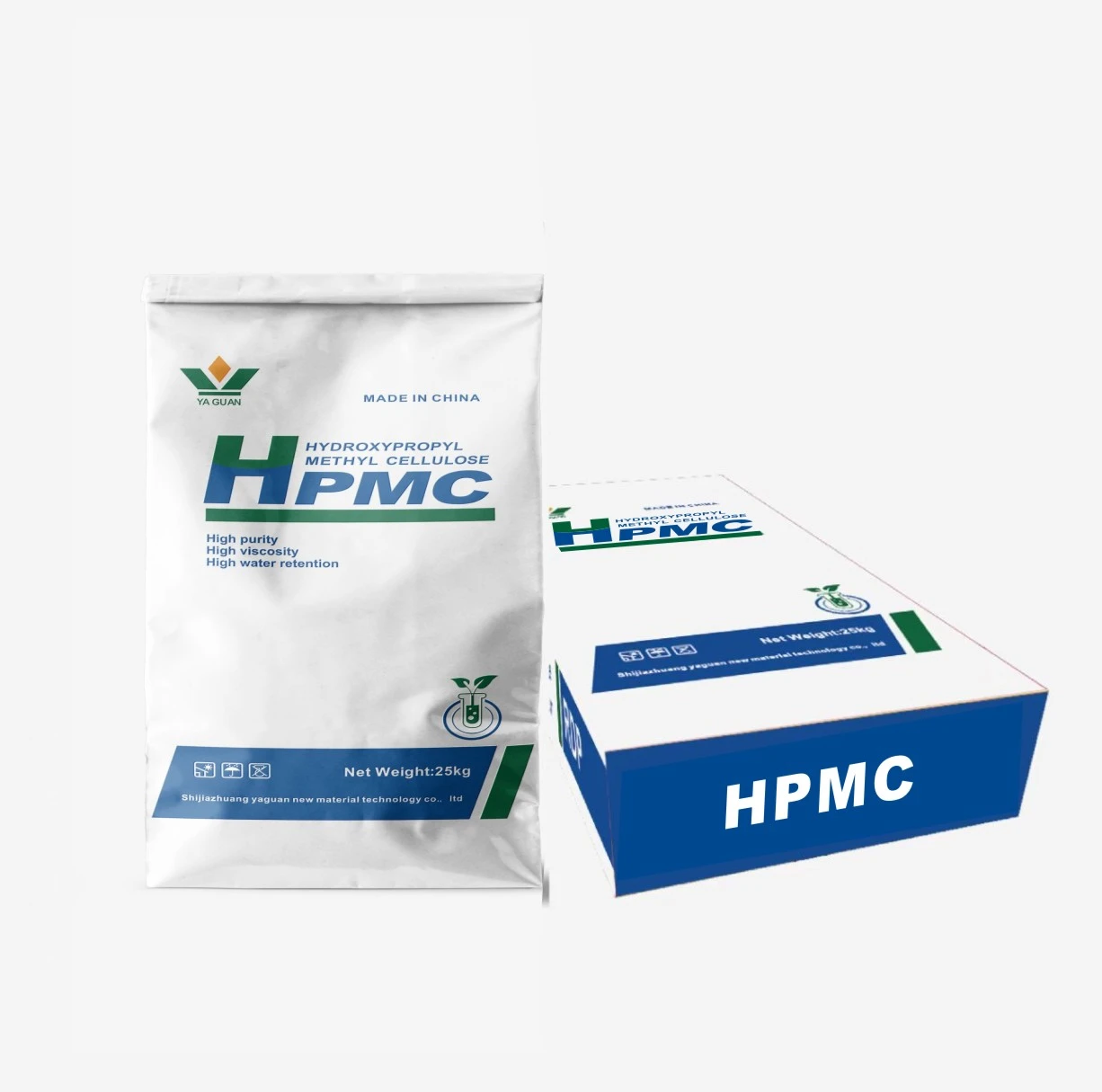
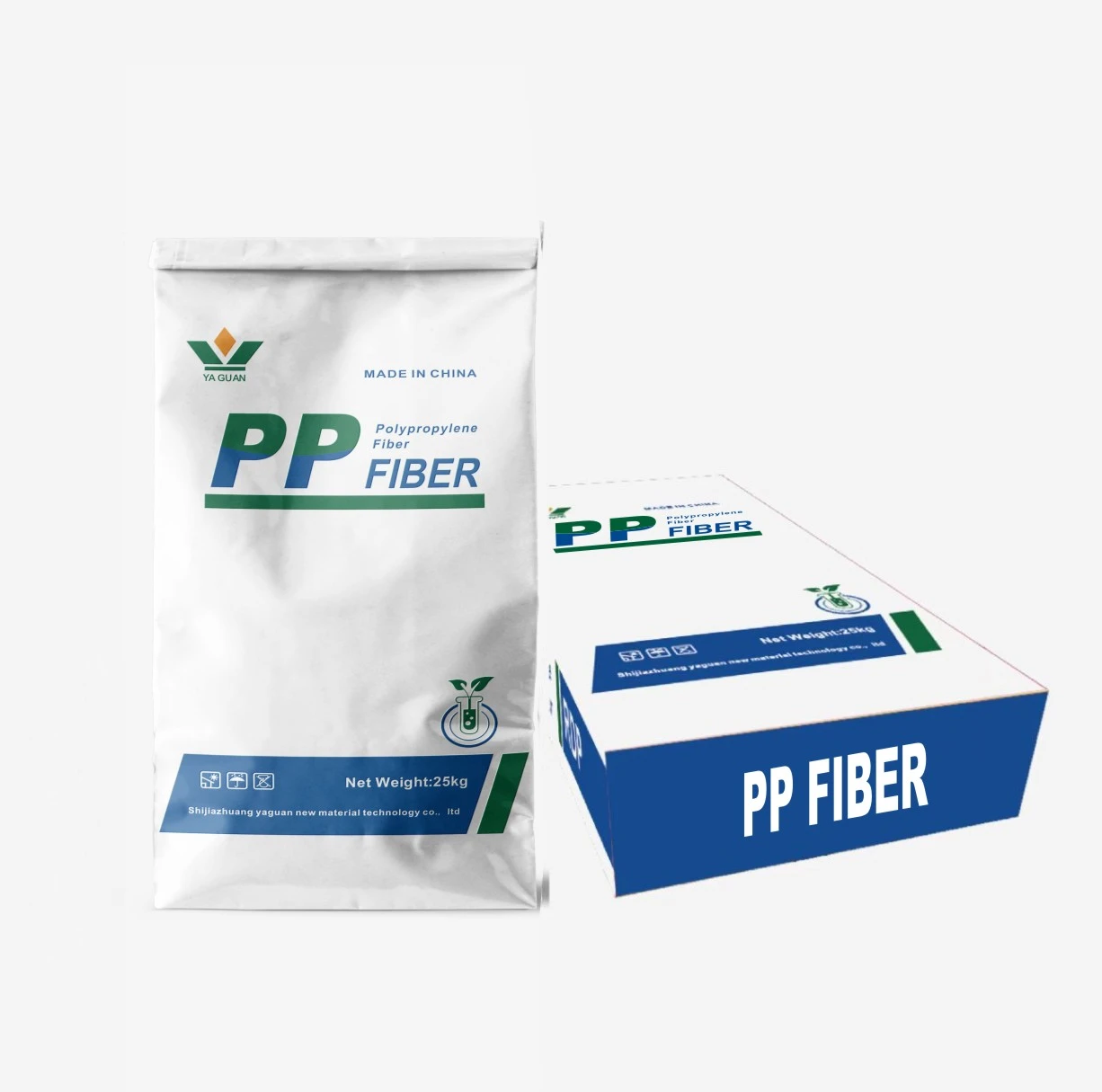
Comprehensive Product Portfolio for the United States

A full spectrum of high-performance synthetic materials designed for diverse industrial applications.

Common Inquiries for the US Market

Technical answers to the most frequent challenges faced by North American engineers.

How does cellulose ether hpmc improve water retention in hot US climates?

HPMC forms a protective hydrogel network that slows the evaporation of water, ensuring that cement hydrates fully even in high-temperature environments like Arizona or Florida.

What is the difference between cellulose 2 hydroxyethyl ether and standard HPMC?

Cellulose 2 hydroxyethyl ether typically offers different solubility profiles and is often preferred in specific synthetic polymer blends where higher chemical resistance is required.

Can a water reducing admixture be used with high-viscosity cellulose ethers?

Yes, however, precise dosing is required to ensure that the plasticizing effect of the admixture does not conflict with the thickening properties of the cellulose ether.

Which hydroxypropyl methyl cellulose ether grade is best for US tile adhesives?

For the US market, a medium-to-high viscosity grade is typically recommended to provide the necessary open-time and sag resistance required by ANSI standards.

Are these cellulose ether products compatible with LEED certification?

Our products are manufactured to minimize VOC emissions and use renewable raw materials, directly supporting the low-emitting materials credits for LEED certification.

How should I store cellulose-based additives in humid coastal warehouses?

Store in original sealed packaging in a cool, dry area. Use pallets to avoid direct contact with floors and ensure moisture-barrier wrapping to prevent clumping.

Ready to Optimize Your Formulations?

Our technical experts are ready to provide customized chemical solutions for your projects in the United States.

Contact Us Now
tel mailto tel goTop
wx
WhatsApp
email
tel
goTop

If you are interested in our products, you can choose to leave your information here, and we will be in touch with you shortly.