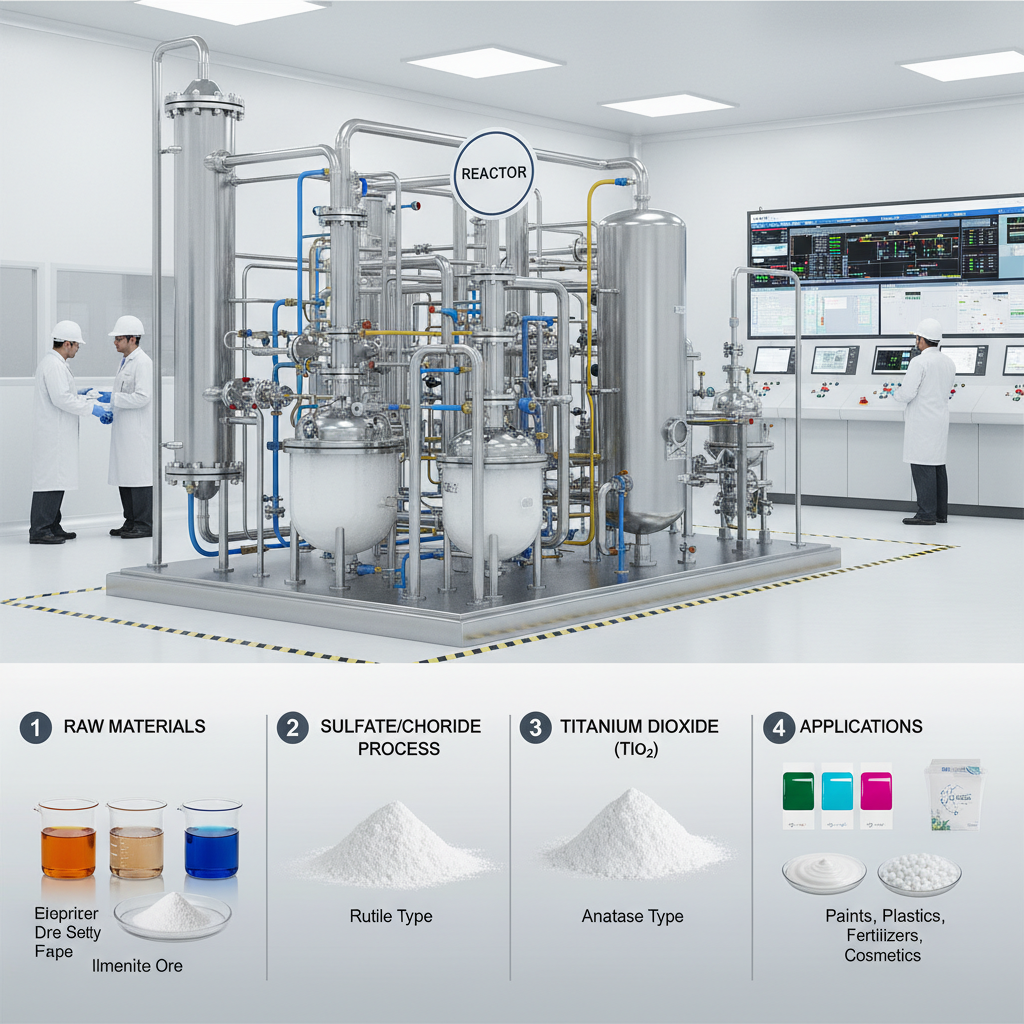
Exploring Diverse Tio2 Types for Enhanced Material Performance and Durability
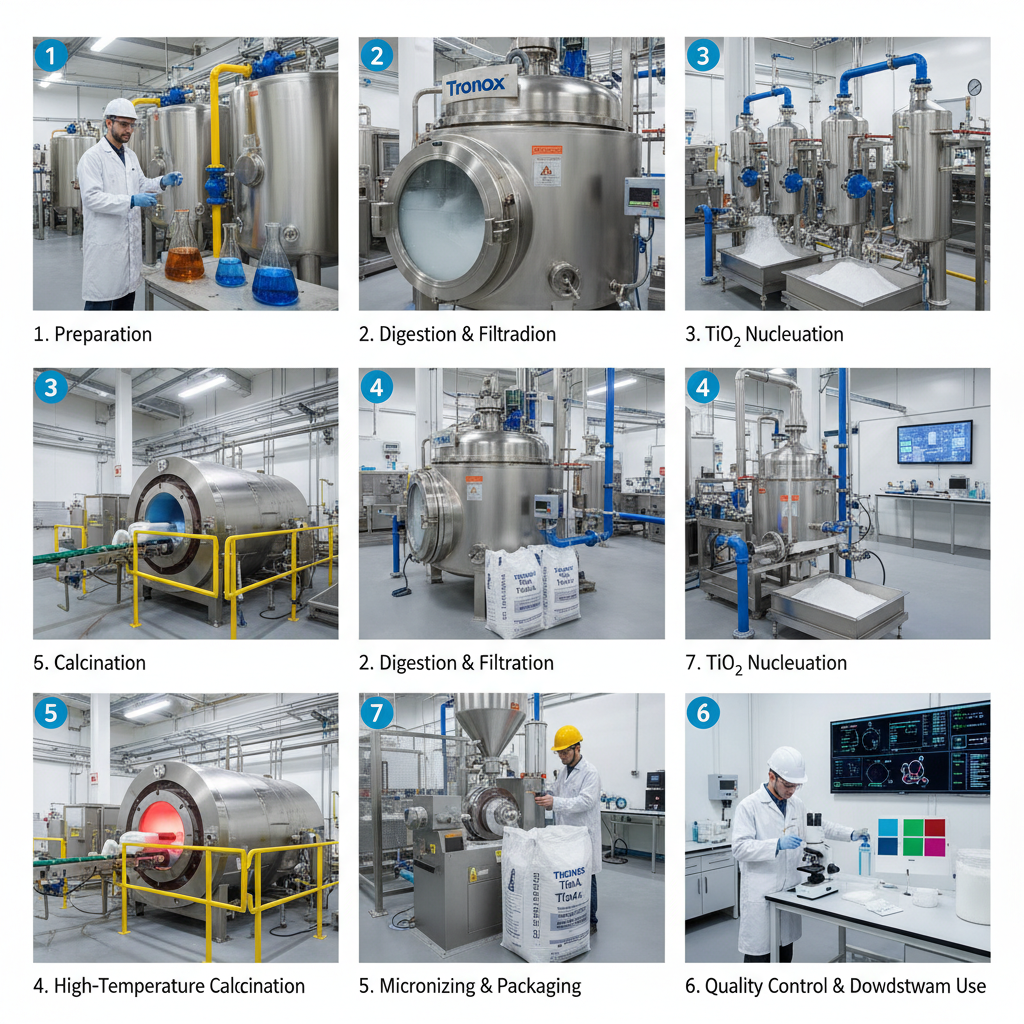
Titanium dioxide, or TiO2 as we call it on site, isn't just some chemical compound; it's the backbone of durability and brightness in a huge number of materials we use daily. From the paint protecting buildings against the elements to the plastics in our tools and even the sunscreen on our skin, TiO2 is quietly working to make things last longer and perform better. Understanding the different tio2 types available and what they’re best suited for is crucial for anyone involved in construction, manufacturing, or even product design. It directly impacts project costs, the lifespan of materials, and ultimately, the quality of the final product. Globally, the TiO2 market is massive—estimated at over $23 billion in 2023 according to market research reports. The United Nations Industrial Development Organization (UNIDO) recognizes TiO2’s critical role in industries contributing to sustainable development goals, particularly in coatings and plastics for infrastructure. However, increasing environmental regulations regarding the production of TiO2, coupled with supply chain disruptions, present ongoing challenges. Knowing the nuances of different tio2 types helps navigate these complexities and ensures projects stay on track. Simply put, TiO2 is a white pigment known for its exceptional ability to scatter light, giving it brilliant opacity and brightness. We use it to make things white, but it’s much more than just a colorant. Different tio2 types are created through different manufacturing processes, impacting particle size, shape, and surface treatments. These variations dictate how the TiO2 performs in specific applications—a crucial distinction.
Read more »


 By:Michael Davis - April 8, 2026

 By:Robert Chen - April 6, 2026


 By:Charles Brown - March 20, 2026
 By:William Johnson - March 16, 2026