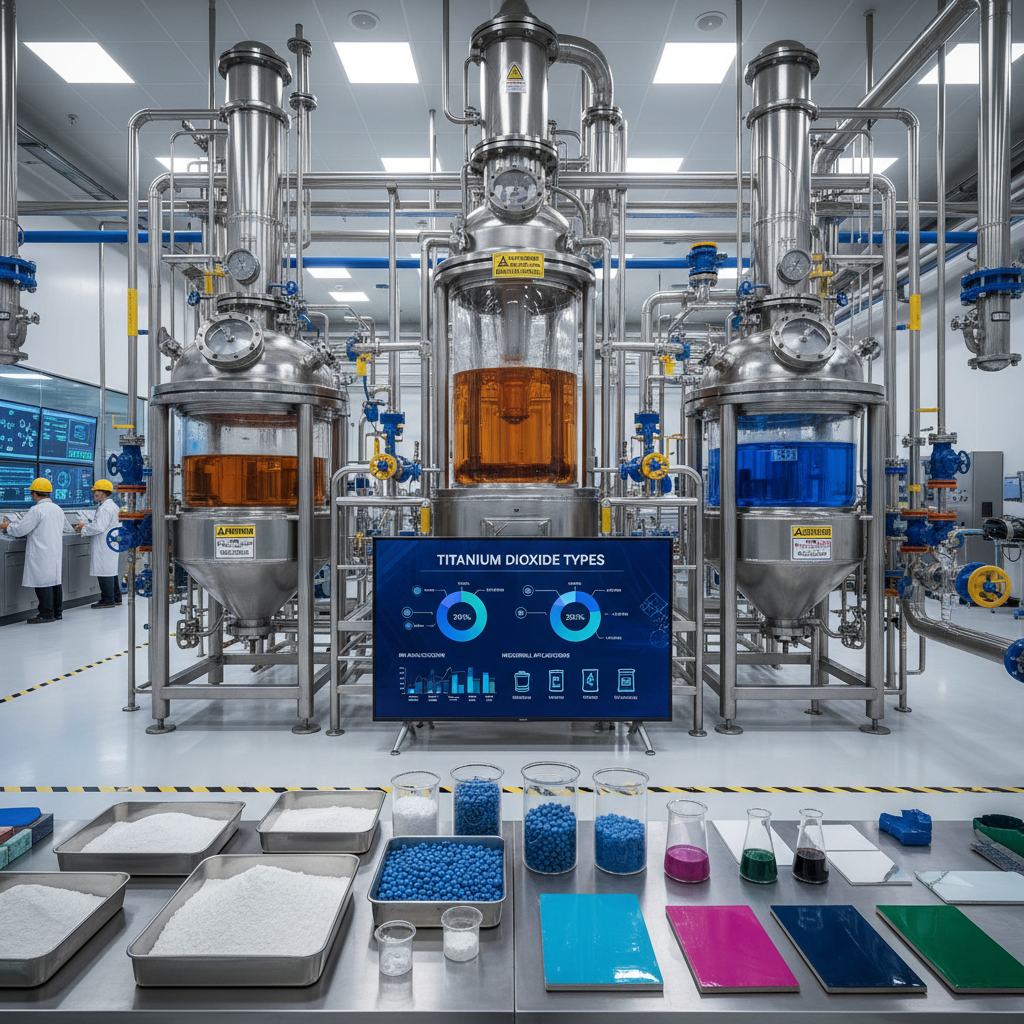
Titanium dioxide, or TiO2 as we call it on site, isn't just some chemical compound; it's the backbone of durability and brightness in a huge number of materials we use daily. From the paint protecting buildings against the elements to the plastics in our tools and even the sunscreen on our skin, TiO2 is quietly working to make things last longer and perform better. Understanding the different tio2 types available and what they’re best suited for is crucial for anyone involved in construction, manufacturing, or even product design. It directly impacts project costs, the lifespan of materials, and ultimately, the quality of the final product.
Globally, the TiO2 market is massive—estimated at over $23 billion in 2023 according to market research reports. The United Nations Industrial Development Organization (UNIDO) recognizes TiO2’s critical role in industries contributing to sustainable development goals, particularly in coatings and plastics for infrastructure. However, increasing environmental regulations regarding the production of TiO2, coupled with supply chain disruptions, present ongoing challenges. Knowing the nuances of different tio2 types helps navigate these complexities and ensures projects stay on track.
Simply put, TiO2 is a white pigment known for its exceptional ability to scatter light, giving it brilliant opacity and brightness. We use it to make things white, but it’s much more than just a colorant. Different tio2 types are created through different manufacturing processes, impacting particle size, shape, and surface treatments. These variations dictate how the TiO2 performs in specific applications—a crucial distinction. It's a bit like choosing the right tool for the job; you wouldn't use a screwdriver to hammer a nail, and you wouldn't use the wrong TiO2 for a critical coating application. It's vital to modern industry as a key component in everything from providing clean water (photocatalytic TiO2) to enhancing the performance of solar cells.
Introduction to tio2 types
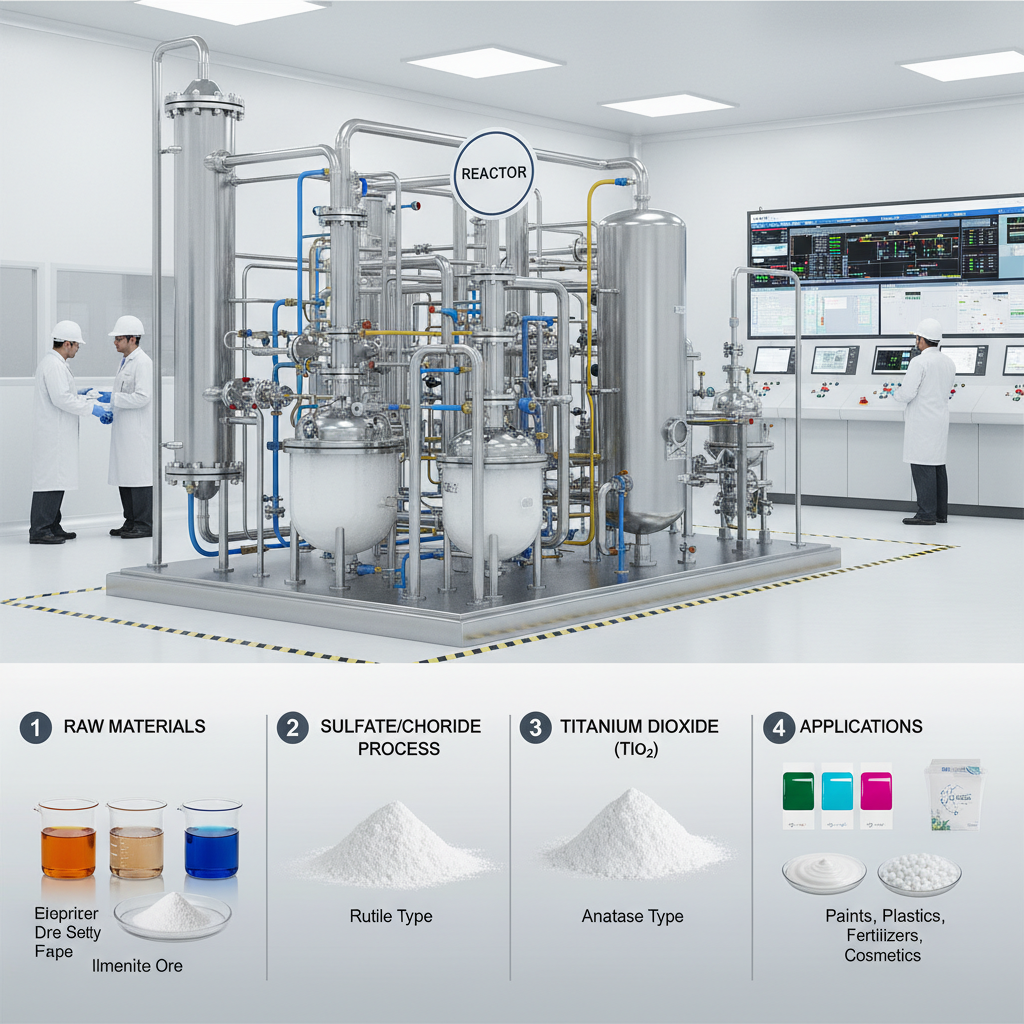
The first thing you learn out on a site is that not all TiO2 is created equal. The two main crystal structures are rutile and anatase. Rutile is the most common and provides superior UV resistance and durability, making it ideal for exterior coatings and plastics. Anatase, while less durable, is more photocatalytically active, meaning it can help break down pollutants – something we’re seeing more of in self-cleaning surfaces and air purification systems. Understanding which form you’re dealing with makes all the difference when spec'ing materials.
Choosing the right TiO2 isn't just about the crystal structure; it's about the whole package. Everything from the raw materials used in production to the manufacturing process itself impacts the final performance. A cheaper grade might save you money upfront, but it could lead to premature fading, chalking, or even material failure down the road. I've seen projects where skimping on the TiO2 cost them a fortune in rework.
Understanding Rutile and Anatase Forms
Rutile TiO2 is known for its exceptional hiding power and weathering resistance, making it the go-to choice for exterior paints, industrial coatings, and plastics exposed to the elements. The larger crystal size provides better light scattering and prevents UV degradation. Anatase, on the other hand, excels in photocatalysis – its ability to accelerate chemical reactions when exposed to light. This makes it invaluable for self-cleaning coatings, air purifiers, and even certain types of concrete that break down pollutants.
The difference between the two isn’t always obvious in a lab report, but it’s critical in the field. A visual inspection alone isn’t enough; you need to understand the technical specifications. Think of it this way: rutile is your workhorse, built for long-term performance, while anatase is your specialist, tackling specific environmental challenges.
We often see blends of rutile and anatase to capitalize on the strengths of both forms. These blended types offer a balanced performance profile, suitable for a wider range of applications where both durability and photocatalytic activity are desired. The specific ratio of rutile to anatase is a key consideration when selecting the right TiO2 for a particular project.
Particle Size and Dispersion
Particle size is a huge factor. Smaller particles generally provide higher transparency and better dispersion, crucial for achieving a smooth, consistent finish. But they can also be more prone to agglomeration – clumping together – which reduces their effectiveness. Achieving optimal dispersion requires careful formulation and often involves the use of dispersing agents. I’ve seen too many batches ruined by poor dispersion.
What I've learned through years of experience is that getting a good dispersion isn’t just about adding a dispersing agent. It’s about the whole mixing process: the order you add ingredients, the speed of the mixer, the duration of mixing—everything matters. You have to understand how the TiO2 interacts with the other components of your formulation.
We’re also seeing more nano-sized TiO2 particles being used, particularly in sunscreen and cosmetics. These provide even better UV protection, but they also raise concerns about potential health and environmental impacts, so it's a balancing act. Proper handling and encapsulation are vital when working with nanomaterials.
Surface Treatments and Coatings
Bare TiO2 particles are reactive and can interact with other components in a formulation, potentially leading to reduced performance or even instability. That's where surface treatments come in. These coatings – typically made of silica, alumina, or organic compounds – modify the surface properties of the TiO2, improving its dispersion, durability, and compatibility.
Different surface treatments are designed for specific applications. For example, silica coatings enhance dispersion and prevent agglomeration, while alumina coatings improve weathering resistance. Organic coatings can provide hydrophobicity – water repellency – which is useful in exterior coatings. Picking the right treatment is essential for optimizing TiO2 performance.
Performance Comparison of Different tio2 types Surface Treatments
Global Applications and Industry Use
You'll find TiO2 in pretty much every industry. The biggest consumer is paint and coatings, followed by plastics, paper, inks, and cosmetics. In construction, it’s vital for exterior paints, roofing materials, and even concrete to improve durability and reflect sunlight, reducing heat buildup.
We see a lot of innovation happening in self-cleaning coatings for building facades, using TiO2's photocatalytic properties. This is especially valuable in urban areas with high levels of air pollution. In remote industrial zones, TiO2-based coatings are extending the lifespan of critical infrastructure exposed to harsh environmental conditions.
Advantages and Long-Term Value of tio2 types
The benefits of using the correct tio2 types are tangible: increased durability, reduced maintenance costs, improved aesthetics, and enhanced performance. From a sustainability perspective, TiO2 can contribute to energy efficiency by reflecting sunlight and reducing the need for air conditioning. It’s a relatively inert material, making it safe for a wide range of applications.
Long-term, choosing quality TiO2 builds trust with clients and ensures the longevity of your projects. A well-protected structure not only looks better but also requires less frequent repairs, saving money and resources over its lifetime. It's about building with confidence, knowing the materials are going to stand the test of time.
Beyond the technical aspects, using the right TiO2 also contributes to safety. Better UV protection in coatings extends the lifespan of materials and reduces the risk of degradation that could lead to structural failures. It's a matter of responsible construction.
Future Trends and Innovation in tio2 types
We’re seeing a lot of research into doping TiO2 with other elements to enhance its photocatalytic activity and broaden its applications. Researchers are also exploring new surface treatments to improve dispersion and compatibility with different matrices. The focus is on creating more efficient, durable, and sustainable TiO2 materials.
The push for green building practices is driving demand for TiO2-based self-cleaning and air-purifying coatings. We're also seeing growing interest in TiO2 for energy applications, such as dye-sensitized solar cells and hydrogen production. Digital transformation and automation in manufacturing are leading to tighter control over TiO2 particle size and morphology, resulting in improved performance and consistency.
There's a lot of buzz around developing TiO2 composites with graphene and other nanomaterials to create advanced coatings with enhanced properties. This is an exciting area with the potential to revolutionize a wide range of industries.
Table Summarizing Key Considerations for tio2 types Selection
| Application Area |
Optimal TiO2 Type |
Key Performance Criteria |
Cost Estimate (per ton) |
| Exterior Architectural Coatings |
Rutile TiO2 |
UV Resistance, Weatherability, Hiding Power |
$2,500 - $4,000 |
| Self-Cleaning Concrete |
Anatase TiO2 |
Photocatalytic Activity, Durability |
$3,000 - $5,000 |
| Plastic Films (Packaging) |
Rutile TiO2 (Fine Particle Size) |
Opacity, Dispersion, UV Protection |
$2,000 - $3,500 |
| Sunscreen Formulations |
Nano-Sized Anatase/Rutile Blend |
UV Absorption, Transparency, Safety |
$4,000 - $6,000 |
| Industrial Coatings (Automotive) |
Rutile TiO2 with Surface Treatment |
Durability, Gloss Retention, Chemical Resistance |
$3,500 - $5,500 |
| Paper Manufacturing |
Rutile TiO2 (Coated) |
Brightness, Opacity, Printability |
$1,800 - $3,000 |
FAQS
Rutile TiO2 is best for applications needing high durability and UV resistance, like exterior paints. Anatase excels in photocatalytic applications, like self-cleaning surfaces. Rutile is more stable, while anatase is more reactive. Think rutile for long-term protection, and anatase for active environmental benefits. The choice depends heavily on the specific project requirements and desired performance characteristics.
Smaller particle sizes offer better transparency and dispersion, crucial for a smooth, even finish. However, they can also clump together. Larger particles provide better hiding power but may reduce gloss. Finding the right balance is key, and often involves using surface treatments to prevent agglomeration and optimize performance. It really affects the film formation and final appearance of the coating.
Surface treatments are coatings applied to TiO2 particles to modify their properties. They improve dispersion, durability, and compatibility with other materials. Silica treatments enhance dispersion, alumina boosts weathering resistance, and organic coatings provide water repellency. Without them, TiO2 can react negatively with the coating matrix and reduce overall performance.
Yes, the production of TiO2 can generate waste and consume significant energy. Also, some concerns exist regarding the potential environmental impact of nano-sized TiO2 particles. Responsible manufacturers are implementing sustainable production practices and developing encapsulation technologies to minimize these risks. Choosing suppliers committed to environmental responsibility is vital.
Proper dispersion requires careful attention to detail. Use a compatible dispersing agent, add the TiO2 slowly while mixing vigorously, and optimize the mixing time and speed. The order of ingredient addition is also critical. It’s not just about throwing everything in and hoping for the best – it's a carefully controlled process. Consider lab testing to verify proper dispersion before large-scale production.
The lifespan varies greatly depending on the TiO2 type, the coating formulation, the environmental conditions, and the application. Rutile TiO2 coatings generally last longer than anatase coatings. Proper surface preparation, a high-quality formulation, and regular maintenance can significantly extend the lifespan. Expect 5-10 years for exterior architectural coatings, and longer for industrial applications.
Conclusion
Understanding the nuances of tio2 types – from crystal structure and particle size to surface treatments – is paramount for anyone involved in the building materials, coatings, or plastics industries. Choosing the right TiO2 isn't just about cost; it’s about long-term performance, durability, and sustainability. It’s about building a better, more resilient future.
Looking ahead, continued innovation in TiO2 technology promises even more exciting possibilities, from self-healing materials to advanced energy solutions. Staying informed about these developments and working with reputable suppliers are key to maximizing the benefits of this versatile material. Visit our website at www.yaguanhpmc.com to learn more about our range of high-quality TiO2 products and how we can help you achieve your project goals.