You know, lately everyone’s talking about prefabrication. It's all the rage. "Modular this, prefab that…" Honestly, it’s good, really good. Less dust on site, faster build times. But have you noticed, a lot of these prefab guys, they're designers, not builders. They design something beautiful on a computer but have never actually held the material. That’s where things get tricky.
I was at a factory in Ningbo last time, they were showing off their new “high-performance” composite panels. Looked great in the showroom. But when I asked about UV resistance, the engineer just blinked at me. UV resistance! The whole thing’s going on a roof! Anyway, I think it’ll be fine… mostly. It's just, you need people who understand what happens when things get wet, get hot, get beat up by the weather.
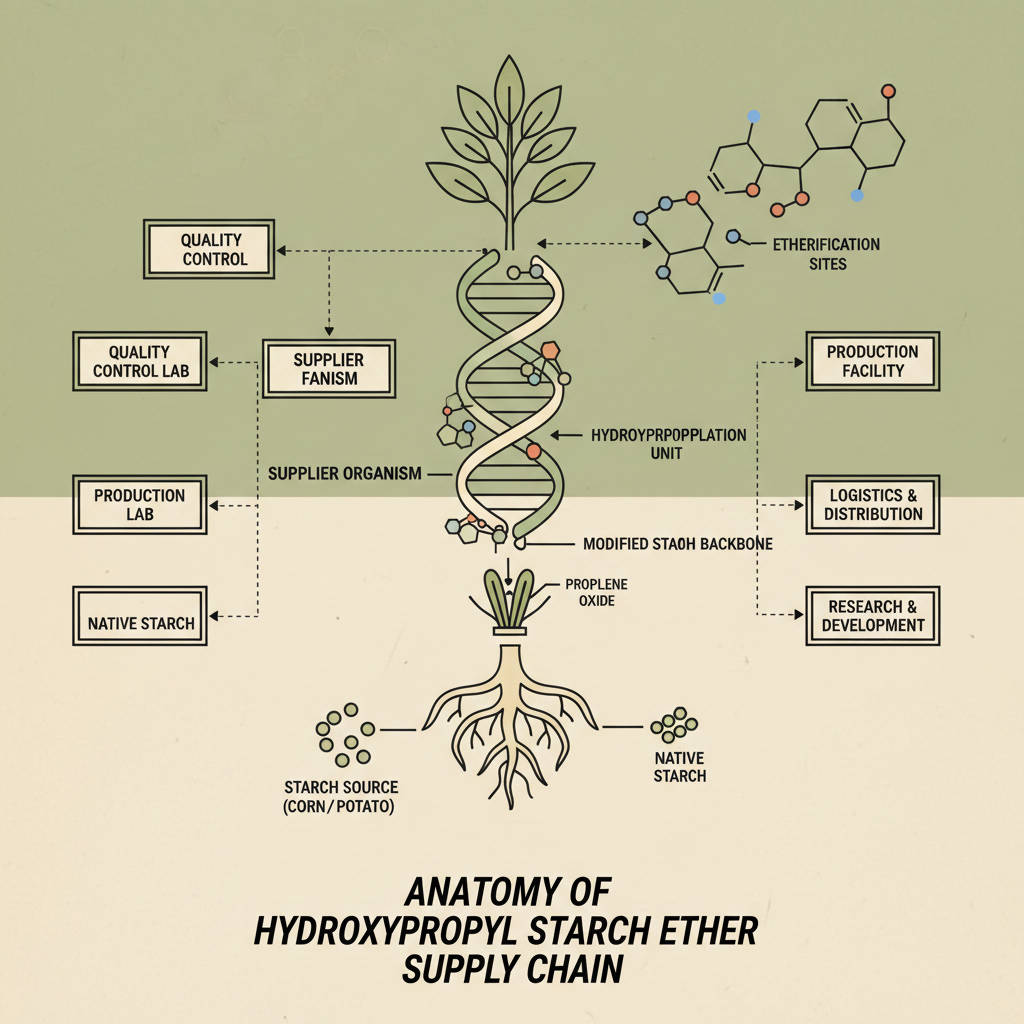
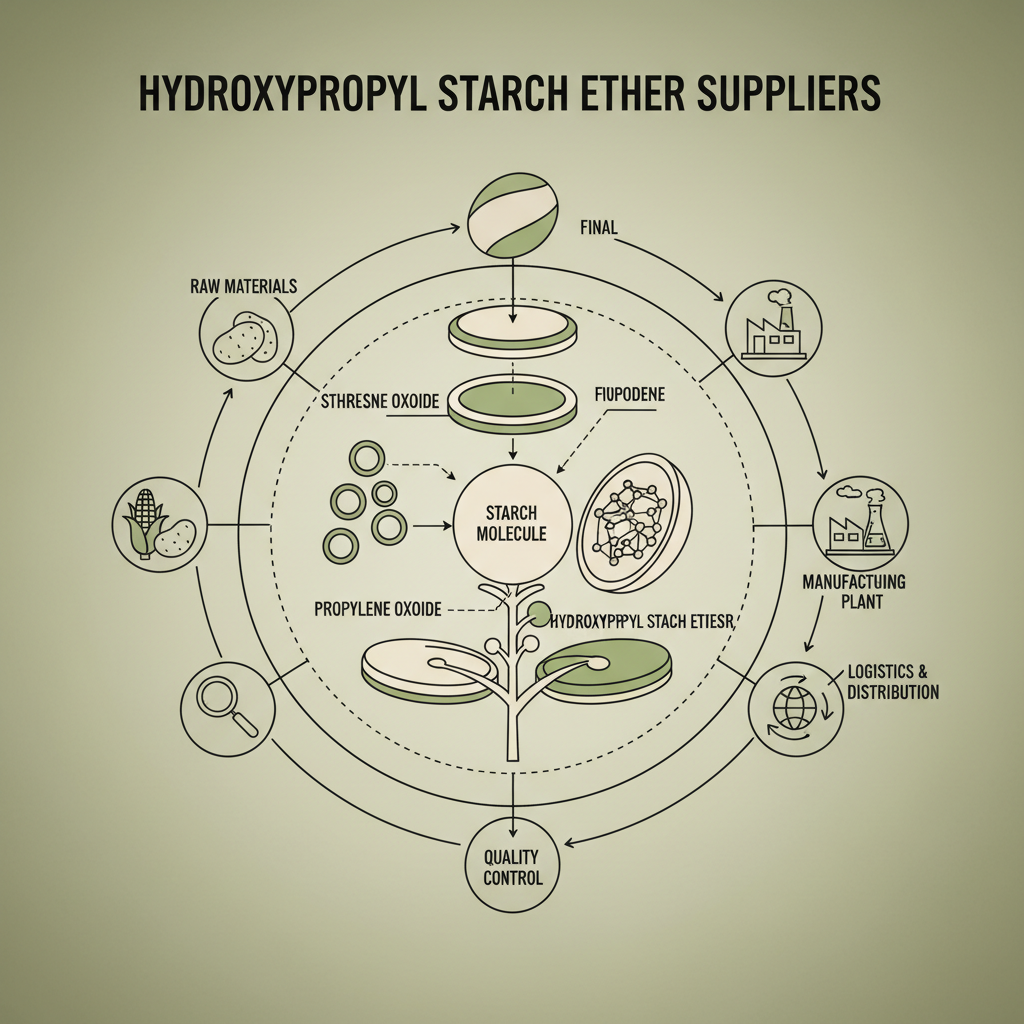
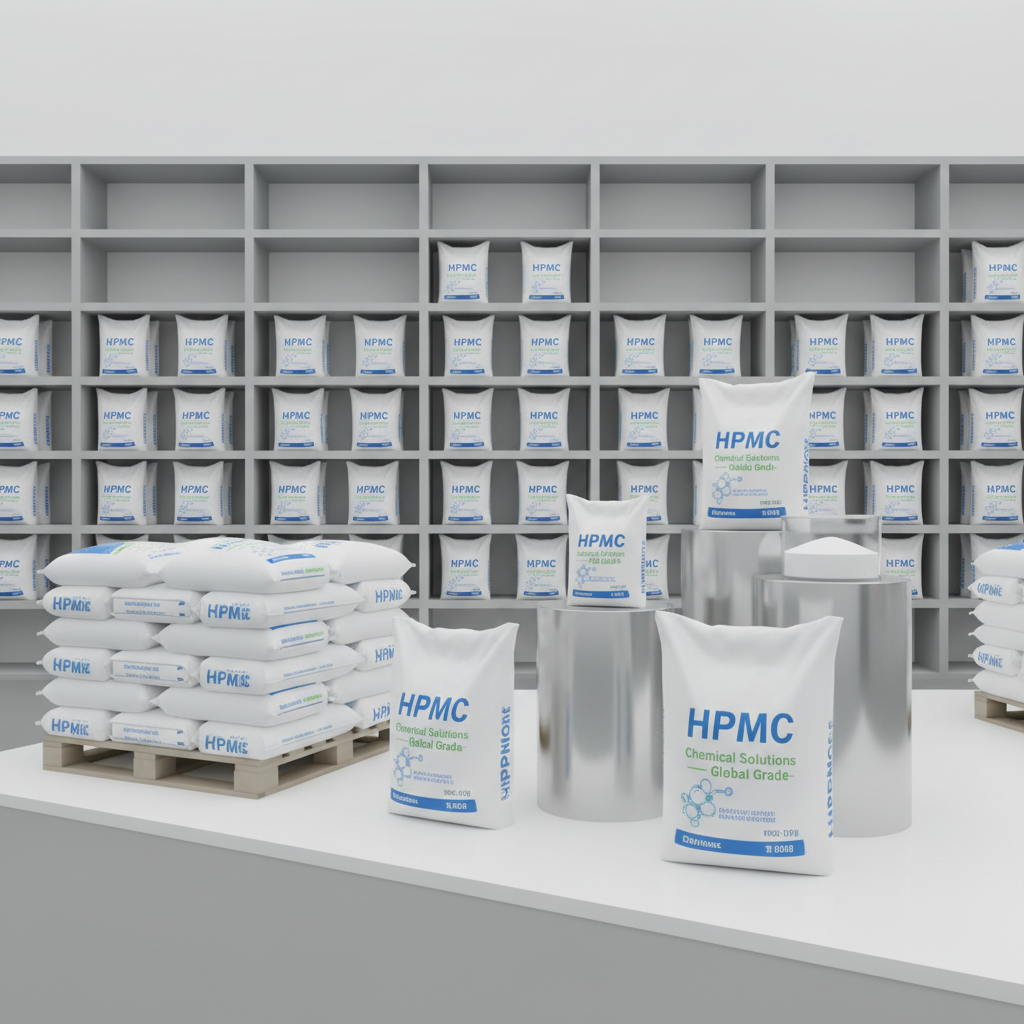
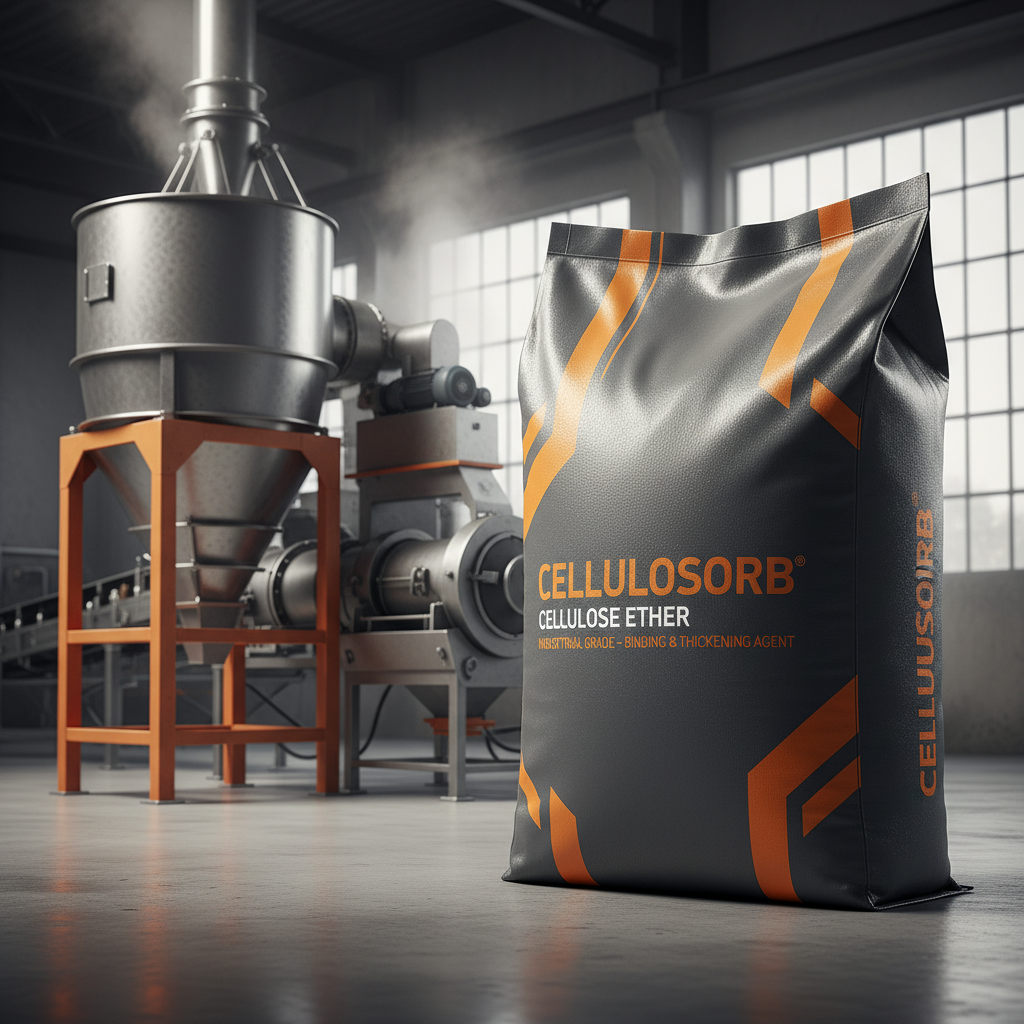
Now, we’re talking about hydroxypropyl starch ether suppliers – specifically, the stuff used in tile adhesives, rendering mixes, even some self-leveling compounds. It’s basically a modified starch, helps with water retention, workability, you name it. Feels kinda… powdery, a little sweet almost, if you get it on your skin. Smells like nothing, thankfully. Don’t want your adhesives smelling like breakfast. It’s shipped in big multi-layer paper bags usually, or sometimes those annoying bulk bags that always get snagged on something.
The Current Trends in Prefabrication and Material Understanding
Strangely enough, a big push right now is towards greener materials. Everyone wants to reduce their carbon footprint, which is great. But sometimes, they forget that “green” doesn’t always mean “performs the same.” You start swapping out tried-and-true components for bio-based alternatives and suddenly your mix isn’t holding water like it used to. That’s where understanding the role of things like hydroxypropyl starch ether suppliers comes in – it’s about finding that balance.
There's a lot of research into improving the consistency of these ethers. Different molecular weights, substitution patterns… it’s all science to me, frankly. What I care about is: does it make the tile stick? Does the render stay on the wall? Does it crack after six months? Those are the questions that keep me up at night.
Design Pitfalls and the Importance of On-Site Experience
To be honest, the biggest issue I see is over-engineering. Architects and engineers, they love to add complexity. “Let’s use a five-layer wall system with integrated insulation and a rainscreen!” Sounds impressive, right? But then you try to build it and it’s a nightmare. You need to consider the skill level of the average construction worker. Are they going to be able to install this thing correctly? Probably not. And that’s when you start getting leaks and structural problems.
It's the little details that kill you. Like, specifying a particular grade of cement that’s only available from one supplier in the entire country. Or designing a facade that requires a custom-made bracket that takes six months to fabricate. You need to keep it simple, keep it practical, keep it buildable. That's rule number one.
And the testing! Lab tests are fine, but they don’t simulate real-world conditions. A sample in a controlled environment isn’t going to experience a torrential downpour, a heatwave, and a careless forklift all in the same week.
Material Properties and Handling of Hydroxypropyl Starch Ether Suppliers
Now, back to the hydroxypropyl starch ether suppliers. It controls the viscosity, basically how thick or thin the mix is. More ether, thicker mix. But too much, and it gets gloopy and hard to work with. Too little, and everything slumps and slides. It’s a balancing act. You need to adjust the dosage based on the type of cement, the aggregate, the ambient temperature… it’s not a one-size-fits-all kind of thing.
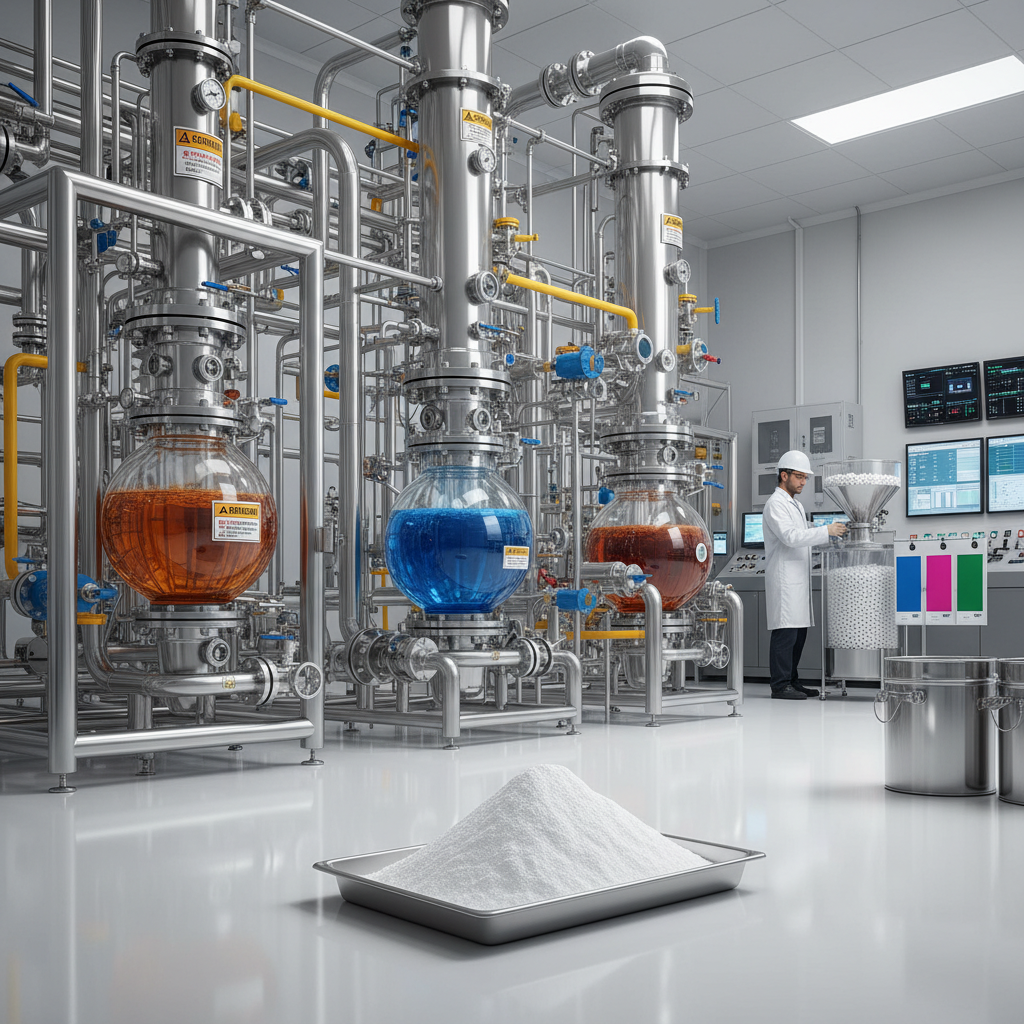
We test it by making up batches of adhesive or render, applying it to test panels, and leaving them out in the elements. We check for adhesion strength, cracking, water absorption, you name it. We also do slump tests – basically, how much the mix spreads out when you pour it. A good mix should hold its shape without being too stiff.
It’s also important to consider storage. These ethers absorb moisture from the air, so you need to keep them sealed in airtight containers. I encountered this at a job site in Guangzhou last year. They’d left a whole pallet of bags open to the elements, and the stuff was like a solid brick. Wasted a whole day trying to salvage it.
Real-World Testing and Performance Assessment
Forget the lab. Real testing happens on site. I've seen fancy polymers fail miserably when faced with a typical monsoon. We generally do accelerated weathering tests – exposing samples to intense UV radiation and temperature cycles. It’s not perfect, but it gives you a rough idea of how things will hold up over time.
We also rely heavily on feedback from the guys on the ground. They’re the ones who are actually working with the materials day in and day out. If they say something’s too difficult to apply, too slow to set, or too prone to cracking, we listen. Because ultimately, their experience is more valuable than any scientific data.
Hydroxypropyl Starch Ether Suppliers Performance Indicators
Actual User Application vs. Expected Use Cases
You design it for one thing, they use it for another. That's the story of my life. I've seen guys using tile adhesive as a gap filler, render as a sealant… it's always something. They find creative solutions, let's put it that way. Sometimes those solutions work, sometimes they don’t.
What I've learned is that you have to design for the lowest common denominator. Assume that someone is going to misuse the product in some way, and make sure it can still perform adequately. Redundancy is your friend.
Advantages, Disadvantages, and Customization Options
Look, hydroxypropyl starch ether suppliers is cheap, effective, and readily available. That's a big plus. It improves workability, enhances adhesion, reduces cracking… it's a good all-around performer. But it's not perfect. It's susceptible to microbial attack, which can cause it to degrade over time. And it can be affected by certain chemicals.
We can customize it to some extent. Adjusting the degree of substitution, for example, can alter its water retention properties. We once had a customer, a small manufacturer of precast concrete, who wanted a modified ether that would allow them to reduce the amount of water in their mix without sacrificing workability. It took some tweaking, but we got there.
A Customer Story: The Interface Debacle
Last month, that small boss in Shenzhen who makes smart home devices – Mr. Li, a real character – insisted on changing the interface to for his new waterproof enclosures. Said it was "the future." We warned him, honestly we did. The existing micro-USB connector was proven, reliable, easy to source. But he wouldn’t listen. " is more elegant!" he said.
So, we modified the design, sourced the new connectors, and started production. And wouldn’t you know it, the connectors started failing after a few weeks. Turns out, they weren’t properly sealed, and water was getting in. He lost a whole batch of enclosures, cost him a fortune.
Anyway, I think he learned his lesson. Sometimes, sticking with what works is the best approach.
A summary table of key hydroxypropyl starch ether suppliers considerations.
| Parameter |
Impact on Performance |
Mitigation Strategies |
On-Site Observational Notes |
| Dosage Rate |
Viscosity, water retention, adhesion |
Adjust based on cement type & ambient conditions |
Mix consistency varies wildly between batches if dosage isn’t consistent. |
| Storage Conditions |
Effectiveness, clumping |
Airtight containers, cool dry place |
Frequently find bags left open on site, leading to unusable material. |
| Water Quality |
Hydration, reactivity |
Use clean, potable water |
Site water often contaminated with impurities affecting set time. |
| Mixing Procedure |
Dispersion, lump formation |
Slow addition, thorough mixing |
Workers often rush the mixing process, resulting in uneven distribution. |
| Ambient Temperature |
Setting time, workability |
Adjust dosage/add retarders/accelerators |
Hot weather drastically reduces workability, leading to rushed application. |
| Compatibility with Additives |
Synergistic/antagonistic effects |
Small-scale testing before full implementation |
Unexpected reactions occur when combining different additives without testing. |
FAQS
Generally, unopened bags of hydroxypropyl starch ether suppliers can last for around 2 years if stored properly – cool, dry, and airtight. However, moisture is its enemy. Once opened, it’s best to use it within a few months. If it gets lumpy or discolored, it’s probably time to toss it. I've seen too many guys trying to use old, solidified material – it just doesn't work.
Temperature plays a big role. In hot weather, the ether can degrade more quickly, reducing its effectiveness. Conversely, in very cold weather, it can be harder to disperse properly. That’s why adjusting the dosage based on ambient temperature is crucial. We also sometimes recommend using a retarder in hot weather to slow down the setting time.
It’s relatively harmless, but it's still a fine powder, so you want to avoid inhaling it. Wear a dust mask, especially when mixing large quantities. It can also be slightly irritating to the skin, so gloves are a good idea. And, of course, always follow the manufacturer’s safety guidelines.
You can try, but it's not always a straightforward swap. Cellulose ethers, for example, can sometimes be used as alternatives, but they have different properties. You'll need to adjust the dosage and potentially other mix components to achieve the same performance. It's usually best to stick with what you know works, unless you're willing to do some extensive testing.
It varies depending on the cement type and the desired properties of the adhesive, but typically it’s around 0.5% to 2% by weight of the cement. Start with the lower end and increase gradually until you achieve the desired workability and adhesion. Always follow the manufacturer’s recommendations, though. A little bit goes a long way!
It's derived from starch, which is a renewable resource, so it’s generally considered more environmentally friendly than some synthetic alternatives. However, the manufacturing process does require energy and resources. And, like any material, it’s important to dispose of it properly. It’s not a perfect solution, but it’s a step in the right direction.
Conclusion
So, there you have it. Hydroxypropyl starch ether suppliers isn't glamorous, but it's essential. It's the quiet workhorse that keeps everything sticking together. It’s a product that, when used correctly, can make a huge difference in the quality and durability of a construction project. It's about understanding the material, knowing its limitations, and respecting the skill of the people who work with it.
Ultimately, whether this thing works or not, the worker will know the moment he tightens the screw. You can run all the tests you want, you can write all the specifications you want, but it all comes down to that one simple act. That's what I've learned after all these years on the job site. If you’d like to learn more about our hydroxypropyl starch ether suppliers and how we can help with your project, visit our website: www.yaguanhpmc.com.