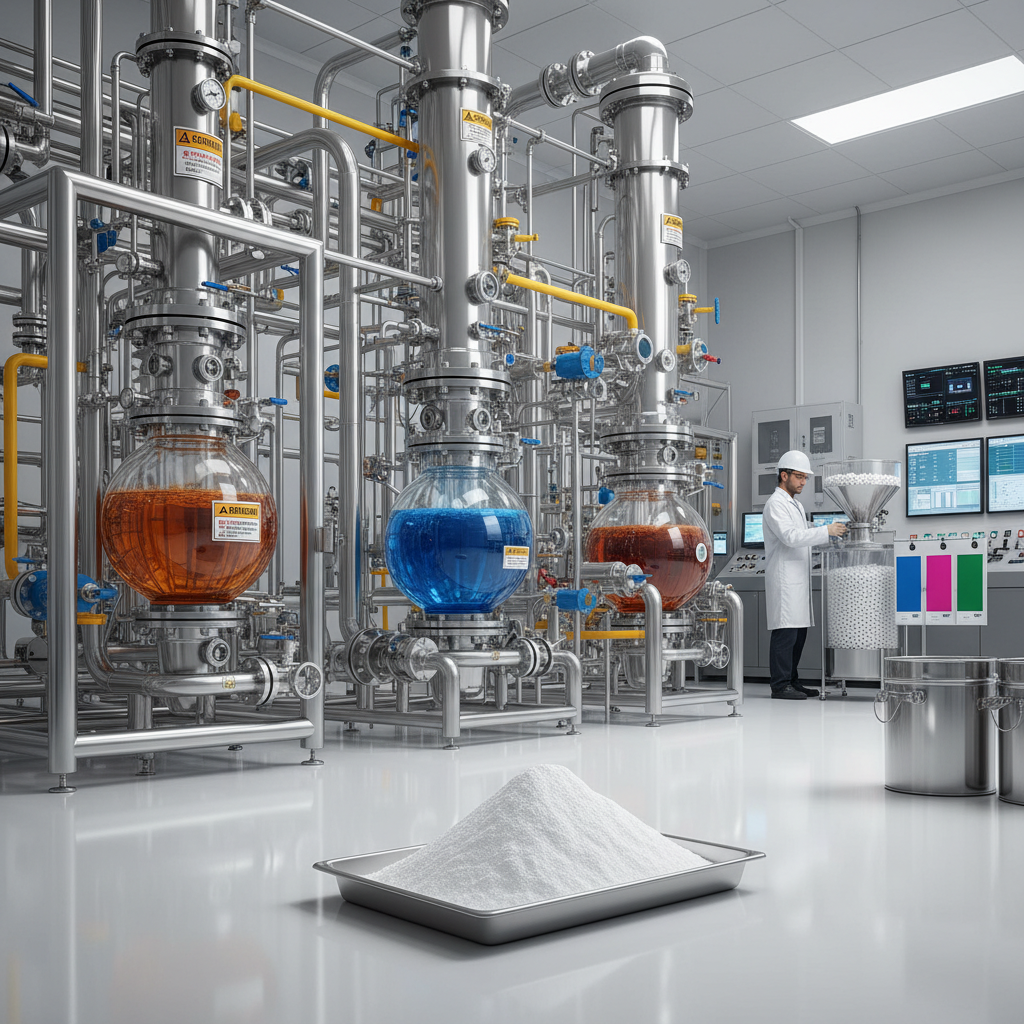
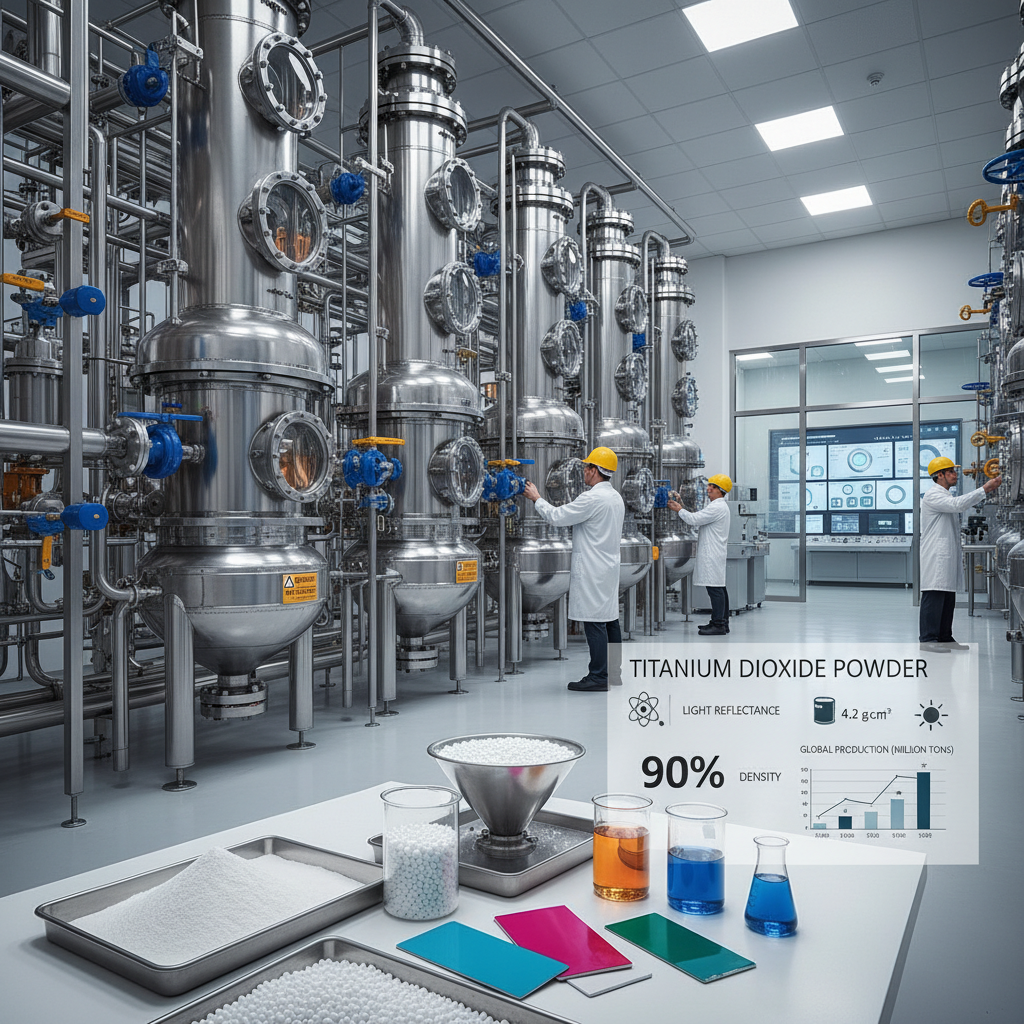
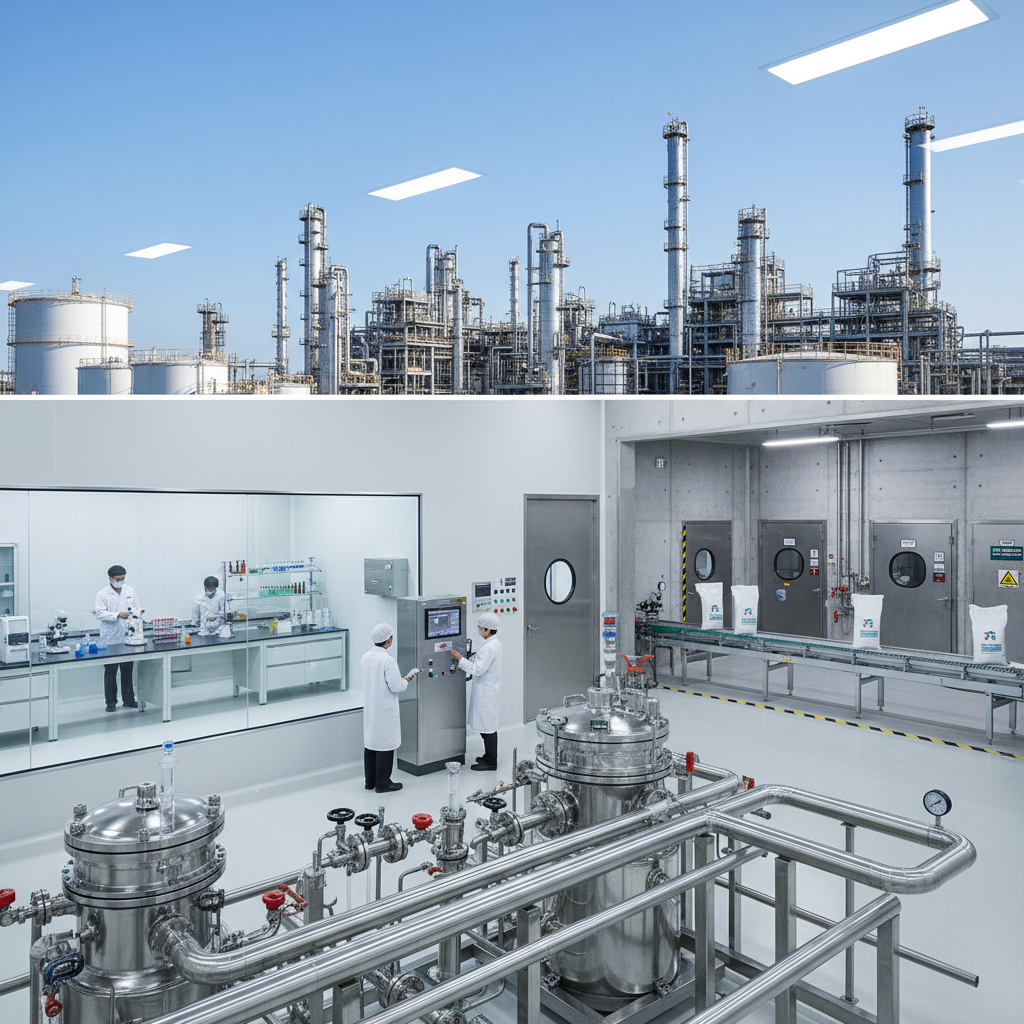
Titanium dioxide powder (TiO2) is a remarkably versatile inorganic compound, pivotal across numerous industries, from paints and plastics to cosmetics and, increasingly, specialized chemical applications. Its exceptional whiteness, opacity, and stability make it an indispensable ingredient in achieving desired properties in a vast range of products. Globally, the demand for titanium dioxide powder continues to rise, driven by infrastructural development, consumer product manufacturing, and innovations in materials science. Understanding its characteristics and applications is crucial for businesses and professionals operating in related fields.
The global titanium dioxide market is a multi-billion dollar industry, with Asia-Pacific representing the largest consumer and producer. Factors like expanding construction sectors in emerging economies, coupled with the growing demand for high-performance coatings, fuel this growth. However, the industry faces challenges related to sustainable production, environmental regulations concerning waste management, and fluctuating raw material costs. Successfully navigating these complexities requires innovation in manufacturing processes and a commitment to responsible sourcing.
The increasing focus on specialized applications of titanium dioxide powder, such as photocatalysis for environmental remediation and its use in advanced materials like solar cells, is shaping the future of the industry. This transition demands a deeper understanding of the material’s properties and tailored solutions to meet specific industry needs.
The Significance of Titanium Dioxide Powder
Titanium dioxide powder stands as a cornerstone material in modern manufacturing, providing crucial functionalities across a spectrum of industries. Its unique ability to scatter light intensely contributes to its widespread use as a pigment, offering unparalleled whiteness and brightness. This property isn't merely aesthetic; it directly impacts the performance and durability of the products it's incorporated into, from protective coatings to everyday plastics.
Beyond its pigmentary role, titanium dioxide powder’s photocatalytic properties are gaining increasing attention. This allows it to act as a catalyst in reactions driven by light, opening doors to applications in air purification, self-cleaning surfaces, and renewable energy technologies. The demand for titanium dioxide powder is therefore not just sustained by existing markets but propelled by evolving technological advancements.
Understanding Titanium Dioxide Powder: A Global Perspective
The global titanium dioxide powder market is substantial, estimated to be worth billions of dollars annually, and shows continued growth potential. North America and Europe have historically been significant consumers, driven by the paint and coatings industries. However, the Asia-Pacific region, particularly China and India, currently dominates both production and demand, fueled by rapid urbanization, infrastructure development, and the expansion of manufacturing sectors.
According to recent reports from the UN and industry analysis firms, the demand for TiO2 is projected to increase steadily in the coming years, with a compound annual growth rate (CAGR) of around 2-3%. This growth isn’t solely driven by volume but also by a shift towards higher-grade, specialized TiO2 products tailored for specific applications. The chemical industry, in particular, is driving this demand for specialized titanium dioxide powder.
A key challenge facing the industry is maintaining sustainable production practices. The conventional chloride and sulfate processes for TiO2 manufacture generate significant waste products, prompting research into alternative, more environmentally friendly production methods. Regulations related to waste disposal and emissions are becoming increasingly stringent, forcing manufacturers to invest in cleaner technologies.
Defining Titanium Dioxide Powder: Properties and Composition
Titanium dioxide powder (TiO2) is an inorganic compound with the chemical formula TiO2. It exists in three crystalline forms – rutile, anatase, and brookite – each possessing unique properties. Rutile is the most stable and commonly used form due to its superior light-scattering ability and refractive index, making it ideal for pigment applications. Anatase, while less stable, exhibits higher photocatalytic activity, making it valuable in specialized applications.
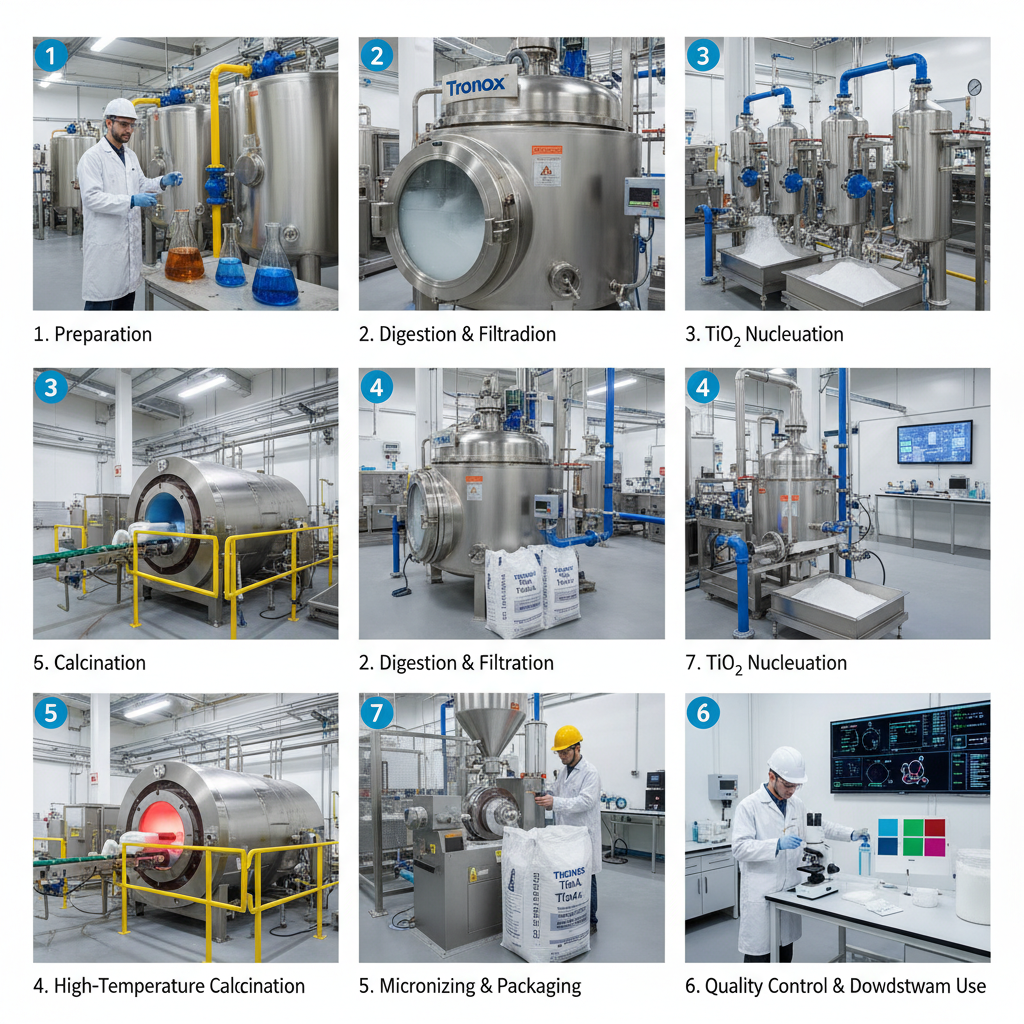
TiO2 is created through either the sulfate or chloride process. The sulfate process, an older method, utilizes ilmenite ore and sulfuric acid. The chloride process uses rutile ore and chlorine gas, generally resulting in a higher-purity product. The resulting powder is then treated with surface coatings, such as alumina, silica, and organic compounds, to enhance its properties like dispersibility, durability, and weather resistance.
Its crucial properties – high refractive index, excellent opacity, chemical inertness, and UV resistance – stem from its unique electronic structure. These characteristics enable its widespread use as a white pigment, UV blocker in sunscreens, and functional additive in various materials. The purity and crystalline form of the titanium dioxide powder significantly influence its final performance.
Key Characteristics Influencing Titanium Dioxide Powder Performance
Several key characteristics dictate the performance of titanium dioxide powder in its various applications. Particle size is paramount; smaller particle sizes generally lead to higher opacity and better dispersion, while larger particles can contribute to improved durability. Surface treatment is also vital, determining the powder’s compatibility with different matrices, its resistance to weathering, and its ability to disperse effectively.
Crystalline form, as previously mentioned, dictates specific functional properties. Rutile offers superior scattering and durability, ideal for paints and plastics. Anatase, with its higher photocatalytic activity, finds use in self-cleaning surfaces and environmental remediation. Understanding these nuances allows manufacturers to select the optimal TiO2 grade for their specific needs.
Titanium Dioxide Powder Performance Characteristics
Diverse Applications of Titanium Dioxide Powder Across Industries
The applications of titanium dioxide powder are remarkably diverse. In the paint and coatings industry, it provides opacity, brightness, and durability to architectural and industrial coatings. In the plastics sector, it enhances whiteness, UV resistance, and mechanical properties. It's also a critical ingredient in cosmetics, functioning as a UV filter in sunscreens and providing opacity in makeup.
Emerging applications include its use in photocatalytic materials for air and water purification, self-cleaning surfaces (like windows and tiles), and as a component in solar cells to enhance light absorption. The pharmaceutical industry utilizes titanium dioxide powder as a pigment and opacifier in medications and supplements. In the food industry, it’s used as a colorant, though regulations vary by country.
Advantages and Long-Term Value Proposition
The advantages of using titanium dioxide powder are multifaceted. Its exceptional whiteness and opacity translate to vibrant and long-lasting colors in paints, plastics, and coatings. Its UV-blocking properties enhance product durability, protecting materials from degradation caused by sunlight. This leads to reduced maintenance costs and extended product lifecycles.
Furthermore, its chemical inertness ensures compatibility with a wide range of formulations and applications. From a sustainability perspective, research into more environmentally friendly production methods and the potential for recycling TiO2 from end-of-life products offer opportunities to reduce its environmental footprint. Investing in high-quality titanium dioxide powder yields long-term value through superior performance, durability, and potential for innovation.
Future Trends and Innovations in Titanium Dioxide Powder Technology
The future of titanium dioxide powder technology is focused on sustainability, performance enhancement, and expanding applications. Research is actively underway to develop more environmentally friendly production processes, reducing waste and minimizing energy consumption. Nanotechnology is playing a key role in tailoring particle size and surface properties for specific applications, optimizing performance and functionality.
The development of core-shell structures, where TiO2 nanoparticles are coated with other materials, offers the potential to enhance photocatalytic activity and improve stability. Integration with other materials, such as graphene and carbon nanotubes, is also being explored to create composite materials with enhanced properties. The increasing focus on circular economy principles will drive research into TiO2 recycling and recovery from waste streams.
Digitalization and AI-driven process optimization will further refine manufacturing processes, enabling greater control over particle size, morphology, and surface chemistry. These advancements promise to unlock new possibilities for titanium dioxide powder in a wide range of emerging technologies.
Summary of Challenges and Solutions in Titanium Dioxide Powder Production and Application
| Challenge |
Impact on TiO2 Quality |
Proposed Solution |
Implementation Timeline |
| Waste Generation from Sulfate Process |
Environmental concerns, increased disposal costs |
Transition to Chloride Process, waste minimization technologies |
Short-term (1-3 years) - gradual shift, long-term (5-10 years) - full adoption |
| Particle Agglomeration |
Reduced dispersion, lower opacity |
Optimized surface treatment, use of dispersants |
Immediate - ongoing process control |
| Raw Material Supply Chain Volatility |
Price fluctuations, supply disruptions |
Diversification of sourcing, strategic partnerships |
Medium-term (3-5 years) - development of alternative sources |
| Stringent Environmental Regulations |
Increased compliance costs, production limitations |
Investment in cleaner technologies, waste recycling programs |
Ongoing - continuous improvement |
| Limited UV Resistance in Specific Applications |
Reduced product lifespan, discoloration |
Enhanced surface coatings, incorporating UV stabilizers |
Short-term (1-2 years) - formulation adjustments |
| Lack of Standardized Recycling Processes |
Waste accumulation, loss of valuable materials |
Development of closed-loop recycling systems, research into recovery methods |
Long-term (5-10 years) - industry-wide collaboration |
FAQS
Rutile and anatase are two crystalline forms of titanium dioxide, differing in structure and properties. Rutile boasts higher refractive index and greater stability, making it ideal for paints and coatings requiring opacity and durability. Anatase, while less stable, exhibits superior photocatalytic activity, preferred for applications like self-cleaning surfaces and air purification. The choice between the two depends heavily on the desired application and performance characteristics.
Particle size is a critical factor influencing the performance of titanium dioxide powder. Smaller particle sizes generally lead to increased opacity, better dispersion, and higher surface area, enhancing its effectiveness as a pigment and photocatalyst. However, extremely small particles can exhibit increased agglomeration. Manufacturers carefully control particle size distribution to optimize properties for specific applications, ensuring consistent performance and quality.
Titanium dioxide powder is generally considered safe for human health when used as directed. However, inhalation of fine particles should be avoided, and appropriate safety measures should be taken during handling. Regulations governing its use in food, cosmetics, and other consumer products vary by country, ensuring consumer safety. The IARC classifies TiO2 as “possibly carcinogenic to humans” based on limited evidence from animal studies, prompting ongoing research and risk assessment.
The traditional sulfate and chloride processes for titanium dioxide production can generate significant waste products, including acidic wastewater and by-products. These by-products require careful management and disposal to minimize environmental impact. Ongoing research focuses on developing more sustainable production methods, such as waste minimization technologies, recycling programs, and alternative raw materials, to reduce the environmental footprint of TiO2 manufacturing.
Surface treatment is a crucial step in TiO2 manufacturing, modifying the powder’s surface characteristics to enhance performance. Common surface treatments include coatings with alumina, silica, organic compounds, and other materials. These coatings improve dispersibility, durability, weather resistance, and compatibility with different matrices. The type of surface treatment is carefully selected based on the intended application, optimizing the TiO2 powder for specific requirements.
Emerging applications of titanium dioxide powder extend far beyond traditional uses. Its photocatalytic properties are being harnessed for air and water purification, self-cleaning surfaces, and renewable energy technologies like solar cells. Nanotechnology is enabling the creation of advanced materials with enhanced functionalities. TiO2 is also being explored for use in biomedical applications, sensors, and advanced catalysts, driving innovation across diverse industries.
Conclusion
Titanium dioxide powder stands as an indispensable material in modern industry, offering a unique combination of properties – exceptional whiteness, opacity, UV resistance, and photocatalytic activity – that underpin a vast range of applications. From paints and plastics to cosmetics and emerging technologies, TiO2’s versatility and performance make it a cornerstone of numerous sectors. Addressing the challenges associated with sustainable production and waste management is crucial to ensuring its continued responsible use.
Looking ahead, continued innovation in manufacturing processes, surface treatments, and nanotechnology will unlock new opportunities for titanium dioxide powder, driving advancements in diverse fields. Exploring circular economy models and developing efficient recycling processes will further enhance its sustainability profile. To learn more about how titanium dioxide powder can benefit your applications, visit our website today.