Formic acid to calcium formate represents a crucial chemical transformation with growing global significance. This process, converting formic acid into calcium formate, isn’t merely a laboratory curiosity; it’s a cornerstone in diverse industrial applications, from animal feed additives and de-icing agents to potential energy storage solutions. Understanding the nuances of this conversion, its efficiency, and its environmental impact is paramount for industries seeking sustainable and cost-effective solutions.
The rising demand for calcium formate stems from its non-corrosive properties and effectiveness in various sectors. Globally, there's a shift towards eco-friendly de-icing solutions, where calcium formate stands out as a superior alternative to traditional chloride-based products. Furthermore, its role in enhancing silage quality in animal feed contributes to improved livestock health and productivity, addressing growing food security concerns.
This conversion process isn't simply about chemical reaction; it's about unlocking new possibilities in material science, sustainable agriculture, and environmental protection. Efficient formic acid to calcium formate production is, therefore, essential to meet these burgeoning demands and contribute to a more sustainable future, driving innovation and economic growth across multiple sectors.
Introduction to formic acid to calcium formate
The conversion of formic acid to calcium formate is a chemical reaction with escalating importance in modern industry. This process involves neutralizing formic acid, a carboxylic acid, with a calcium-containing base, typically calcium hydroxide or calcium carbonate. The resulting calcium formate possesses unique properties, making it valuable in a range of applications.
Understanding the specifics of this conversion – optimal reaction conditions, catalyst usage (if any), and purification methods – is critical for maximizing yield and minimizing environmental impact. The efficiency of the formic acid to calcium formate process significantly impacts the cost-effectiveness of the final product and its suitability for diverse uses.
Global Relevance & Industry Context
Globally, the demand for calcium formate is driven by multiple factors. The environmental regulations surrounding traditional de-icing agents (like chlorides) are becoming stricter, prompting a shift towards eco-friendlier alternatives such as calcium formate. This is particularly prominent in Europe and North America, where environmental awareness is high.
The livestock industry also plays a significant role, with calcium formate increasingly used as a silage preservative, enhancing feed quality and improving animal health. Regions with large agricultural sectors, such as Brazil and China, are experiencing increased demand. The UN's Food and Agriculture Organization (FAO) projects a continued increase in global food demand, further boosting the need for effective silage preservation methods.
Furthermore, growing interest in calcium formate as a potential thermal energy storage material adds another layer to its global relevance. Research initiatives worldwide are exploring its suitability for storing renewable energy, contributing to the transition towards a greener energy future. ISO standards are being developed to ensure the quality and consistency of calcium formate production across different regions.
Defining the Formic Acid to Calcium Formate Conversion
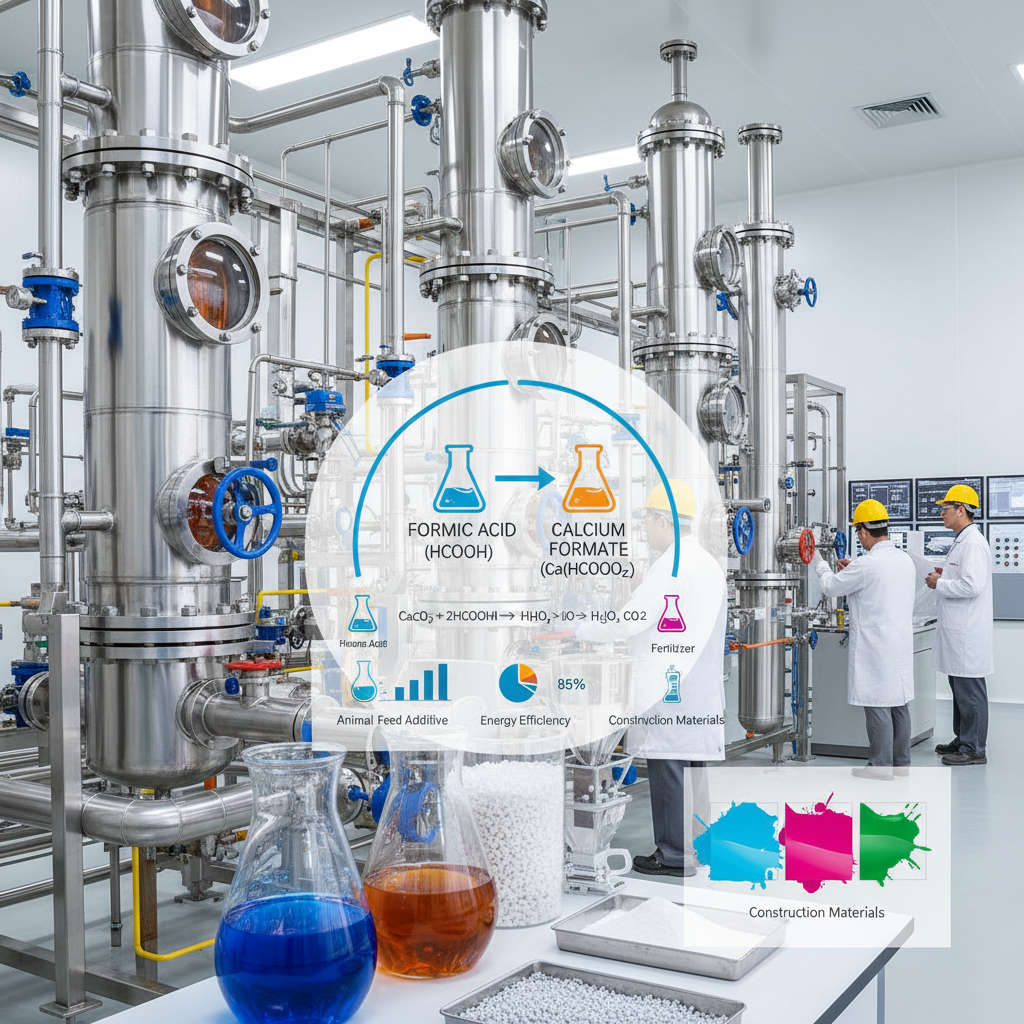
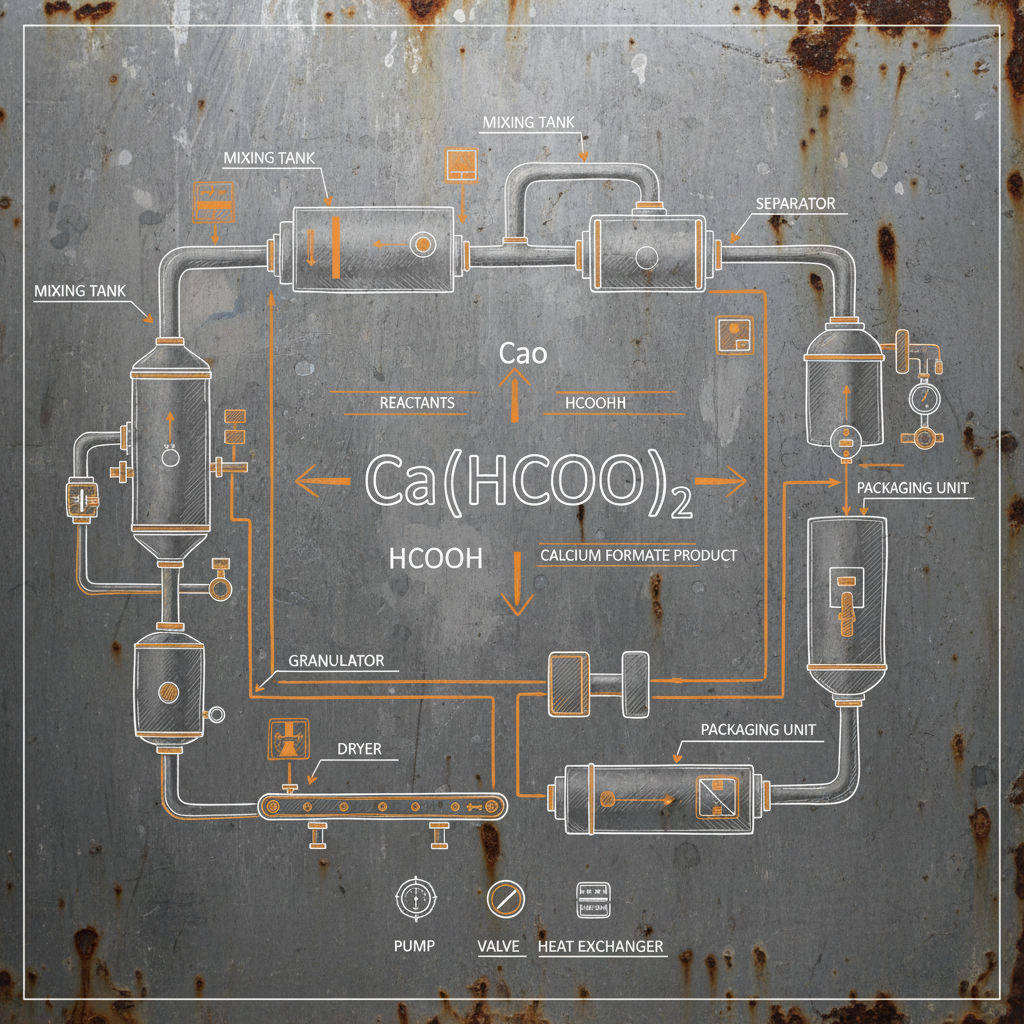
At its core, formic acid to calcium formate is a neutralization reaction. Formic acid (HCOOH), a corrosive liquid, reacts with a calcium base – typically calcium hydroxide [Ca(OH)2] or calcium carbonate (CaCO3) – to produce calcium formate [Ca(HCOO)2] and water (H2O) or carbon dioxide (CO2), depending on the base used. formic acid to calcium formate is driven by the desire for a versatile, environmentally acceptable chemical compound.
This conversion is crucial because calcium formate offers several advantages over formic acid itself. It's a solid, making it easier and safer to handle and transport. It’s significantly less corrosive, expanding its application possibilities. Crucially, calcium formate is biodegradable and possesses a lower environmental impact compared to many alternative compounds used in similar applications.
The efficiency of this conversion is influenced by factors such as temperature, reactant concentrations, and the mixing rate. Optimizing these parameters is vital for maximizing calcium formate yield and minimizing waste. Furthermore, ensuring high-purity reactants is essential to obtain a high-quality calcium formate product suitable for demanding applications.
Key Factors in Formic Acid to Calcium Formate Production
One critical factor is the purity of the formic acid. Impurities can hinder the reaction and contaminate the final product, diminishing its effectiveness in applications like silage preservation. Maintaining high formic acid concentration is also essential for optimizing reaction rates and yields.
The choice of calcium base (hydroxide vs. carbonate) significantly influences the process. Calcium hydroxide leads to a faster reaction rate but requires careful handling due to its caustic nature. Calcium carbonate is safer but reacts slower, potentially requiring longer reaction times or the use of catalysts.
Efficiency Comparison of Formic Acid to Calcium Formate Methods
Global Applications & Use Cases
Calcium formate is widely utilized as a de-icing agent, particularly on airport runways and concrete surfaces, due to its low corrosivity compared to traditional salts. This application is prevalent in colder regions, including North America, Europe, and parts of Asia, where winter weather conditions necessitate effective de-icing solutions.
In the agricultural sector, it serves as a highly effective silage preservative, inhibiting the growth of undesirable bacteria and molds, thus preserving the nutritional value of animal feed. This is particularly critical in regions with extensive livestock farming, such as Brazil, Argentina, and the United States.
Advantages and Long-Term Value
The primary advantage of calcium formate lies in its environmental profile. It's biodegradable and poses a significantly lower risk of corrosion to infrastructure and equipment than chloride-based de-icers. This translates to reduced maintenance costs and a longer lifespan for roads and runways.
Furthermore, its use in animal feed contributes to improved livestock health and productivity, enhancing the efficiency of food production. The long-term value extends to increased sustainability and reduced environmental impact across multiple industries, fostering a positive brand image and contributing to corporate social responsibility goals.
Future Trends and Innovations
Emerging research focuses on leveraging calcium formate as a thermal energy storage material, offering a potential solution for storing renewable energy sources. This could revolutionize energy management and reduce reliance on fossil fuels.
Advances in catalytic processes are also underway, aiming to enhance the efficiency and reduce the cost of formic acid to calcium formate conversion. Digitalization and automation are being integrated into production processes, improving quality control and optimizing resource utilization. Sustainable sourcing of formic acid, utilizing biomass-derived feedstocks, is gaining traction as a key trend.
The integration of green chemistry principles into the production process, minimizing waste and utilizing renewable resources, will further solidify calcium formate’s position as a sustainable chemical building block.
FAQS
Calcium formate boasts significantly lower corrosivity towards metals and concrete, reducing infrastructure damage and maintenance costs. It’s also biodegradable, minimizing its long-term impact on soil and water ecosystems. Unlike chloride-based salts, calcium formate doesn’t contribute to chloride pollution, which can harm aquatic life and contaminate groundwater.
Calcium formate acts as an effective fermentation aid in silage production, inhibiting the growth of undesirable bacteria like clostridia. This results in better preservation of sugars and proteins, leading to higher nutritional value in the silage. For livestock, this translates to improved digestibility, enhanced health, and increased productivity, resulting in better feed conversion ratios.
Traditionally, formic acid was primarily derived from fossil fuels. However, there’s a growing trend towards producing formic acid from renewable biomass sources, such as agricultural residues and wood waste. This shift towards bio-based formic acid significantly reduces the carbon footprint of the entire formic acid to calcium formate production cycle and aligns with sustainability goals.
Calcium formate generally has a long shelf life when stored properly. Typically, it can be stored for several years without significant degradation. However, it should be kept in a cool, dry place, away from direct sunlight and moisture. Exposure to moisture can cause clumping or caking, potentially affecting its usability. Proper storage ensures its quality and effectiveness.
The increasing stringency of environmental regulations regarding de-icing agents, the growing demand for high-quality animal feed, and the emerging applications in thermal energy storage are the primary market drivers. There's also a rising preference for sustainable and biodegradable alternatives to traditional chemicals, further fueling the demand for calcium formate across various industries.
Calcium formate is generally considered safe to handle, but as with any chemical, certain precautions should be taken. It can cause mild irritation to the skin and eyes, so wearing appropriate personal protective equipment (PPE) – gloves and eye protection – is recommended. Inhalation of dust should be avoided, and good ventilation is crucial. Always refer to the Safety Data Sheet (SDS) for detailed safety information.
Conclusion
In summary, the conversion of formic acid to calcium formate is a pivotal process with far-reaching implications across diverse sectors. Its unique properties – low corrosivity, biodegradability, and effectiveness as a silage preservative and de-icing agent – position it as a crucial component in sustainable solutions. The increasing global demand, coupled with ongoing research and innovation, highlights its growing importance.
Looking ahead, the focus should remain on optimizing production efficiency, exploring sustainable feedstock sources for formic acid, and expanding its application in emerging fields like thermal energy storage. Embracing these advancements will solidify calcium formate’s role as a key enabler of a more environmentally responsible and sustainable future.