In the intricate world of specialty chemicals, pure titanium dioxide stands as one of the most critical inorganic pigments, prized for its unmatched opacity and brightness. As industries strive for higher quality standards in coatings, plastics, and paper, the demand for high-purity TiO2 has surged globally, driving innovations in both sulfate and chloride production processes to ensure maximum whiteness and durability.
Understanding the chemical properties and application versatility of pure titanium dioxide is essential for manufacturers who aim to optimize the refractive index and UV resistance of their end products. By integrating this pigment with other construction chemicals like HPMC or RDP, companies can achieve a synergy that enhances both the aesthetic appeal and the structural integrity of architectural materials.
This comprehensive guide explores the technical nuances, global market dynamics, and sustainable future of pure titanium dioxide. Whether you are a procurement specialist or a materials scientist, grasping the balance between purity levels and industrial performance is key to maintaining a competitive edge in today's chemical manufacturing landscape.
Global Market Context of Pure Titanium Dioxide
The global supply chain for pure titanium dioxide is characterized by intense competition and strict regulatory oversight. According to industry data aligned with ISO standards, the demand for high-performance pigments has grown steadily, particularly in the Asia-Pacific region where infrastructure booms necessitate massive quantities of white pigments for architectural coatings.
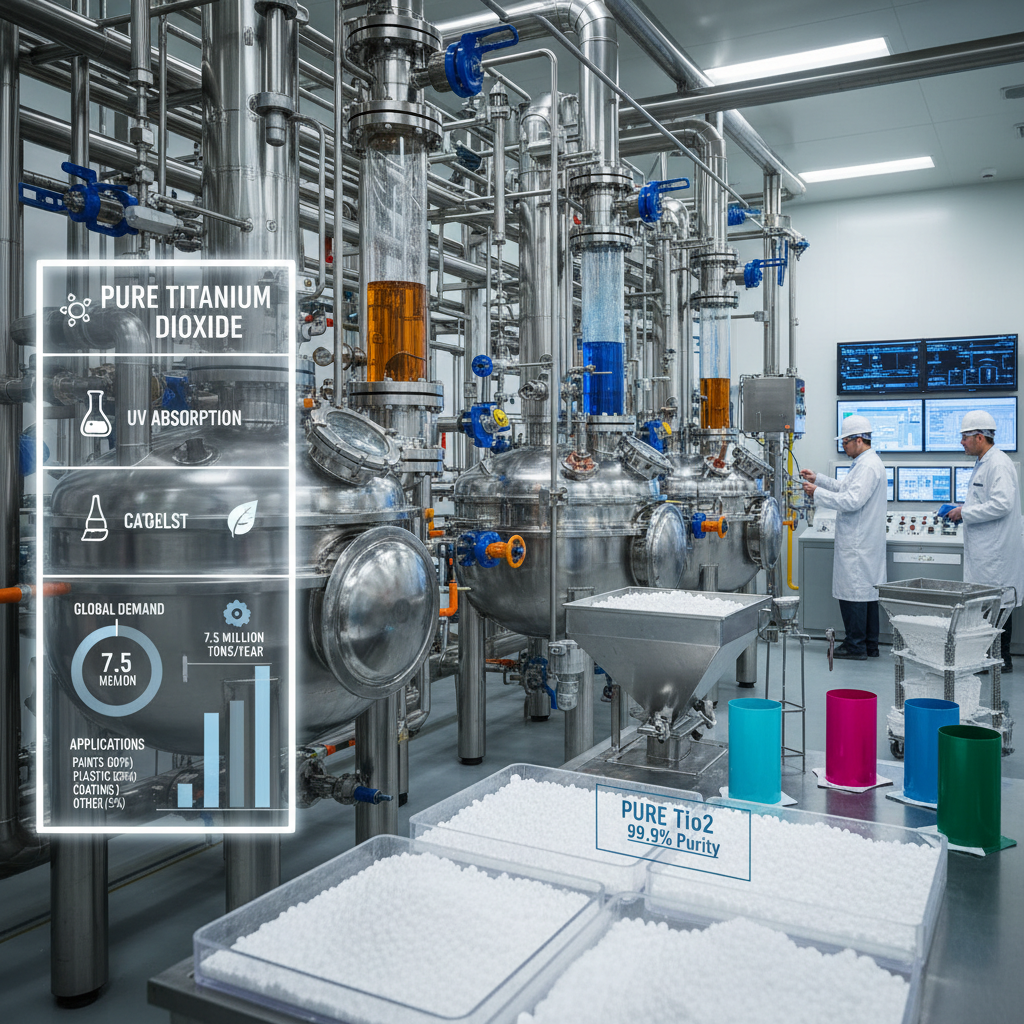
However, the industry faces significant challenges regarding environmental impact, particularly in the management of waste acids from the sulfate process. This has led to a global shift toward the chloride process, which is more energy-efficient and produces higher purity outputs, ensuring that the global transition toward "green chemistry" is maintained without sacrificing product quality.
Defining Pure Titanium Dioxide and Its Industrial Role
In simple terms, pure titanium dioxide (TiO2) is a naturally occurring oxide of titanium, typically produced in two crystalline forms: rutile and anatase. Rutile is generally preferred for industrial applications due to its superior stability and higher refractive index, which allows it to scatter light more effectively than almost any other known pigment.
Beyond its role as a whitener, this compound serves as a critical UV shield. In the plastics and cosmetics industries, the ability of pure titanium dioxide to absorb and scatter ultraviolet radiation prevents the degradation of polymers and protects human skin, making it an indispensable material for modern humanitarian and health-related products.
Its connection to modern industry is profound; without the high-opacity properties of TiO2, the construction of energy-efficient "cool roofs" (which reflect sunlight to reduce urban heat) would be virtually impossible. Thus, it is not merely a pigment but a functional material that contributes to global energy saving and environmental sustainability.
Core Components Influencing TiO2 Performance
The efficiency of pure titanium dioxide is largely determined by its particle size distribution. When particles are engineered to be approximately half the wavelength of visible light, the scattering effect is maximized, leading to the brilliant white color and high hiding power that manufacturers crave.
Surface treatment is another core component of performance. By coating pure titanium dioxide particles with alumina, silica, or zirconia, manufacturers can improve the pigment's dispersibility in liquids and prevent the "chalking" effect caused by photocatalytic activity, thereby extending the lifespan of exterior paints.
Furthermore, the crystalline purity ensures that there are no unwanted trace metals that could cause yellowing over time. High-grade pure titanium dioxide maintains its color stability even under extreme weather conditions, ensuring that architectural facades remain pristine for decades.
Technical Factors in Opacity and Refractive Index
The technical superiority of pure titanium dioxide is rooted in its exceptionally high refractive index (approx. 2.7 for rutile). This property allows the pigment to redirect light rays with extreme efficiency, which is the fundamental mechanism behind its opacity. In practical terms, this means less pigment is required to cover a dark surface, reducing overall material costs for the user.
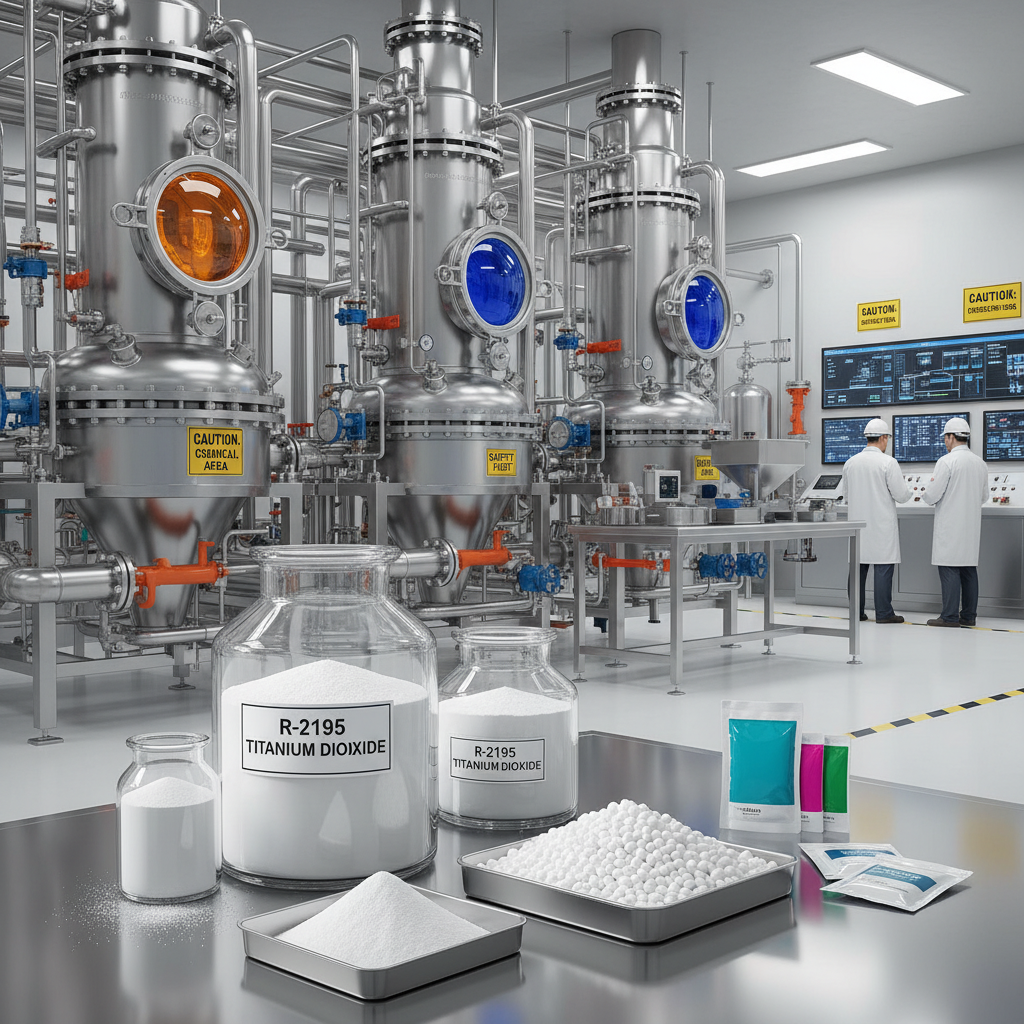
When comparing different production methods, the chloride process typically yields a more consistent particle size, which directly impacts the "brightness" perceived by the human eye. This technical precision is what separates industrial-grade pigments from specialized, high-purity versions used in pharmaceutical or high-end automotive coatings.
Comparison of Performance Metrics for TiO2 Variants
Global Applications and Use Cases
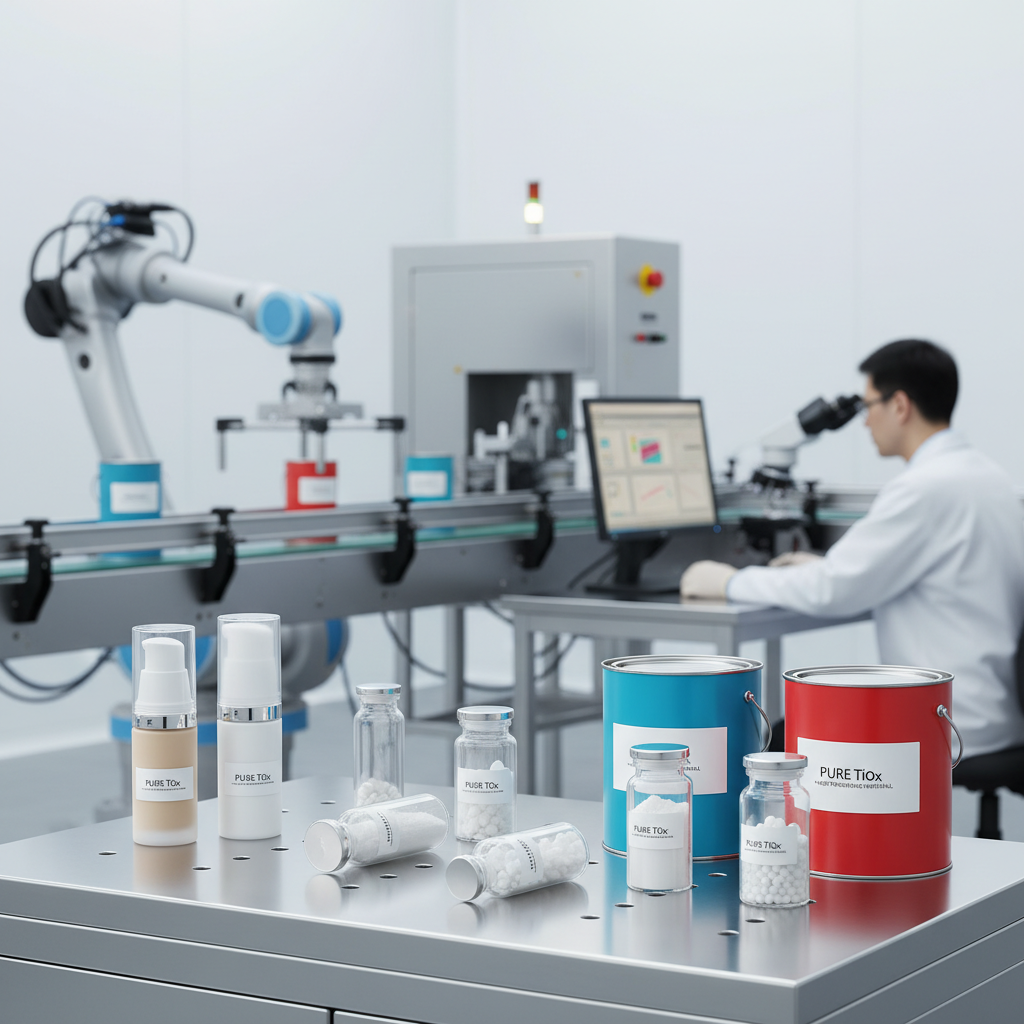
The application of pure titanium dioxide spans across diverse sectors. In the plastics industry, it is used to create opaque, white plastic components for medical devices and household appliances, providing a clean, sterile appearance and preventing the polymer from yellowing under UV exposure.
In more specialized contexts, such as the production of self-cleaning glass or photocatalytic air purifiers, nano-scale pure titanium dioxide is employed. These surfaces can break down organic pollutants when exposed to light, offering a sustainable solution for urban pollution control in densely populated cities like Tokyo or New York.
Long-Term Value and Sustainability Benefits
The long-term value of utilizing high-quality pure titanium dioxide lies in its ability to increase the durability of end products. By protecting substrates from UV-induced degradation, TiO2 reduces the frequency of repainting and replacement, which significantly lowers the lifecycle carbon footprint of buildings and infrastructure.
From an economic perspective, the reliability of pure titanium dioxide ensures consistency in mass production. For manufacturers using HPMC or PCE in their formulations, adding a stable white pigment ensures that the final product meets the strict aesthetic expectations of the international market, thereby fostering trust and brand loyalty.
Moreover, the innovation in "cool pigments" helps in reducing the energy load on air conditioning systems. By reflecting a higher percentage of solar radiation, coatings enriched with pure titanium dioxide contribute directly to the global effort of mitigating the urban heat island effect, blending commercial profit with social responsibility.
Future Trends and Innovations in Pigment Tech
The future of pure titanium dioxide is moving toward "smart pigments" and bio-integrated manufacturing. Research is currently focusing on reducing the energy intensity of the chloride process and exploring the use of recycled titanium sources to create a circular economy within the pigment industry.
Digital transformation is also playing a role, with AI-driven molecular modeling allowing scientists to design the surface coating of pure titanium dioxide particles with atomic precision. This ensures that the pigment interacts perfectly with the resin matrix of a coating, leading to unprecedented levels of weather resistance and gloss.
As global policies shift toward carbon neutrality, we can expect the rise of "green TiO2," produced using renewable energy and zero-waste chemical loops. This transition will not only satisfy regulatory requirements but will also meet the growing consumer demand for eco-friendly architectural and consumer goods.
Analysis of Pure Titanium Dioxide Production and Application Metrics
| Production Method |
Purity Level |
Refractive Index |
Environmental Impact |
| Standard Sulfate |
Medium (95-98%) |
2.61 - 2.70 |
High Waste Acid |
| Premium Chloride |
High (99%+) |
2.73 - 2.75 |
Low Emission |
| Nano-Crystalline |
Ultra-High |
Variable |
Moderate Energy |
| Surface-Treated Rutile |
High |
2.74 |
Low Impact |
| Recycled TiO2 |
Medium-High |
2.68 |
Very Low |
| Anatase Special |
High |
2.52 |
Low Impact |
FAQS
Rutile is the more stable and common form used in exterior paints and plastics because it has a higher refractive index and better resistance to UV degradation. Anatase is typically used in food, pharmaceuticals, and photocatalytic applications due to its higher chemical reactivity and specific light-absorption properties.
It acts as a powerful UV absorber and scatterer. By preventing ultraviolet rays from penetrating deeper into the coating film, it protects the organic binders (like resins) from breaking down, which prevents cracking, peeling, and the loss of gloss over time.
Yes, it is highly compatible. When used in construction materials, TiO2 provides the necessary whiteness and opacity, while HPMC ensures water retention and RDP improves adhesion and flexibility. Together, they create a high-performance, aesthetically pleasing building material.
The chloride process is generally considered more eco-friendly than the sulfate process. It produces fewer waste by-products and typically requires less water and energy to achieve a higher purity level, aligning better with modern sustainable manufacturing goals.
Absolutely. Nano-TiO2 exhibits strong photocatalytic properties. When exposed to UV light, it creates reactive oxygen species that break down organic dirt and pollutants on the surface, which are then easily washed away by rain, resulting in a "self-cleaning" effect.
You should request a Certificate of Analysis (CoA) that specifies the TiO2 percentage, the crystal form (rutile/anatase), and the particle size distribution. Testing for "whiteness" using a spectrophotometer and checking for the absence of trace heavy metals are also critical quality control steps.
Conclusion
In summary, pure titanium dioxide is far more than a simple white pigment; it is a multi-functional chemical agent that provides essential opacity, UV protection, and structural stability across a wide array of industries. From the architectural coatings that protect our cities to the advanced polymers in medical devices, its role in enhancing product longevity and aesthetic quality is irreplaceable. By balancing the technical choice between rutile and anatase forms and optimizing production methods, manufacturers can achieve superior performance while reducing their environmental footprint.
Looking forward, the integration of AI-designed surface treatments and the shift toward circular economy recycling will further elevate the value of this indispensable material. For companies aiming to innovate in the specialty chemicals sector, investing in high-purity TiO2 and combining it with advanced additives like HPMC and PCE will be the catalyst for creating next-generation, sustainable materials. We invite you to explore our full range of high-performance chemical solutions. Visit our website: www.yaguanhpmc.com