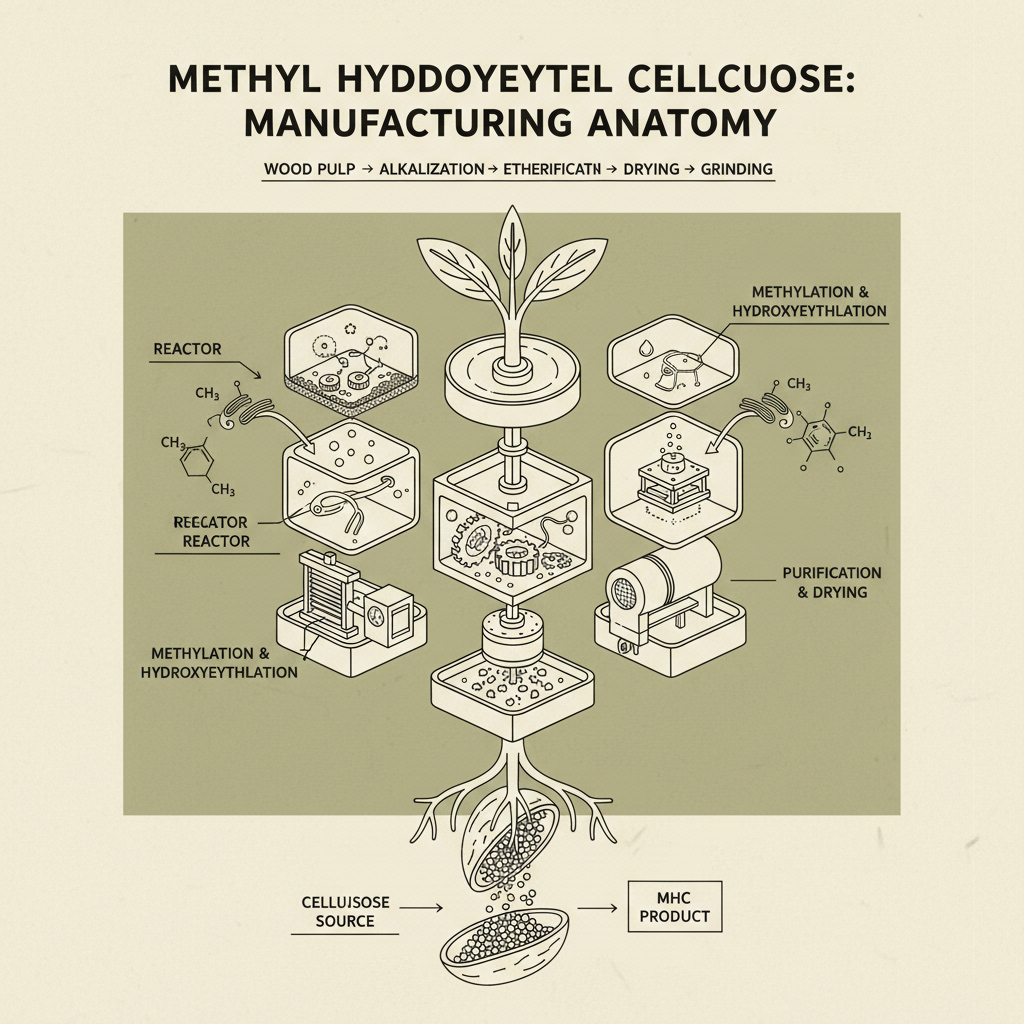
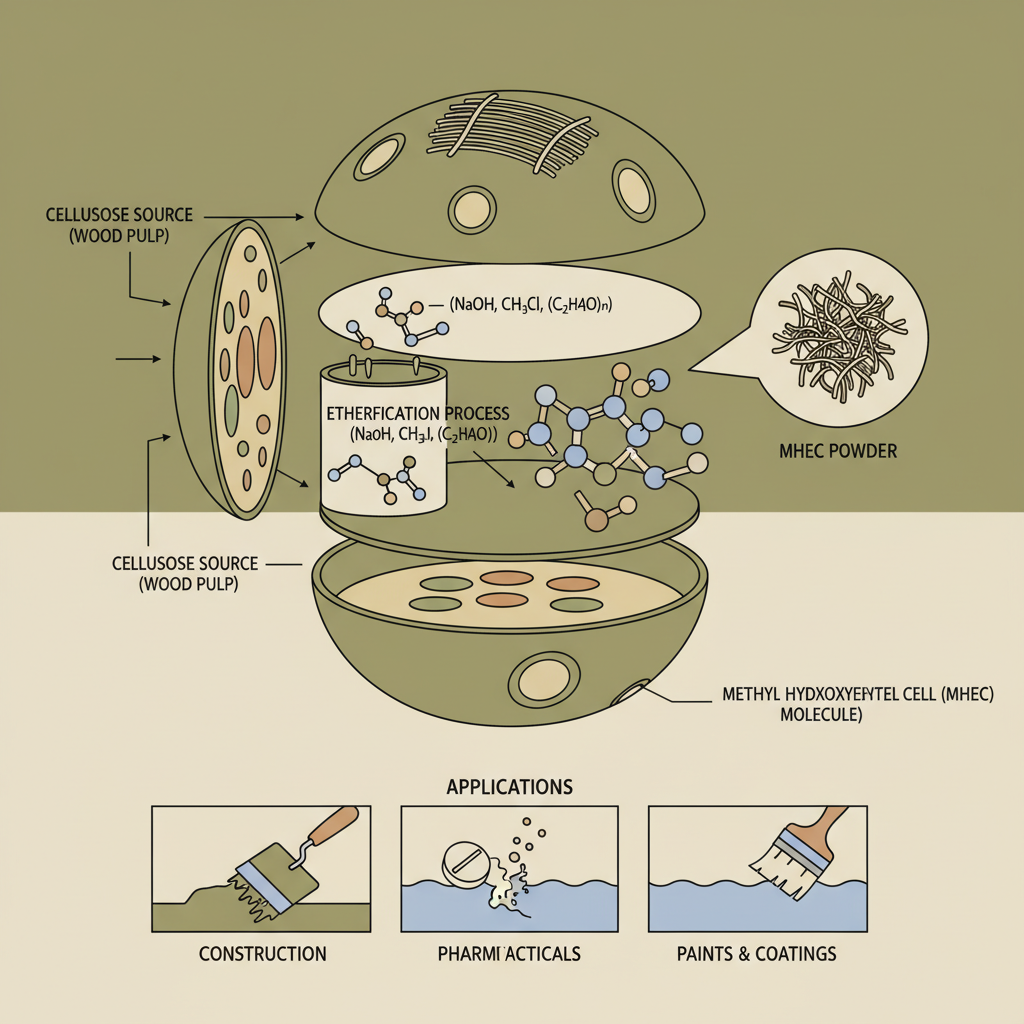
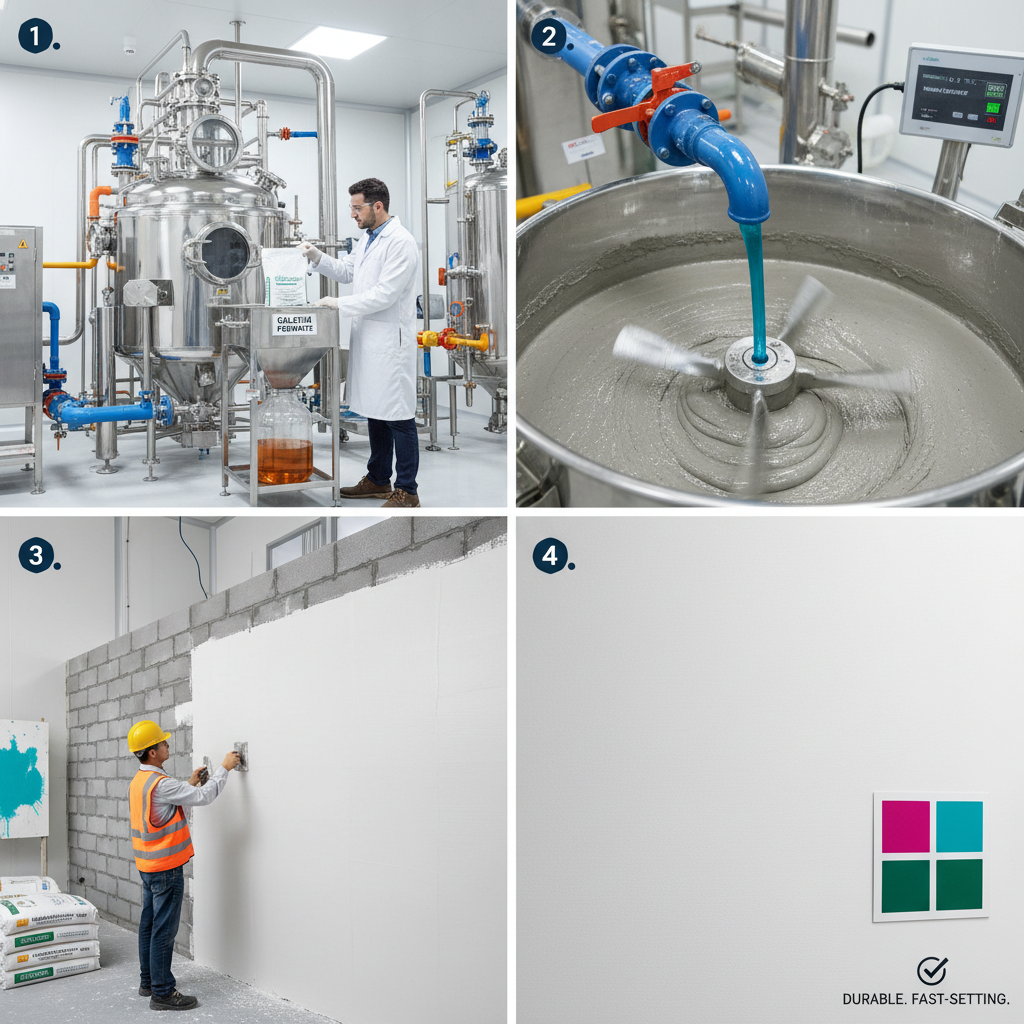
You know, these days everyone’s talking about sustainability, prefabrication, modular stuff. It's all the rage. But to be honest, a lot of it is just buzzwords until you get on a real construction site. I've been seeing a lot more demand for higher-performance cellulose ethers lately, specifically methyl hydroxyethyl cellulose. It’s not new, mind you, we’ve been using it for years in cement-based products and tile adhesives, but the requirements are getting stricter, the expectations higher. It's funny how things come back around, isn't it?
What's really striking is the demand for consistency. Everyone wants the same performance, batch after batch. It sounds simple, but sourcing reliable methyl hydroxyethyl cellulose manufacturers is getting harder. And it's not just about the specs on the datasheet; it’s how it feels when you’re mixing it, the workability, the slump… you learn to tell a good batch just by the way it handles. I've seen too many projects delayed because of inconsistent materials, and believe me, no one wants that on their conscience.
It's a surprisingly complex business, this whole cellulose ether game. People think it's just mixing some powders, but there's so much more to it than that.
The Current Landscape of methyl hydroxyethyl cellulose manufacturers
The market is… crowded, to put it mildly. A lot of manufacturers, especially out of China, popping up. Some are good, some are... not so good. You really need to know who you're dealing with. I encountered a batch from a new supplier last time at that factory in Foshan, smelled off, almost like vinegar. Turns out they were cutting corners on the purification process. Not good. methyl hydroxyethyl cellulose manufacturers are getting sophisticated, but you still need boots on the ground.
What I've noticed is a consolidation trend, the bigger players are buying up the smaller ones. Which, in some ways, is good for quality control. But it also means less competition, and potentially higher prices. It's a delicate balance.
Common Pitfalls in Design & Specification
People get hung up on the theoretical stuff, the molecular weight, the degree of substitution, all that jazz. And that’s important, don’t get me wrong. But they forget the practicalities. For instance, specifying a super-high viscosity grade for a pumped screed – it’ll work in the lab, but you’ll be fighting it all day on site. It'll clog everything. Have you noticed? Always think about how it's going to be used.
Another thing is under-specifying. Trying to save a few pennies by using too little material. It always comes back to haunt you. Cracking, shrinkage, poor adhesion… it’s never worth it. I always tell the engineers, "A little extra now saves a lot of trouble later."
And the biggest mistake? Not considering the other components in the mix. methyl hydroxyethyl cellulose doesn’t exist in a vacuum. It interacts with the cement, the aggregates, the water… everything. It's a system, and you have to treat it as such.
The Materials Themselves: A Hands-On Perspective
The powder itself… it’s deceptively simple. Looks like flour, feels like flour. But it’s not. Good quality methyl hydroxyethyl cellulose is very fine, almost silky. It disperses easily in water, with minimal clumping. Cheap stuff? It's grainy, clumps like crazy, and takes forever to dissolve.
Smell is a surprisingly good indicator, too. Good stuff has a very faint, almost neutral odor. A strong chemical smell usually means something's wrong. I’m not a chemist, but I know what smells right. I learned that from old man Henderson, been mixing concrete for 50 years. He can tell the quality of a batch just by sniffing it.
Handling it on site, dust control is a big issue. It's not toxic or anything, but it's irritating to the lungs. We always make sure the guys wear masks when handling the powder. Strangely, some suppliers pack it in flimsy bags that rip easily. You'd think they'd invest in better packaging, wouldn't you?
Real-World Testing & Performance
Lab tests are fine, but they don’t tell the whole story. We do a lot of our own testing on site. Simple stuff, really. Slump tests, open time tests, adhesion tests. But done under real conditions. Hot sun, cold wind, high humidity… That’s when you really see how a product performs.
One test we do is a ‘stick test’. Mix up a batch of mortar with the methyl hydroxyethyl cellulose, slap it on a brick, and see if it holds. Sounds crude, but it's surprisingly effective. And we look for cracking, shrinkage, efflorescence… all the telltale signs of a bad batch.
Methyl Hydroxyethyl Cellulose Manufacturers Performance Comparison
How Users Actually Employ methyl hydroxyethyl cellulose manufacturers
It's not always what you expect. We supply a lot to tile adhesive manufacturers, of course. But we also sell to companies making skim coats, renders, even some specialized grouts. And surprisingly, a growing amount goes into pre-mixed dry-mix mortars for DIYers. They want convenience, and the methyl hydroxyethyl cellulose gives them that longer open time, better workability.
I saw one contractor, a few years back, using it to stabilize a sand dune. Seriously. They mixed it with water and sprayed it on the dune to prevent erosion. I think it worked, too. It's versatile stuff.
Advantages, Disadvantages, and Customization
Advantages? Improved workability, increased water retention, better adhesion, reduced shrinkage… the list goes on. It makes the product easier to use, more reliable, and ultimately, more durable. Anyway, I think those are good benefits.
Disadvantages? It can be expensive, especially the high-quality stuff. And it can be sensitive to certain contaminants. You have to be careful about water quality, pH levels, things like that. It's not a miracle cure, it requires proper handling.
Customization is definitely possible. We can adjust the viscosity, the particle size, the degree of substitution to meet specific requirements. Last year, a customer wanted a version that was specifically designed for use with a particular type of lime-based plaster. It took some tweaking, but we got there. It’s all about finding the right balance.
A Case Study: The Shenzhen Smart Home Debacle
Last month, that small boss in Shenzhen who makes smart home devices insisted on changing the interface to . Said it was “the future”. He wanted to use our methyl hydroxyethyl cellulose in his new adhesive for mounting sensors to the walls. No problem, right? Wrong. He decided he didn't need any slump-retarding additives. Thought he could get away with just the methyl hydroxyethyl cellulose. He ended up with a mess. The adhesive slumped, the sensors fell off, and he had to recall the whole batch. Cost him a fortune.
He called me up, furious. Said our product was “faulty”. I told him, “Look, the product is fine. You messed up the formulation.” He didn't like that, of course. But that’s the thing. You can have the best materials in the world, but if you don’t understand how they work, you’re going to have problems.
Later… forget it, I won’t mention it.
Summary of Key Factors Influencing methyl hydroxyethyl cellulose manufacturers Selection
| Supplier Reputation |
Viscosity Grade |
Purity Level |
Price Competitiveness |
| Established track record, positive industry reviews |
Matching viscosity to specific application requirements |
Minimizing impurities for consistent performance |
Balancing cost with quality and reliability |
| Consistent quality control processes |
Considering shear-thinning properties |
Ensuring compliance with industry standards |
Evaluating long-term cost of ownership |
| Responsiveness to technical inquiries |
Impact of viscosity on workability |
Avoiding cross-contamination risks |
Analyzing bulk purchase discounts |
| Reliable supply chain and logistics |
Influence of viscosity on adhesion |
Verifying material safety data sheets (MSDS) |
Comparing total cost of implementation |
| Commitment to sustainability practices |
Relationship between viscosity and water retention |
Conducting independent laboratory testing |
Assessing impact on project timelines |
| Willingness to provide customized solutions |
Optimizing viscosity for specific application methods |
Addressing potential environmental concerns |
Considering long-term partnership potential |
FAQS
Honestly, it's chasing the lowest price. They think all cellulose ethers are created equal, and they're wrong. You get what you pay for, and a cheap batch can ruin an entire project. It's not just about the initial cost; it's about the cost of rework, delays, and damaged reputation. A good manufacturer will offer consistent quality and technical support, which is worth paying for.
It’s crucial. The degree of substitution dictates the water solubility and overall performance of the polymer. A higher degree of substitution generally means better water solubility and thicker viscosity. But it also affects other properties, like surface tension and compatibility with other additives. You need to choose a grade that’s appropriate for your specific application. It's not a one-size-fits-all situation.
Always do a small-scale test batch first. Check the slump, open time, adhesion, and shrinkage. Observe how it mixes with your other ingredients. And pay attention to any unusual smells or textures. It’s a little extra work upfront, but it can save you a lot of headaches down the road. I've seen too many projects go sideways because people skipped this step.
Yes, but you need to consider the exposure conditions. UV radiation, temperature fluctuations, and moisture can all affect its performance. You might need to use a higher grade or add UV stabilizers to protect it. It's also important to choose a compatible coating system to prevent degradation. It’s not as simple as slapping it on and hoping for the best.
Ask about their quality control processes. Do they have ISO certification? Do they perform regular batch testing? Do they keep detailed records? And most importantly, do they have a responsive technical team that can answer your questions? A good manufacturer will be transparent about their processes and willing to provide support.
Absolutely. We can tailor the viscosity, particle size, and degree of substitution to meet your specific requirements. We recently worked with a client who needed a very low-viscosity grade for a specialized grout. It required some tweaking of the production process, but we were able to deliver a product that met their exact needs. It’s all about communication and collaboration.
Conclusion
So, yeah, methyl hydroxyethyl cellulose isn't glamorous. It’s a humble powder. But it's a critical component in a lot of what we build. Getting it right – choosing the right manufacturer, understanding the nuances of the material, and testing it thoroughly – can make all the difference between a successful project and a costly disaster. It's about more than just meeting specs; it's about building something that lasts.
Ultimately, whether this thing works or not, the worker will know the moment he tightens the screw. Don't underestimate the importance of experience and good judgment. And if you’re looking for a reliable partner for your next project, visit our website. We're not just selling cellulose ethers; we're providing solutions.