To be honest, things have been… hectic. Everyone’s chasing higher strength, lighter weight, you know the drill. Carbon fiber's still the king, but it’s getting expensive, and honestly, a lot of folks are looking at reinforced polymers. Been seeing a lot of chatter about PVA – polyvinyl alcohol – lately, especially as a binder in cementitious materials. Not exactly a glamorous topic, but trust me, it's making a difference on job sites.
Have you noticed how everything seems to be going modular these days? Prefabricated walls, complete bathroom pods… It’s a logistical nightmare, but also a lifesaver. PVA’s playing a bigger role there, helping with adhesion and workability. It’s a simple thing, really, but it can make or break a schedule.
And the push for sustainability… that's huge. Everyone wants "green" this and "eco-friendly" that. PVA, surprisingly, ticks a few boxes, being water-soluble and biodegradable. It’s not a miracle cure, of course, but it’s a step in the right direction.
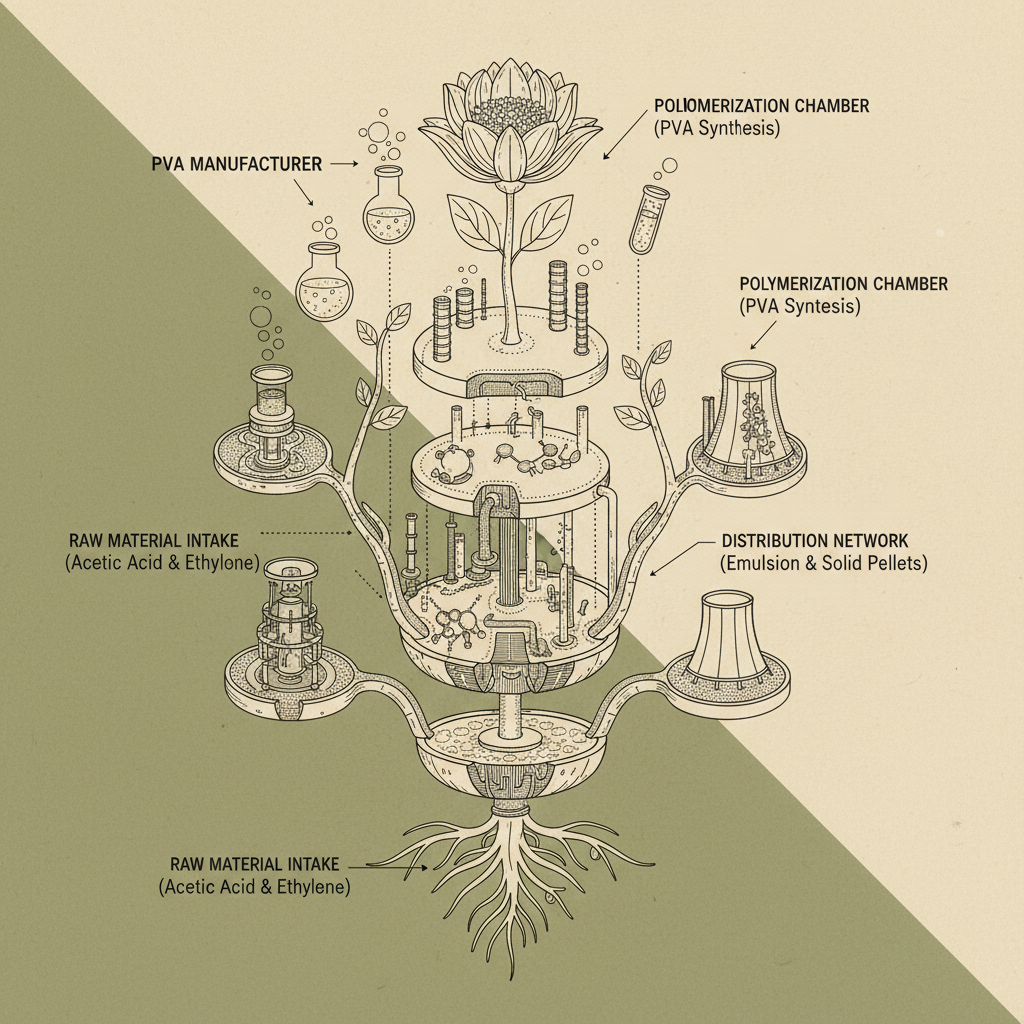
I encountered this at a cement factory in Shandong province last time. They were struggling with cracking in their precast panels. Turns out, the polymer modifier they were using wasn't dispersing properly. Switched to a high-viscosity PVA, and boom, problem solved. It seems simple, but getting the right dispersion is crucial.
It’s funny, you see all this talk about nanotechnology and self-healing concrete, but a lot of the time, it’s the basics that matter. PVA, for instance, isn’t exactly cutting-edge, but it's versatile and affordable. And that counts for a lot when you’re building something that needs to last.
PVA powder should ideally be stored between 10°C and 25°C (50°F and 77°F). Avoid exposing it to extreme temperatures or humidity, as this can cause it to clump or degrade. Keeping it in a sealed container in a cool, dry place is crucial for maintaining its properties and ensuring consistent performance on the job site. A reputable pva manufacturer will always provide detailed storage guidelines.
Generally, higher molecular weight PVA results in stronger adhesive properties. This is because longer polymer chains provide more entanglement and stronger intermolecular forces. However, very high molecular weight can also increase viscosity, making it harder to work with. Finding the right balance is key, and the optimal molecular weight depends on the specific application. You'll want to consult with a specialist pva manufacturer to determine the ideal grade for your needs.
Not necessarily. While PVA generally works well with Portland cement, compatibility can vary with other cement types, such as sulfate-resistant cement or calcium aluminate cement. It's essential to conduct compatibility tests before using PVA with a new cement formulation. Incompatibility can lead to reduced adhesion, increased shrinkage, or other performance issues.
PVA powder can cause respiratory irritation if inhaled. Always wear a dust mask or respirator when handling it. Avoid contact with skin and eyes, and wash thoroughly with water if contact occurs. Keep the powder away from heat, sparks, and open flames, as it is combustible. Refer to the safety data sheet (SDS) provided by the pva manufacturer for detailed safety information.
While PVA offers some water resistance, it's not ideal for long-term exterior applications without additional protection. Prolonged exposure to UV radiation and moisture can cause it to degrade. If used outdoors, consider incorporating a water-resistant coating or using a PVA formulation designed for exterior use. Consultation with a pva manufacturer is recommended for specific outdoor applications.
Fully hydrolyzed PVA has all of its acetate groups removed, resulting in a highly water-soluble polymer. Partially hydrolyzed PVA retains some acetate groups, which reduces its water solubility and enhances its bonding strength and flexibility. The degree of hydrolysis affects the PVA's properties and its suitability for different applications. A skilled pva manufacturer can tailor the hydrolysis level to specific requirements.
Ultimately, PVA might not be the flashiest material out there, but it’s a workhorse. It’s affordable, versatile, and when used correctly, it can significantly improve the performance of a wide range of construction materials. It addresses some key challenges in the industry – improving workability, enhancing adhesion, and reducing cracking – without breaking the bank.
And, honestly, whether this thing works or not, the worker will know the moment he tightens the screw. That’s what matters. If it feels right, if it holds, then it’s good. It's a simple equation, but it's the one that counts on the job site.