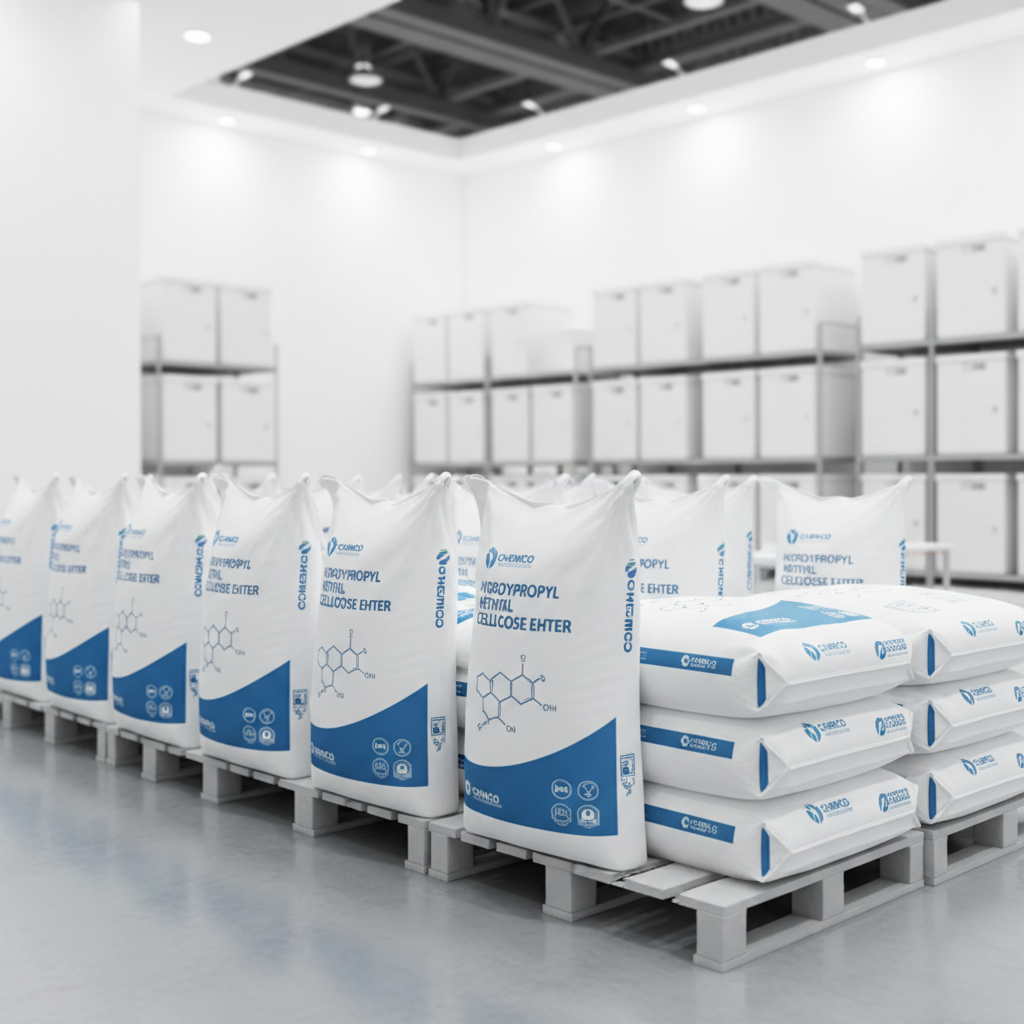
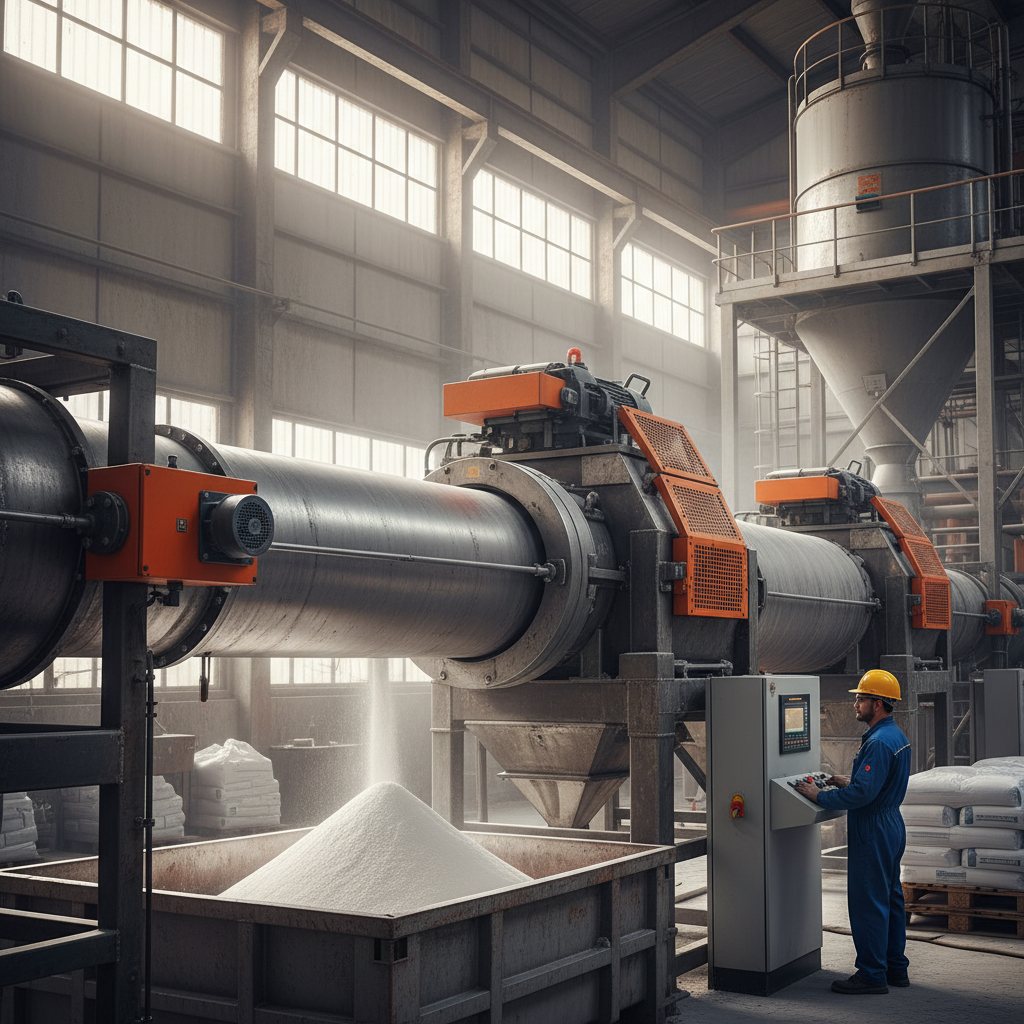
Hydroxypropyl methyl cellulose ether (HPMC) is a versatile polymer finding increasing application across a remarkably broad range of industries. Its unique properties, stemming from its chemical structure and ability to be tailored to specific needs, make it an indispensable component in everything from pharmaceuticals and food to construction and personal care products. Understanding HPMC is crucial for innovators seeking sustainable, high-performance solutions in a world demanding greater efficiency and environmental responsibility.
Globally, the demand for HPMC is experiencing significant growth, driven by expanding construction sectors in emerging economies, a rising awareness of the benefits of modified-release pharmaceutical formulations, and the growing popularity of plant-based food alternatives. According to recent market analysis, the HPMC market is projected to reach substantial figures in the coming years, highlighting its strategic importance in various supply chains. This increase is coupled with a growing need for high-quality, consistently performing HPMC grades.
HPMC addresses critical challenges in numerous sectors. In construction, it improves workability and water retention in cement-based materials. In pharmaceuticals, it controls drug release and enhances stability. In food, it acts as a thickener, stabilizer, and film-forming agent. This wide applicability, combined with its non-toxicity and biocompatibility, solidifies HPMC as a key material for addressing modern industrial and societal needs.
Introduction to Hydroxypropyl Methyl Cellulose Ether
Hydroxypropyl methyl cellulose ether, often abbreviated as HPMC, is a non-ionic cellulose ether derived from cellulose through chemical modification. This modification involves the introduction of methyl and hydroxypropyl groups into the cellulose backbone, altering its physical and chemical properties. The degree of substitution (DS) of these groups controls the characteristics of the final product, allowing for customization tailored to specific applications.
Its versatility stems from its ability to act as a thickener, binder, film-former, protective colloid, and water retention agent. This wide range of functionalities makes it a critical ingredient in diverse sectors, contributing to improved product performance, stability, and processing efficiency. The demand for HPMC is consistently rising, fuelled by innovations and expanding applications across industries.
Global Relevance and Market Trends
The global market for hydroxypropyl methyl cellulose ether is significantly influenced by growth in the construction, pharmaceutical, food, and personal care industries. The Asia-Pacific region, particularly China and India, represents the largest and fastest-growing market due to rapid urbanization and increased construction activities. North America and Europe are also significant consumers, driven by stringent regulatory standards and a demand for high-quality ingredients.
According to recent reports, the global HPMC market was valued at several billion USD and is projected to expand at a robust Compound Annual Growth Rate (CAGR) over the next decade. This growth is fueled by increasing awareness of HPMC’s benefits, such as improved water retention in cement-based products, enhanced drug delivery systems, and the growing demand for plant-based alternatives in the food industry.
A key trend shaping the market is the shift towards sustainable and environmentally friendly materials. HPMC, being derived from cellulose (a renewable resource), aligns well with this trend. Moreover, manufacturers are increasingly focused on developing specialized HPMC grades with tailored properties, catering to niche applications and demanding customer requirements.
Defining Hydroxypropyl Methyl Cellulose Ether
Hydroxypropyl methyl cellulose ether is a synthetic polymer derived from natural cellulose, typically obtained from wood pulp or cotton linters. The cellulose undergoes a series of chemical modifications, including methylation and hydroxypropylation, to introduce methyl and hydroxypropyl groups along the cellulose chain. This process alters the cellulose’s solubility and thermal properties, making it soluble in water and forming solutions with varying viscosities.
The key to understanding HPMC lies in its structure. The degree of substitution (DS) – the average number of substituent groups per anhydroglucose unit – controls the ether's properties. Higher methyl substitution leads to increased water insolubility, while higher hydroxypropyl substitution enhances water solubility and gelation properties. Careful control of DS and molecular weight allows for the creation of HPMC grades optimized for specific applications.
Its connection to modern industry and humanitarian needs is profound. In construction, HPMC is crucial for creating durable and workable building materials. In pharmaceuticals, it’s essential for controlled-release medications, improving patient compliance and treatment efficacy. Furthermore, its use in food production enhances texture, stability, and shelf life, ensuring access to safe and palatable food products.
Key Properties of HPMC
HPMC exhibits a unique combination of properties that make it incredibly versatile. One key aspect is its water solubility, allowing it to easily disperse in water and form clear, viscous solutions. The viscosity of these solutions can be precisely controlled by adjusting the HPMC grade and concentration.
Another critical property is its thermal gelation behavior. HPMC solutions exhibit a unique phenomenon where they become more viscous as they are heated, forming a gel upon cooling. This property is exploited in various applications, including controlled-release drug delivery systems and food stabilization.
Hydroxypropyl Methyl Cellulose Ether Property Ratings
Applications Across Industries
The construction industry utilizes hydroxypropyl methyl cellulose ether extensively in cement-based mortars, tile adhesives, and self-leveling compounds. It improves workability, enhances water retention, prevents cracking, and increases adhesion strength. In the pharmaceutical sector, HPMC is a key excipient in tablet coatings, controlled-release matrices, and ophthalmic solutions, providing precise drug delivery and improved bioavailability.
In the food industry, HPMC serves as a thickener, stabilizer, emulsifier, and film-forming agent in a wide range of products, including sauces, dressings, baked goods, and dairy alternatives. The personal care industry benefits from its use in shampoos, lotions, and creams, where it provides thickening, stabilizing, and film-forming properties.
Advantages and Long-Term Value
HPMC offers significant advantages in terms of cost-effectiveness, sustainability, and performance. Its renewable origin (cellulose) and biodegradable nature contribute to environmental sustainability. The relatively low cost of production compared to synthetic polymers makes it an economically attractive option for various applications.
Beyond cost and sustainability, HPMC provides long-term value through enhanced product stability, improved processing efficiency, and superior performance characteristics. In pharmaceuticals, this translates to improved patient outcomes. In construction, it means longer-lasting, more durable structures. Its versatility and adaptability contribute to innovation and create a reliable foundation for product development.
Future Trends and Innovations in HPMC
Future innovations in HPMC are focused on tailoring its properties for even more specialized applications. Research is underway to develop HPMC grades with improved thermal stability, enhanced water solubility, and increased biocompatibility. The integration of nanotechnology to create HPMC-based nanocomposites with enhanced mechanical and barrier properties is another exciting avenue of exploration.
Furthermore, the demand for bio-based and sustainable materials is driving the development of HPMC production processes that minimize environmental impact. Investments in green chemistry and advanced manufacturing techniques are paving the way for a more sustainable future for HPMC production and application. The convergence of these trends will unlock new opportunities for HPMC in emerging industries and address evolving societal needs.
Analysis of HPMC Grades Based on Application Requirements
| Application Area |
Viscosity Requirement (mPa·s) |
Gelation Temperature (°C) |
Water Retention (%) |
| Pharmaceutical Tablet Coating |
10-30 |
60-70 |
85 |
| Construction Mortar |
40-60 |
N/A |
90 |
| Food Sauce Thickener |
5-20 |
N/A |
70 |
| Personal Care Lotion Stabilizer |
20-40 |
N/A |
80 |
| Controlled Release Drug Delivery |
50-100 |
75-85 |
92 |
| Self-Leveling Flooring Compound |
60-80 |
N/A |
95 |
FAQS
HPMC significantly enhances the performance of construction materials by improving workability, increasing water retention, preventing cracking, and boosting adhesion strength. This leads to more durable, reliable, and easier-to-apply cement-based products like mortars and tile adhesives. The increased water retention allows for proper hydration of the cement, resulting in greater strength development and reduced shrinkage.
HPMC forms a gel matrix when hydrated, which slows down the diffusion of drugs. By controlling the viscosity and gelation temperature of the HPMC solution, pharmaceutical scientists can tailor the release rate of medications, providing sustained release over an extended period. This improves patient compliance and therapeutic efficacy by reducing the frequency of dosing.
Yes, HPMC is considered safe for use in a wide range of applications, including food and pharmaceuticals. It is non-toxic, biocompatible, and generally recognized as safe (GRAS) by regulatory agencies. Furthermore, HPMC is derived from cellulose, a renewable resource, and is biodegradable, making it an environmentally responsible choice compared to many synthetic polymers.
Several factors impact HPMC solution viscosity, including the grade of HPMC (molecular weight and degree of substitution), the concentration of HPMC, the temperature, and the pH of the solution. Higher molecular weight HPMC and higher concentrations generally result in higher viscosity. Temperature inversely affects viscosity, while pH can influence the hydration and dissolution of HPMC.
Absolutely. As a cellulose-based material, HPMC is plant-derived and suitable for vegan and vegetarian food products. It serves as an excellent thickener, stabilizer, and film-former in various plant-based alternatives to dairy, meat, and other animal products, improving texture and shelf life without compromising dietary preferences.
While both HPMC and MC are cellulose ethers, they differ in their chemical modification and resulting properties. HPMC contains both methyl and hydroxypropyl groups, providing greater water solubility, improved thermal gelation, and better film-forming characteristics compared to MC. MC is more susceptible to temperature-induced precipitation, limiting its applications in certain formulations.
Conclusion
Hydroxypropyl methyl cellulose ether stands as a remarkably versatile polymer with a pervasive influence across a wide spectrum of industries. From enhancing the durability of construction materials and enabling controlled drug release to improving the texture and stability of food products, HPMC offers a unique combination of properties that address critical challenges and drive innovation. Its renewable origin, biocompatibility, and cost-effectiveness further solidify its position as a crucial component in a sustainable future.
Looking ahead, continued research and development efforts are poised to unlock even more specialized applications for HPMC. By tailoring its properties through advanced manufacturing techniques and exploring novel formulations, HPMC will undoubtedly continue to play a vital role in shaping a more efficient, sustainable, and technologically advanced world. To learn more about our extensive range of HPMC products and their applications, visit our website: www.yaguanhpmc.com