The integration of iron oxide titanium dioxide blends represents a critical intersection of pigment chemistry and functional material science, providing essential coloration and opacity for the global construction and coatings industries. Understanding the synergy between these two inorganic oxides allows manufacturers to achieve precise aesthetic control while maintaining the structural integrity of materials like mortars, paints, and specialty polymers.
Across the global supply chain, the demand for high-performance pigments is shifting toward sustainable and durable solutions. By leveraging the unique refractive index of titanium dioxide and the diverse color spectrum of iron oxides, industrial formulators can create products that resist UV degradation and weathering, which is essential for infrastructure longevity in extreme climates.
For professionals working with HPMC, PCE, and RDP, the interaction between iron oxide titanium dioxide and these additives determines the final workability and appearance of the dry-mix mortar. Mastering this balance is not merely about color, but about ensuring that the chemical stability of the additive system is not compromised by the introduction of mineral pigments.
Global Industry Relevance of Iron Oxide Titanium Dioxide
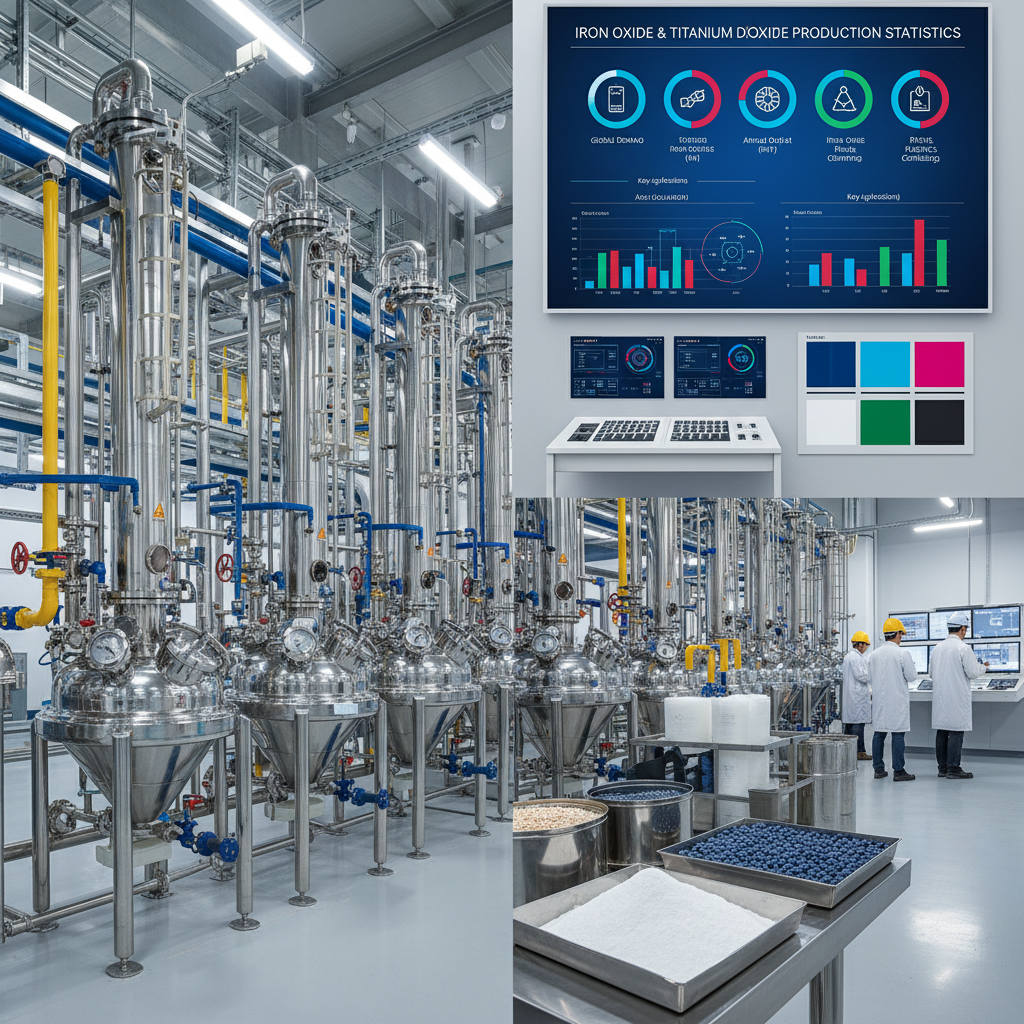
The global market for iron oxide titanium dioxide components is driven by the rapid urbanization of emerging economies. According to data reflecting ISO standards for construction materials, the demand for UV-stable, weather-resistant pigments has increased significantly as cities expand in tropical and arid regions. The primary challenge remains the achievement of "color consistency" across massive production batches, where even a slight deviation in the oxide ratio can lead to visible streaks in concrete or coatings.
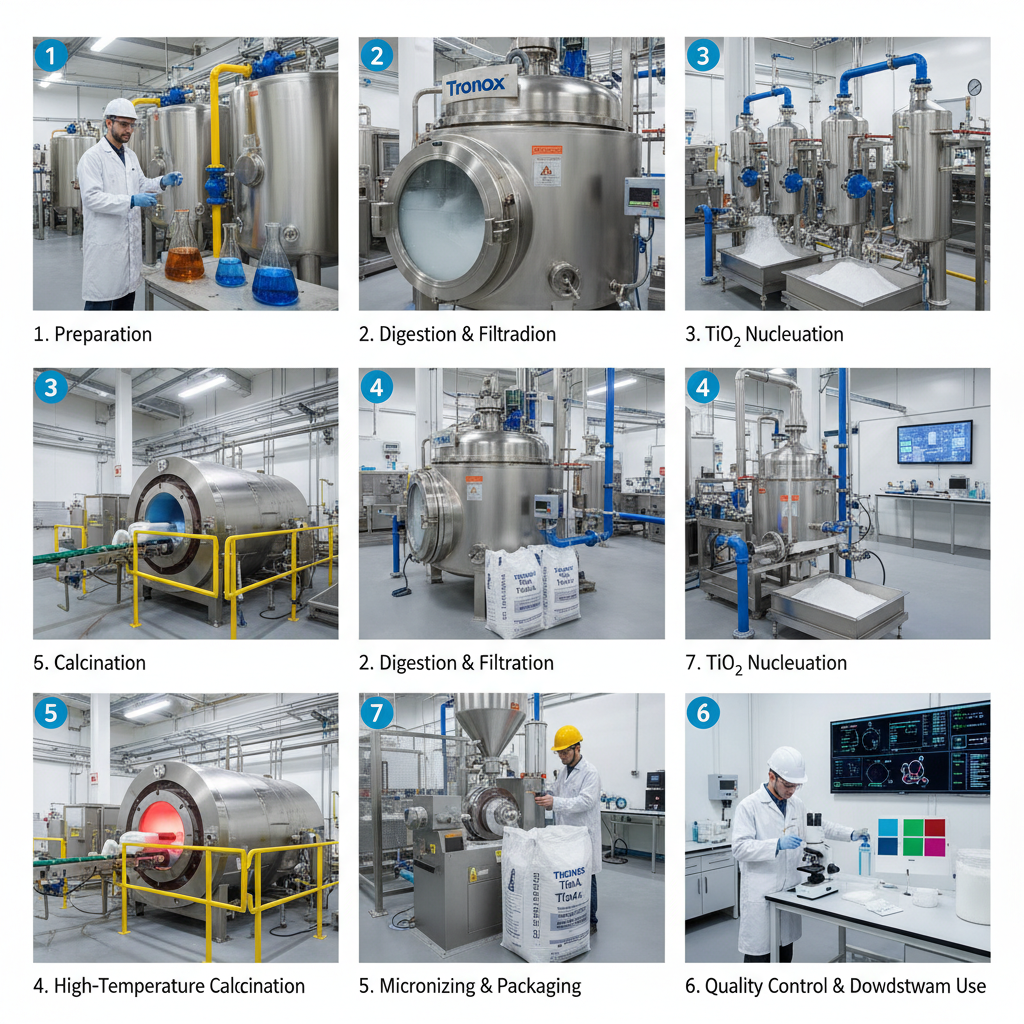
In the context of the chemical manufacturing sector, these pigments are no longer seen as mere additives but as functional ingredients. The shift toward "green building" certifications means that the purity and low-VOC (Volatile Organic Compound) nature of these oxides are now scrutinized by regulatory bodies globally. This has pushed manufacturers to refine the synthesis process to reduce heavy metal contamination.
Defining Iron Oxide Titanium Dioxide in Modern Chemistry
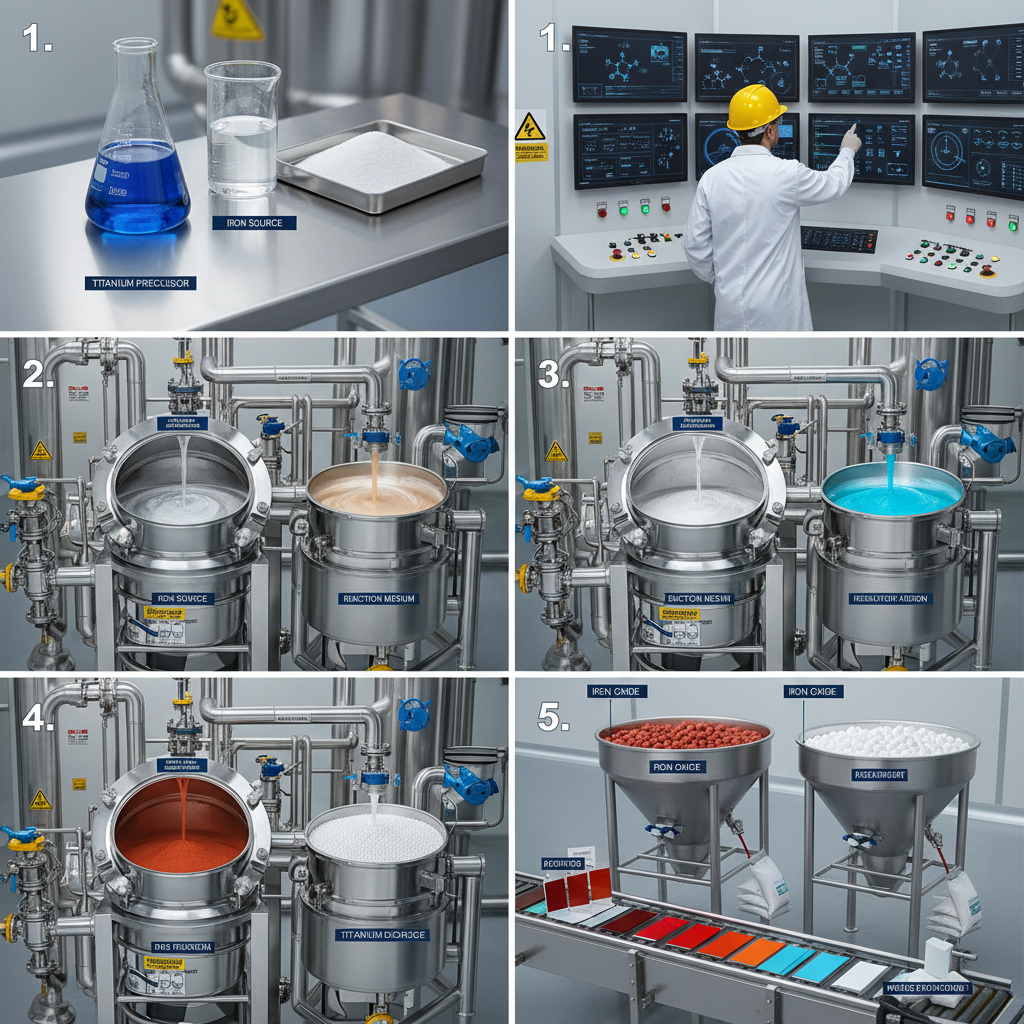
In simple terms, iron oxide titanium dioxide refers to the strategic combination of iron-based pigments (providing yellows, reds, and blacks) and titanium dioxide (providing the ultimate white opacity and brightness). While they are distinct chemical compounds, their blended use allows for the creation of a vast spectrum of "pastel" and "earth" tones that are essential for modern architectural aesthetics.
From an industrial standpoint, this combination addresses the humanitarian need for durable and affordable housing. By utilizing these stable minerals, builders can create facades that do not fade under intense sunlight, reducing the frequency of costly repainting and maintenance cycles in low-income residential projects and public infrastructure.
Furthermore, the chemical synergy between these oxides ensures that the materials remain chemically inert. This means they do not react negatively with the alkaline environment of cement or the acidic nature of certain specialty resins, making them the gold standard for synthetic material manufacturing in the chemical raw materials sector.
Core Components of High-Performance Pigment Systems
One of the primary factors in the success of iron oxide titanium dioxide systems is Dispersion Stability. If the particles are not uniformly distributed, the resulting material will suffer from "flooding" or "floating," where pigments separate during the drying process, leading to an uneven finish.
UV Resistance and Photostability are equally critical. Titanium dioxide acts as a powerful UV absorber, protecting the polymer matrix of the material from degradation, while iron oxides provide the deep coloration that doesn't bleach under solar radiation. This combination is vital for products exposed to high-altitude or coastal environments.
Finally, Chemical Compatibility with binders like RDP (Redispersible Polymer Powder) and HPMC ensures that the addition of iron oxide titanium dioxide does not hinder the water retention or adhesion properties of the mix, maintaining the technical specifications of the final construction product.
Practical Applications and Industrial Use Cases
The application of iron oxide titanium dioxide extends far beyond simple paint. In the realm of high-performance concrete and interlocking pavers, these pigments are integrated directly into the mix to create permanent, ingrained colors that do not peel or flake. In remote industrial zones, such as mining sites or oil rigs, these pigments are used in protective coatings to indicate pipeline contents or safety zones, where visibility and durability are paramount.
Moreover, in the production of synthetic resins and plastics, the ratio of these oxides is manipulated to control the thermal absorption of the material. For instance, lighter shades achieved with higher titanium dioxide content are used in outdoor storage tanks to keep internal temperatures low, thereby reducing energy costs for cooling systems.
Performance Efficiency of Iron Oxide Titanium Dioxide Blends
Long-Term Value and Sustainability Benefits
The long-term value of utilizing high-purity iron oxide titanium dioxide lies in the reduction of life-cycle costs. Because these minerals are exceptionally stable, the intervals between maintenance cycles are extended. This not only saves money for the end-user but also reduces the environmental footprint by decreasing the amount of chemical solvents and new paints required over the building's lifetime.
From a social perspective, the ability to produce vibrant, long-lasting colors in urban environments contributes to the psychological well-being of inhabitants, transforming drab concrete jungles into visually stimulating spaces. This fusion of technical reliability and aesthetic dignity is what makes these pigments indispensable in the modern architectural toolkit.
Future Trends in Synthetic Mineral Pigments
The future of iron oxide titanium dioxide is leaning heavily toward nanotechnology. Nano-pigments offer a significantly higher surface-area-to-volume ratio, which means less material is needed to achieve the same level of opacity and color intensity. This reduction in material usage directly translates to a lower carbon footprint during transportation and processing.
Furthermore, we are seeing the rise of "smart pigments" that can change properties based on external stimuli. While traditional oxides are static, new research is integrating these with photo-catalytic properties, allowing building facades to actually break down NOx pollutants from the air, effectively turning a colored wall into an air-purifying filter.
Digital transformation is also playing a role, with AI-driven color matching systems ensuring that the ratio of iron oxide to titanium dioxide is optimized for the specific lighting conditions of a geographic region, ensuring that the intended "look" is maintained regardless of the local sun angle.
Overcoming Technical Challenges in Pigment Integration
Despite their benefits, integrating iron oxide titanium dioxide into complex formulas often presents challenges, most notably the risk of "clumping" or agglomeration. This can result in "pinholes" in the coating or weak spots in the concrete matrix. To solve this, experts recommend the use of high-shear mixing equipment and the addition of specialized wetting agents that lower the surface tension between the mineral particles and the liquid binder.
Another common issue is the impact of pigments on the setting time of cementitious materials. Some iron oxides can act as accelerators or retarders. The solution lies in the rigorous testing of "blind samples" and the adjustment of PCE (Polycarboxylate Ether) dosages to maintain the desired flowability without sacrificing the final strength of the material.
Finally, moisture sensitivity during storage can lead to the formation of hard cakes in the powder. Implementing vacuum-sealed packaging and moisture-controlled warehousing is the industry-standard approach to ensure that the pigments remain free-flowing and easy to dose in automated production lines.
Technical Analysis of Iron Oxide Titanium Dioxide Integration Factors
| Integration Dimension |
Challenge Level |
Recommended Solution |
Impact on Quality |
| Particle Dispersion |
High |
High-Shear Mixing |
Uniform Color |
| UV Stability |
Low |
TiO2 Enrichment |
Fade Resistance |
| Setting Time |
Medium |
PCE Adjustment |
Structural Integrity |
| Moisture Control |
Medium |
Vacuum Packaging |
Easier Dosing |
| Cost Efficiency |
High |
Optimized Ratioing |
Market Competitiveness |
| Adhesion Force |
Medium |
RDP Integration |
Surface Durability |
FAQS
Iron oxide provides the primary color (red, yellow, black), while titanium dioxide provides opacity and brightness. Using them together allows for the creation of lighter, more vibrant shades and significantly improves the UV resistance of the final product, preventing the color from fading over time.
Depending on the purity and particle size, these pigments can slightly alter the water demand of the mix. However, when combined with a high-quality HPMC (Hydroxypropyl Methylcellulose), the water retention is maintained, ensuring that the pigment does not settle and the mortar remains workable for the required duration.
Yes, both iron oxides and titanium dioxide are naturally occurring mineral oxides and are generally considered non-toxic and environmentally safe. Modern synthetic versions are further refined to remove impurities, making them ideal for use in housing and public infrastructure.
While possible, manual mixing often leads to dispersion issues and color inconsistency. Commercial blends are pre-treated for optimal wetting and dispersion, ensuring that the color remains uniform across large surface areas without the risk of streaking.
Because these are inorganic oxides, they are incredibly stable. In most climates, materials colored with high-quality iron oxide titanium dioxide blends can maintain their color integrity for decades, far outlasting organic dyes or pigments.
The best approach is a combination of using pre-dispersed pigments and utilizing high-shear mixing technology. Additionally, adding a small percentage of a compatible surfactant or wetting agent can ensure that the particles are fully incorporated into the liquid phase of the mix.
Conclusion
The strategic application of iron oxide titanium dioxide is fundamental to the modern chemical and construction industries. By balancing the coloring power of iron oxides with the opacity and protective qualities of titanium dioxide, manufacturers can produce materials that are not only visually appealing but also technically superior in terms of durability, UV resistance, and environmental stability. When paired with advanced additives like HPMC and RDP, these pigments contribute to a sustainable building ecosystem that reduces maintenance and enhances urban living.
Looking forward, the industry will likely see a transition toward nano-scale pigments and smart-coating technologies that offer even greater efficiency. For companies seeking to maintain a competitive edge, investing in high-purity, pre-blended oxide systems is the most reliable path to ensuring product consistency and customer satisfaction. We invite you to explore our comprehensive range of chemical solutions to optimize your formulation. Visit our website: www.yaguanhpmc.com