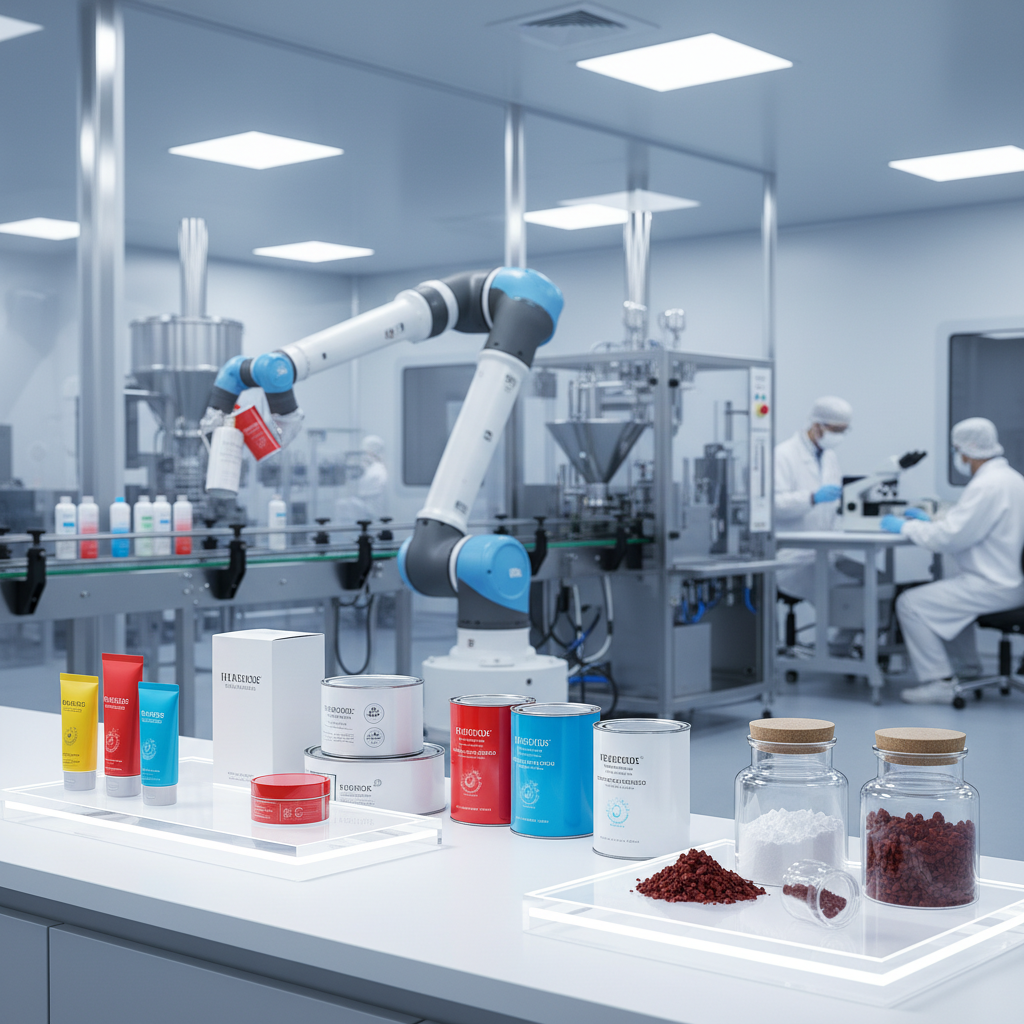
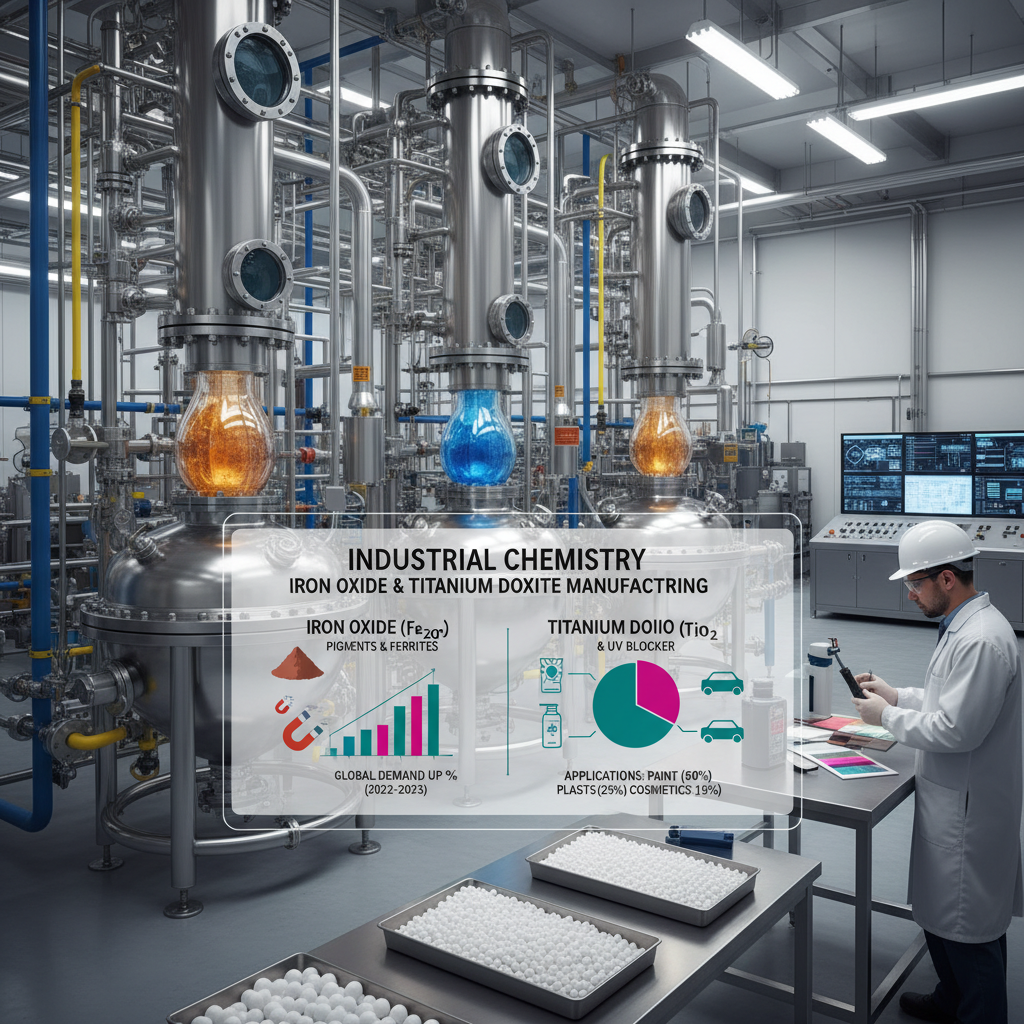
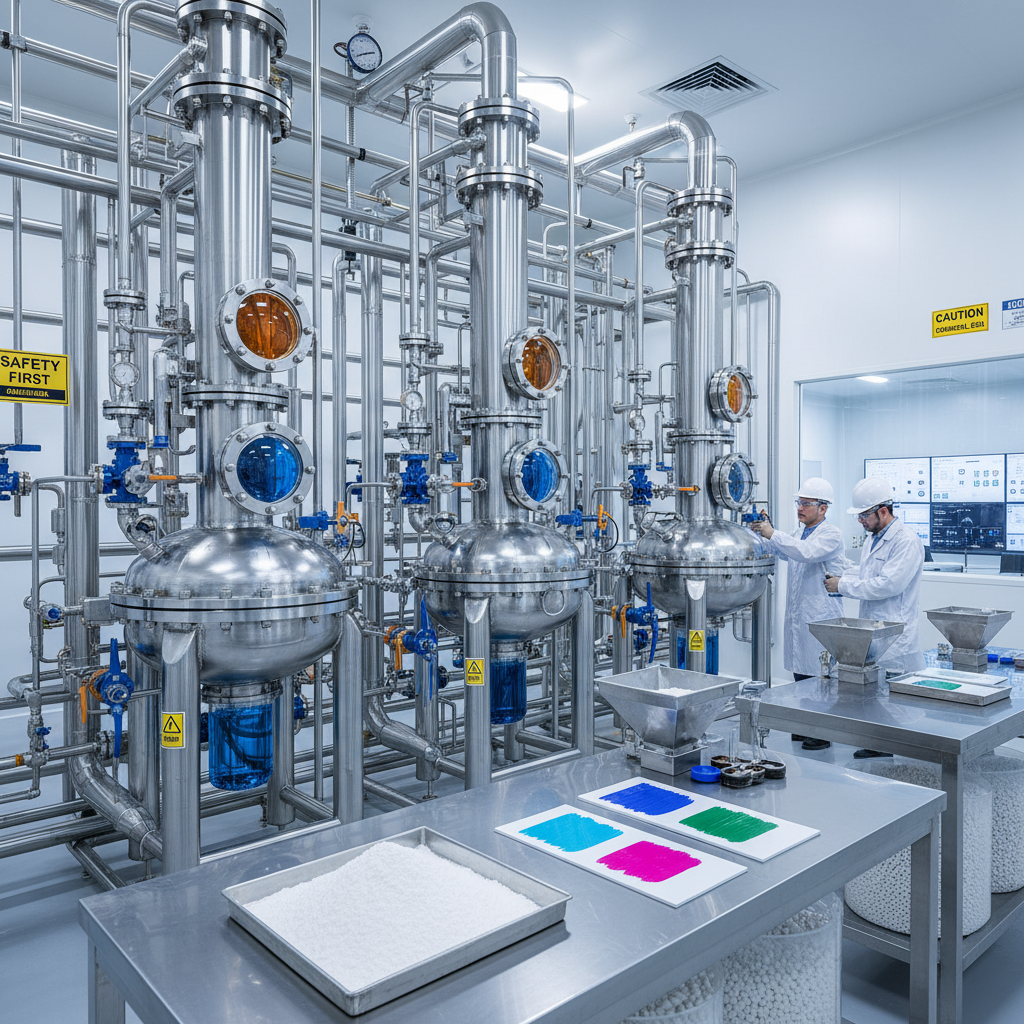
In the world of high-performance industrial coatings and construction materials, the synergy between iron oxide and titanium dioxide serves as the foundation for both aesthetic brilliance and structural longevity. These inorganic pigments are more than just coloring agents; they are critical functional additives that determine how a material interacts with light, heat, and environmental stressors.
Understanding the chemical properties and application methods of these compounds allows manufacturers to optimize the durability of mortars, paints, and plastics. While titanium dioxide provides the ultimate opacity and brightness, iron oxides offer a spectrum of earth tones and exceptional UV stability, making them indispensable in the global chemical raw materials market.
By integrating these pigments with advanced binders like HPMC or RDP, the construction and chemical industries can achieve a perfect balance between visual appeal and mechanical strength. This guide explores the technical depth of these materials and how their strategic use drives innovation in modern synthetic materials manufacturing.
Global Industrial Context of Iron Oxide and Titanium Dioxide
On a global scale, the demand for iron oxide and titanium dioxide is inextricably linked to the growth of the global construction and automotive sectors. According to industrial market trends, the shift toward sustainable urban development has increased the need for pigments that can withstand extreme weather conditions without fading, pushing manufacturers toward higher purity synthetic oxides.
However, the industry faces a significant challenge: balancing the high cost of premium titanium dioxide with the need for cost-effective, large-scale production. This economic tension has led to the development of hybrid pigment systems where iron oxides are used to modulate the brightness and heat absorption of surfaces, reducing the overall energy footprint of buildings.
Defining the Chemical Nature of these Pigments
In simple terms, titanium dioxide (TiO2) is the world's primary white pigment, prized for its exceptionally high refractive index, which allows it to scatter light more efficiently than almost any other substance. This property makes it the gold standard for providing "hiding power" or opacity in everything from high-end exterior paints to medical-grade plastics.
Iron oxides, conversely, are a family of compounds (ranging from yellow and red to black) that occur naturally but are synthesized for industrial use to ensure consistency. They are chemically inert and provide deep, saturated colors that are remarkably resistant to chemical attack and UV degradation.
Together, iron oxide and titanium dioxide represent the duality of the pigment world: one providing the canvas of purity and light, and the other providing the richness of earth and durability. Their integration into modern synthetic materials ensures that infrastructure remains visually appealing for decades.
Core Factors Affecting Pigment Performance
When formulating products with iron oxide and titanium dioxide, the first critical factor is particle size distribution. Micronized particles ensure a smoother finish and better dispersion within the binder, which prevents the "streaking" effect often seen in low-quality concrete or coatings.
Another core component is UV stability. Titanium dioxide acts as a powerful UV absorber, protecting the polymer matrix of the coating from photodegradation, while iron oxides maintain their color integrity even under intense solar radiation, making the combination ideal for desert industrial zones.
Finally, chemical compatibility with additives like PCE (Polycarboxylate Ether) and HPMC is essential. The surface chemistry of iron oxide and titanium dioxide must not interfere with the water-retention or flow properties of the mortar, ensuring that the material remains workable during application.
Practical Applications in Global Infrastructure
The real-world application of these pigments is most evident in large-scale civil engineering. For instance, in the construction of high-speed rail bridges in Southeast Asia, a blend of iron oxides is used to create an aesthetic harmony with the natural landscape, while titanium dioxide is added to the protective layers to reflect heat and prevent structural expansion.
Beyond aesthetics, these materials are vital in protective coatings for maritime environments. In salt-heavy coastal zones, the chemical stability of iron oxide and titanium dioxide ensures that the primer does not react with chlorides, thereby protecting the underlying steel from corrosion.
Performance Comparison of Pigment Combinations
Long-term Value and Sustainability Benefits
The long-term value of utilizing high-grade iron oxide and titanium dioxide lies in the reduction of maintenance cycles. By providing superior weather resistance and opacity, these pigments extend the lifespan of exterior coatings, meaning fewer repainting projects and a lower consumption of chemical solvents over time.
From a sustainability perspective, the shift toward "cool pigments"—specifically modified titanium dioxide—helps reduce the urban heat island effect. By reflecting a larger percentage of solar radiation, these materials lower the internal temperature of buildings, directly reducing the energy required for air conditioning and lowering carbon emissions.
Future Trends in Pigment Technology
The future of iron oxide and titanium dioxide is moving toward nanotechnology and surface functionalization. We are seeing the rise of "smart pigments" that can change properties based on temperature or light intensity, allowing for surfaces that adapt to their environment in real-time.
Furthermore, the industry is pivoting toward green synthesis. New methods of producing iron oxides from recycled industrial waste are emerging, aligning the chemical manufacturing sector with circular economy goals without compromising the purity or vividness of the final product.
Digital transformation is also playing a role, with AI-driven color matching and formulation software allowing engineers to predict exactly how a mixture of titanium dioxide and specific iron oxides will age over 20 years, ensuring unprecedented precision in architectural planning.
Overcoming Technical Challenges in Formulation
One of the most common limitations in the field is "pigment agglomeration," where particles clump together, causing uneven coloring and structural weak points in the material. To overcome this, the use of high-shear mixing and the addition of specialized dispersants are now industry standards.
Another challenge is the potential for "chalking," where the binder degrades and leaves a powdery residue of titanium dioxide on the surface. Expert insights suggest that integrating RDP (Redispersible Polymer Powder) can create a tighter matrix, locking the pigments in place and enhancing the surface hardness.
By optimizing the ratio of iron oxide and titanium dioxide and ensuring the correct sequencing of addition during the mixing process, manufacturers can eliminate these flaws, resulting in a high-performance product that meets the strictest international ISO standards.
Technical Analysis of Pigment Formulation Challenges and Solutions
| Challenge Category |
Root Cause |
Optimal Solution |
Performance Gain |
| Dispersion |
High Surface Energy |
High-Shear Mixing |
9/10 Smoothness |
| Color Fading |
UV Photolysis |
TiO2 UV Stabilizers |
8/10 Longevity |
| Surface Chalking |
Binder Degradation |
RDP Integration |
7/10 Hardness |
| Viscosity Loss |
Pigment Absorption |
HPMC Adjustment |
9/10 Workability |
| Opacity Issues |
Low TiO2 Concentration |
Rutile-grade TiO2 |
10/10 Coverage |
| Cost Overrun |
Premium TiO2 Costs |
Iron Oxide Blending |
8/10 Cost-Efficiency |
FAQS
The primary difference lies in their function: titanium dioxide is used almost exclusively for whiteness, brightness, and opacity (hiding power), whereas iron oxides are used to provide a range of colors (red, yellow, black) and added UV resistance. In construction, TiO2 is often used in white paints and plastics, while iron oxides are the standard for colored concrete and paving stones.
Yes, they are frequently used together. By blending titanium dioxide with various iron oxides, manufacturers can create a wide spectrum of pastel and muted tones. TiO2 acts as the base to control the lightness (value) of the color, while the iron oxides provide the hue. This combination is essential for achieving specific architectural color standards.
Generally, inorganic pigments like iron oxide and titanium dioxide are chemically inert and do not significantly alter the chemical reaction of the cement. However, because they have high surface areas, they can absorb a small amount of water. This is why adjusting the HPMC (Hydroxypropyl Methylcellulose) content is often necessary to maintain consistent water retention and open time.
Rutile-grade titanium dioxide is significantly better for outdoor applications than Anatase-grade. Rutile is more stable and has a higher refractive index, which provides better UV protection for the binder and prevents the coating from "chalking" or fading when exposed to sunlight and rain.
Both iron oxides and titanium dioxide are generally considered non-toxic and environmentally safe, as they are based on naturally occurring minerals. However, the manufacturing process (such as the sulfate or chloride process for TiO2) can be resource-intensive. Industry leaders are now moving toward more sustainable, closed-loop production methods to reduce environmental impact.
Streaking is usually caused by poor dispersion. To prevent this, ensure that the pigments are pre-mixed with a small amount of water or a dispersing agent before being added to the main batch. Using a high-shear mixer and ensuring a consistent ratio of pigment to binder (using RDP for better cohesion) will result in a uniform color throughout the structure.
Conclusion
The strategic application of iron oxide and titanium dioxide is fundamental to achieving the high standards of modern industrial design and structural integrity. From providing essential opacity and UV protection to enabling a vast array of durable colors, these pigments are the unsung heroes of the synthetic materials world. When combined with advanced additives like HPMC and RDP, they create surfaces that are not only visually stunning but also resilient against the harshest environmental conditions.
As the industry moves toward a more sustainable future, the evolution of these materials—through nanotechnology and green chemistry—will continue to drive efficiency in the construction and chemical sectors. For manufacturers and engineers, the key to success lies in the precise balance of purity, dispersion, and compatibility. To explore more about high-performance chemical additives and pigment integration, visit our website: www.yaguanhpmc.com.