Cellulose ether price, a critical factor in numerous industries, directly impacts the cost-effectiveness and feasibility of countless applications. Understanding the dynamics driving these prices – from raw material sourcing to manufacturing processes and global supply chain considerations – is paramount for businesses and researchers alike. This knowledge allows for informed decision-making, accurate budgeting, and proactive risk management in a constantly evolving market.
The global cellulose ether market is experiencing sustained growth, fueled by increasing demand from construction, pharmaceuticals, food, and personal care sectors. Consequently, tracking cellulose ether price fluctuations is not merely a financial exercise but a strategic imperative. Disruptions in raw material supply, geopolitical events, and technological advancements all contribute to the complex interplay of forces determining these prices.
A nuanced comprehension of cellulose ether price is essential for optimizing product formulations, navigating competitive landscapes, and ensuring profitability. The impact extends beyond direct material costs, influencing research & development investments and ultimately, the accessibility of products relying on these versatile polymers. Knowing where to find reliable cellulose ether price information is therefore crucial.
The Importance of Understanding cellulose ether price
Successfully navigating the complexities of industrial production necessitates a firm grasp of material costs, and cellulose ether price is no exception. Without this understanding, accurate project budgeting, competitive pricing strategies, and ultimately, sustained profitability become significantly more challenging. Manufacturers and formulators alike must stay informed about factors driving price changes.
Beyond immediate financial implications, awareness of cellulose ether price trends allows for proactive supply chain management. Predicting potential price increases enables businesses to secure necessary materials in advance, mitigating disruption and ensuring continuity of production. A strategic approach to purchasing, informed by cellulose ether price monitoring, offers a significant competitive edge.
Global Market Overview of cellulose ether price
The global cellulose ether market is highly dynamic, with fluctuating prices influenced by regional demand, manufacturing capacity, and raw material availability. Asia-Pacific currently dominates the market, driven by robust construction activity in countries like China and India. This region's growing demand exerts considerable pressure on cellulose ether price globally.
North America and Europe represent mature markets with comparatively stable demand, although fluctuations still occur due to economic cycles and regulatory changes. South America and Africa are emerging markets with increasing potential, and their demand patterns are beginning to influence the overall market landscape. Tracking these regional shifts is vital for anticipating changes in cellulose ether price.
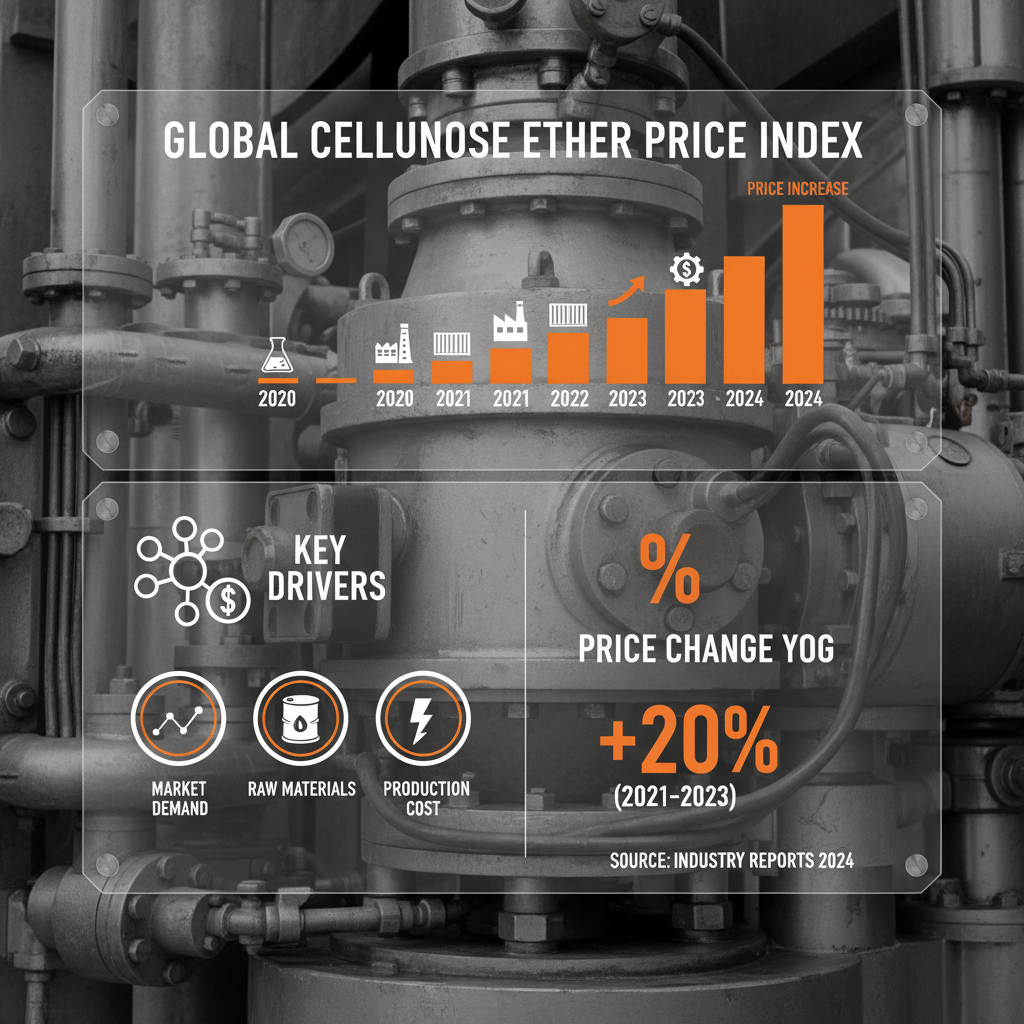
Recent statistics from the UN and ISO indicate a steady increase in cellulose ether consumption across various sectors. However, supply chain disruptions caused by geopolitical events and natural disasters have introduced volatility into the cellulose ether price, creating uncertainty for businesses. Access to reliable and updated price information, such as that provided by cellulose ether price reports, is crucial.
Defining Cellulose Ether Price
Cellulose ether price refers to the cost of various cellulose ether derivatives, including Methylcellulose (MC), Hydroxypropyl Methylcellulose (HPMC), Hydroxyethyl Cellulose (HEC), and Carboxymethyl Cellulose (CMC). These are water-soluble polymers derived from cellulose – a naturally abundant component of plant cell walls. The price varies considerably based on the specific type of cellulose ether, its viscosity grade, particle size, and purity.
Understanding cellulose ether price requires recognizing that it’s not a monolithic figure. It's a spectrum of values determined by both the raw material cost (cellulose pulp) and the complex manufacturing processes involved in creating each specific derivative. Quality control measures and regulatory compliance also contribute to the overall production cost and, consequently, the final price.
The connection to modern industry is profound. From thickening agents in food and pharmaceuticals to water retention aids in construction materials, cellulose ethers are indispensable. Consequently, stable and predictable cellulose ether price is fundamental for maintaining production costs and ensuring the continued availability of these essential products.
Key Factors Influencing cellulose ether price
Raw material costs, primarily cellulose pulp derived from wood or cotton, represent a significant portion of the overall cost of cellulose ethers. Fluctuations in pulp prices, driven by factors such as forestry practices, weather patterns, and global demand, directly impact cellulose ether price. Global political factors also play a role in pulp availability and cost.
Manufacturing complexity and energy consumption also contribute substantially. Producing high-purity, specific viscosity grades of cellulose ethers requires sophisticated equipment and energy-intensive processes. Technological advancements aimed at improving manufacturing efficiency and reducing energy consumption can help mitigate price increases.
Factors Affecting Cellulose Ether Price
Global Applications and the Role of cellulose ether price
In the construction industry, cellulose ethers, particularly HPMC, act as water retention agents and thickeners in cement-based materials, improving workability and reducing cracking. The cellulose ether price directly affects the cost of these essential construction additives, influencing overall project budgets. Similarly, in the pharmaceutical industry, they are used as binders, film coatings, and controlled-release agents, where price stability is crucial for drug affordability.
The food industry utilizes cellulose ethers as stabilizers, thickeners, and emulsifiers in a wide range of products. Maintaining consistent cellulose ether price is vital for food manufacturers to control production costs and maintain competitive pricing. In post-disaster relief operations, cellulose ether-based construction materials can provide rapid and cost-effective shelter solutions, with predictable price points ensuring efficient resource allocation.
Advantages of Stable cellulose ether price
Stable cellulose ether price allows for accurate financial forecasting and budgeting in industries reliant on these materials. It fosters greater investment confidence, encouraging research and development into new applications and product formulations. Predictability in cost enables manufacturers to offer competitive pricing, benefitting end-users.
Furthermore, it supports sustainable sourcing practices. When pricing is predictable, companies are more inclined to invest in environmentally responsible production methods, ensuring long-term supply chain security and minimizing the environmental impact associated with cellulose ether production. This supports responsible purchasing and aligns with growing sustainability demands.
Future Trends Affecting cellulose ether price
The development of bio-based cellulose ether production methods, utilizing sustainable feedstocks instead of traditional wood pulp, is anticipated to impact cellulose ether price in the long term. These innovations could potentially reduce raw material costs and enhance the environmental profile of cellulose ethers.
Advancements in manufacturing technologies, such as optimized reaction processes and improved energy efficiency, are expected to drive down production costs and mitigate price volatility. Increased automation and digitalization of the supply chain will also contribute to greater transparency and cost control, influencing cellulose ether price.
Growing demand for eco-friendly and sustainable materials is likely to increase the adoption of cellulose ethers in various applications, further driving market growth and potentially influencing price dynamics. Monitoring these trends and assessing their impact on cellulose ether price is essential for making informed business decisions.
Challenges & Solutions for Managing cellulose ether price
A primary challenge is the inherent volatility of raw material markets, particularly the pulp industry. External factors like weather patterns, geopolitical instability, and fluctuations in global demand can all significantly impact pulp prices, leading to unpredictable cellulose ether price fluctuations. Another challenge stems from supply chain disruptions, which have become more frequent in recent years.
To address these challenges, diversifying sourcing strategies is crucial. Building relationships with multiple suppliers can reduce dependence on any single source and mitigate risk. Implementing robust inventory management systems can help buffer against short-term price spikes. Investing in research and development of alternative cellulose sources – such as agricultural waste – can also contribute to price stability.
Collaboration across the supply chain, coupled with transparent pricing mechanisms, can foster greater trust and predictability. Staying informed about market trends and utilizing forecasting tools will empower businesses to proactively manage cellulose ether price fluctuations and ensure long-term cost-effectiveness.
Overview of Factors & Mitigation Strategies for Cellulose Ether Price
| Challenge |
Impact on cellulose ether price |
Mitigation Strategy |
Effectiveness (1-10) |
| Raw Material Volatility |
Significant price fluctuations |
Diversify sourcing, long-term contracts |
8 |
| Supply Chain Disruptions |
Increased lead times and costs |
Inventory buffering, regional suppliers |
7 |
| Energy Costs |
Higher production expenses |
Energy-efficient technologies, renewable sources |
6 |
| Geopolitical Instability |
Trade barriers, supply shortages |
Political risk assessment, alternative markets |
5 |
| Regulatory Changes |
Compliance costs, production restrictions |
Proactive compliance, industry collaboration |
7 |
| Demand Fluctuations |
Price spikes during peak demand |
Demand forecasting, strategic partnerships |
6 |
FAQS
The primary drivers of cellulose ether price fluctuations are raw material costs (cellulose pulp), energy prices, transportation costs, and global supply chain dynamics. Geopolitical events and regulatory changes can also play a significant role. Monitoring these factors is essential for understanding price trends and making informed purchasing decisions. Staying informed about reliable cellulose ether price reports is invaluable.
Mitigation strategies include diversifying your supply base, negotiating long-term contracts with suppliers, implementing robust inventory management, and exploring alternative cellulose ether grades or formulations. Proactive demand forecasting and strategic partnerships can also help stabilize costs. Analyzing historical cellulose ether price data can aid in developing effective risk management strategies.
The price varies significantly between different cellulose ether types due to differences in manufacturing complexity, raw material requirements, and demand. HPMC generally commands a higher price than MC due to its superior performance characteristics. HEC typically falls in between. Specific viscosity grades and purity levels also impact price. Consulting with a cellulose ether supplier like can help you determine the most cost-effective option for your application.
Geographic location influences cellulose ether price primarily through transportation costs, import duties, and regional demand patterns. Areas closer to manufacturing facilities generally benefit from lower transportation costs. Import tariffs and trade agreements can also impact pricing. High-demand regions may experience higher prices due to limited supply.
Research is ongoing into bio-based cellulose ether production methods utilizing alternative feedstocks like agricultural waste and algae. These sustainable alternatives offer the potential to reduce reliance on wood pulp and lower the environmental impact of cellulose ether production. While currently more expensive, costs are expected to decrease as technologies mature.
Reliable sources of cellulose ether price information include industry reports, market research firms, and direct communication with reputable suppliers like . Regularly monitoring these sources can help you stay informed about market trends and make informed purchasing decisions. Be wary of outdated or unverified price data.
Conclusion
In conclusion, understanding cellulose ether price is not merely a financial concern, but a strategic imperative for industries across the globe. From construction and pharmaceuticals to food and personal care, stable and predictable pricing is essential for innovation, cost control, and sustainable growth. Factors like raw material availability, manufacturing efficiency, and global demand all contribute to the complex dynamics shaping these prices.
Looking ahead, embracing sustainable sourcing practices, investing in advanced manufacturing technologies, and fostering greater transparency throughout the supply chain will be crucial for mitigating price volatility and ensuring long-term access to these vital materials. We encourage you to visit our website at www.yaguanhpmc.com to learn more about our commitment to providing high-quality cellulose ethers at competitive prices.