logo
0%

Table of Contents

In the complex landscape of modern chemical manufacturing, mineral titanium dioxide stands as one of the most critical inorganic pigments globally. Its unparalleled ability to provide opacity, brightness, and UV protection makes it an indispensable component in everything from high-performance coatings to sophisticated plastic polymers. Understanding the nuances of this mineral is not merely a technical requirement but a strategic advantage for manufacturers aiming for superior product durability.

The global demand for high-purity whitening agents has surged as industries transition toward more sustainable and long-lasting materials. Whether it is enhancing the reflective properties of architectural paints to reduce urban heat islands or ensuring the stability of cosmetics, mineral titanium dioxide provides the foundational chemical stability required for high-stress environments. Its versatility allows it to integrate seamlessly with other additives like HPMC and RDP in construction chemistry.

However, the journey from raw mineral extraction to a refined pigment involves sophisticated chemical processing—typically through the sulfate or chloride routes. By mastering the application of this material, businesses can significantly lower their raw material waste while maximizing the aesthetic and functional life of their end products. This guide explores the technical depth and commercial value of utilizing this powerhouse mineral in contemporary industrial applications.
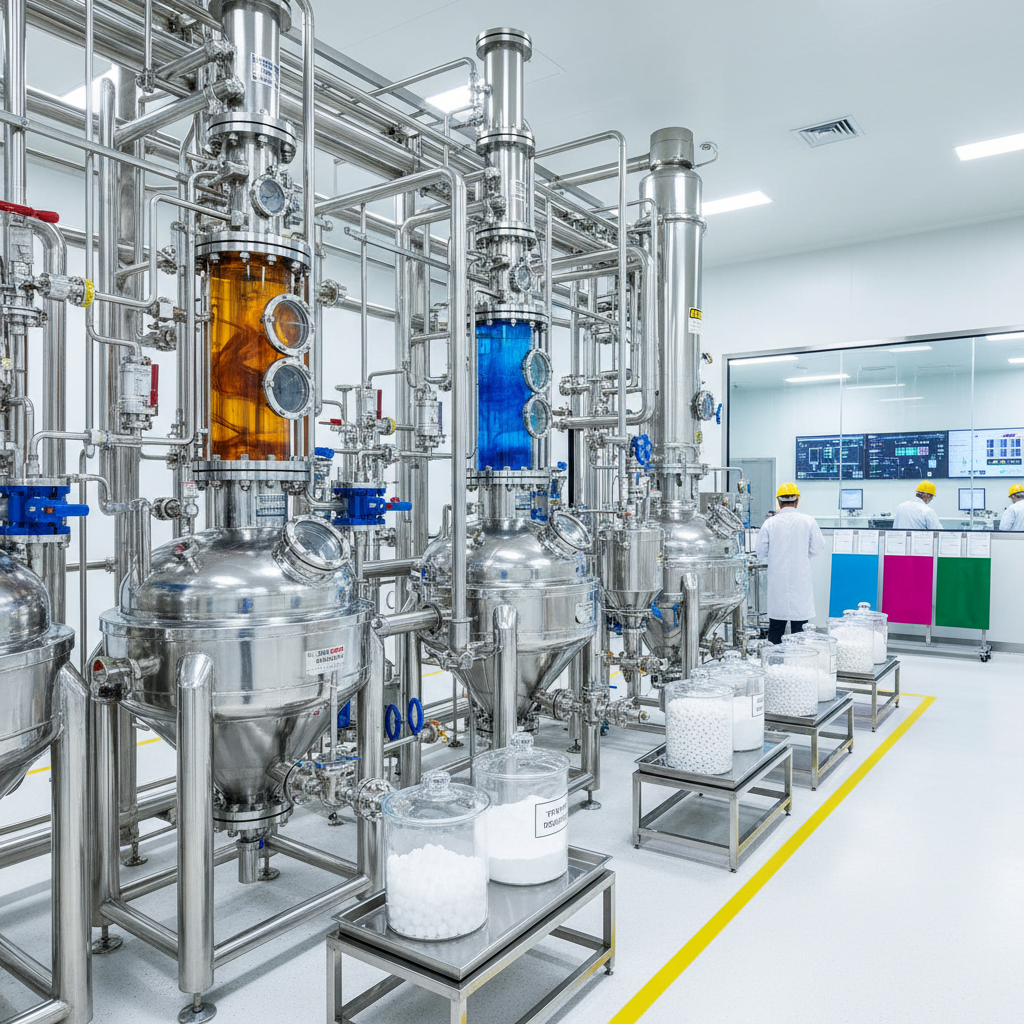
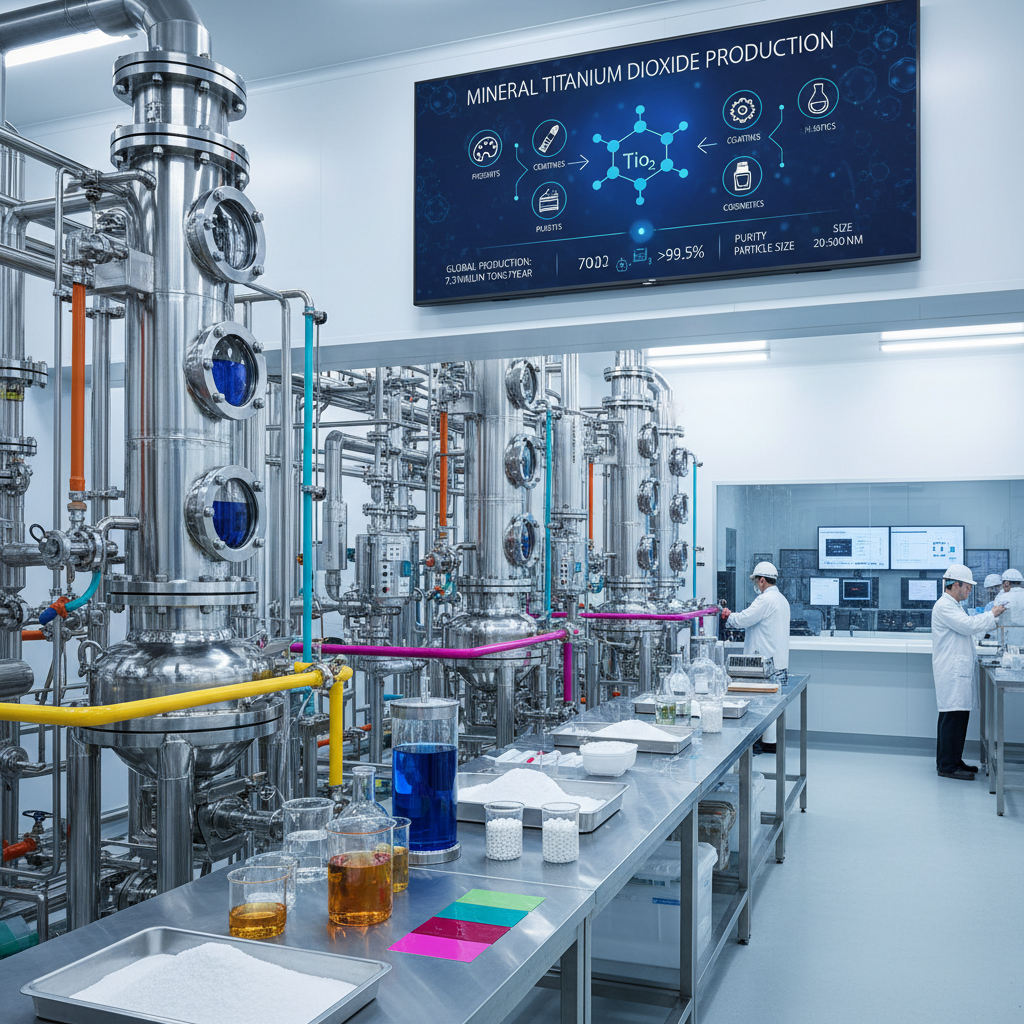
Industrial Applications and Benefits of Mineral Titanium Dioxide

Global Industry Context of Mineral Titanium Dioxide

Core Components for High-Performance Opacity

The efficacy of mineral titanium dioxide is largely determined by its refractive index. A higher refractive index means the pigment can scatter more light, allowing manufacturers to use less material to achieve the same level of whiteness. This efficiency is a key driver in reducing the overall weight of coatings and plastics.

Particle size control is another indispensable factor. For mineral titanium dioxide to perform optimally, the particles must be engineered to a specific micron range (typically 0.2 to 0.3 microns). If the particles are too large, they settle; if they are too small, the scattering efficiency drops, resulting in a "transparent" look that fails industrial quality checks.

Finally, the surface treatment of the mineral plays a vital role in its compatibility with other chemical agents. By coating the particles with alumina or silica, the reactivity of mineral titanium dioxide is tempered, preventing it from reacting with the resin matrix and ensuring a smooth, clump-free dispersion in liquid applications.

Practical Factors Affecting Industrial Scalability

When scaling the use of mineral titanium dioxide in mass production, cost-efficiency becomes the primary metric. Manufacturers must balance the purity of the rutile grade against the budget of the project. In large-scale infrastructure projects, the ability to maintain consistent color batches across thousands of liters of paint is what defines the success of the supply chain.

Moreover, the integration of this mineral with other specialty chemicals—such as PCE for fluidity or HPMC for water retention—determines the final application speed and durability. Ensuring that the pigment does not interfere with the rheology of the mixture is essential for maintaining high throughput in automated manufacturing lines.

Comparative Performance of Mineral Titanium Dioxide Grades


Global Applications and Real-World Use Cases

The application of mineral titanium dioxide extends far beyond simple paint. In the plastics industry, it is used to prevent "yellowing" in PVC pipes and window frames, ensuring that architectural elements maintain their crisp white appearance for decades. This is particularly vital in tropical regions where intense solar radiation would otherwise degrade the polymer chains rapidly.

In more specialized contexts, such as the production of medical-grade plastics or food-contact packaging, high-purity grades are employed to ensure safety and non-toxicity. For instance, in the manufacturing of sterile medical tubing, the mineral provides the necessary opacity to detect leaks or block light-sensitive medications from degrading, combining functional utility with clinical safety.

Long-Term Value and Sustainability Benefits

Investing in high-quality mineral titanium dioxide offers tangible long-term value by extending the lifecycle of finished products. From a logical perspective, a coating that resists UV-induced chalking requires fewer repaints, which directly translates to lower lifetime maintenance costs and reduced chemical consumption over the decades.

From an emotional and social angle, the reliability of these materials fosters trust in infrastructure. When public buildings or housing projects maintain their integrity and appearance, it reflects a sense of dignity and stability for the community. Innovation in the purity of this mineral ensures that we can build safer, more beautiful environments without compromising on structural reliability.

Sustainability is also enhanced through "cool roof" technologies. By utilizing the high solar reflectance of mineral titanium dioxide in roof coatings, cities can lower the ambient temperature, reducing the reliance on air conditioning and lowering overall carbon emissions. This transforms a simple pigment into a tool for climate mitigation.

Future Trends in Mineral Titanium Dioxide Innovation

The future of mineral titanium dioxide is leaning heavily toward nanotechnology and "smart" pigments. We are seeing the emergence of photo-catalytic titanium dioxide, which not only provides color but also actively breaks down organic pollutants on the surface of buildings when exposed to sunlight, effectively creating "self-cleaning" facades.

Digital transformation in the manufacturing process is also optimizing the synthesis of this mineral. AI-driven reactors can now adjust temperature and pressure in real-time to ensure a perfectly uniform particle size, reducing waste and increasing the consistency of every batch produced. This automation is paving the way for more cost-effective, high-performance grades.

Furthermore, the industry is exploring bio-based precursors to replace some of the harsher acids used in the sulfate process. The goal is to create a fully sustainable loop where the mineral is extracted and refined with minimal environmental footprint, aligning the chemical industry with global green energy and ESG (Environmental, Social, and Governance) targets.

Analysis of Mineral Titanium Dioxide Performance Across Different Industrial Grades

Grade Type UV Resistance Opacity Level Cost-Effectiveness
Rutile (Premium) Excellent (10/10) Maximum Medium
Anatase (Standard) Moderate (6/10) High High
Nano-TiO2 Very High (9/10) Specialized Low
Alumina Treated Superior (10/10) Very High Medium
Silica Treated High (8/10) High Medium
Industrial Pure Basic (5/10) Moderate Excellent

FAQS

What is the main difference between Rutile and Anatase mineral titanium dioxide?

Rutile is the more stable crystalline form of mineral titanium dioxide, offering superior UV resistance and a higher refractive index, making it ideal for outdoor coatings. Anatase, while also white and opaque, is more chemically reactive and less stable under UV light, making it better suited for indoor applications, fibers, or as a catalyst in chemical reactions.

How does mineral titanium dioxide improve the durability of exterior paints?

It works by scattering and reflecting a vast spectrum of UV radiation, which prevents the sunlight from penetrating deep into the paint film. This protects the binder (resin) from photo-degradation, which otherwise leads to cracking, peeling, and the dreaded "chalking" effect, thereby extending the paint's life by several years.

Is mineral titanium dioxide compatible with HPMC and PCE additives?

Yes, it is highly compatible. In construction mortars and paints, HPMC provides the necessary water retention and workability, while PCE ensures high fluidity. Mineral titanium dioxide acts as the pigment filler; when properly dispersed, these three components work together to create a smooth, opaque, and durable finish with excellent adhesion.

Can I use ultra-fine nano-grade titanium dioxide for general construction?

While nano-grades offer incredible properties, they are often overkill and too expensive for general construction. Nano-TiO2 is typically reserved for self-cleaning glass or high-end antimicrobial coatings. For standard walls and structures, the rutile grade provides the best balance of opacity and cost-efficiency.

How do I prevent the clumping of titanium dioxide during mixing?

The best approach is to use surface-treated mineral titanium dioxide (coated with alumina or silica) and employ a high-shear mixer. Adding a proper dispersant or utilizing the rheology-modifying properties of HPMC can also help in achieving a homogeneous mixture without agglomerates.

Is mineral titanium dioxide considered environmentally friendly?

The mineral itself is inert and non-toxic. However, the manufacturing process (especially the sulfate method) can be energy-intensive. The industry is currently shifting toward the chloride process and implementing advanced waste-recycling systems to make the production of mineral titanium dioxide more sustainable and eco-friendly.

Robert Chen

Robert Chen

Robert Chen is the North American Sales Manager for Yaguan New Material Technology. He brings a robust understanding of the chemical supply chain and a proven track record in building relationships with distributors and end-users. Robert's expertise lies in identifying market opportunities and tailoring Yaguan’s HPMC solutions to meet the
Previous Elite Mineral Grade mineral tio2 Specialization
Next Industrial Applications of Iron Oxide Titanium Dioxide Blends
tel mailto tel goTop
wx
WhatsApp
email
tel
goTop

If you are interested in our products, you can choose to leave your information here, and we will be in touch with you shortly.