logo
0%

Table of Contents

Look, honestly, things have been… hectic. Been running around construction sites all year, dodging dust and trying to figure out what everyone’s actually doing with this stuff. Redispersible polymer powder suppliers, right? Everyone’s talking about it now. Seems like every other engineer is asking for higher performance, better workability, lower VOCs… the usual. And they all want it yesterday.

It’s funny, you spend so long in the lab trying to perfect a formula, then you get on-site and realize half your assumptions were wrong. Have you noticed that? You think you’ve got the perfect particle size distribution, but then you see guys mixing it with dirty water and wonder why it’s not performing as expected. Anyway, I think the biggest trend right now is definitely moving towards more sustainable options. Everyone’s feeling the pressure, and suppliers are scrambling to offer “eco-friendly” powders. It's a bit of a greenwashing free-for-all, to be honest.

The thing is, a lot of suppliers are focusing on the chemistry, which is important, sure. But they forget about the practical side. Like, how does it feel when you open the bag? Does it puff dust everywhere and get in your eyes? Is it clumpy? The good stuff… it's almost silky. A fine, white powder with a slight, almost vanilla smell. Sounds weird, I know. But you learn to recognize it. I encountered this at a factory in Nanjing last time – they were using a powder that smelled like… burnt plastic. Red flag, obviously.
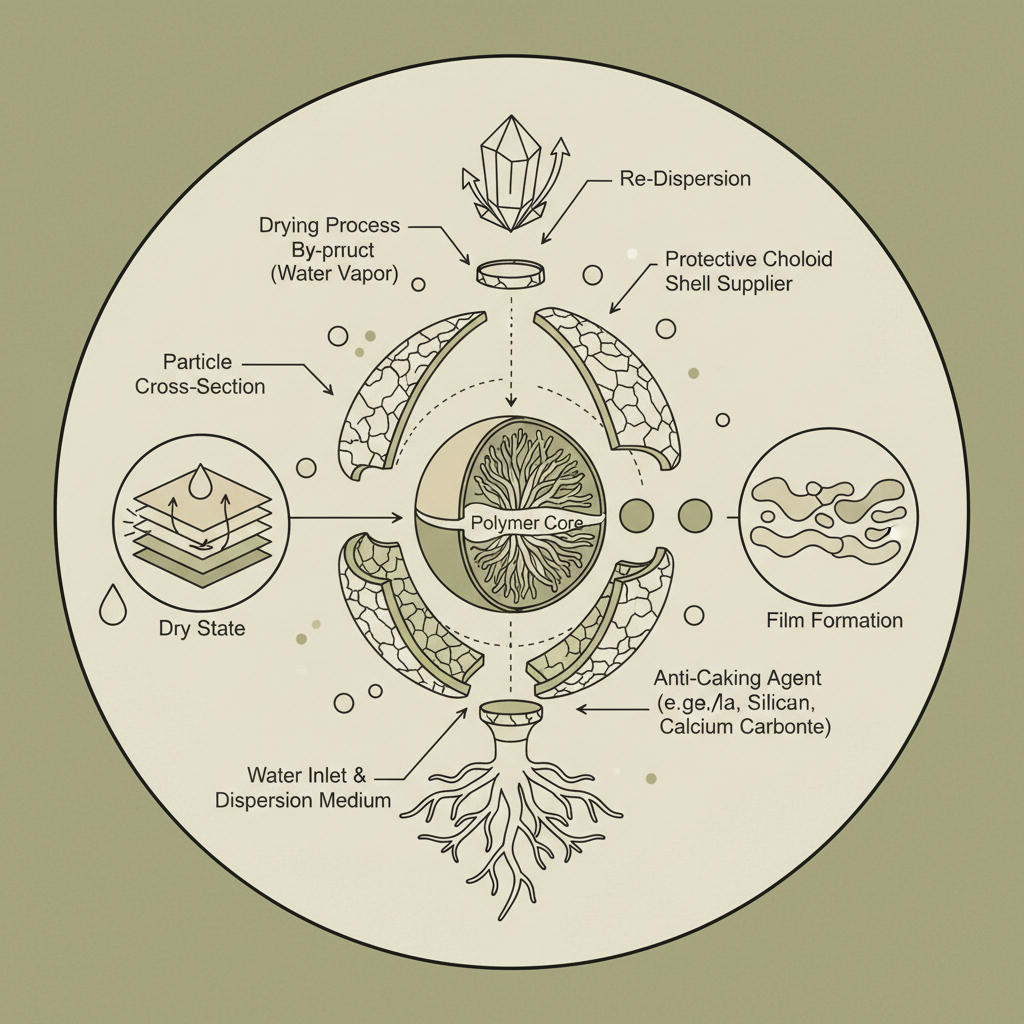
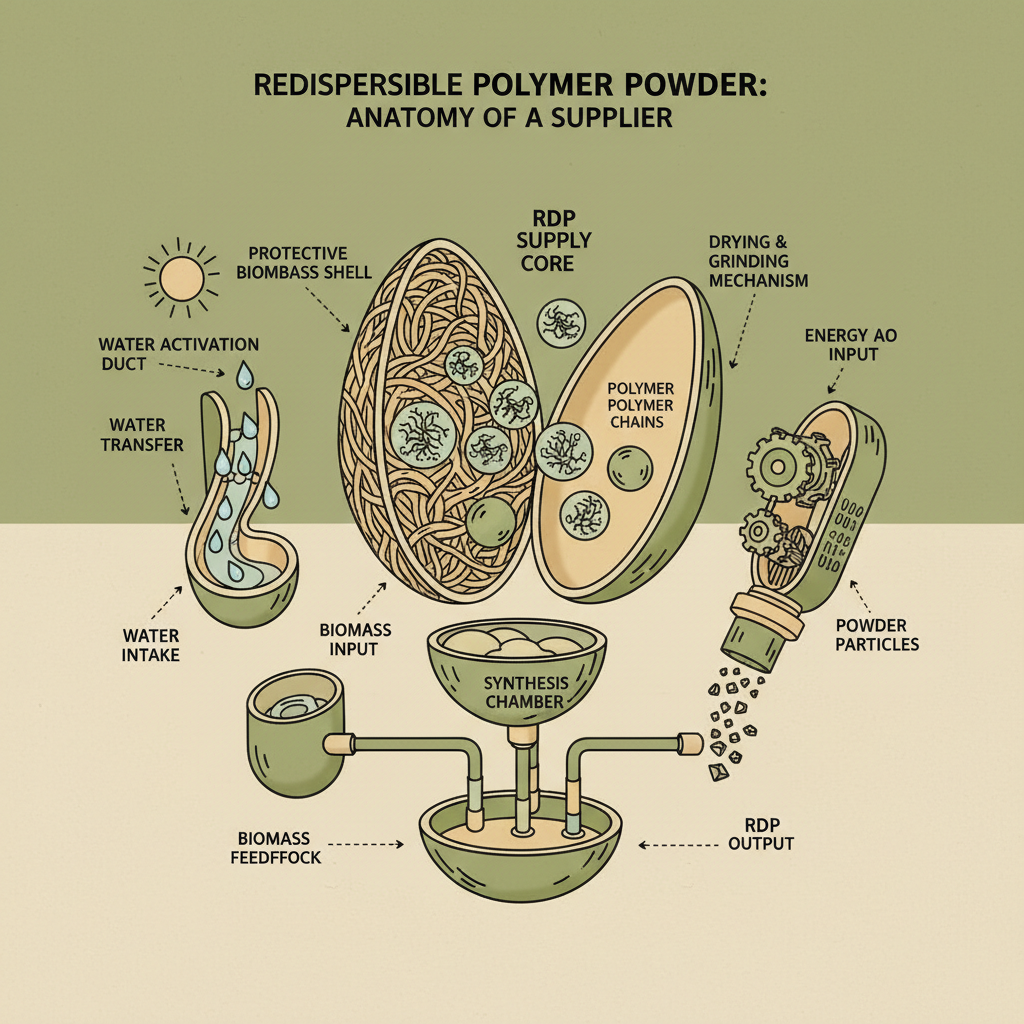
Navigating Redispersible Polymer Powder Suppliers and Construction Challenges

Industry Trends & Design Pitfalls

Navigating Redispersible Polymer Powder Suppliers and Construction Challenges

Strangely, a lot of folks get hung up on the polymer type itself – vinyl acetate, acrylic, vinyl acetate-ethylene. It matters, sure. But a bigger pitfall is not thinking about the whole system. You can have the most amazing polymer powder, but if you pair it with the wrong additives, or if the cement isn't compatible, you’re going to have problems. I’ve seen it countless times. And another thing – don't underestimate the importance of packaging! If the bags aren’t properly sealed, the powder absorbs moisture, and you’re in trouble.

The biggest trend, though, is definitely pre-blending. Everyone wants convenience, and suppliers are responding by offering powders pre-mixed with various additives. Saves time on-site, reduces errors… but it also limits your control. You’re trusting the supplier to get the mix right, which… well, let's just say I've seen some wildly inconsistent batches.

Materials: The Real Deal

Okay, so you’ve got your base polymer. Then you’ve got the additives. Thickeners, defoamers, redispersants (ironically!), water retention agents… it's a whole alphabet soup. The quality of these additives is critical. Cheap additives will give you cheap performance. And the cement! Don't even get me started on the cement. Portland cement is, well, Portland cement. But you need to consider the fineness, the chemical composition, the alkali content… It all affects how the polymer powder interacts with it.

I always tell the guys on-site, “Treat this stuff with respect.” It’s not just dirt. It's a carefully engineered material. Don't leave the bags open in the rain. Don't mix it with contaminated water. Don’t store it in direct sunlight. Simple stuff, but you’d be surprised how often it gets ignored.

And the fillers… Calcium carbonate is the most common, but you also see silica fume, fly ash. These can improve the workability and reduce the cost, but they can also affect the strength and durability. It's all about finding the right balance.

Testing: Beyond the Lab

Lab tests are fine, sure. They give you a baseline. But the real test is out in the field. I’ve spent weeks on-site, just watching how guys actually use the stuff. How they mix it, how they apply it, how it performs under real-world conditions. We do slump tests, open time tests, adhesion tests… but we also do more subjective tests. Like, “Does it feel right?” “Is it easy to spread?” “Does it crack easily?”

We also do accelerated aging tests. We expose samples to extreme temperatures, humidity, UV radiation… basically, we try to simulate years of weathering in a matter of weeks. But even those tests can be misleading. Because the real world is unpredictable. You never know what Mother Nature is going to throw at you.

And don’t forget the simple stuff. Like, how easy is it to clean up? If it’s a nightmare to remove from tools and equipment, that’s a big problem. The guys will just stop using it. Trust me.

Real-World Applications & User Behavior

You see it everywhere: tile adhesives, cement mortars, external wall insulation systems (EWIS), self-leveling compounds… you name it. But the way it’s used varies a lot. In some applications, they want maximum adhesion. In others, they want flexibility. In still others, they want fast setting time.

I’ve noticed a big increase in the use of these powders in precast concrete. They improve the strength and durability of the concrete, and they make it easier to handle and transport. But it requires careful quality control. If the powder isn't properly mixed, you can end up with weak spots in the concrete.

Redispersible Polymer Powder Suppliers Performance Ratings


Advantages, Disadvantages & Customization

The advantages are clear: improved adhesion, flexibility, workability, water resistance… the list goes on. But it's not a magic bullet. It's more expensive than traditional cement additives. And if you use too much, it can actually weaken the concrete. Plus, some of these powders have a pretty strong odor. Not pleasant.

Customization is definitely possible. We worked with a customer last year who wanted a powder with a very specific rheology profile. They were making a self-leveling compound for a high-end flooring application. We tweaked the polymer composition and the additive package to get exactly what they needed. It took a lot of trial and error, but we eventually got it right. It's all about understanding the customer's specific requirements.

A Customer Story: The Debacle

Last month, that small boss in Shenzhen who makes smart home devices insisted on changing the interface to . Completely unrelated, I know, but bear with me. He was using our redispersible polymer powder in his adhesive for mounting the devices. He decided he wanted to use a new, bio-based powder, thinking it would be better for his brand image. It looked great on paper.

He got a sample, tested it in the lab, and everything seemed fine. But then he started getting complaints from customers that the devices were falling off the walls. Turns out, the bio-based powder didn’t bond as well to the specific substrate he was using. He’d ignored our advice about proper testing. He spent a fortune on recalls and repairs. A classic case of chasing a trend without doing the due diligence. It reminds me of the time… oh, forget it, I won't mention it.

Material Comparison: Quick Reference

I keep a little notebook with me on-site with a rough comparison chart. Nothing fancy, just scribbles and notes. It helps me quickly compare different powders and additives. It’s not scientifically accurate, but it’s good enough for a quick reference.

Honestly, a lot of this stuff is just feel. You get a sense of what's good and what's not after years of dealing with it.

But here’s a little something that might be useful.

Quick Comparison of Common Redispersible Polymer Powder Attributes

Polymer Type Adhesion Strength (1-10) Flexibility (1-10) Cost (Low/Medium/High)
Vinyl Acetate 7 5 Low
Acrylic 8 6 Medium
Vinyl Acetate-Ethylene 6 7 Medium
Modified Acrylic 9 7 High
Styrene Acrylic 5 8 Low
Bio-Based Blend 6 6 Medium

FAQS

What's the biggest mistake people make when using redispersible polymer powder?

Honestly? Not reading the datasheet. Sounds simple, but you’d be surprised. People just assume it’ll work the same way with every cement, every substrate. It doesn’t. You need to understand the recommended mixing ratios, the pot life, the curing time… all of it. Ignorance is expensive. And don’t skimp on the mixing! You need proper dispersion to get the full benefits.

How do you know if a powder is actually “eco-friendly”?

That’s a tricky one. A lot of marketing hype out there. Look for certifications, like ISO 14001. But even those aren't foolproof. You need to dig deeper. What percentage of the powder is actually bio-based? What's the carbon footprint of the production process? Is it biodegradable? It's complicated. I tend to trust suppliers who are transparent about their sourcing and manufacturing practices.

What about storage? Can you just leave a bag open in the warehouse?

Absolutely not! Moisture is the enemy. The powder will absorb moisture from the air, which will reduce its effectiveness and cause clumping. Always store it in a cool, dry place, in a tightly sealed container. And don’t stack bags too high, or the bottom ones might get crushed. It's basic stuff, but it makes a huge difference.

Is there a significant difference in performance between different polymer types?

Yes and no. Each polymer has its strengths and weaknesses. Acrylics generally have better adhesion and UV resistance, while vinyl acetates are more cost-effective. Vinyl acetate-ethylene offers a good balance. The best choice depends on the specific application. There's no one-size-fits-all answer. It's like asking which tool is best – a hammer or a screwdriver? It depends on the job.

Can you mix different brands of redispersible polymer powder?

I wouldn’t recommend it. Different brands use different additives and formulations. Mixing them could lead to unpredictable results. You might get a chemical reaction, or the powder might not disperse properly. Stick with one brand, one formulation. Keep it simple. Trust me, you don’t want to find out the hard way.

What’s the future of redispersible polymer powder? Any exciting developments on the horizon?

Self-healing concrete, that’s what I'm watching. They're incorporating microcapsules containing polymer powder into the concrete mix. When cracks form, the capsules break open and release the powder, which seals the cracks. It's still early days, but it has the potential to revolutionize the construction industry. And of course, everyone is looking for more sustainable options, like powders made from renewable resources.

Conclusion

So, there you have it. Redispersible polymer powder suppliers… it's not just about the chemistry, it's about the whole system. Understanding the materials, the applications, the user behavior, the testing… it’s all interconnected. It’s about taking a holistic approach. And honestly, it's about getting your boots dirty and spending time on-site, talking to the guys who are actually using the stuff.

Ultimately, whether this thing works or not, the worker will know the moment he tightens the screw. You can have all the fancy lab tests and certifications in the world, but if it doesn’t feel right in his hands, it’s not going to get used. And if you want to learn more about redispersible polymer powder, check out redispersible polymer powder suppliers. They know their stuff.

David Miller

David Miller

David Miller serves as the Senior Application Specialist at Shijiazhuang Yaguan New Material Technology. With over 15 years of experience in the building materials industry, David focuses on the practical applications of HPMC in construction projects. He’s a key contact for clients seeking solutions for improving workability, adhesion, and water
Previous The Crucial Role of Hydroxypropylmethylcellulose Supplier in Modern Construction
Next Understanding Hydroxypropyl Starch Ether Suppliers and Modern Construction Practices
tel mailto tel goTop
wx
WhatsApp
email
tel
goTop

If you are interested in our products, you can choose to leave your information here, and we will be in touch with you shortly.