
logo

Advanced hydroxypropyl methyl cellulose ether Solutions for Peru's Construction

High-performance chemical additives engineered for the diverse climatic challenges of the Peruvian landscape, from coastal humidity to Andean altitudes.

Advanced hydroxypropyl methyl cellulose ether Solutions for Peru's Construction

Providing the Peruvian manufacturing sector with specialized synthetic materials to enhance water retention, workability, and structural durability in demanding environments.

Chemical Additive Landscape in Peru

Analyzing the synergy between synthetic polymers and Peru's unique geological requirements.

The Peruvian construction and manufacturing market faces extreme variability. In coastal regions like Lima, high humidity demands precise control over evaporation rates, making the use of cellulose ether hpmc essential for maintaining the open time of cementitious mortars.

In the Andean highlands, rapid temperature fluctuations and low pressure affect the curing process of synthetic materials. The integration of cellulose ether allows for better moisture management, preventing premature cracking in high-altitude residential and infrastructure projects.

Currently, there is a significant shift toward industrialization in the Peruvian chemical sector. Local manufacturers are increasingly replacing basic additives with high-purity cellulose 2 hydroxyethyl ether to meet international building standards and improve the efficiency of dry-mix mortars.
Evolution of Synthetic Chemical Additives in Peru

From traditional binders to precision-engineered cellulose polymers.

Market Development History

Between 2000 and 2010, the Peruvian market relied heavily on basic organic thickeners. However, the boom in urban infrastructure in Lima led to the adoption of first-generation cellulose derivatives to improve basic workability.

From 2011 to 2020, the industry transitioned toward specialized polymers. The introduction of high-viscosity hydroxypropyl methyl cellulose ether allowed for the development of high-performance tile adhesives and wall putties that could withstand Peru's seismic activity.

Since 2021, the focus has shifted toward "Green Chemistry." The current era is defined by the optimization of water-to-cement ratios through the combined use of cellulose ethers and advanced water reducing admixture technologies.

Future Development Trends

Nano-Enhanced Rheology

Integration of nano-cellulose with existing HPMC to create ultra-stable suspensions for heavy-duty industrial coatings.

Climate-Adaptive Formulations

Development of "smart" ethers that adjust their hydration rate based on the ambient temperature of the Peruvian coast versus the mountains.

Sustainable Bio-Polymer Integration

A transition toward 100% biodegradable synthetic materials to align with Peru's growing environmental regulations in the manufacturing sector.

Strategic Trends and Future Outlook

Driving efficiency through chemical innovation in South American manufacturing.

Water Management Optimization
Reducing water consumption in Peruvian concrete plants by utilizing high-efficiency superplasticizers.
Rheological Precision
Customizing the viscosity of cellulose ethers to match the specific sand quality found in Peru's river basins.
Seismic Resistance
Enhancing the elasticity and bonding strength of mortars to mitigate damage during seismic events.
Digitalized Formulation
Using AI-driven mixing ratios to optimize the synergy between HPMC and water reducers.

Industry Outlook

Based on search trends in the South American region, there is a growing demand for "low-VOC" and "eco-friendly" chemical additives. Peru is expected to lead this transition in the Andean region as urban centers implement stricter green building codes.

The synergy between high-grade cellulose polymers and automated manufacturing will likely reduce waste by 15% in the next 3-5 years, significantly lowering the cost of synthetic material production for local Peruvian firms.

Localized Application Scenarios in Peru

Practical implementation of synthetic additives across diverse Peruvian environments.

1. Coastal High-Rise Construction (Lima)

Using cellulose ether hpmc in exterior wall renders to prevent rapid dehydration caused by coastal sea breezes and high salinity.

2. Andean Tunneling and Infrastructure

Implementing water reducing admixture in shotcrete for mining tunnels in the Andes to ensure high early strength and reduced shrinkage.

3. Seismic-Resistant Housing in Cusco

Integrating hydroxypropyl methyl cellulose ether into adhesive mortars for stone cladding, ensuring flexibility and strong adhesion under vibration.

4. Amazonian Low-Land Paving

Applying cellulose 2 hydroxyethyl ether in stabilizing agents for road bases to manage excessive moisture in rainforest soil conditions.

5. Industrial Chemical Manufacturing (Callao)

Standardizing the use of cellulose ether as a thickening agent for specialized industrial paints and coatings produced for export within the Mercosur region.

Brand Story

Global Development Journey of Shijiazhuang Yaguan New Material Technology Co., Ltd.

Foundational Innovation

Established with a mission to solve the core stability issues of cellulose ethers in heavy-duty construction materials.

Quality Standardization

Developed a proprietary purification process that ensures consistent viscosity, crucial for the demanding Peruvian market.

Global Market Expansion

Expanded footprint across South America, providing tailored technical support for local chemical manufacturers.

R&D Breakthroughs

Launched a new series of high-temperature resistant ethers specifically for tropical and arid climates.

Sustainability Leadership

Committed to carbon-neutral production and the development of bio-based synthetic materials for a greener future.

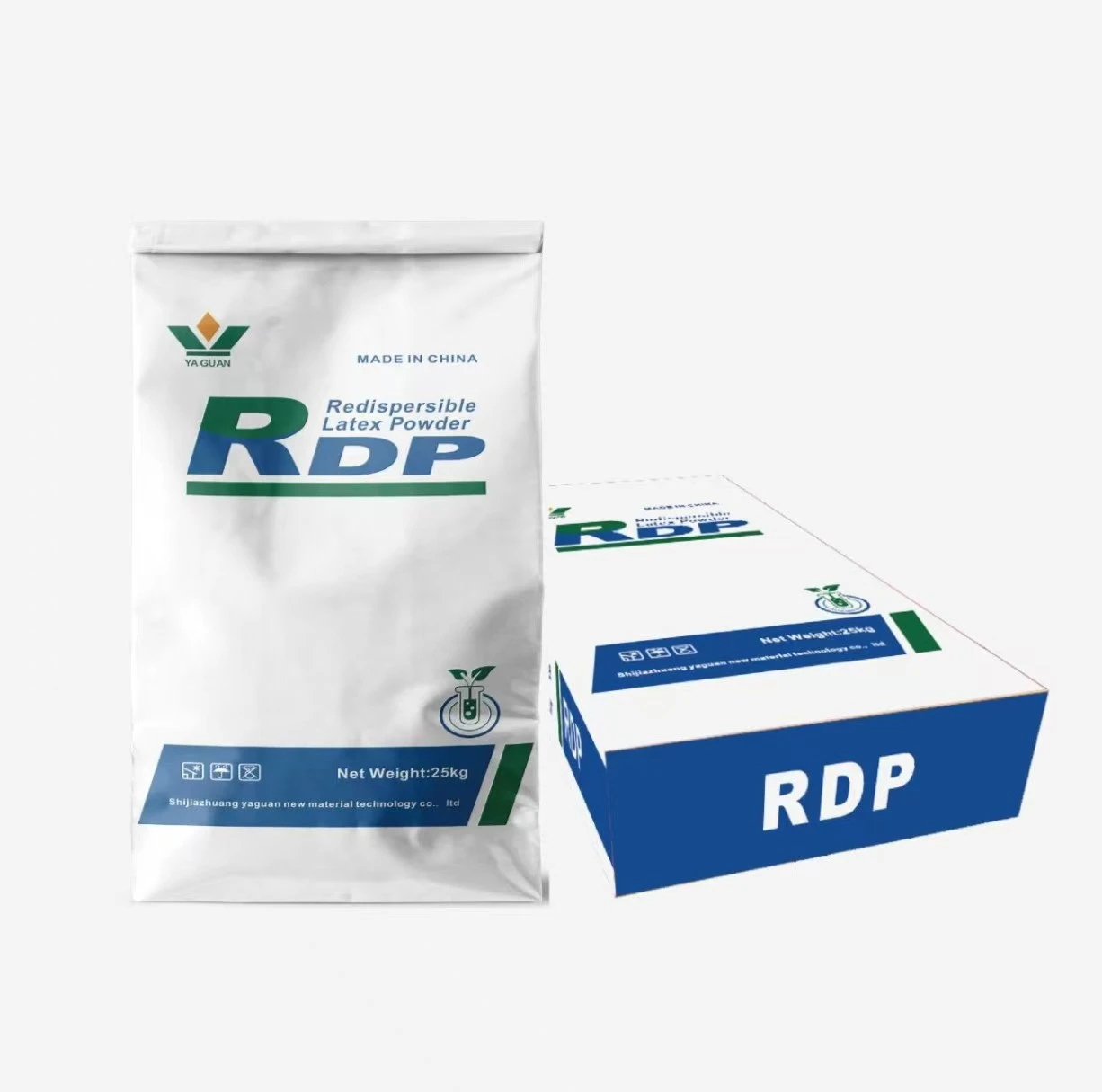
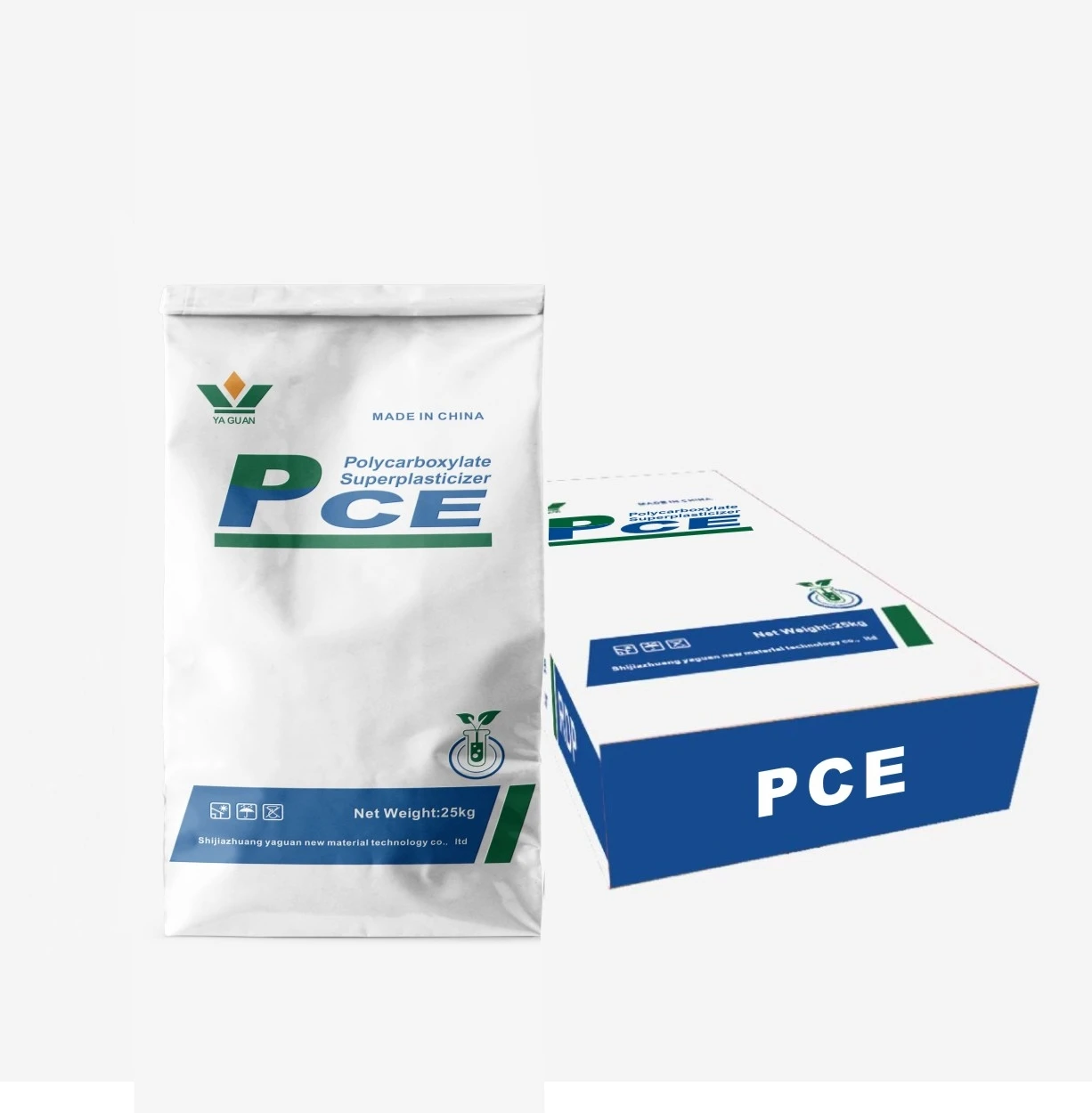
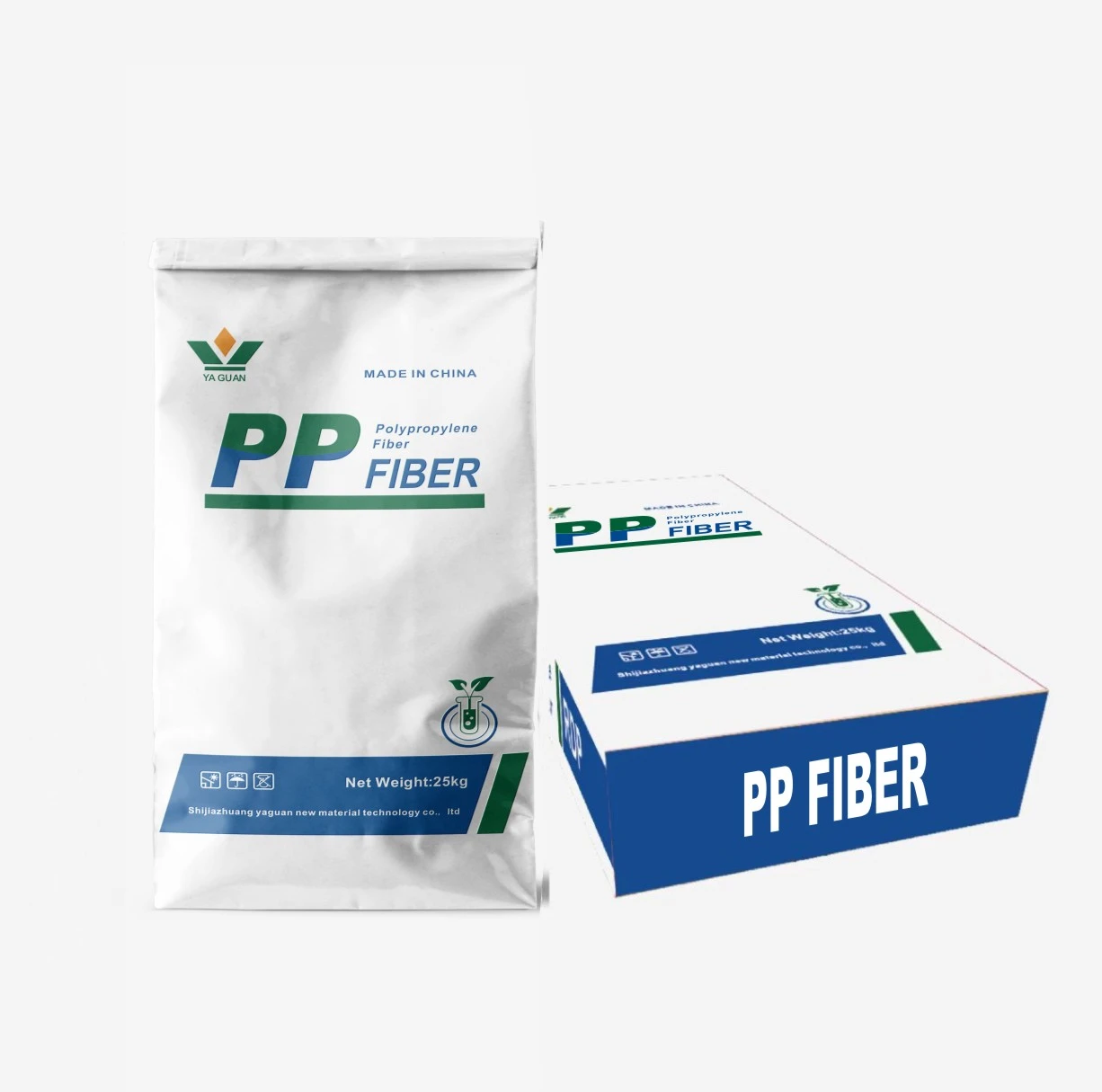
Comprehensive Product Portfolio for the Peruvian Market

A complete range of cellulose derivatives and admixtures designed for maximum efficiency in Peru.

Common Technical Inquiries in Peru

Expert answers to the most frequent challenges faced by Peruvian chemical engineers.

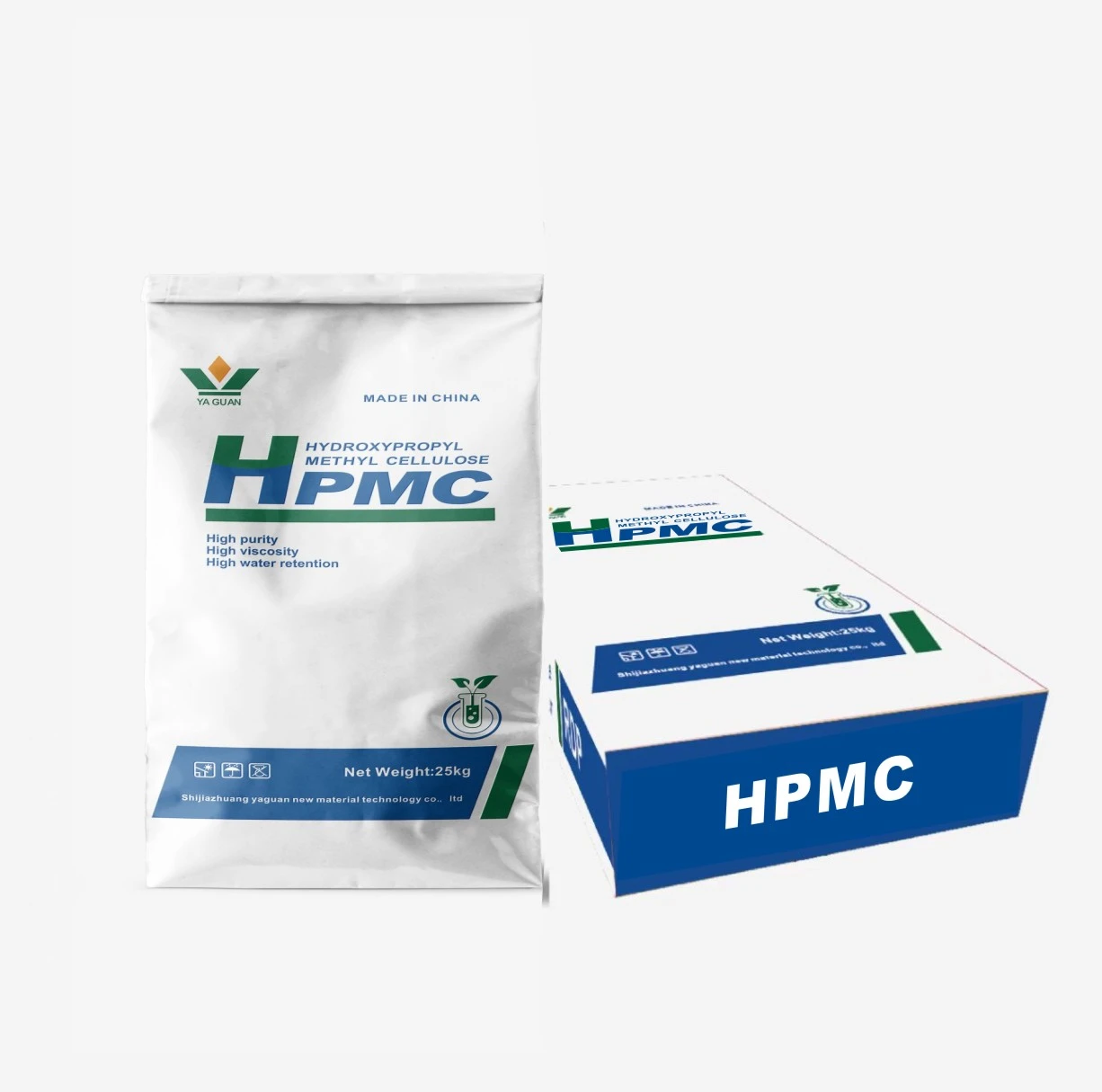
How does cellulose ether hpmc affect water retention in Lima's humid climate?

In high humidity, HPMC prevents the mortar from drying too quickly while simultaneously ensuring that the water doesn't evaporate prematurely from the substrate, maintaining a stable curing environment.

What is the best water reducing admixture for high-altitude Andean concrete?

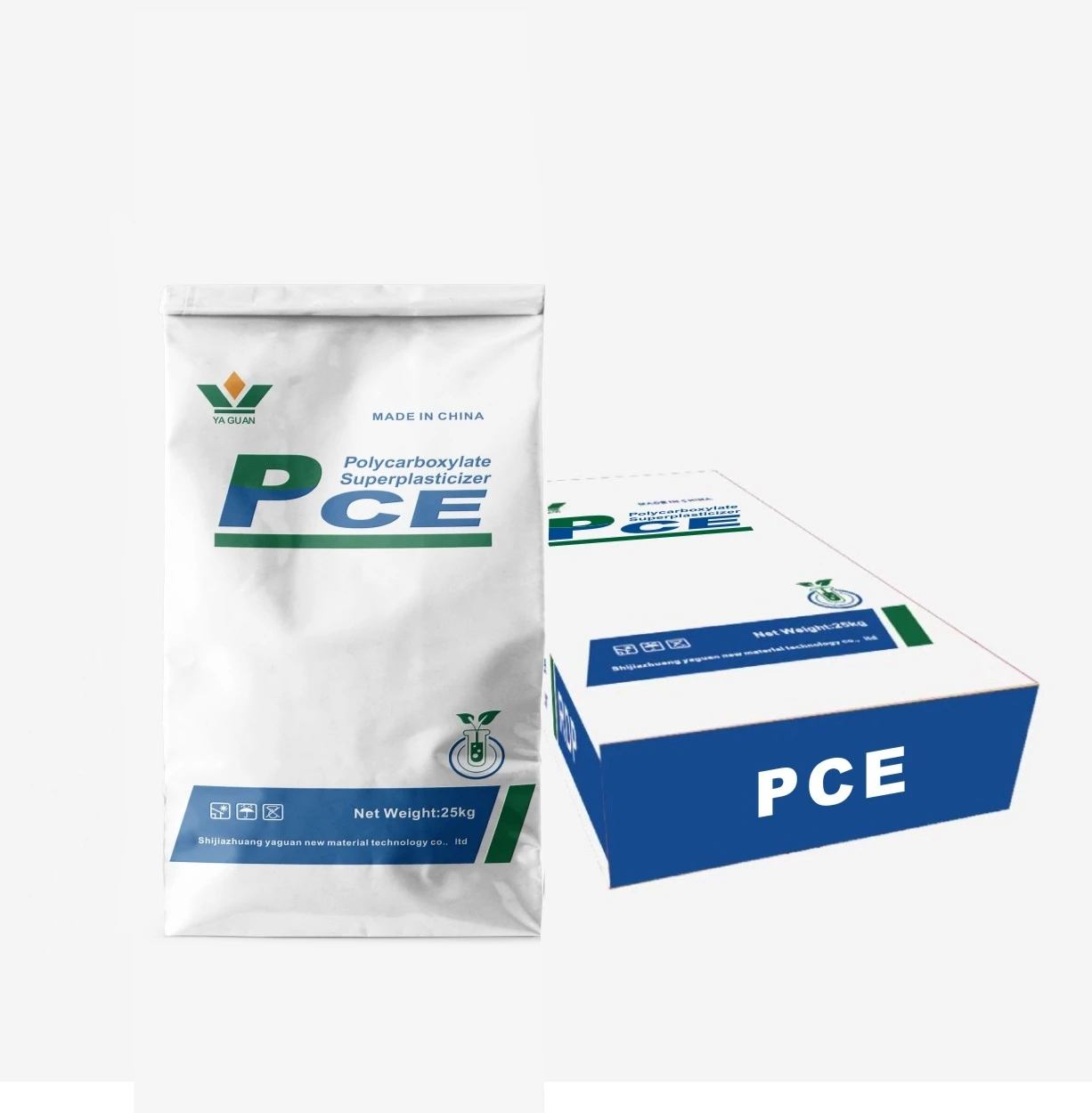
Polycarboxylate-based water reducers are recommended as they provide superior slump retention and strength development even in low-pressure Andean environments.

Can cellulose 2 hydroxyethyl ether be used in Peruvian mining shotcrete?

Yes, it serves as an excellent thickener and stabilizer, improving the cohesion of the shotcrete and reducing rebound loss during application in mine shafts.

How to optimize hydroxypropyl methyl cellulose ether dosage for tile adhesives?

Dosage should be adjusted based on the local sand's water absorption. Typically, 0.2% to 0.5% by weight of cement is used to achieve the ideal balance of sag resistance and workability.

Is generic cellulose ether compatible with local Peruvian cement brands?

While generally compatible, different cement chemistry in Peru can affect the gel time. We recommend a compatibility test to ensure optimal thickening performance.

What are the storage requirements for HPMC in coastal Peruvian warehouses?

Due to high coastal humidity, materials must be stored in a cool, dry, and well-ventilated area, with bags sealed tightly to prevent moisture absorption and clumping.

Request Technical Consultation

Our experts are ready to help you optimize your chemical formulations for the specific requirements of Peru.

Contact Us Now
tel mailto tel goTop
wx
WhatsApp
email
tel
goTop

If you are interested in our products, you can choose to leave your information here, and we will be in touch with you shortly.