
Calcium Methanoate: The Unsung Hero in Modern Industry
Ever stumbled upon calcium methanoate and wondered why it’s being talked about in industrial circles more often nowadays? Well, this seemingly modest compound actually punches well above its weight, finding utility in places ranging from construction additives to environmental solutions. On a global scale, understanding calcium methanoate matters because it’s tied to improved sustainability in manufacturing and waste reduction efforts — areas that resonate with industries seeking greener footprints.
To set the scene, calcium methanoate is stepping into the spotlight as an effective, versatile chemical with multi-industry applications — and the more you dig, the clearer its benefits become.
Global Context: Why Calcium Methanoate Hits the Big Stage
Worldwide industrial processes are continuously evolving, and the call for eco-friendly, cost-effective compounds is louder than ever. According to data from the United Nations Environment Programme (UNEP), by 2030, industries are expected to reduce carbon emissions by at least 30%, and the use of innovative materials like calcium methanoate plays a small but important role in meeting those goals.
The challenge? Many traditional chemical additives are either costly or environmentally problematic. Calcium methanoate offers a compelling alternative, combining performance with relative eco-friendliness. This is especially valuable in regions with emerging industries — say, Southeast Asia or parts of Eastern Europe — where balancing cost and sustainability is still very much a tightrope act.
Mini takeaway: Calcium methanoate aligns with global sustainability efforts and industrial cost-optimization, making it a relevant solution for the 21st century chemical market.
Defining Calcium Methanoate
Simply put, calcium methanoate is the calcium salt of formic acid. Its basic chemical formula is Ca(HCOO)2. It’s a white, odorless, crystalline powder and is highly soluble in water. This little compound connects to modern industry primarily as a corrosion inhibitor, a concrete additive, and a catalyst in various manufacturing processes.
From a humanitarian standpoint, it shows up in cleanup efforts where traditional chemicals might cause harm or leave toxic residues — calcium methanoate tends to be more benign and easier to handle. It even pops up in agricultural products, helping improve soil quality and reduce pests with a smaller environmental footprint.
Key Factors Behind Calcium Methanoate’s Utility
1. Corrosion Resistance
One of the standout features is its ability to inhibit metal corrosion, which is a critical issue in construction, pipelines, and automotive industries. By forming a protective layer on metals, calcium methanoate extends equipment lifespan and reduces maintenance costs — a factor that’s vital in harsh environments like coastal areas or industries dealing with moisture.
2. Eco-Friendly Composition
Unlike some other salts or chemical additives, calcium methanoate breaks down more cleanly and does not accumulate harmful residues. This makes it appealing to manufacturers who want to reduce toxic waste, aligning with ISO environmental standards.
3. Concrete Accelerator
In the building sector, calcium methanoate is used as a curing agent to speed up the setting of concrete—critical when projects face tight timelines or low-temperature conditions that normally slow down curing.
4. Cost Effectiveness
Compared to other corrosion inhibitors or concrete additives, calcium methanoate is reasonably priced and available through multiple suppliers worldwide, which makes sourcing simpler and less prone to supply chain disruptions.
5. Water Solubility & Stability
Its high water solubility helps in easy formulation in liquid products or sprays, while its chemical stability ensures it can be stored and transported without significant degradation.
Mini takeaway: Calcium methanoate’s blend of corrosion protection, eco-compatibility, cost efficiency, and versatility makes it a go-to additive across industries.
How Calcium Methanoate is Used Around the World
Its application is surprisingly broad:
- Construction Industry in Europe: Used as a concrete setting accelerator, especially in colder climates such as Scandinavia.
- Oil & Gas Sector in the Middle East: Employed as a corrosion inhibitor for pipelines subjected to saline conditions.
- Agricultural Inputs in South America: Added to fertilizers for pest control and soil pH buffering.
- Environmental Cleanup Projects: Used to neutralize harmful acids and facilitate biodegradation in contaminated sites.
For instance, in post-disaster reconstruction zones, calcium methanoate’s role in accelerating concrete setting can shave days off rebuilding timelines — essentially speeding up the safe return home for families. In remote industrial zones, its corrosion resistance means less frequent costly repairs.
Product Specifications: Calcium Methanoate at a Glance
| Property | Specification | Typical Value |
|---|---|---|
| Chemical Formula | Ca(HCOO)2 | - |
| Appearance | White crystalline powder | Powder |
| Solubility in Water | Highly soluble | ~3 g/100 mL at 20°C |
| pH (1% solution) | 6.0–8.0 | ~7.5 |
| Purity | ≥ 99% | 99.5% |
Vendor Comparison: Finding the Right Calcium Methanoate Supplier
| Vendor | Price per Ton (USD) | Lead Time | Certifications | Global Reach |
|---|---|---|---|---|
| Yaguan Chemical | $1,200 | 2-3 weeks | ISO 9001, REACH | Worldwide |
| GlobalChem Inc. | $1,350 | 3-4 weeks | ISO 14001 | Europe, Asia |
| ChemSolutions Ltd. | $1,100 | 1-2 weeks | REACH, OSHA | North America |
Why Calcium Methanoate’s Advantages Make Sense Long-Term
At its core, calcium methanoate thrives because of its balance between performance and responsibility. Using it typically lowers overall operational costs by reducing corrosion-related downtime and speeding concrete work. But beyond numbers, it’s about trust — trust that a product won’t backfire with unexpected toxicity or supply delays.
There’s also a subtle emotional angle here: in disaster zones or developing industries, reliable and non-toxic chemicals mean safer workplaces and healthier communities — a dignity aspect that’s often underappreciated in hard technical specs.
Looking Ahead: Innovations and Trends Impacting Calcium Methanoate Use
With the push toward green chemistry, companies are investigating bio-based formic acid precursors to create calcium methanoate through more sustainable pathways. Digital transformation in supply chain logistics also promises faster order fulfillment, meaning industries can rely on timely deliveries more than before.
Automation in mixing and applying calcium methanoate in construction and agriculture could lead to precise dosing, reducing waste. Additionally, policies tightening chemical waste controls worldwide will likely incentivize calcium methanoate’s clean-break advantages.
Challenges and Solutions with Calcium Methanoate
Nothing is perfect, right? Calcium methanoate can have limitations around thermal stability — it decomposes if overheated, which requires careful storage. Also, sourcing consistent high-purity forms can be tricky in less industrialized regions.
Experts suggest maintaining strict temperature control during transport and storage, plus partnering with certified vendors to overcome these issues. Research is ongoing to develop modified calcium methanoate derivatives with enhanced thermal properties — a promising frontier.
Frequently Asked Questions About Calcium Methanoate
- Q: What industries benefit the most from calcium methanoate?
A: Primarily construction, oil & gas, agriculture, and environmental management sectors leverage calcium methanoate for corrosion inhibition, concrete curing, and eco-friendly chemical processes. - Q: How does calcium methanoate improve concrete curing?
A: It accelerates the hardening of concrete by promoting faster hydration reactions, especially useful in cold weather or tight construction schedules. - Q: Is calcium methanoate safe for the environment?
A: Yes, compared to many traditional chemical additives it biodegrades more readily and produces fewer toxic residues, making it a more sustainable choice. - Q: Can calcium methanoate be imported easily for international projects?
A: Absolutely. Many suppliers like calcium methanoate distributors API globally comply with export regulations like REACH and OSHA to facilitate smooth shipments worldwide. - Q: What are typical packaging forms available?
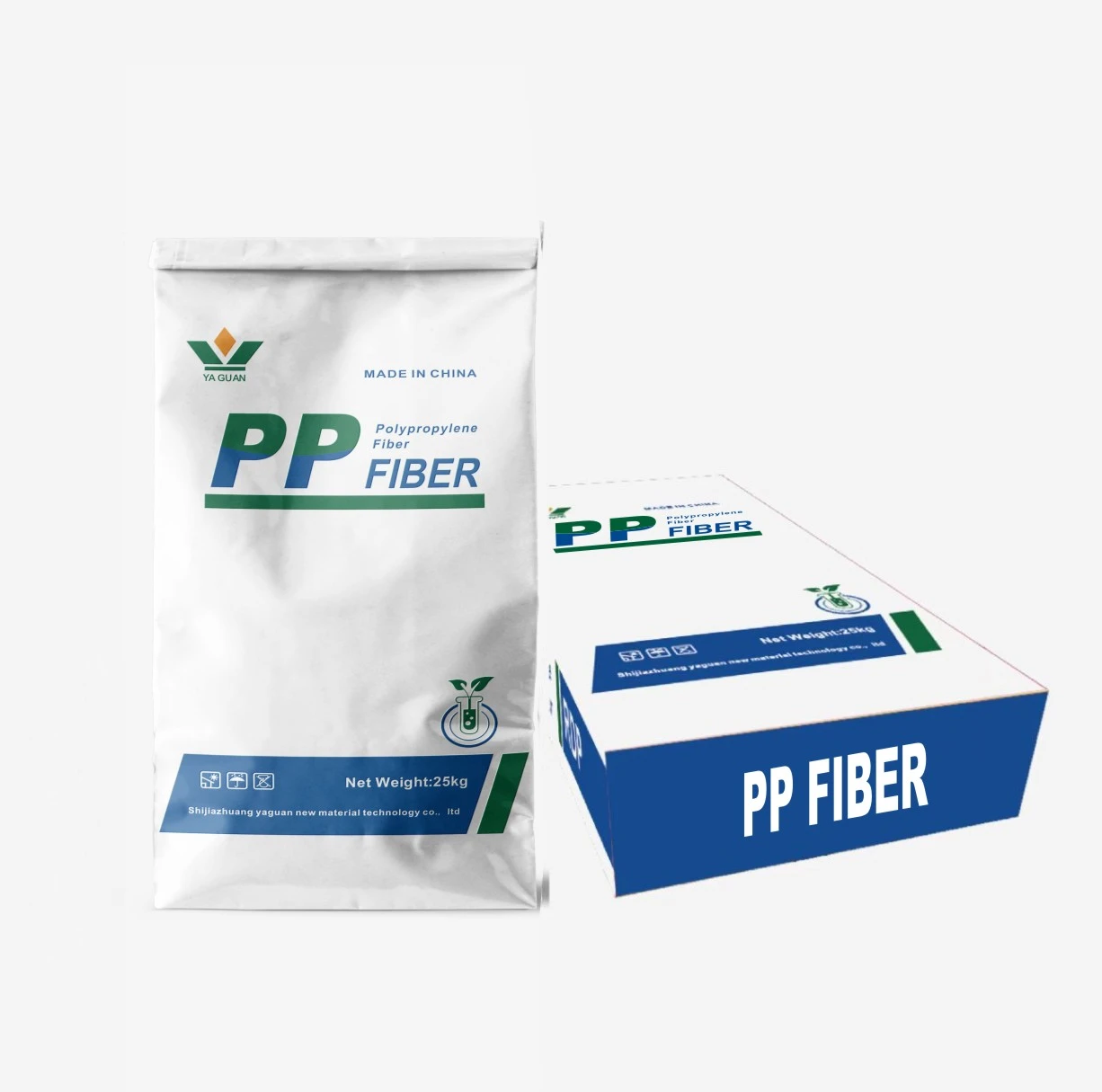
A: Calcium methanoate is commonly supplied as a powder in 25kg bags, but liquid formulations are also available for certain applications.
Wrapping Up: The Future Looks Bright for Calcium Methanoate
Frankly, calcium methanoate punches above its modest profile due to its practical advantages, eco-friendliness, and diverse applications all around the globe. Industries hungry for sustainable yet efficient solutions will find it a handy compound to have in their toolkit.
If you’re curious to explore more or source quality material, why not visit our website and see what cutting-edge calcium methanoate options await? It’s worth the closer look.