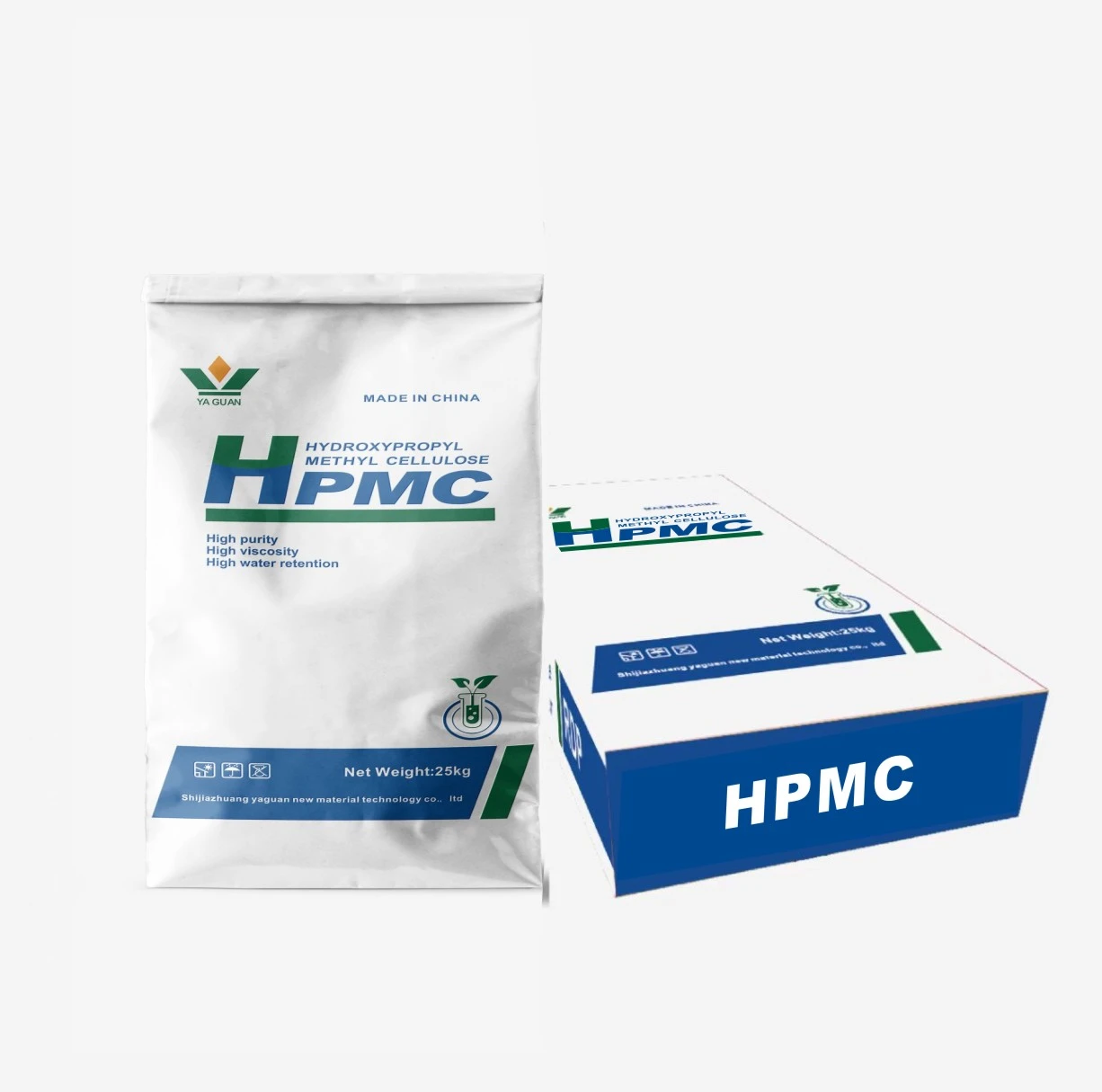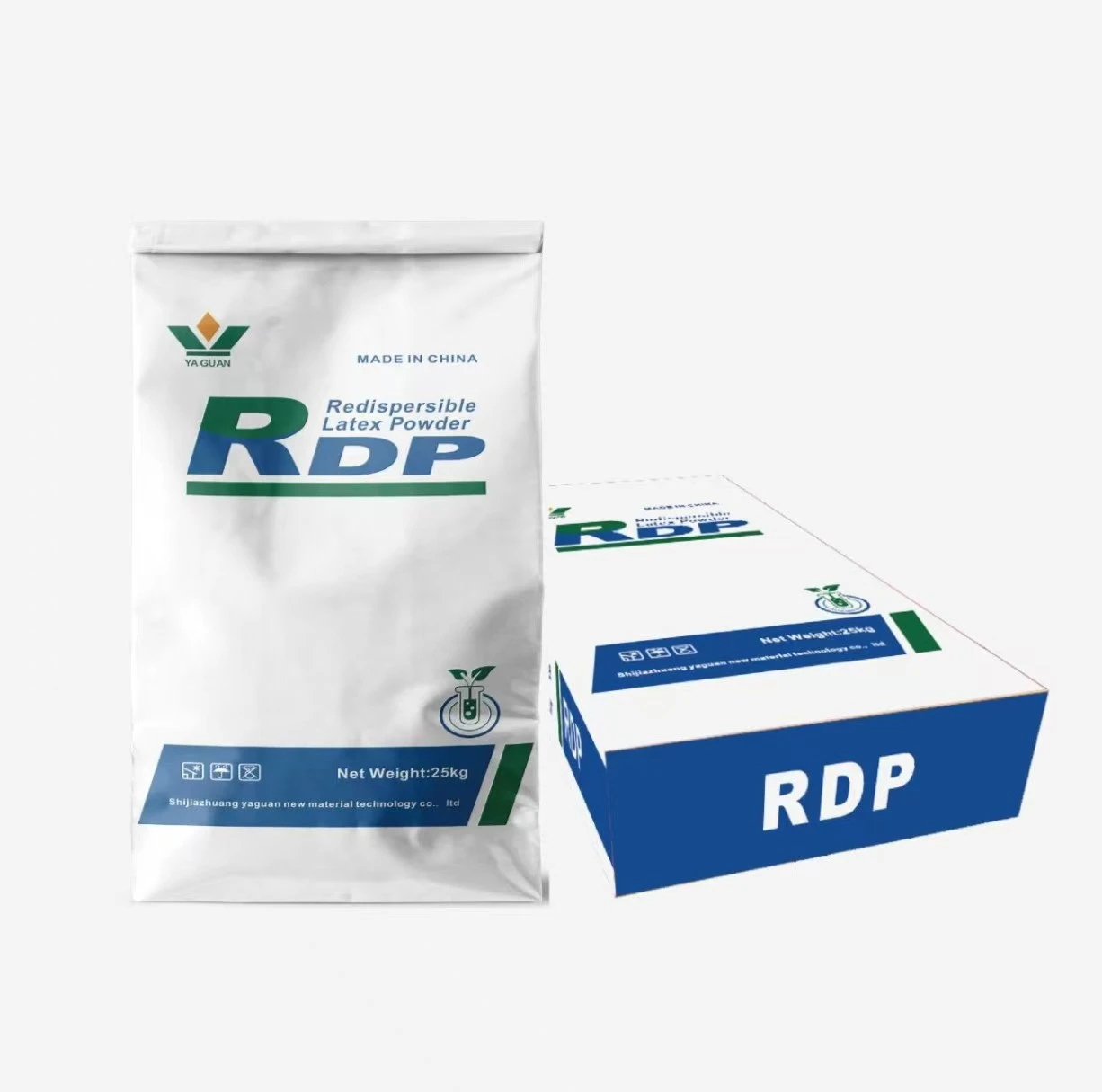

Understanding Redispersible Polymer Powder Types: Why They Matter Globally
Redispersible polymer powder types might sound like a mouthful, but they play a surprisingly crucial role across multiple industries worldwide. Simply put, these are specialized powders that can be mixed back into water to form flexible, adhesive polymers—used mainly in construction materials. The global construction sector alone consumes thousands of tonnes of these powders annually, driven by the rising demand for durable, sustainable building solutions.
Why should you care? Well, whether you’re thinking about stronger cement mixes, more effective tile adhesives, or even humanitarian emergency shelters, understanding these powders brings insight into improving structural longevity, reducing environmental impact, and addressing critical housing needs. It’s more than chemistry; it’s a subtle backbone of modern infrastructure and disaster resilience.
Mini takeaway: Redispersible polymer powders might seem technical, but they’re quietly shaping the future of construction and emergency response worldwide.
Global Perspective: The Rising Demand for Redispersible Polymer Powders
According to recent ISO standards and reports, the building materials market is growing at roughly 6% annually in emerging economies. As urbanization accelerates, there’s an urgent need for materials that blend strength with flexibility. This is exactly where redispersible polymer powder types come in.
Globally, the demand is tied not just to new construction but repair and retrofitting—critical in regions affected by natural disasters like earthquakes or floods. The UN office on disaster risk reduction highlights that resilient building materials can reduce losses by up to 40% in disaster-prone zones.
However, challenges remain: varying standards between regions, raw material costs, and the environmental footprint of polymer production all impact adoption rates. But technology and policy are catching up fast.
Mini takeaway: Redispersible polymer powders answer a growing global call for safe, adaptable, and eco-friendlier construction materials — especially in vulnerable zones.
What Exactly Are Redispersible Polymer Powder Types?
At its core, a redispersible polymer powder (RPP) is a dried polymer dispersion that can be reactivated or “redispersed” in water during mixing. Once added, it enhances the physical properties of cementitious mixes—think improved adhesion, flexibility, and water resistance.
In industry terms, you'll encounter different “types” based on the polymer used—vinyl acetate ethylene (VAE), vinyl chloride ethylene (VCE), or styrene butadiene rubber (SBR)—each offering unique performance characteristics. These powders help ensure materials don’t crack under stress and cope better with environmental shifts.
It’s also worth noting how these powders tie into humanitarian efforts. Their easy storage and transport as powders make them ideal for rapid construction of shelters or infrastructure in crisis zones, where liquid-based adhesives might be impractical.
Mini takeaway: Redispersible polymer powders are powdered polymers that bring versatility and strength to cement and other building mixes when reactivated with water.
Key Factors That Define Redispersible Polymer Powders
1. Durability
One big selling point is how these powders enhance durability. When mixed into mortars or adhesives, they create flexible films inside the hardened mixture, making surfaces resistant to cracking caused by movements or temperature changes. Many engineers say this added resilience drastically extends product life.
2. Adhesion
Better adhesion means stronger bonds between tiles, plasters, or even insulation materials. This reduces failure rates in buildings and improves safety overall. The varied polymer types influence how sticky or elastic the resulting material becomes.
3. Water Resistance
Resistance to moisture intrusion prevents issues like mold growth or freeze-thaw damage. Especially important in humid climates, redispersible powders help waterproof essential elements, adding another layer of protection.
4. Cost Efficiency
Though initial pricing can vary, their effect often leads to savings by reducing repair frequency and extending the usable lifespan of structures. On the flip side, sourcing certain polymers can sometimes increase costs — and more on that later.
5. Compatibility with Other Materials
Whether it’s cement, gypsum, or lime-based mixes, these powders blend well with existing formulations, making them easy to incorporate into standardized production lines.
| Parameter | Typical Range | Units |
|---|---|---|
| Polymer Type | VAE, SBR, or VAE Copolymers | N/A |
| Average Particle Size | 20–40 | Microns |
| Polymer Content | 55–65% | wt % |
| Redispersion Time | 2–3 | minutes |
| Bulk Density | 450–600 | kg/m³ |
Mini takeaway: These powders combine multiple critical traits—durability, adhesion, moisture resistance—all balanced to optimize construction outcomes.
Real-World Applications Everywhere: From Mega Cities to Disaster Zones
Redispersible polymer powders find usage in a surprising variety of contexts. In Europe and North America, they enhance tile adhesives and repair mortars, addressing decades-old building challenges like floor cracking and water ingress. Meanwhile, fast-growing cities in Asia and Africa lean on these powders for cost-effective and resilient public housing initiatives.
In humanitarian scenarios, NGOs depend on specially formulated powders capable of rapid integration into cement mixes, enabling quick assembly of temporary shelters. For example, following the 2015 Nepal earthquake, these powders helped improve masonry mortars used in temporary housing, accelerating safer resettlement.
Industrial sectors also apply these powders for coating insulation panels or waterproofing concrete in remote plants, where longevity and maintenance reduction are vital for continuous operations.
Mini takeaway: From skyscrapers to refugee camps, the adaptability of redispersible polymer powder types unlocks safety and efficiency in all kinds of settings.
The Advantages and Lasting Value of Using Redispersible Polymer Powders
- Cost Savings Over Time: Less frequent repairs and stronger materials save money.
- Environmental Benefits: Many powders now incorporate eco-conscious polymers, reducing VOC emissions and waste.
- Enhanced Safety and Comfort: Improved adhesion and flexibility reduce hazards like falling tiles or crumbling walls.
- Innovation Boost: Continual material science advances improve product formulations, meaning better performance year after year.
- Social Impact: Especially in vulnerable communities, safer houses mean dignity and hope.
In the end, it’s a win-win: manufacturers can market stronger products while communities gain safer, longer-lasting infrastructure.
Future Trends: What’s Next for Redispersible Polymer Powders?
Looking ahead, expect greener formulations as biopolymers and recycled materials enter the fray, driven by increasingly strict environmental regulations and consumer pressure. Digitalization and automation in production will enhance quality control. Smart materials, capable of responding to environmental stimuli, are on the horizon too.
For example, researchers are exploring powders that can self-heal tiny cracks, delaying maintenance indefinitely. And as the global push for net-zero carbon construction grows, these powders could be modified to further reduce embodied carbon in concrete.
Mini takeaway: The future is about cleaner, smarter, and more sustainable polymers—blending chemistry with subtle tech innovation.
Challenges on the Way—and How the Industry is Responding
It’s not all smooth sailing. Among the usual suspects are supply chain bottlenecks for raw polymers, cost fluctuations impacting affordability, and inconsistent standards that slow international adoption.
Some powders may also have limited compatibility with local cement types, requiring customization. Experts are addressing these issues by:
- Standardizing global quality and testing protocols.
- Developing local polymer manufacturing to reduce import reliance.
- Innovating hybrid powders for broader applications.
In a world moving fast, these solutions show the industry’s adaptability—and frankly, that’s reassuring.
| Vendor | Primary Polymer Type | Typical Pricing | Regional Availability | Environmental Certification |
|---|---|---|---|---|
| PolyBond Industries | VAE Copolymers | $$$ | North America, Europe | ISO 14001 |
| AsiaPoly Solutions | SBR-based Powders | $$ | Asia-Pacific | Green Label Certified |
| EcoBuild Polymers | Bio-based VAE | $$$$ | Europe, North America | Cradle to Cradle Certified |
FAQ: Frequently Asked Questions About Redispersible Polymer Powder Types
1. What are the main differences between various redispersible polymer powder types?
They mainly differ by polymer origin—VAE, SBR, or hybrids—which affects flexibility, adhesion, and water resistance. VAE powders typically offer excellent balance, while SBR powders provide higher elasticity. The choice depends on the application demands.
2. Can redispersible polymer powders be used in extreme weather conditions?
Yes, many powders are formulated to withstand temperature swings, UV exposure, and moisture. However, specialized formulations might be needed for harsh climates to maintain long-term performance.
3. Are these powders sustainable or environmentally safe?
Modern powders increasingly incorporate bio-based or recycled polymers and comply with environmental standards. That said, it’s important to check certifications like ISO 14001 or Green Label for confirmation.
4. How do these powders improve the performance of tile adhesives?
They enhance flexibility and adhesion, preventing tiles from cracking or detaching over time due to temperature or building settlement movements. This results in longer-lasting, safer surfaces.
5. Can NGOs source these powders for disaster relief building projects?
Absolutely. The powder form simplifies transport and storage. Many suppliers also provide technical support for rapid deployment mixes. Contacting vendors who specialize in humanitarian-grade products is advisable.
Wrapping It Up: Why Redispersible Polymer Powders Are a Game-Changer
To sum it, redispersible polymer powder types quietly but fundamentally change how we build and rebuild, especially under growing pressures of urban growth, environmental challenges, and humanitarian needs. Their unique blend of durability, cost-effectiveness, and ease of use unlocks huge benefits that ripple through economies and communities.
If you’re involved in construction, materials science, or emergency response, diving deeper is well worth it. For more details, practical guides, or to source quality products, visit https://www.yaguanhpmc.com.