
The Many Practical Uses of Tylose Powder: Why It’s Gaining Global Attention
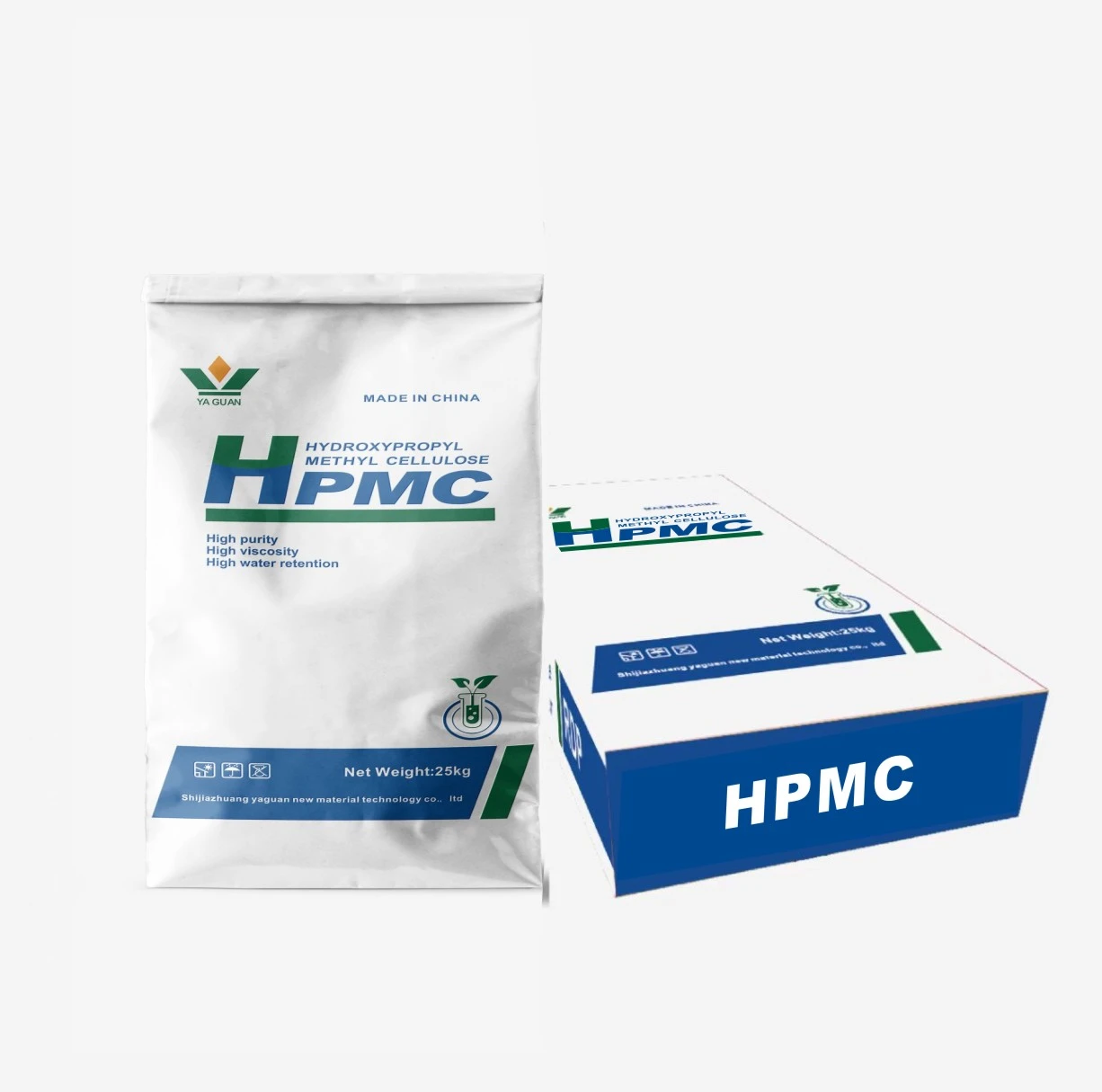
Tylose powder might sound like an obscure ingredient from a chemistry lab, but it’s actually a quiet superstar in various industries worldwide. From pharmaceuticals to construction, and even craftmaking, the uses of Tylose powder reveal a story of versatility, efficiency, and sustainability—all traits worth knowing in today’s fast-paced, resource-conscious markets. Understanding this humble compound is more than just academic; it unlocks better product design, cost savings, and improved performance in countless applications.
Why Tylose Powder Matters in a Global Context
Globally, industries grapple with balancing quality, durability, and eco-friendly solutions at reasonable costs. According to a 2022 ISO report, demand for cellulose derivatives, including Tylose powder (a form of hydroxypropyl methylcellulose or HPMC), has been rising steadily—forecasted to grow by roughly 5% annually in packaging, pharmaceuticals, and construction sectors. This surge reflects broader trends: rising urbanization, stricter environmental regulations, and the quest for innovative materials that serve multiple purposes yet remain safe for human use.
Its role in addressing persistent challenges—such as enhancing powder flow in tablet manufacturing, stabilizing plaster and cement, or improving cosmetic formulations—places Tylose powder right at the intersection of industrial need and material science breakthroughs. In simpler terms, it helps industries “work smarter.”
What Exactly Are the Uses of Tylose Powder?
In a nutshell, Tylose powder is a chemically modified cellulose derivative that works wonders as a thickener, binder, stabilizer, and film former. Derived from plant fibers, it dissolves in water to create gels or viscous solutions, which is what makes it invaluable across so many fields.
Whether you’re producing fast-setting tiles, smooth skincare creams, or reliable paint formulations, Tylose acts behind the scenes to ensure consistent quality and performance—qualities crucial in both factories and end-user products.
Core Features That Define Tylose Powder’s Practical Value
1. Thickening & Binding Efficiency
Tylose powder excels at adjusting viscosity without choking the product. For example, in tile adhesives or plasters, it improves spreadability and adhesion, reducing cracks or crumbles after drying. If you’ve ever wondered why some paints flow effortlessly yet stay put on vertical surfaces, Tylose is often the secret behind that smooth balance.
2. Moisture Retention
A key factor in construction materials and cosmetics, Tylose’s water-holding capacity enhances curing times and prevents premature drying, ultimately improving durability. This quality also makes it ideal for keeping semi-moist products stable during storage or transport.
3. Stability Enhancer
In tablet manufacturing or lotions, Tylose stabilizes the mixture, preventing ingredient separation and ensuring uniformity throughout the batch. I’ve heard many pharmacists rely heavily on it for consistent drug delivery—talk about trust in a powder!
4. Film Formation
If you need a clear, flexible film on a surface—say, in protective coatings or glue formulations—Tylose delivers that without cracking or peeling, which is a rare find among cellulose derivatives.
5. Non-Toxic and Biodegradable
Since Tylose is plant-based and non-toxic, it ticks many boxes for green product certifications. This factor aligns perfectly with contemporary sustainability trends, providing manufacturers with a safer, eco-friendly option.
Global Applications & Real-World Use Cases of Tylose Powder
- Construction Industry: In Asia and Europe, Tylose powder is crucial in preparing tile adhesives, plasterboards, and cement-based mortars, boosting flexibility and workability.
- Pharmaceuticals: Used worldwide for pills and capsules, Tylose assists in controlling disintegration and drug release, valued especially in generic medicine production.
- Cosmetics & Personal Care: From creams to mascaras, Tylose ensures smooth texture and even application, popular in North American and EU markets focusing on natural ingredients.
- Food Industry: It finds a niche role in stabilizing sauces or dairy products, mainly in industrial food processing in South America.
For instance, after the 2020 floods in Southeast Asia, several NGOs turned to Tylose-based plaster repairs because of their quick drying and mold-resistant properties—improving infrastructure resilience rapidly, which is pretty impactful when rebuilding lives.
Advantages and Lasting Value of Using Tylose Powder
Tangible benefits abound: lower production costs, improved product lifespan, and compliance with environmental regulations top the list. But beyond numbers, Tylose empowers companies to innovate while delivering safer products—which in the long run means more trust from customers and less waste.
It’s kind of the unsung hero that supports social good through better building materials in disaster-prone zones or more reliable medicinal tablets in underserved regions. You might say it’s a small win with a big ripple effect.
Looking Ahead: Trends and Innovations Around Tylose Powder
As industries lean toward automation and smart manufacturing, Tylose formulations are evolving. R&D labs are now experimenting with modified Tylose powders to enhance thermal resistance or integrate with nano-coatings to deliver next-level material performance.
Interestingly, there’s growing interest in combining Tylose with bio-based plastics to reduce reliance on synthetics—exactly the kind of synergy modern sustainability frameworks encourage. It almost feels like Tylose is quietly aligning itself with the green revolution.
Common Challenges and How the Industry is Tackling Them
Despite its strengths, Tylose powder does have some limitations like sensitivity to extreme pH levels or certain ionic solutions, which can affect gel consistency. But innovative formulations and precise quality control methods are increasingly mitigating these issues.
Also worth noting is the supply chain dependency on cellulose sources—this is a bottleneck some manufacturers address by sourcing certified sustainable materials and investing in more efficient extraction technologies.
Frequently Asked Questions About Uses of Tylose Powder
- Q1: Can Tylose powder improve the shelf life of cosmetic creams?
- A1: Absolutely. Tylose acts as a stabilizer and thickener in creams, preventing ingredient separation and maintaining texture for longer durations, which directly extends product shelf life.
- Q2: Is Tylose powder safe for pharmaceutical applications?
- A2: Yes, Tylose (HPMC) is widely accepted as a safe excipient in pharmaceutical formulations worldwide. It acts as a binder and controlled-release agent, complying with stringent health regulations.
- Q3: How does Tylose powder enhance tile adhesives compared to without it?
- A3: Tylose increases flexibility and water retention in adhesives, reducing cracking and improving bonding on uneven surfaces, which means longer-lasting tile installations even under stress.
- Q4: Can Tylose powder be used in gluten-free baking?
- A4: Yes, it often serves as a thickening and binding agent in gluten-free recipes to mimic gluten’s structural role, improving texture and dough handling.
- Q5: Is sourcing Tylose powder environmentally sustainable?
- A5: When sourced from certified cellulose plantations, Tylose powder is biodegradable and environmentally friendly. Choosing suppliers with sustainable practices ensures minimized ecological impact.
Product Specifications of Common Tylose Powders
| Specification | HPMC Grade A | HPMC Grade B | HPMC Grade C (High Viscosity) |
|---|---|---|---|
| Viscosity (mPa·s, 2% solution) | 1000–1500 | 4000–5500 | 8000–12000 |
| pH (2% solution) | 5.0–7.0 | 5.5–7.5 | 6.0–7.5 |
| Water Retention (%) | 70–80 | 85–90 | 90–95 |
| Typical Applications | Paints, adhesives | Plasters, pharmaceuticals | High-performance mortars |
Comparing Top Tylose Powder Suppliers
| Vendor | Product Range | Sustainability Practices | Global Reach | Price Competitiveness |
|---|---|---|---|---|
| Supplier A | Wide (10+ grades) | ISO 14001 certified | Americas, Europe, Asia | Moderate |
| Supplier B | Focused (3 main grades) | Partial green sourcing | Europe, Asia | Competitive |
| Supplier C | Limited (2 grades) | No formal policy | Local/regional | Lowest |
Final Thoughts on the Uses of Tylose Powder
Tylose powder’s many uses stretch across industries and geographies, quietly shaping the way products perform and how companies meet growing demands for quality and sustainability. Its adaptability—from construction sites to chemistry labs—makes it a practical choice for innovators looking to unlock value while respecting environmental considerations.
If there’s one takeaway, it’s this: Tylose shows us that sometimes, the best solutions come in small, unassuming packages that deliver big benefits over time.
For more insights and product details, visit our website.