
Understanding polycarboxylate concrete: The Backbone of Modern Construction
Having clocked over a decade in the industrial equipment sector—far enough to witness shifts and pivots in concrete technology—I find polycarboxylate concrete fascinates me endlessly. It’s almost like watching an old reliable truck evolve into a sleek hybrid vehicle. You still get the base functionality, but with so many bells and whistles added in for efficiency and performance.
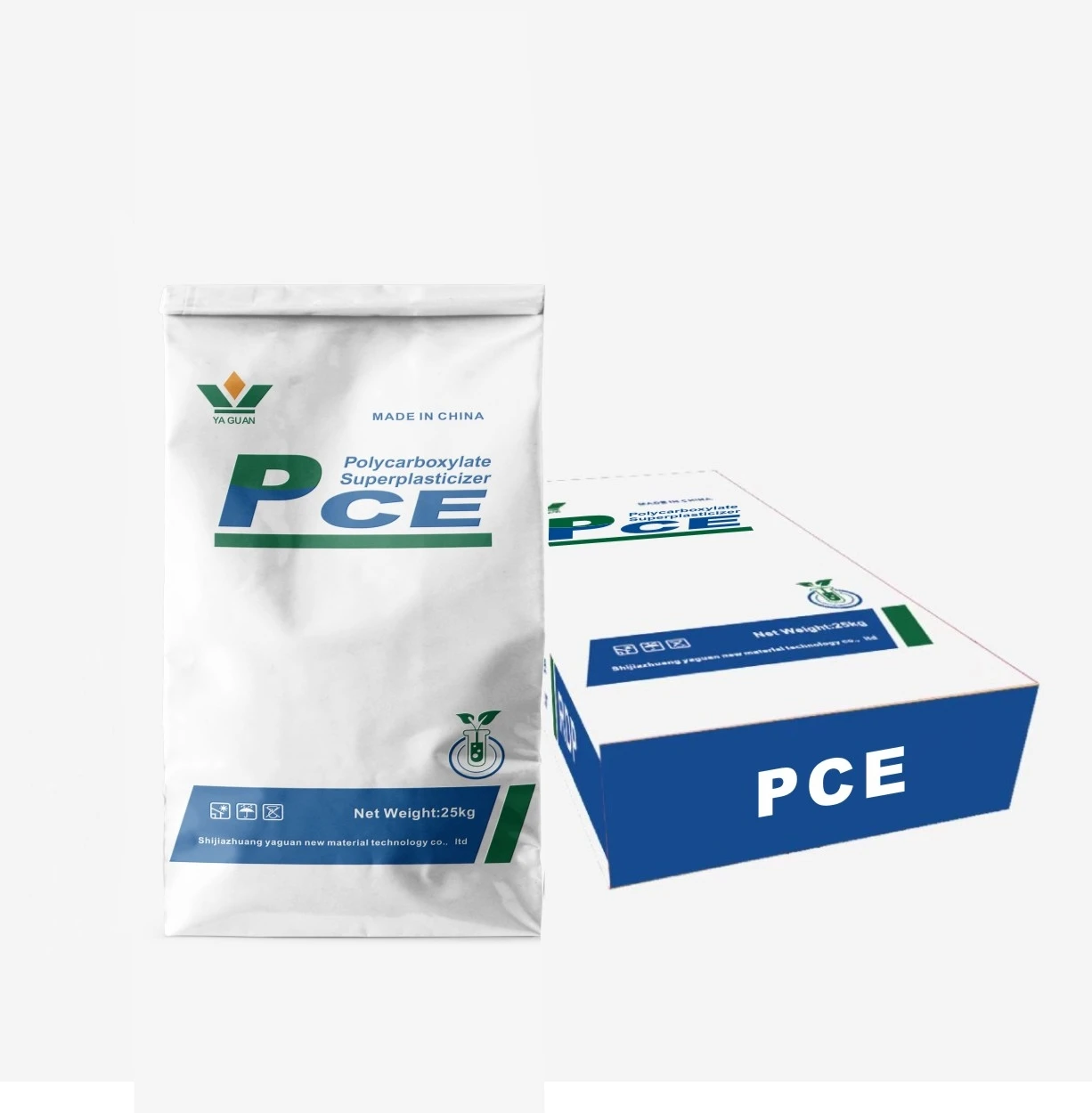
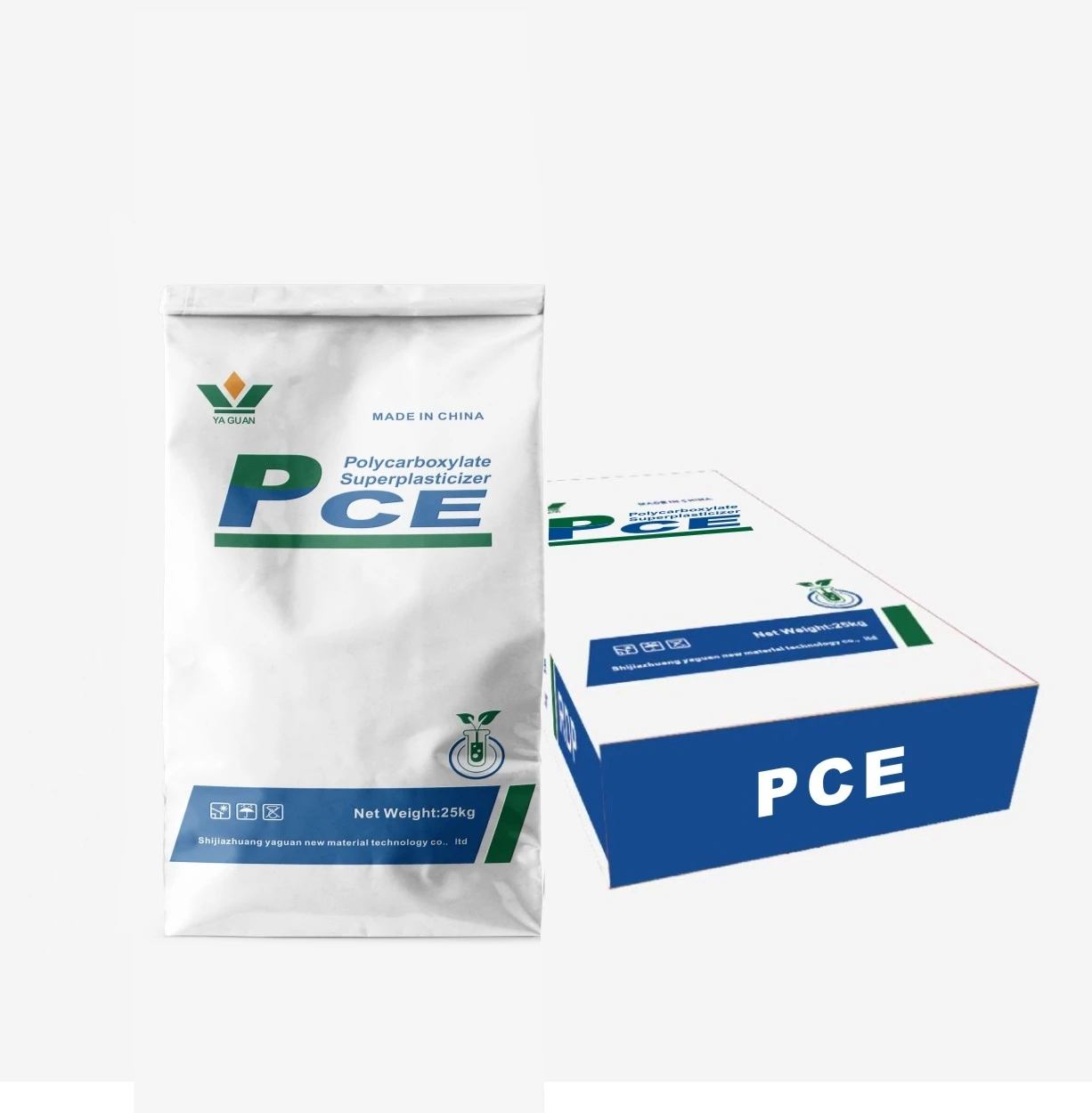
Polycarboxylate ether (PCE) based additives have transformed how concrete mixtures behave. The major game-changer? Water reduction without sacrificing workability. In real terms, it means you get stronger, more durable concrete that’s also easier to pour and finish. Many engineers I’ve talked to swear by it, especially when tackling large-scale infrastructure projects where every minute saved on the job site counts.
The science behind it is intriguing. Polycarboxylates act as superplasticizers—they disperse cement particles uniformly, improving fluidity. This reduces water demand drastically while enhancing fresh concrete’s flow, which translates to higher compressive strength and reduced permeability.
Product Specifications: Typical Polycarboxylate Concrete Additive
| Specification | Value |
|---|---|
| Appearance | Light yellow to brown liquid |
| Solid Content | 40% ± 2% |
| pH Value | 6 - 8 |
| Density (20°C) | 1.06 - 1.09 g/cm³ |
| Water Reduction | Up to 30% |
| Shelf Life | 12 months (in sealed container) |
You know, oddly enough, one of my clients once mentioned that switching to polycarboxylate additives noticeably decreased their daily slump test failures. The concrete was just so much easier to handle on site—even with hotter weather conditions that tend to dry things out. It’s always reassuring when real-world experience backs up lab data like that.
When it comes to sourcing, it’s important to pick reliable vendors. Variety in molecular structure allows customization for different applications—say, ready-mix versus precast, or infrastructure projects versus decorative concrete. I’ve seen how some suppliers offer higher quality controls and better technical support, which frankly makes a big difference during tight deadlines.
Vendor Comparison: Polycarboxylate Concrete Additive Suppliers
| Supplier | Product Range | Technical Support | Typical Lead Time |
|---|---|---|---|
| Yaguan HPMC | Broad, customizable PCE additives | Dedicated technical team | 2-3 weeks |
| Supplier B | Standard PCE product line | Email support only | 4-6 weeks |
| Supplier C | Limited selection of additives | Basic phone support | 3-4 weeks |
Frankly, the choice often comes down to more than just specs on paper. The ability to tweak the product for specific jobsite conditions is a huge plus. And having a vendor who understands the industrial equipment side of things—who knows what it’s like balancing concrete chemistry with real-world constraints—makes a supplier like Yaguan HPMC stand out.
So if you’re evaluating options, keep an eye on additive performance, but also on the kind of partnership you’ll get. Those longer conversations often save time and money in the long haul.
To sum it up: polycarboxylate concrete technology feels like a subtle, yet profound upgrade in concrete chemistry. It’s a tool that, when understood and used well, can elevate project outcomes from satisfactory to exceptional.
— Thomas J., Industrial Equipment Specialist
Reflection: After years working closely with these materials, I find that embracing these innovations in admixtures—like polycarboxylates—is key to future-proofing construction methods. Materials science continues to surprise us. I’ll be watching how this chemistry evolves next.
- ACI 212.3R-10: Report on Chemical Admixtures for Concrete
- RILEM Recommendations on Superplasticizers and Polycarboxylates
- Yaguan HPMC Technical Datasheets and Case Studies