

logo

High-Performance hydroxypropyl methyl cellulose ether Solutions for Argentina

Advanced synthetic materials engineered for the diverse climatic demands of the Argentine construction and chemical industries.

High-Performance hydroxypropyl methyl cellulose ether Solutions for Argentina

Providing professional-grade cellulose ether derivatives to enhance water retention, workability, and durability in high-stress industrial environments.

Chemical Material Landscape in Argentina

Analyzing the synergy between synthetic polymers and regional environmental challenges.

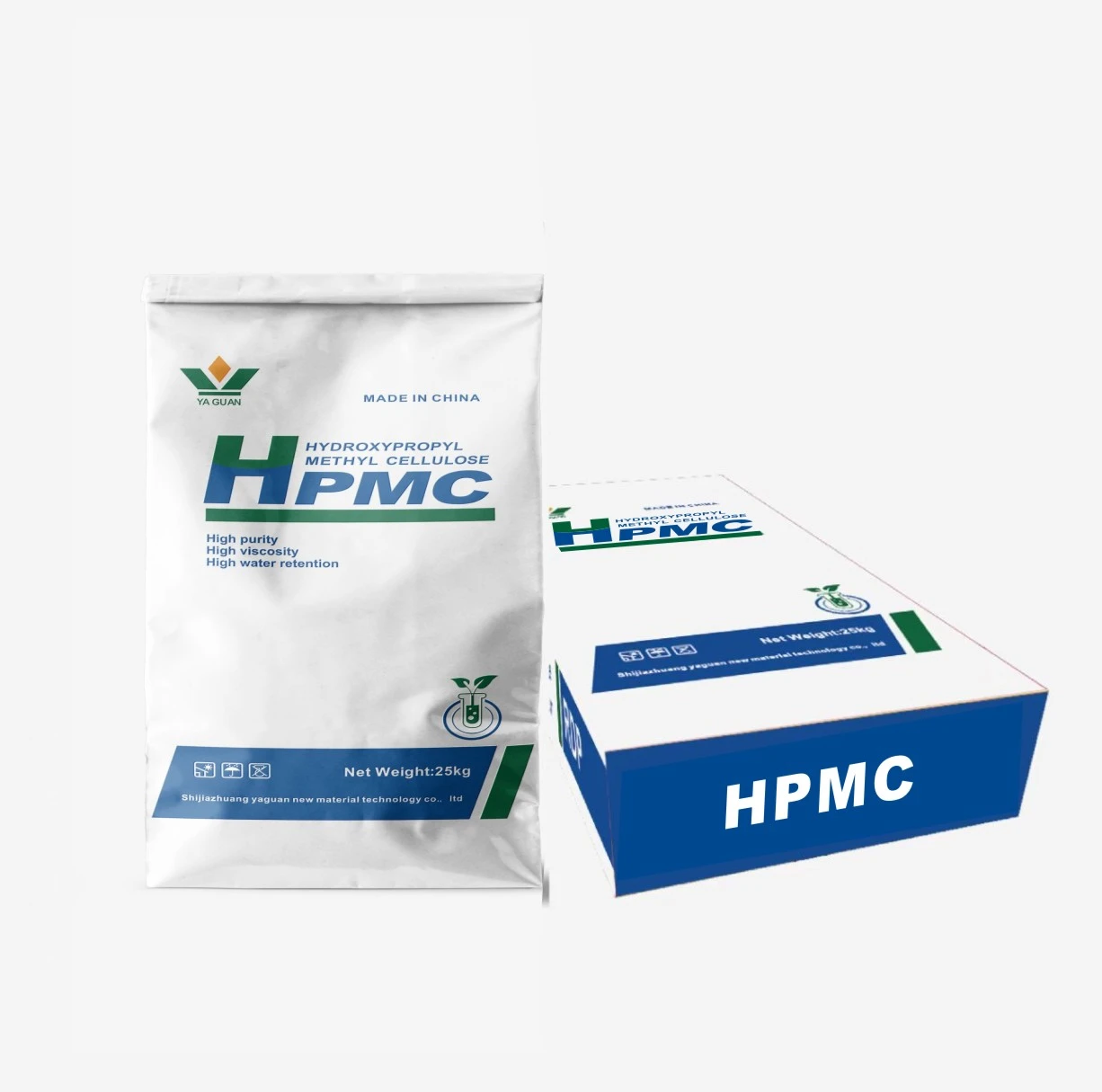
Argentina's construction and chemical sectors face unique challenges due to the vast climatic variation between the humid Pampas and the arid regions of Patagonia. The adoption of cellulose ether hpmc has become critical for stabilizing mortars and adhesives against rapid evaporation in dry climates.

Economic fluctuations in the region have pushed local manufacturers toward high-efficiency additives. The integration of water reducing admixture technologies allows Argentine firms to reduce raw material costs while increasing the structural integrity of high-rise developments in Buenos Aires.

Furthermore, the industrial focus is shifting toward "Green Chemistry," where biodegradable cellulose 2 hydroxyethyl ether is being explored to meet stricter environmental regulations regarding volatile organic compounds (VOCs) in the South American market.
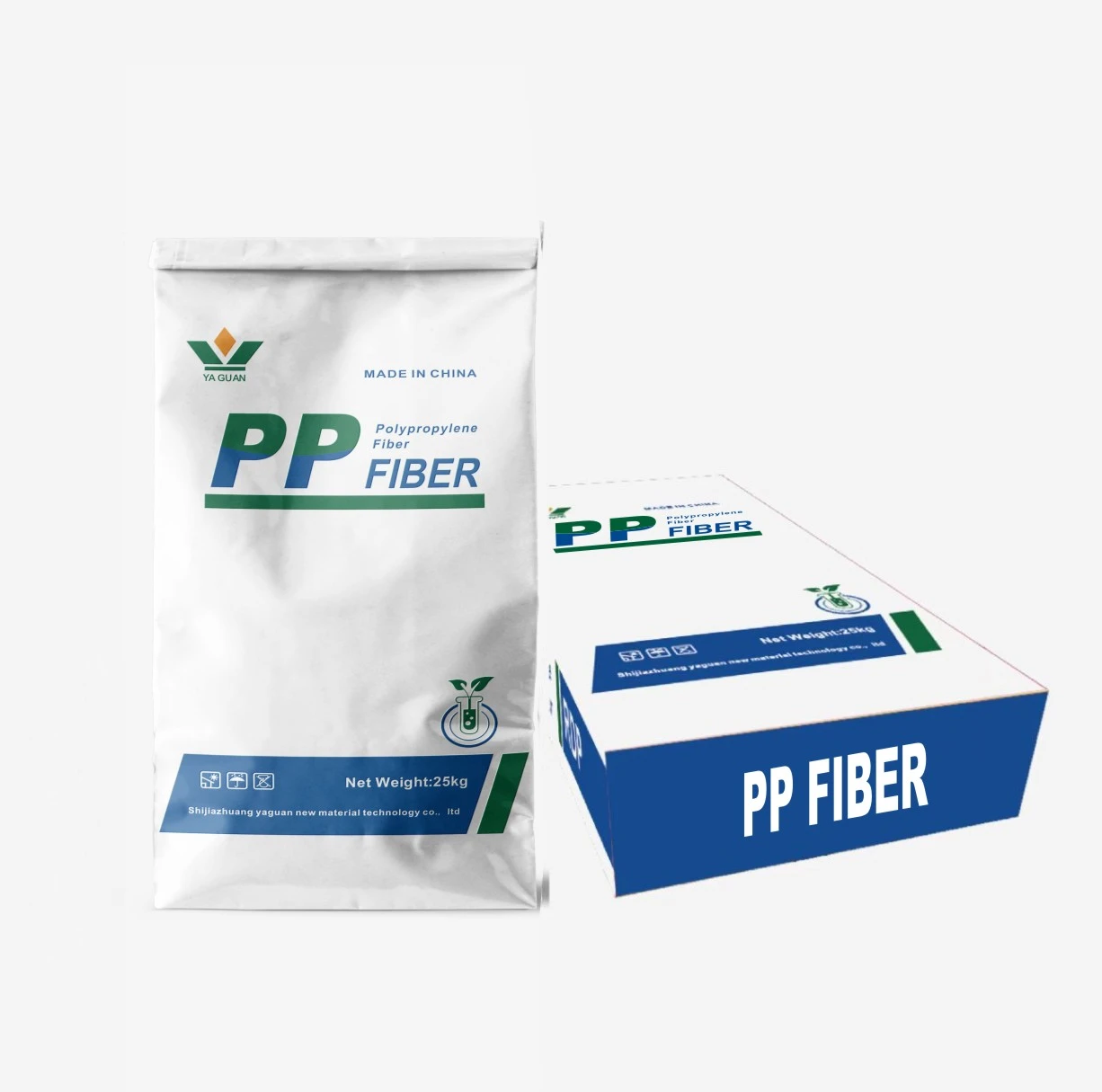
Evolution of Synthetic Material Technology

From traditional binders to smart chemical additives.

Market Development History

Prior to the 2000s, the Argentine market relied heavily on basic starch-based thickeners. However, the introduction of refined cellulose ether brought a revolution in rheology control, enabling the production of self-leveling compounds.

Between 2010 and 2020, the industry witnessed a transition toward specialty polymers. The widespread adoption of HPMC provided superior open-time and sag resistance, essential for the complex architecture emerging in urban centers.

Currently, the market has entered the era of "Precision Chemistry," where customized viscosity grades are developed to combat specific saline soil conditions found in coastal Argentine provinces.

Future Development Trends

Eco-Friendly Polymer Synthesis

A transition toward bio-based precursors to reduce the carbon footprint of synthetic material production.

Nanotechnology Integration

Combining cellulose ethers with nano-silica to create ultra-high-performance barriers against moisture infiltration.

Smart Rheology Control

Development of temperature-responsive additives that maintain stability despite extreme thermal shifts in the Andean regions.

Industry Outlook and Future Projections

Strategic forecasts for the specialty chemical sector in Argentina.

Sustainability Shift
Increasing demand for biodegradable additives to align with global ESG standards.
Digital Formulation
Use of AI to optimize additive dosages for specific regional cement types.
Infrastructure Boom
Renewal of urban transport hubs driving demand for high-strength additives.
Performance Hybridization
Combining cellulose ethers with advanced superplasticizers for zero-slump concrete.

Industry Outlook

Based on Google search trends in the Southern Cone, there is a growing interest in "low-carbon building materials." We predict that the demand for high-purity HPMC will increase by 15% annually as Argentina transitions toward sustainable urban development.

The synergy between synthetic polymer manufacturers and local engineering firms will be the key driver, moving from generic product sales to customized chemical solutions that address the specific geothermal properties of the region.

Localized Application Scenarios in Argentina

Practical implementation of chemical additives across various regional sectors.

1. High-Rise Construction in Buenos Aires

Utilizing hydroxypropyl methyl cellulose ether in tile adhesives to prevent slip and ensure long-term bonding in humid metropolitan climates.

2. Industrial Flooring in Rosario

Integrating water reducing admixture to create high-density, crack-resistant industrial floors for the agricultural logistics sector.

3. Exterior Plastering in Mendoza

Applying high-viscosity cellulose ethers to counteract the intense solar radiation and wind, preventing premature drying and shrinkage cracks.

4. Specialized Coatings for Patagonia

Using cellulose 2 hydroxyethyl ether in moisture-proof coatings to protect structures from extreme cold and frost cycles.

5. Precast Concrete Elements in Cordoba

Optimizing the flow and stability of precast elements through precision-graded cellulose ethers, ensuring consistency across mass production.

Brand Story

Global Development Journey of Shijiazhuang Yaguan New Material Technology Co., Ltd.

Foundational Excellence

Established with a mission to bridge the gap between raw chemical synthesis and practical construction needs, focusing on purity and stability.

Technological Breakthrough

Perfecting the etherification process to produce HPMC with precise viscosity ranges, solving the "open-time" pain point for global contractors.

Global Expansion

Extending our footprint into South America, providing tailored technical support for the unique environmental conditions of the region.

Quality Certification

Achieving international standards in quality management, ensuring every batch delivered to Argentina meets rigorous industrial benchmarks.

Sustainable Future

Investing in green synthesis technologies to ensure that the future of synthetic materials is both high-performance and eco-friendly.

Comprehensive Product Portfolio for Argentina

A complete range of synthetic materials designed for regional industrial success.

Technical FAQ for the Argentine Market

Expert answers to common challenges in cellulose ether application.

How does cellulose ether hpmc affect open time in hot climates?

It significantly extends the open time by retaining water within the mortar matrix, preventing rapid dehydration caused by high temperatures.

What is the best water reducing admixture for high-strength concrete?

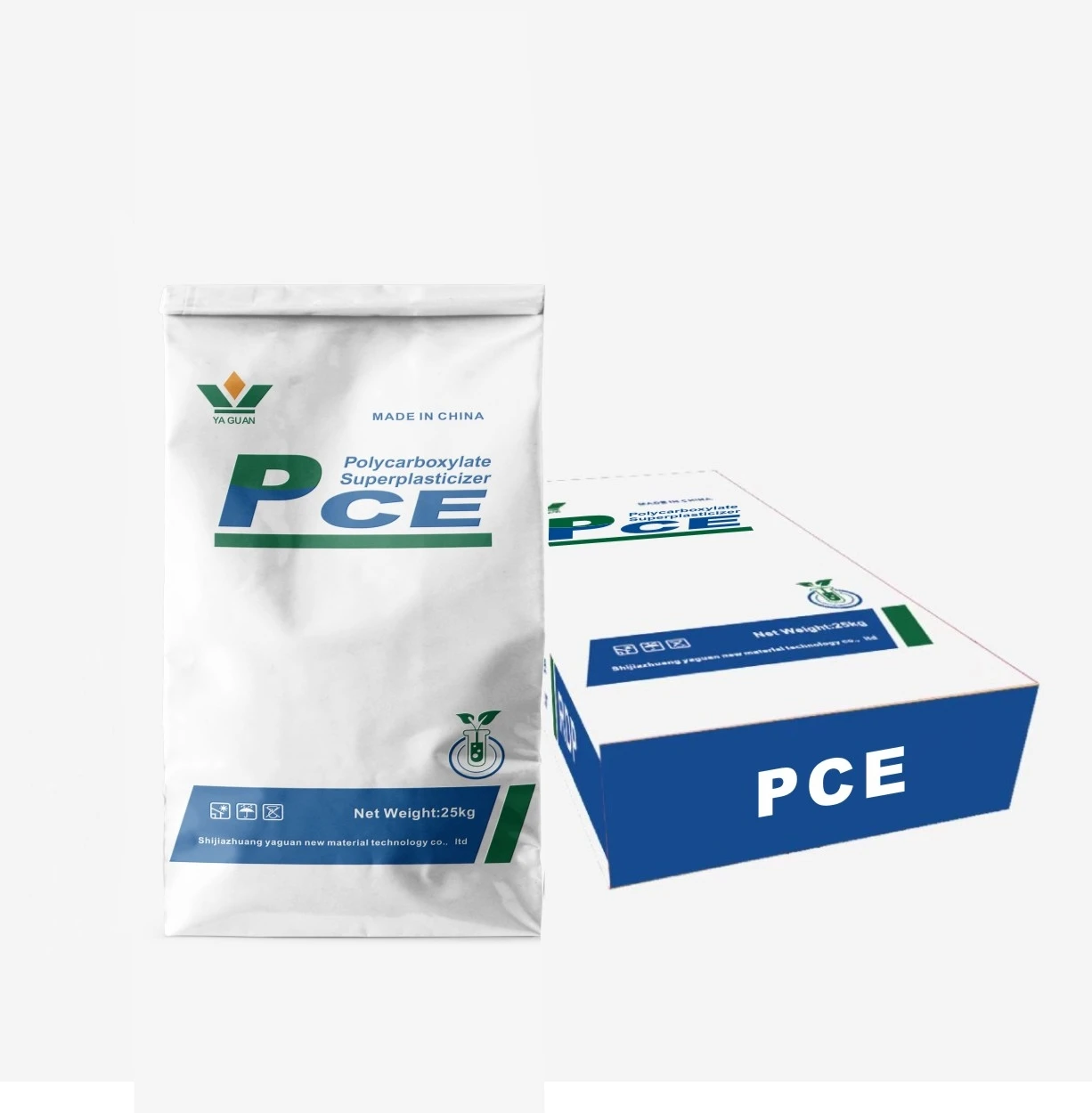
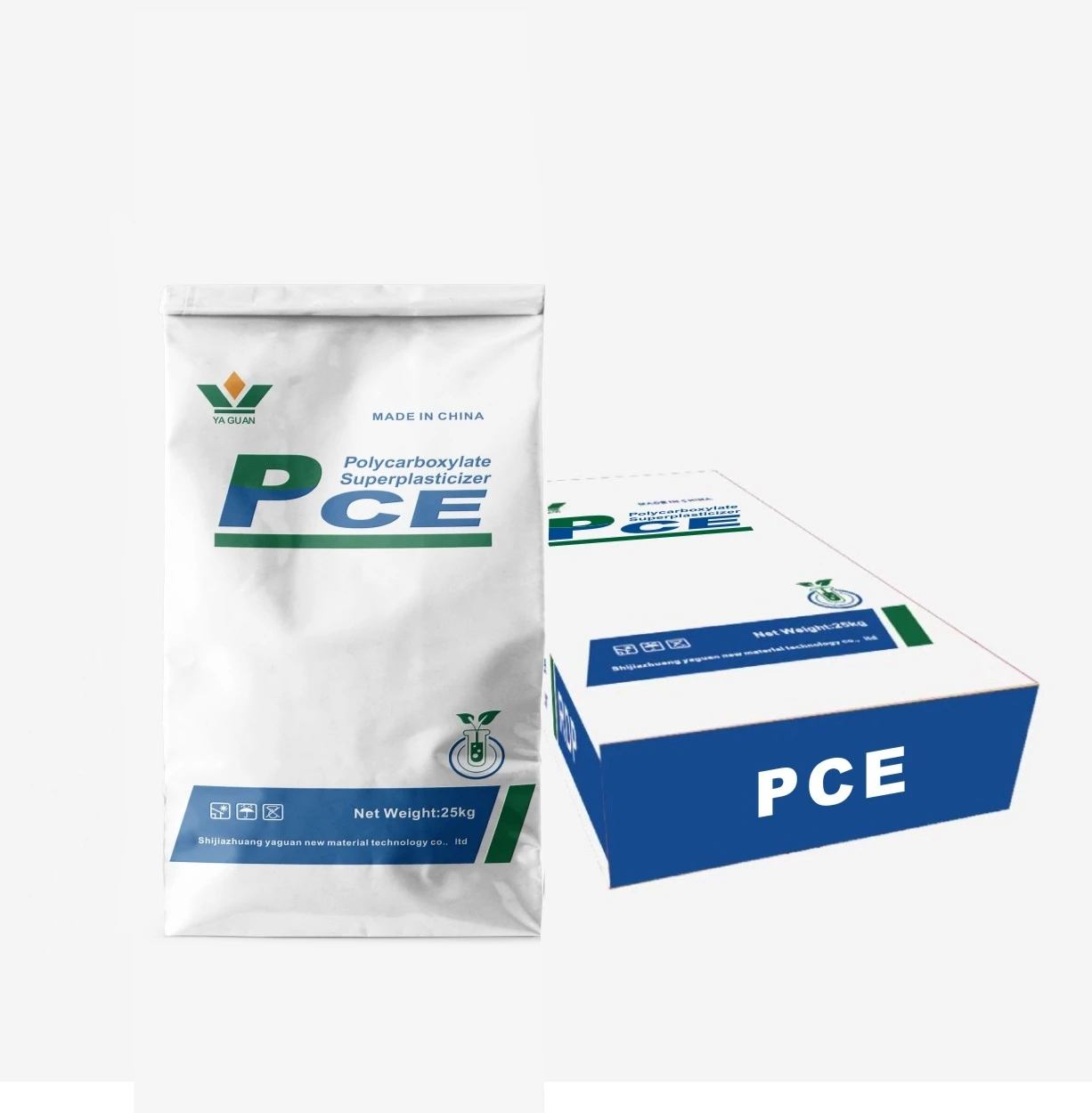
Polycarboxylate-based admixtures are recommended for maximum water reduction while maintaining excellent workability and flow.

Can hydroxypropyl methyl cellulose ether be used in saline environments?

Yes, but we recommend specific salt-resistant grades to ensure that viscosity remains stable in the presence of chlorides.

What is the difference between cellulose ether and HPMC?

Cellulose ether is a broad category of polymers; HPMC is a specific type known for its superior thickening and water-retention properties.

How to optimize cellulose 2 hydroxyethyl ether for coatings?

Adjust the substitution degree and molecular weight to achieve the desired rheological profile and film-forming capacity.

Which cellulose ether is best for self-leveling compounds?

A combination of low-viscosity HPMC and a high-efficiency water reducer is ideal for achieving a smooth, bubble-free surface.

Connect with Our Technical Experts

Get customized formulation support for your projects in Argentina. Our team is ready to help you optimize your chemical materials.

Contact Us Now
tel mailto tel goTop
wx
WhatsApp
email
tel
goTop

If you are interested in our products, you can choose to leave your information here, and we will be in touch with you shortly.