

logo

High-Performance Hydroxypropyl Methyl Cellulose Ether Solutions for Ecuador

Advancing Ecuadorian construction and industrial manufacturing with precision-engineered specialty chemicals for superior rheology and water retention.

High-Performance Hydroxypropyl Methyl Cellulose Ether Solutions for Ecuador

Our advanced chemical additives are specifically formulated to withstand the diverse climatic conditions of Ecuador, ensuring structural integrity and efficiency in every application.

Chemical Manufacturing Landscape in Ecuador

Analyzing the demand for specialty synthetic materials in the Andean and Coastal regions.

In Ecuador, the construction and specialty chemical sectors face unique challenges due to the drastic contrast between the humid Coastal regions and the high-altitude Andean highlands. The demand for high-quality cellulose ether has surged as local builders seek to reduce cracking in mortar and plaster under extreme humidity and temperature fluctuations.

The industrial landscape is currently transitioning from basic additives to sophisticated synthetic materials. Local manufacturers are increasingly integrating cellulose ether hpmc to improve the workability of cementitious products, which is critical for the rapid urbanization seen in cities like Quito and Guayaquil.

Furthermore, the integration of a water reducing admixture has become essential for Ecuador's infrastructure projects, allowing for high-strength concrete that can survive seismic activity while maintaining low permeability against tropical rainfall.

Evolution of Synthetic Material Technology in Ecuador

From traditional binders to advanced molecular engineering.

Market Development History

Until the early 2000s, the Ecuadorian market relied heavily on basic starch-based thickeners and imported low-grade polymers. However, between 2005 and 2015, the shift toward cellulose 2 hydroxyethyl ether began, providing better stability and heat resistance for industrial coatings and adhesives used in local agriculture and manufacturing.

By 2016, the introduction of high-purity grades of HPMC revolutionized the dry-mix mortar industry in South America. The focus shifted from mere thickening to precise water retention control, which is vital for the slow-curing processes required in the high-altitude environments of the Sierra region.

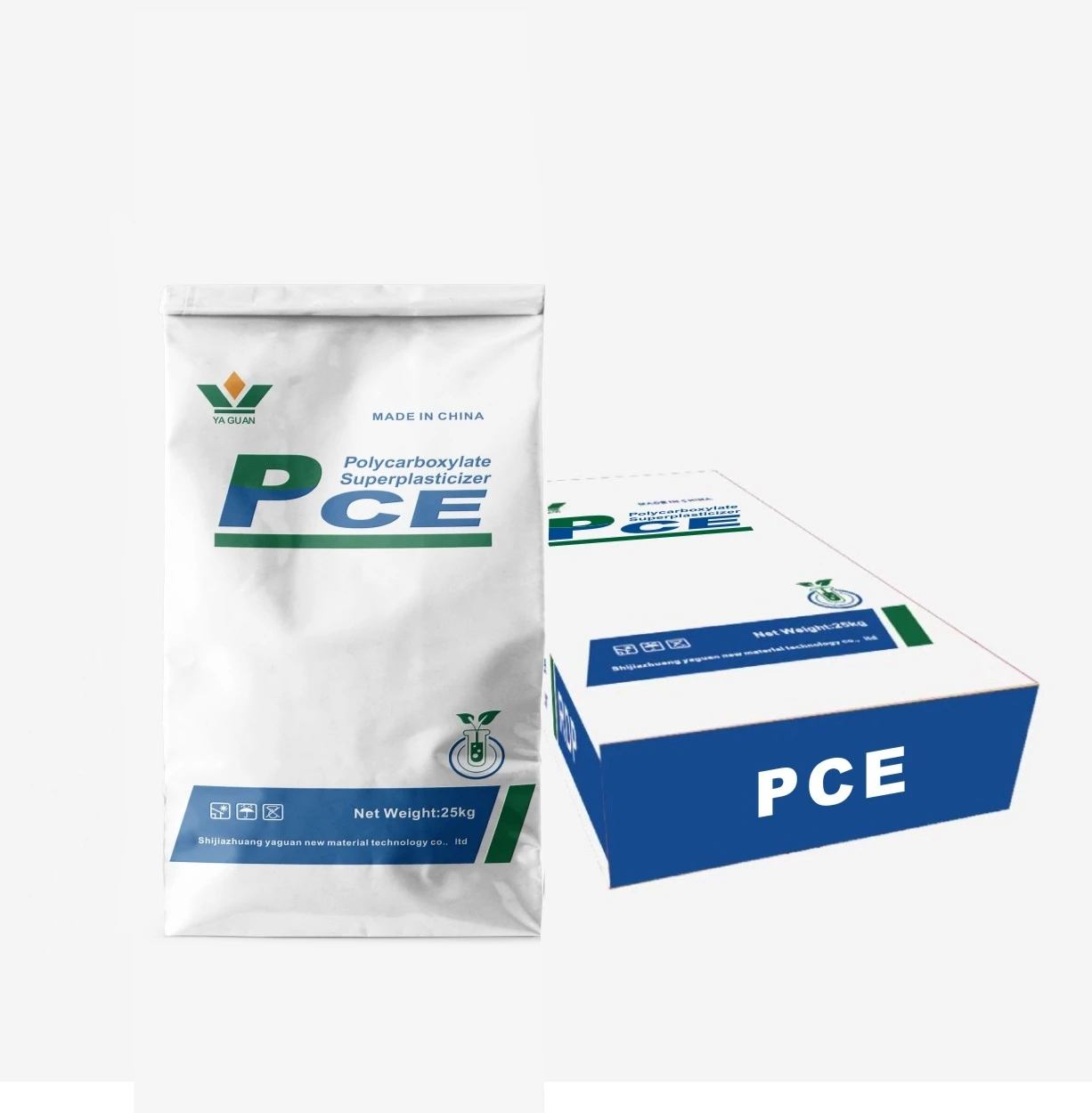
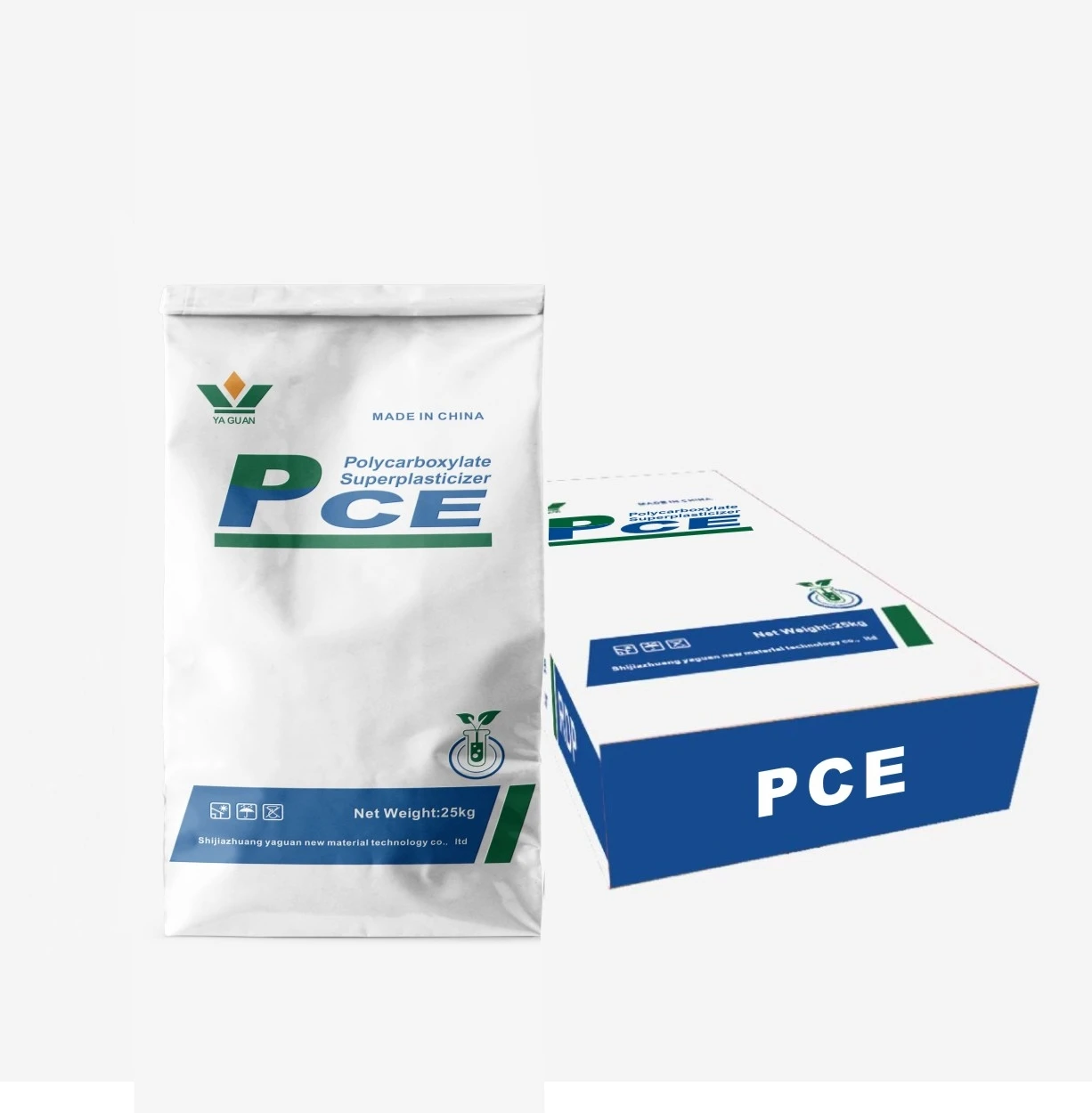
In recent years, the synergy between cellulose ethers and polycarboxylate-based water reducers has created a new standard for "Green Construction" in Ecuador, emphasizing durability and a lower carbon footprint through optimized material usage.

Future Development Trends

Eco-Friendly Bio-Polymer Integration

There is a growing trend toward biodegradable synthetic materials that comply with stricter environmental regulations in Ecuador, focusing on sustainable sourcing for cellulose derivatives.

Smart Rheology Control

The next 3-5 years will see the adoption of "intelligent" additives that can adjust their viscosity based on real-time temperature changes, a critical need for Ecuador's varied climate zones.

Nano-Enhanced Admixtures

Google search trends indicate a rising interest in nano-silica and nano-cellulose blends to create ultra-high-performance concrete for seismic-resistant infrastructure in Andean cities.

Industry Trends and Future Outlook

Navigating the future of specialty chemical additives in the South American market.

Climate-Adaptive Formulations
Developing products that maintain stability across Ecuador's diverse temperature gradients from coast to mountain.
Carbon Footprint Reduction
Optimizing the chemical synthesis process to reduce waste, aligning with Ecuador's sustainability goals.
Precision Grade Control
Moving toward narrower viscosity ranges for high-end pharmaceutical and cosmetic applications in Quito.
Rapid-Cure Technology
Accelerating construction timelines in Guayaquil's port expansion through fast-setting chemical additives.

Industry Outlook

The Ecuadorian specialty chemicals market is expected to grow significantly as the government invests in strategic infrastructure. The integration of hydroxypropyl methyl cellulose ether will be the cornerstone for improving the durability of residential housing in seismic zones.

Moreover, as local industries pivot toward high-value exports, the demand for specialized synthetic materials in the food and pharmaceutical sectors will drive a need for higher purity grades and tighter technical certifications.

Localized Application Scenarios in Ecuador

Real-world implementation of specialty cellulose ethers across different Ecuadorian sectors.

1. High-Altitude Mortar Stability in Quito

Using high-viscosity HPMC to prevent rapid water evaporation in the thin air of the Andes, ensuring that cementitious mortars cure evenly without shrinkage cracks.

2. Coastal Humidity Barrier Coatings in Guayaquil

Implementing cellulose ethers in exterior wall coatings to enhance water resistance and adhesion in extremely humid, salty coastal air.

3. Seismic-Resistant Concrete for Infrastructure

Combining a water reducing admixture with specialized polymers to create high-density, flexible concrete for bridges and highways across the Oriente region.

4. Agro-Chemical Stabilizers for Banana Exports

Utilizing cellulose derivatives as stabilizers in agricultural sprays to ensure uniform coverage and prolonged activity on crops in the coastal plains.

5. Industrial Adhesives for Furniture Manufacturing

Applying tailored cellulose ethers to improve the open-time and bonding strength of adhesives used in Ecuador's growing sustainable wood furniture industry.

Brand Story

Global Development Journey of Shijiazhuang Yaguan New Material Technology Co., Ltd.

Foundation and Technical Vision

Established with a mission to bridge the gap between complex chemical synthesis and practical construction needs, focusing on purity and consistency.

R&D Breakthroughs in Rheology

Developing proprietary processes for cellulose ethers that solve the industry pain point of unstable viscosity in extreme climates.

Expansion into South American Markets

Adapting our product lines specifically for the Ecuadorian and regional markets, ensuring compliance with local construction standards.

Sustainable Manufacturing Pivot

Investing in green chemistry to reduce the environmental impact of specialty chemical production, prioritizing biodegradable precursors.

Global Leadership in Synthetic Materials

Recognized as a trusted partner for large-scale infrastructure projects, delivering precision chemical solutions worldwide.

Complete Product Portfolio for the Ecuadorian Market

Tailored chemical solutions designed for versatility and performance in South America.

Frequently Asked Questions in Ecuador

Technical guidance for local manufacturers and contractors.

How does cellulose ether HPMC affect mortar in high-humidity coastal areas?

It significantly improves water retention, preventing the mortar from drying too quickly or unevenly, which reduces the risk of cracking in Guayaquil's humid environment.

What is the difference between hydroxypropyl methyl cellulose ether and standard cellulose ethers?

HPMC offers superior thermal gelation and a wider range of viscosity controls, making it more suitable for specialized industrial applications compared to basic cellulose ethers.

Can a water reducing admixture be used with HPMC in seismic-resistant concrete?

Yes, they are often used together. The water reducer increases strength and flow, while the HPMC ensures the mix remains homogeneous and workable during placement.

Which cellulose 2 hydroxyethyl ether grade is best for Ecuadorian paint industries?

Depending on the desired thickness, a medium-to-high viscosity grade is recommended to ensure stability and prevent pigment sedimentation in tropical climates.

How to store cellulose ether products in high-altitude Andean regions?

Keep the material in a cool, dry place. Due to the low pressure in Quito, ensure bags are hermetically sealed to prevent moisture absorption from the air.

What is the typical dosage for water reducing admixture in local road projects?

Dosage varies by concrete grade, but typically ranges from 0.5% to 2.0% by weight of cement, depending on the required slump and strength target.

Request a Technical Consultation

Our experts are ready to optimize your chemical formulations for the specific needs of the industry in Ecuador.

Contact Us Now
tel mailto tel goTop
wx
WhatsApp
email
tel
goTop

If you are interested in our products, you can choose to leave your information here, and we will be in touch with you shortly.