

Industry Trends in Cellulose Ether Derivatives
The global market for cellulose ether derivatives, particularly those like Hydroxypropyl Methyl Cellulose( HPMC), is experiencing robust growth driven by escalating demand across diverse industries such as construction, pharmaceuticals, food, and personal care. Recent analyses indicate a Compound Annual Growth Rate (CAGR) of approximately 6-8% for the cellulose ethers market, projected to reach significant valuations by 2028. This expansion is largely attributed to the compound's versatile properties, including its efficacy as a thickening agent, binder, film former, and water retention additive, which are indispensable in modern formulations. Key trends include a heightened focus on sustainable and bio-based raw materials, an increasing adoption in specialized applications like dry-mix mortars and sustained-release drug formulations, and continuous innovation in product grades to meet specific performance requirements.
Emerging markets in Asia-Pacific and Latin America are significant drivers of this growth, fueled by rapid urbanization and infrastructure development, which directly increases the demand for high-performance construction chemicals. Furthermore, the pharmaceutical sector's pivot towards excipients that enhance drug stability and bioavailability contributes substantially to the market for advanced cellulose derivatives. Regulatory frameworks emphasizing environmentally friendly and safe ingredients also play a crucial role, favoring manufacturers who can provide certified, high-quality products. The shift towards higher purity and customized viscosity grades underscores a mature market seeking specialized solutions for complex technical challenges.
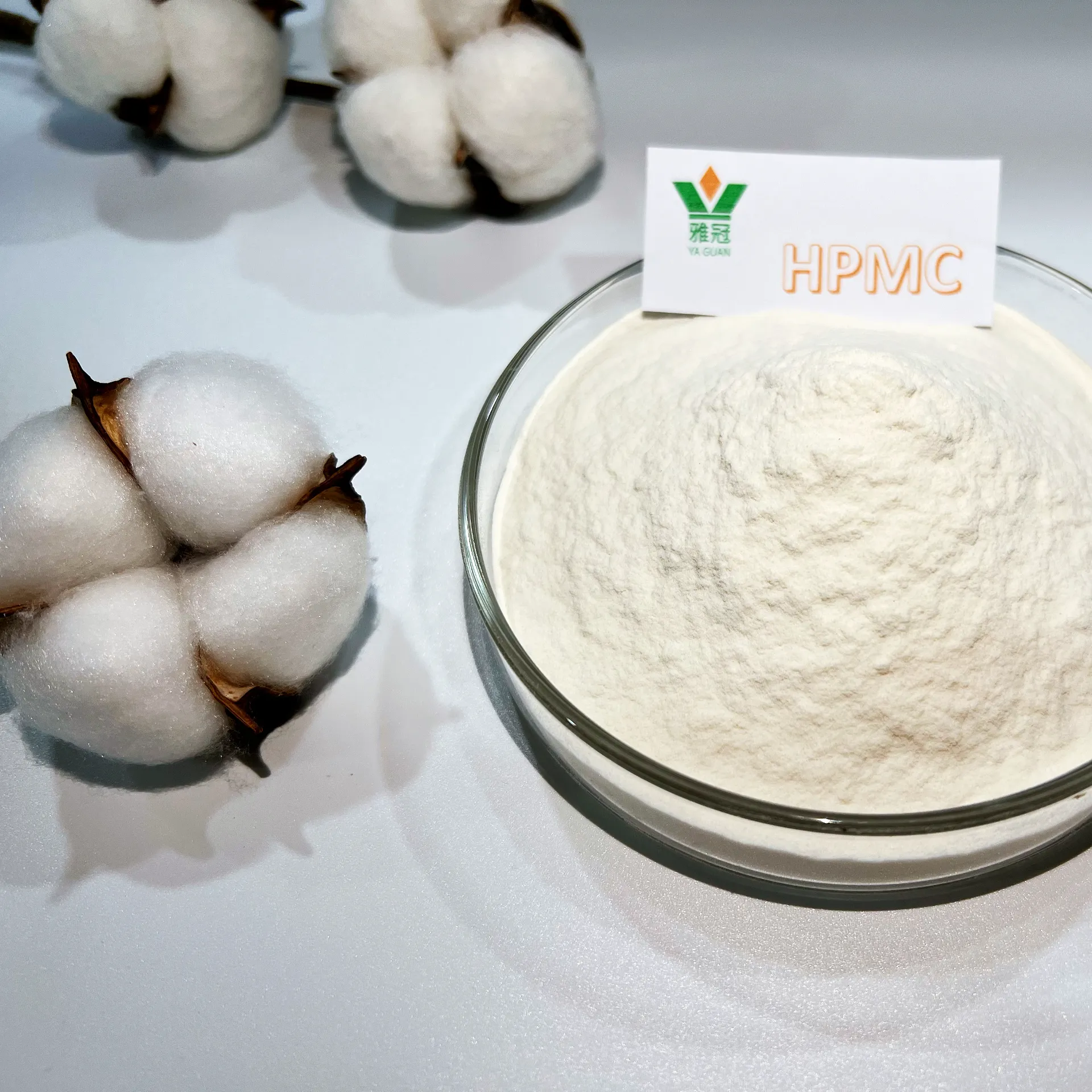
Manufacturing Process Flow of Hydroxypropyl Methyl Cellulose
The production of Hydroxypropyl Methyl Cellulose( HPMC) is a sophisticated chemical process involving precise control over reaction conditions to yield a high-purity, consistent product. The primary raw material is purified cellulose, typically derived from wood pulp or cotton linters, known for its high alpha-cellulose content. The manufacturing process generally involves several critical stages, ensuring the final product meets stringent quality and performance standards.
Process Steps:
- 1. Alkalization: Highly purified cellulose is steeped in a concentrated solution of caustic soda (sodium hydroxide). This alkalization step transforms cellulose into alkali cellulose, which is more reactive due to the swelling of the cellulose fibers and the formation of reactive hydroxyl groups. The temperature and concentration of the NaOH solution are meticulously controlled.
- 2. Etherification: The alkali cellulose is then reacted with methyl chloride and propylene oxide in a pressure reactor. These etherifying agents substitute some of the hydroxyl groups on the cellulose backbone with methoxy (-OCH3) and hydroxypropoxy (-OCH2CH(OH)CH3) groups. The degree of substitution (DS) and molar substitution (MS) are critical parameters controlled by the ratio of reagents and reaction conditions, determining the final product's properties like viscosity, thermal gelation, and solubility.
- 3. Neutralization and Washing: After etherification, the reaction mixture is neutralized with acid (e.g., acetic acid) to adjust the pH. The crude Hydroxypropyl Methyl Cellulose( HPMC) is then extensively washed with hot demineralized water to remove salt by-products (primarily sodium chloride) and any unreacted reagents. This purification step is crucial for achieving high purity and low ash content.
- 4. Drying: The purified HPMC slurry is dewatered and then dried using various methods, such as flash drying or fluid bed drying, to achieve the desired moisture content. Careful control of drying temperature prevents degradation and ensures product quality.
- 5. Grinding and Sieving: The dried HPMC is ground to a fine powder and sieved to achieve specific particle size distributions, which are critical for its application performance, especially in dry-mix formulations where uniform dispersion is essential. Different mesh sizes are used to produce various grades.
- 6. Quality Control and Packaging: Throughout the entire process, rigorous quality control checks are performed, adhering to standards such as ISO 9001, ASTM, and specific industry standards for viscosity, moisture content, pH, particle size, and purity. Finished products are then packaged in moisture-proof bags for distribution.
Target industries benefiting from this precise manufacturing include construction (adhesives, mortars, plasters), pharmaceuticals (binders, disintegrants, film coatings), food (thickeners, stabilizers), and personal care products (emulsifiers, gelling agents). The advantages of properly manufactured HPMC include enhanced workability in construction, controlled-release properties in pharmaceuticals, and improved texture in food products, demonstrating its versatility and superior performance across a broad spectrum of applications.
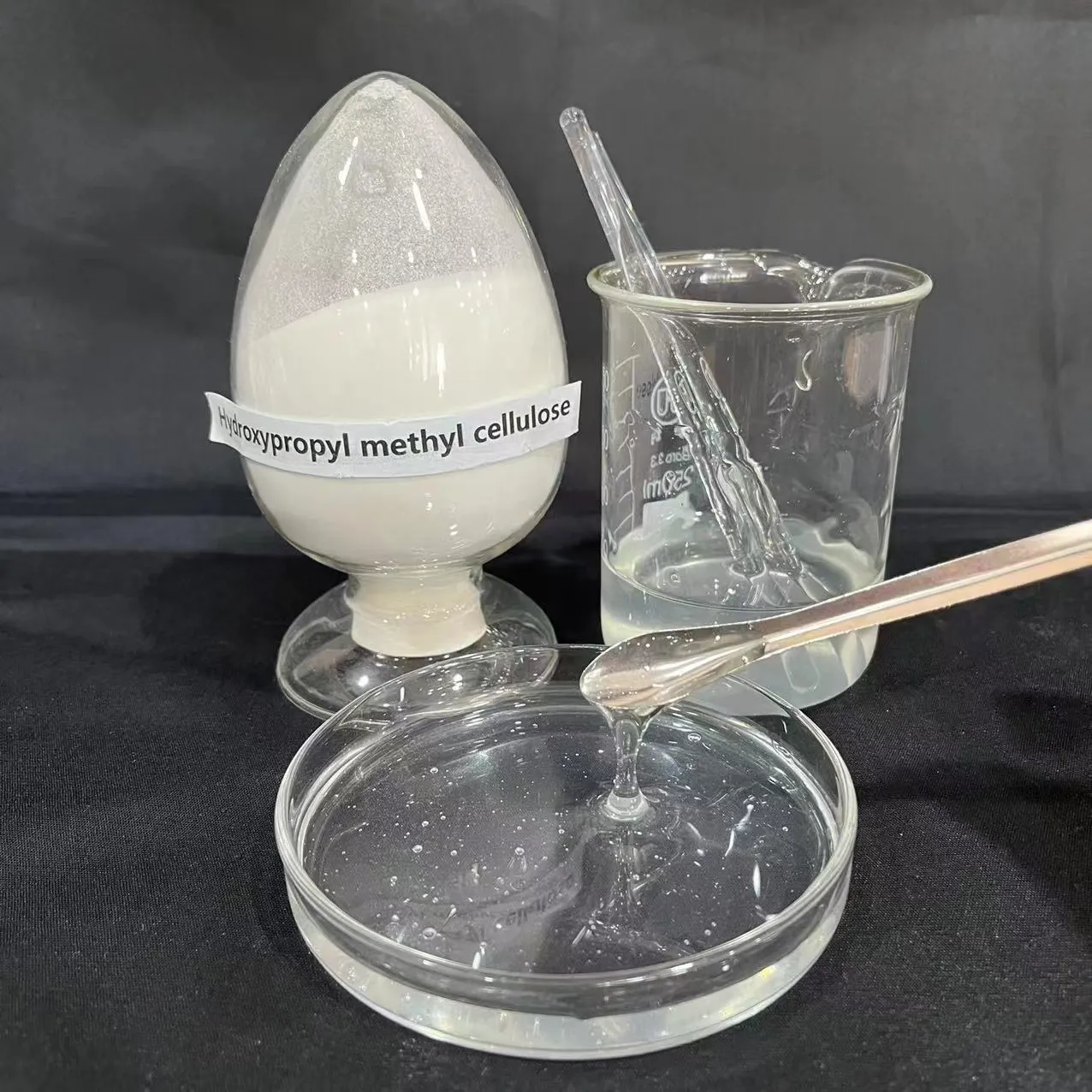
Technical Specifications and Parameters of HPMC
Understanding the technical specifications of Hydroxypropyl Methyl Cellulose( HPMC) is crucial for its effective application in industrial processes. HPMC exhibits a wide range of physicochemical properties primarily determined by its degree of substitution (DS), molar substitution (MS), and molecular weight, which collectively influence its viscosity, thermal gelation temperature, solubility, and film-forming capabilities.
Key Parameters:
- Viscosity: The most important characteristic, measured in mPa·s (cP), typically for a 2% aqueous solution at 20°C. It dictates HPMC's thickening efficiency in various formulations. Grades range from low viscosity (e.g., 50 mPa·s) for film coatings to high viscosity (e.g., 200,000 mPa·s) for thick mortars.
- Thermal Gelation Temperature: HPMC solutions exhibit unique thermal gelation, meaning they gel upon heating and revert to a liquid state upon cooling. This temperature varies with the degree of substitution and concentration, influencing its use in specific applications. Typical ranges are 50-90°C.
- Degree of Substitution (DS) and Molar Substitution (MS): DS refers to the average number of hydroxyl groups substituted per anhydroglucose unit. MS refers to the average number of moles of etherifying agent that have reacted per anhydroglucose unit. These values determine the hydrophilicity, solubility, and surface activity.
- Particle Size: Measured in microns, it affects dispersion rate and workability. Finer particles dissolve faster but can be prone to lump formation; coarser particles disperse better in dry mixes. Typical grades include 80 mesh and 120 mesh.
- pH Stability: HPMC maintains stability over a broad pH range (typically 3-11), making it suitable for a wide array of chemical environments.
- Moisture Content: Important for storage stability and product integrity, usually kept below 6%.
Typical Product Specification Table (Construction Grade)
| Parameter | Unit | Yaguan HPMC Grade M150K | Yaguan HPMC Grade P60K |
|---|---|---|---|
| Viscosity (2% solution, 20°C) | mPa·s | 140,000 - 160,000 | 58,000 - 62,000 |
| Methoxyl Content | % | 19.0 - 24.0 | 28.0 - 30.0 |
| Hydroxypropoxyl Content | % | 4.0 - 8.0 | 7.0 - 12.0 |
| Moisture Content | % | ≤ 5.0 | ≤ 5.0 |
| Ash Content | % | ≤ 2.0 | ≤ 2.0 |
| Particle Size (80 mesh) | % passing | ≥ 98 | ≥ 98 |
| pH (1% solution) | - | 6.0 - 8.0 | 6.0 - 8.0 |

Diverse Application Scenarios of HPMC
The remarkable versatility of Hydroxypropyl Methyl Cellulose( HPMC) makes it an indispensable additive across numerous industrial applications, enhancing performance, efficiency, and product quality. Its multi-functional properties, including thickening, binding, water retention, suspension, and film formation, contribute to its widespread adoption.
Primary Application Areas:
- Construction Industry: HPMC is a critical component in various building materials. In dry-mix mortars, tile adhesives, renders, plasters, and self-leveling compounds, it acts as a highly effective water retention agent, improving workability, open time, and bond strength. Its rheology modification properties prevent sagging and enhance adhesion, particularly crucial in large-scale construction projects for efficiency and structural integrity.
- Pharmaceuticals: As a pharmaceutical excipient, HPMC is widely used in oral solid dosage forms. It functions as a binder in tablet granulation, a film-forming agent for tablet coatings, and a matrix former for controlled-release drug delivery systems, allowing for sustained drug release over extended periods. Its biocompatibility and inertness make it a preferred choice for such applications.
- Food Industry: In food products, HPMC serves as a thickener, emulsifier, stabilizer, and protective colloid. It is utilized in baked goods, dairy products, sauces, and dressings to improve texture, mouthfeel, and shelf stability. Its ability to form gels at elevated temperatures and prevent syneresis is particularly valuable.
- Personal Care & Cosmetics: HPMC enhances the viscosity and stability of shampoos, conditioners, lotions, creams, and toothpastes. It also acts as a film-forming agent in cosmetic formulations, providing a smooth application and improved feel.
- Paints & Coatings: As a protective colloid and thickener, HPMC improves the rheology of water-based paints, preventing pigment settling, enhancing scrub resistance, and ensuring consistent film formation.
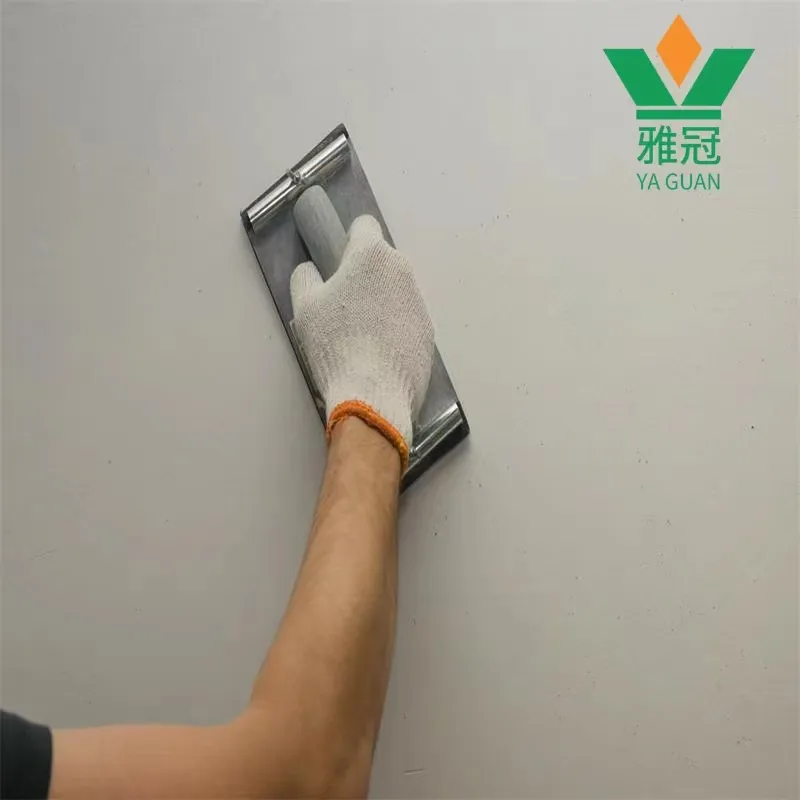
Technical Advantages and Performance Benefits
The adoption of Hydroxypropyl Methyl Cellulose( HPMC) in industrial formulations is driven by a comprehensive suite of technical advantages that translate into significant performance benefits for end-products. These advantages underscore its status as a premium additive in various sectors.
Key Technical Advantages:
- Superior Water Retention: HPMC significantly improves water retention in cement-based products, extending hydration time and preventing premature drying. This leads to higher ultimate strength, reduced cracking, and improved adhesion of mortars and plasters.
- Rheology Modification: It provides excellent thickening and pseudoplastic (shear-thinning) properties, which improve workability, sag resistance, and pumpability of liquid and semi-liquid systems. This is particularly beneficial in construction for easier application and in paints for better brushability and leveling.
- Enhanced Adhesion and Cohesion: By forming a strong, flexible film, HPMC improves the bond strength between different substrates and enhances the cohesion within a material, reducing material loss and improving durability.
- Thermal Gelation: This unique property allows HPMC solutions to gel when heated and liquefy upon cooling. This is critical in food applications for texture control during processing and in some pharmaceutical processes.
- Film-Forming Capabilities: HPMC forms clear, strong, and flexible films that are resistant to oils and fats, making it ideal for tablet coatings, protective films, and as a binder in various formulations.
- Dispersibility and Solubility: Modified HPMC grades offer excellent dispersibility in cold water, preventing lumping and ensuring uniform dissolution, which is essential for consistent product performance.
- Biocompatibility and Safety: Food and pharmaceutical grades of HPMC are non-toxic, non-allergenic, and generally recognized as safe (GRAS) by regulatory bodies, ensuring their suitability for sensitive applications.
These technical advantages directly contribute to enhanced product performance, increased operational efficiency, and cost-effectiveness for businesses by improving material properties and extending product service life. For example, in construction, the use of HPMC can lead to significantly reduced material waste and improved structural integrity, offering long-term economic and safety benefits.

Vendor Comparison and Selection Criteria for HPMC Suppliers
Selecting the right supplier for Hydroxypropyl Methyl Cellulose( HPMC) is a critical decision for businesses, impacting product quality, supply chain reliability, and overall cost-efficiency. A comprehensive vendor comparison should evaluate not only product specifications but also manufacturing capabilities, quality assurance, technical support, and logistical efficiency.
Key Comparison Criteria:
- Product Portfolio & Grades: Does the vendor offer a wide range of HPMC grades (viscosity, substitution levels, surface treatments) suitable for specific applications (e.g., construction, pharma, food)?
- Quality Control & Certifications: Look for ISO 9001, HACCP, GMP, Kosher, Halal certifications. Request detailed Certificates of Analysis (CoA) for consistency.
- Technical Support & R&D: A strong technical team capable of offering formulation advice, troubleshooting, and customized solutions is invaluable.
- Supply Chain Reliability: Assess production capacity, lead times, inventory management, and global distribution network to ensure consistent supply.
- Pricing and Value: Compare not just the per-kilogram price, but the overall value, including freight, payment terms, and the cost-in-use benefits of higher quality HPMC.
- Environmental & Social Responsibility: Evaluate the vendor's commitment to sustainable sourcing and environmentally friendly manufacturing processes.
Comparative Analysis of HPMC Suppliers (Illustrative Example)
| Feature | Supplier A (e.g., Yaguan HPMC) | Supplier B (Generic Competitor) |
|---|---|---|
| Product Range | Comprehensive (Construction, Pharma, Food) | Limited (Primarily Construction) |
| Quality Certifications | ISO 9001, CE, Halal, Kosher, FDA Compliant | ISO 9001 Only |
| Technical Support | Dedicated team, on-site support, R&D lab | Basic email/phone support |
| Lead Time (Typical) | 7-14 business days (domestic), 21-30 days (international) | 14-21 business days (domestic), 30-45 days (international) |
| Customization Options | High (tailored viscosity, particle size, surface treatment) | Low (standard grades only) |
| Pricing Strategy | Competitive, value-driven, bulk discounts | Low-cost focus, less flexibility |
Customized Solutions with Hydroxypropyl Methyl Cellulose
Recognizing that standard Hydroxypropyl Methyl Cellulose( HPMC) grades may not always perfectly align with highly specialized application requirements, reputable manufacturers offer customized solutions. This bespoke approach allows industries to optimize their formulations, achieving precise performance characteristics for unique products or challenging environments. Customization typically involves tailoring the HPMC's key parameters during the manufacturing process.
Areas of Customization:
- Viscosity Profile: Adjusting the molecular weight to achieve specific viscosity ranges, from ultra-low for flowable coatings to ultra-high for thick grouts or sustained-release matrices.
- Substitution Levels (DS/MS): Modifying the methoxyl and hydroxypropoxyl content to fine-tune thermal gelation temperature, solubility in specific solvents, and interaction with other components in a formulation.
- Particle Size Distribution: Producing HPMC with specific particle sizes (e.g., coarser for better dry-mix dispersion, finer for faster dissolution) to optimize mixing properties and prevent lumping.
- Surface Treatment: Applying surface treatments to delay dissolution in cold water, preventing premature thickening and ensuring homogeneous mixing, especially in highly alkaline or high-ionic strength environments.
- Purity and Additive Levels: Manufacturing HPMC with extremely low ash or impurity content for sensitive applications like pharmaceuticals, or incorporating minor additives for specific performance enhancements.
Companies like Yaguan HPMC engage closely with clients through their R&D departments, conducting pilot tests and offering technical consultations to develop bespoke HPMC grades. This collaborative approach ensures that the tailored solution delivers optimal performance, reducing development cycles and enhancing product competitiveness for the client. The investment in customized HPMC solutions often yields significant returns through improved product quality, reduced material waste, and enhanced processing efficiency.
Application Case Studies and Customer Experience
Real-world application case studies demonstrate the tangible benefits and proven efficacy of Hydroxypropyl Methyl Cellulose( HPMC) in critical industrial settings. These examples highlight how tailored HPMC solutions address specific challenges and deliver superior results.
Case Study 1: High-Performance Tile Adhesive for Large Format Tiles
A leading European construction chemicals manufacturer faced challenges with traditional tile adhesives, which exhibited poor sag resistance and insufficient open time when installing large-format porcelain tiles. Our R&D team collaborated with them to develop a customized HPMC grade with a specific high-viscosity profile and modified surface treatment. The new formulation significantly improved the adhesive's rheology, preventing tile slippage during installation and extending the open time by 30%, crucial for large-scale professional projects. This led to a 15% reduction in installation time and a substantial decrease in callbacks due to adhesion failures.
"The bespoke HPMC solution from Yaguan transformed our premium tile adhesive. We observed unparalleled sag resistance and extended workability, which our professional installers greatly appreciate. This partnership has solidified our market position." - Head of Product Development, Major European Construction Chemical Co.
Case Study 2: Controlled-Release Pharmaceutical Tablet
A pharmaceutical company specializing in chronic disease management required an excipient that could provide consistent 12-hour sustained release for a critical medication. Standard HPMC grades offered variable release profiles. Through intensive collaboration, a specific pharmaceutical-grade HPMC with a precisely controlled substitution ratio and molecular weight was developed. This custom grade formed a robust hydrophilic matrix that ensured zero-order drug release kinetics, meeting strict regulatory requirements and improving patient compliance by reducing dosing frequency.

"Our collaboration with Yaguan's HPMC experts enabled us to achieve the precise drug release profile crucial for our new medication. Their technical depth and commitment to customization were instrumental in our product's success." - VP of R&D, Global Pharma Corporation.
Frequently Asked Questions (FAQ) about HPMC
- Q: What is the primary function of Hydroxypropyl Methyl Cellulose( HPMC) in construction materials?
- A: In construction, HPMC primarily acts as a water retention agent, thickener, and rheology modifier. It improves workability, prevents segregation, enhances bond strength, and extends the open time of mortars, plasters, and tile adhesives.
- Q: Is HPMC safe for food and pharmaceutical applications?
- A: Yes, specific grades of HPMC (food and pharmaceutical grades) are manufactured to meet stringent regulatory standards, such as those from the FDA and European Pharmacopoeia. They are considered non-toxic, non-allergenic, and safe for human consumption and use in drug formulations.
- Q: How does HPMC's viscosity affect its application?
- A: Viscosity is a critical parameter. Low-viscosity HPMC is used for film coatings or applications requiring good flow. Medium-viscosity HPMC is common in paints and some mortars. High-viscosity HPMC provides significant thickening and water retention, ideal for tile adhesives, thick renders, and sustained-release pharmaceutical matrices.
- Q: What is the shelf life of HPMC?
- A: When stored in original, unopened packaging in a cool, dry place away from direct sunlight and moisture, HPMC typically has a shelf life of 24 months. Exposure to high humidity or temperature can lead to degradation.
- Q: Can HPMC be customized for specific project needs?
- A: Absolutely. Reputable manufacturers offer customization services, tailoring parameters such as viscosity, particle size, surface treatment, and substitution levels to meet unique performance requirements of specific formulations or applications.
Lead Time, Fulfillment, Warranty, and Customer Support
Yaguan HPMC is committed to providing not only high-quality Hydroxypropyl Methyl Cellulose( HPMC) but also exceptional service throughout the customer journey, from order to post-purchase support. We understand the critical nature of reliable supply and comprehensive support for our B2B partners.
Lead Time & Fulfillment:
- Standard Orders: Typically 7-14 business days for domestic shipments, and 21-30 business days for international orders, subject to customs clearance and shipping routes. Expedited options are available upon request.
- Customized Orders: Lead times for custom HPMC grades will be specified during the consultation and development phase, usually requiring an additional 2-4 weeks for R&D and pilot production.
- Minimum Order Quantity (MOQ): Our standard MOQ is 1 metric ton for most grades, with flexibility for sample orders or specific project requirements.
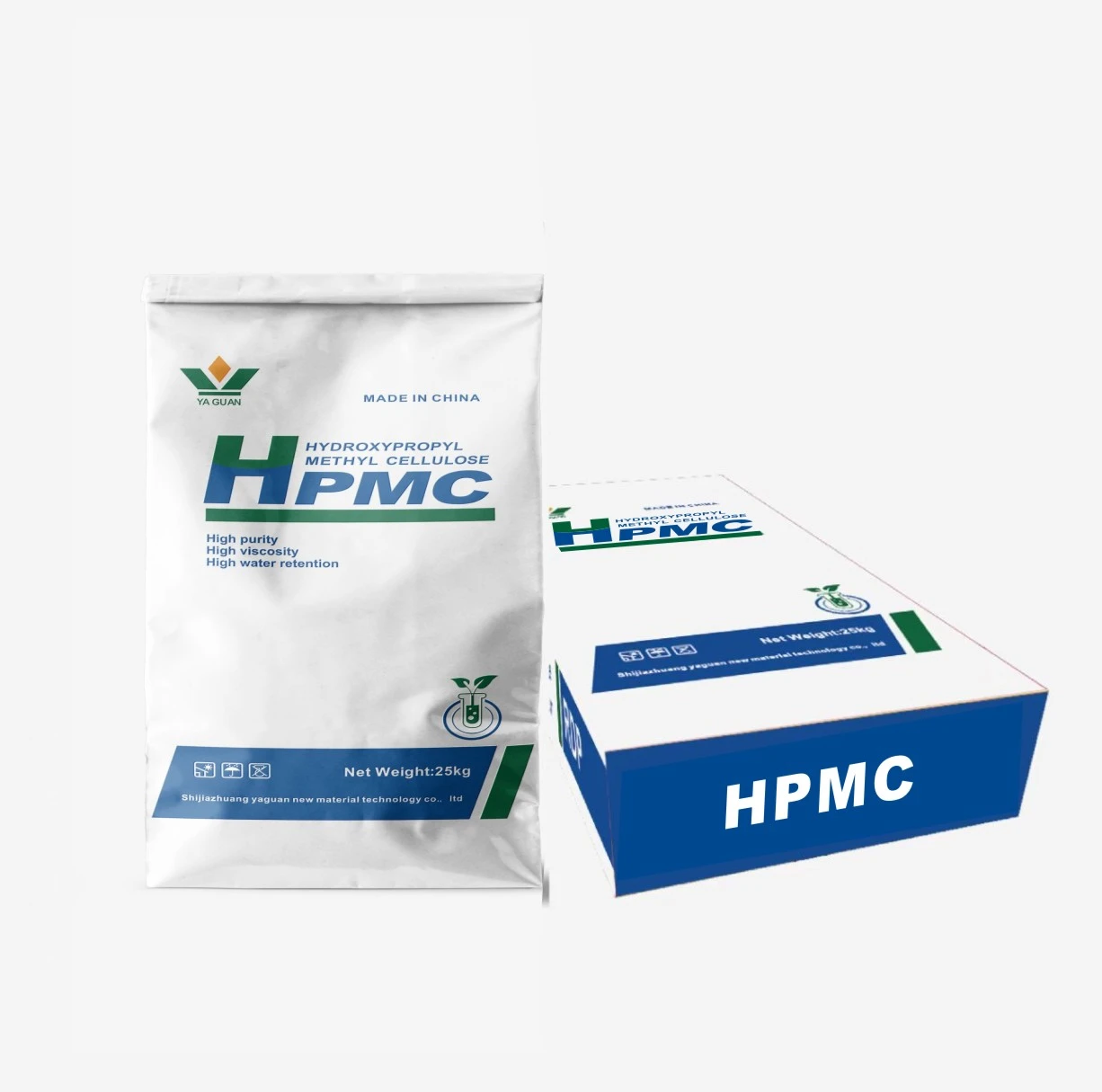
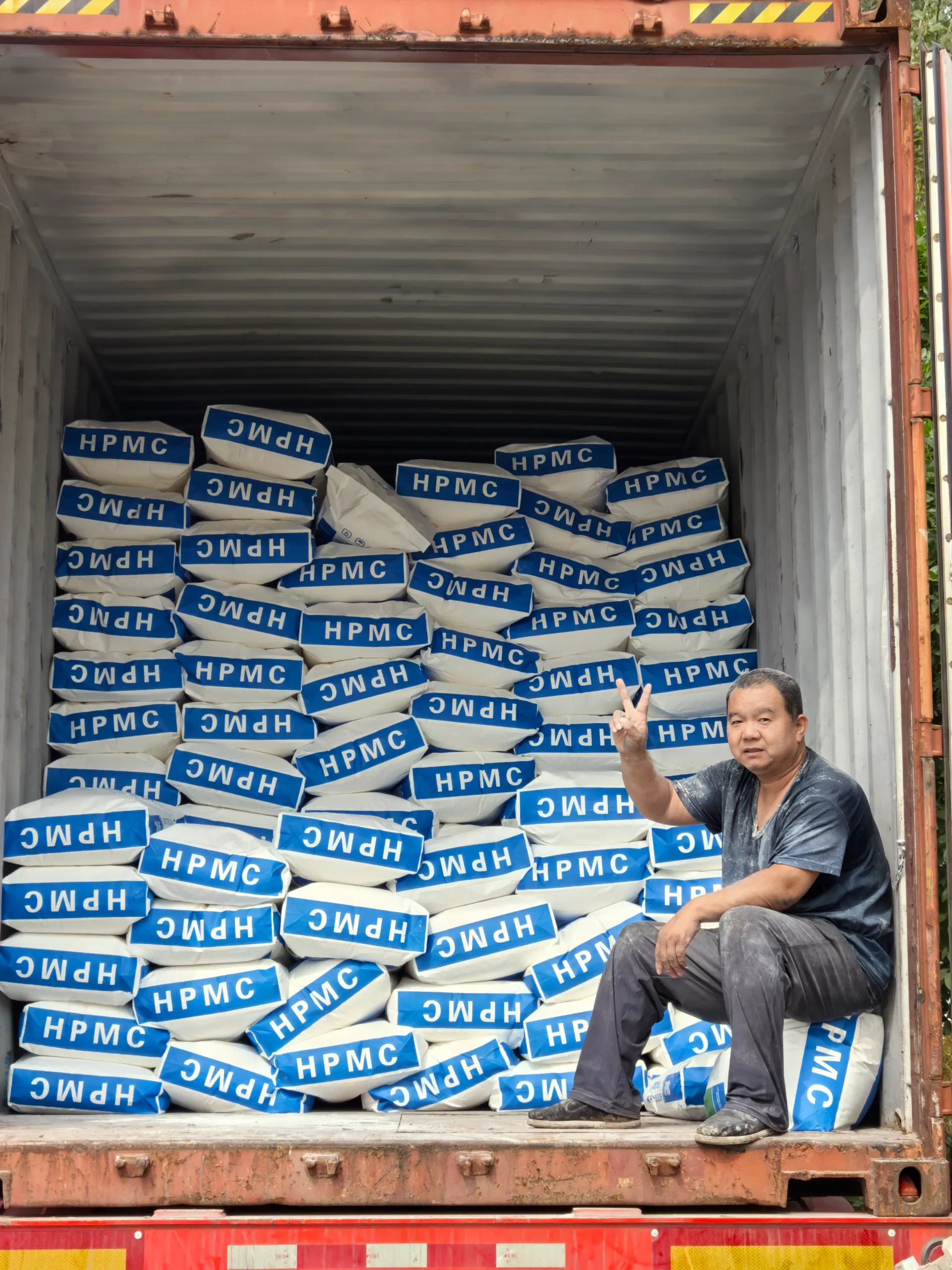
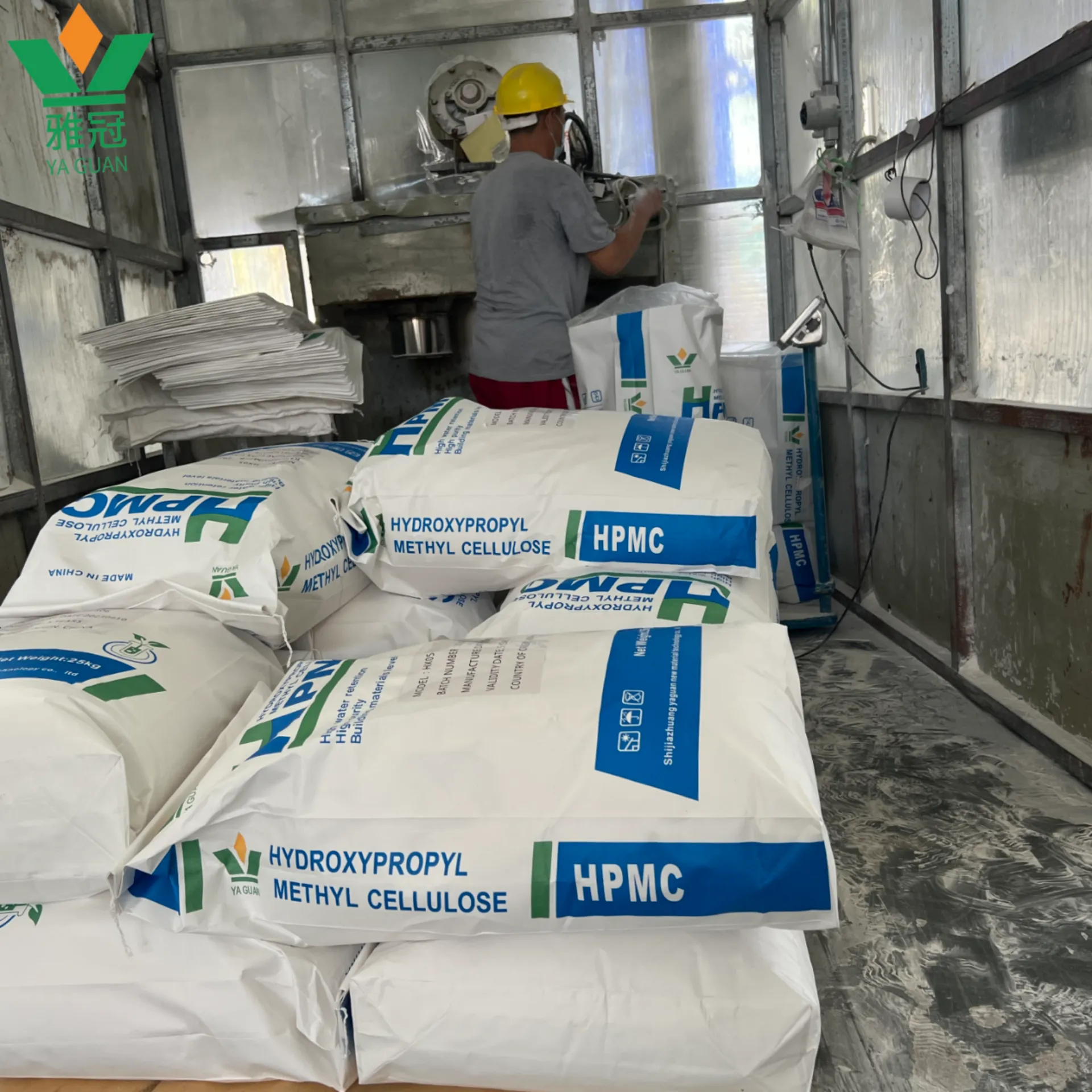
- Packaging: Available in 25kg paper-plastic composite bags with inner polyethylene film, or bulk bags (FIBC) as per client specification.
Warranty Commitments:
All Yaguan HPMC products come with a standard 24-month warranty from the date of manufacture, provided they are stored under recommended conditions (cool, dry, sealed packaging). This warranty guarantees that our products will meet the specifications outlined in the Certificate of Analysis (CoA) for their intended application. In the rare event of a product not meeting our stated specifications, we are committed to providing replacement product or a full refund, subject to our terms and conditions.
Customer Support:
Our dedicated customer support team and technical experts are available to assist with product selection, application guidance, troubleshooting, and post-sales inquiries. We offer:
- Technical Consultation: Access to our R&D specialists for in-depth application support and customized formulation advice.
- Sample Provision: Free samples available for testing and evaluation prior to bulk orders.
- Global Network: A network of sales and support representatives ensuring localized assistance.
- Responsive Communication: Committed to responding to all inquiries within 24 business hours.
For inquiries, please contact us via our website at www.yaguanhpmc.com or email sales@yaguanhpmc.com.
References
- Rowe, R.C.; Sheskey, P.J.; Quinn, M.E. (2009). Handbook of Pharmaceutical Excipients. Pharmaceutical Press.
- Bochek, A.M. (2003). Hydroxypropylmethylcellulose: Properties and Application. Russian Journal of Applied Chemistry, 76(11), 1693-1709.
- Food and Drug Administration (FDA). (2023). Generally Recognized As Safe (GRAS) Notices. Retrieved from www.fda.gov.
- ISO 9001:2015 Quality Management Systems – Requirements. International Organization for Standardization.