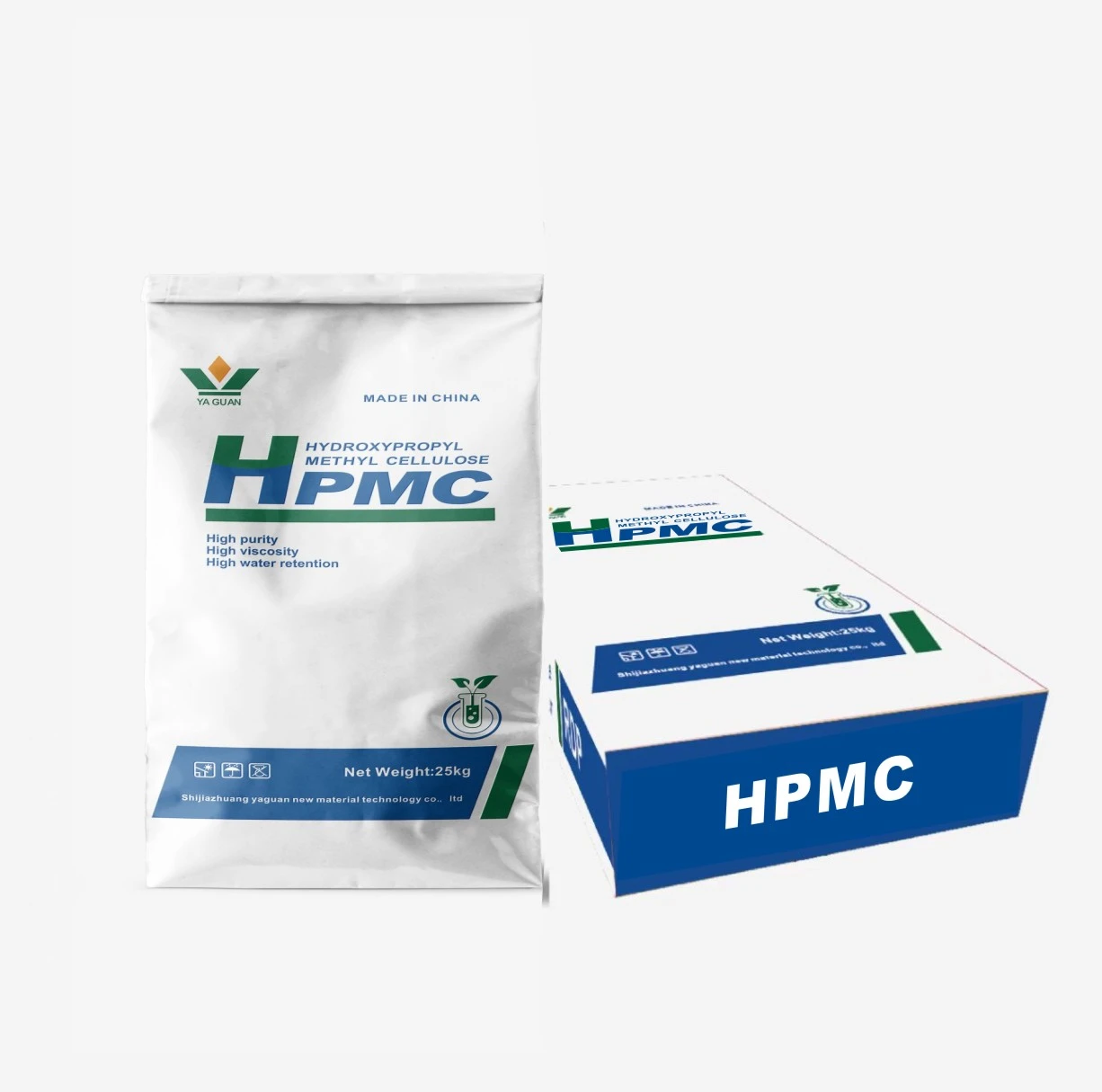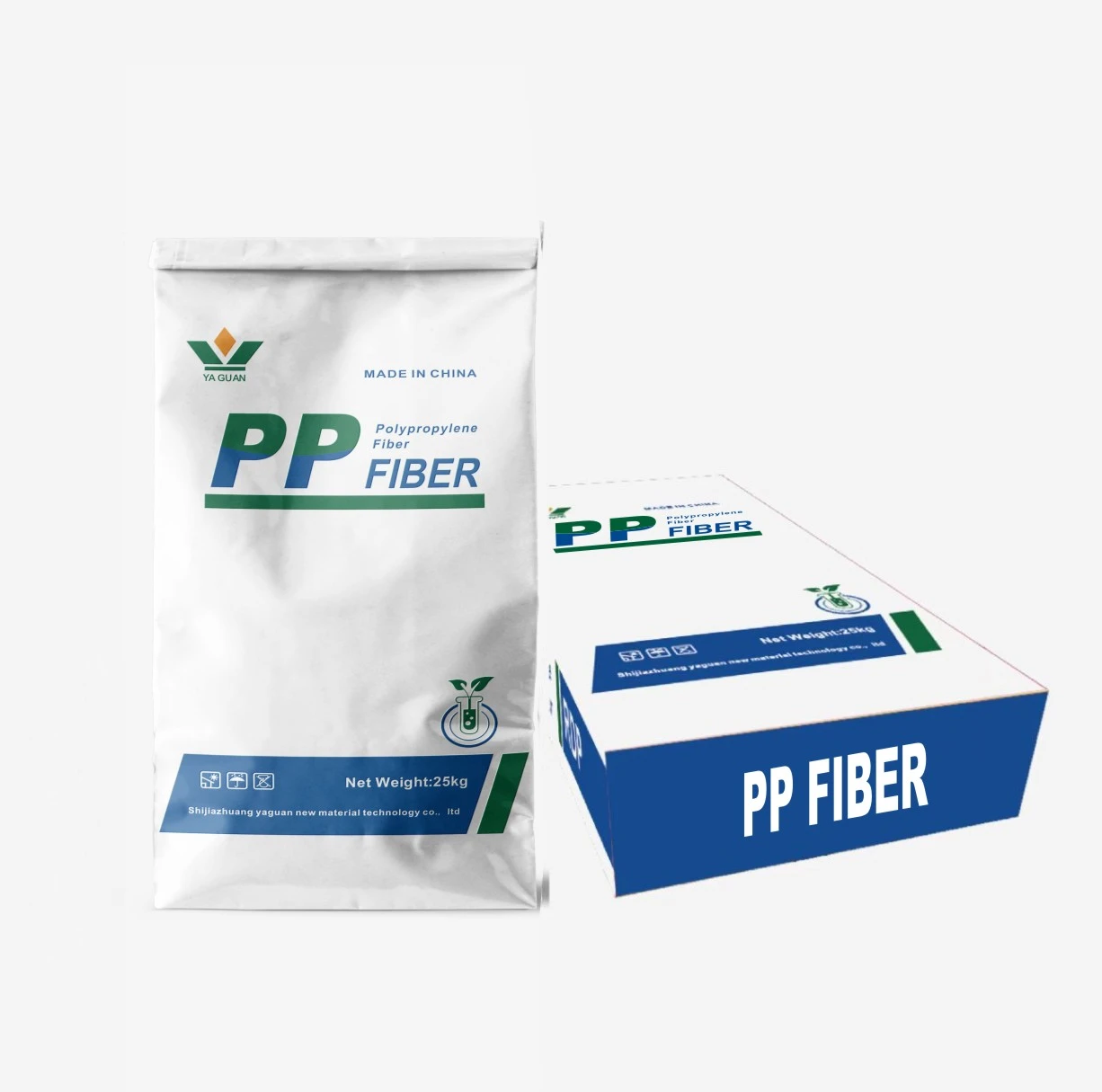

Understanding the Role of an HPMC Manufacturer in Today's Industry
When you first hear about an HPMC manufacturer, it might sound like a highly technical niche — and in many ways, it is. But in real terms, these manufacturers play a surprisingly critical role in industries from pharmaceuticals to construction, impacting global supply chains and even humanitarian aid efforts. Why does this matter? Well, Hydroxypropyl Methylcellulose (or HPMC) is widely valued for its versatility as a non-ionic cellulose ether, with applications that cross borders and sectors. For industries aiming for efficiency, sustainability, and innovation, knowing your HPMC manufacturers can truly unlock potential.
Introduction: Why the Global Context of HPMC Manufacturing Matters
In a world increasingly focused on sustainability and advanced materials, the global market for cellulose derivatives like HPMC has been expanding steadily. According to recent ISO analyses, demand in emerging economies alone is growing by nearly 6% annually, driven largely by sectors such as food, pharmaceuticals, and personal care (ISO.org). Yet, many regions still face challenges like inconsistent quality and supply chain constraints, especially when sourcing from less-established producers.
Here’s where a reliable hpmc manufacturer can make all the difference. Whether you’re in Europe, Asia, or North America, having access to quality HPMC affects not just production lines, but crucially, the safety and effectiveness of end products.
What Exactly Is an HPMC Manufacturer?
To break it down simply: an HPMC manufacturer produces Hydroxypropyl Methylcellulose, a synthetic polymer used as a thickener, binder, emulsifier, and controlled release agent. It’s mostly derived from cellulose — the primary structural component of plant cell walls — chemically treated to create a moisture-retentive, water-soluble substance.
Industries rely on these manufacturers to deliver consistent, high-grade HPMC that meets stringent quality standards. From tablets that dissolve properly inside your body to paint that spreads evenly, the manufacturer’s role is central.
Core Components and Key Factors From the Manufacturer’s Lens
1. Purity and Quality Control
A top-tier HPMC manufacturer prides itself on tight quality checks. Even small impurities can drastically affect product performance, especially in pharmaceuticals or food-grade materials. Many manufacturers adopt GMP (Good Manufacturing Practice) standards to assure this.
2. Product Customization
Not all HPMC is created equal — viscosity grades, substitution levels, and molecular weight vary. Leading manufacturers typically offer a range of formulations tailored to specific client needs, whether for slow-release medicinal tablets or high-viscosity cement additives.
3. Production Capacity and Scalability
It makes a real difference when a manufacturer can ramp up supply quickly without sacrificing quality. This is especially important during crises or sudden demand surges, like post-disaster efforts.
4. Sustainability Practices
With global environmental standards tightening, manufacturers focused on green chemistry methods and waste reduction processes stand out — not just for regulatory compliance, but as partners in corporate social responsibility.
5. Global Supply Chain Efficiency
Fast, reliable shipping and customs navigation can make or break a supplier relationship. Manufacturers connected to streamlined logistics—sometimes via partnerships or hubs—offer seamless procurement experiences.
Mini takeaway:
Picking the right HPMC manufacturer isn’t just about the product itself; it’s about quality assurance, adaptability, responsiveness, and ethical practices that match your long-term goals.
Global Applications & Use Cases: Where HPMC Truly Shines
- Pharmaceuticals: In tablet coatings and drug delivery systems, HPMC ensures controlled release and stability, essential for patient safety worldwide.
- Construction: In drywall joint compounds and tile adhesives, HPMC improves adhesion and flow, critical in climates as varied as the Middle East and Scandinavia.
- Food Industry: As a thickener and stabilizer, HPMC is popular in gluten-free and low-fat food formulations, benefiting health-conscious consumers globally.
- Cosmetics: It lends smooth textures and moisture retention to lotions and creams marketed from Seoul to Sao Paulo.
- Humanitarian Efforts: Several NGOs rely on HPMC-based binders to produce portable, versatile housing materials in disaster-stricken zones.
For instance, in locations like Southeast Asia, where typhoons regularly disrupt infrastructure, quick access to quality HPMC through reliable manufacturers helps enable rapid construction solutions — fixing roofs, making plasters more workable, or stabilizing soil mixes.
Advantages and Long-Term Value of Working With Established HPMC Manufacturers
There’s a lot to be said for reliability. Longevity, sustainability, and cost control hinge on a manufacturer’s consistency and innovation. Below some points:
- Economic Efficiency: Bulk supply and reduced wastage translate to better margins.
- Environmental Responsibility: Utilizing greener production methods reduces carbon footprints.
- Trust & Safety: Consumers and regulators alike demand safe, consistent product quality; your supplier helps build this trust.
- Innovation Partner: Working with a forward-thinking manufacturer can accelerate new product development.
Future Trends Impacting HPMC Manufacturing
It feels like the industry is at a crossroads, with automation and digital transformation speeding up production oversight and quality assurance. Artificial intelligence now helps optimize formulations, reducing guesswork and waste.
Another exciting frontier is the integration of renewable sources, or “bio-based” cellulose precursors, helping manufacturers meet carbon neutrality goals. These shifts reflect wider global moves to “green supply chains” and circular economies.
Common Challenges & Expert Solutions from the Field
Despite progress, hurdles remain. Some manufacturers struggle with raw material availability due to climatic variability affecting cellulose crops. Also, strict regulatory compliance costs can be burdensome for smaller players.
Yet, innovative approaches—like blockchain for supply transparency or partnerships with agricultural cooperatives—are helping level the field. Many experts suggest combining quality certifications with digital traceability to build international client confidence.
FAQ: Quick Answers on Choosing and Working with an HPMC Manufacturer
- Q: What should I look for when selecting an HPMC manufacturer?
A: Focus on product purity, customization options, compliance certifications (like GMP), and supply chain reliability. Transparency in production processes is a plus. - Q: How long does it take to scale up production with a new manufacturer?
A: It varies, but most established manufacturers can scale within weeks. For highly customized orders, expect a longer lead time. - Q: Can HPMC manufacturers provide eco-friendly products?
A: Yes, many now offer formulations made from sustainably sourced cellulose and use cleaner production techniques. - Q: Are there challenges in importing HPMC internationally?
A: Typically, yes. Understanding local regulations and customs clearance is key; partnering with manufacturers experienced in export logistics is advisable. - Q: How critical is quality consistency in HPMC supply?
A: Very. Even minor batch variations can impact final product performance, especially in pharmaceuticals and food industries.
Comparing Top HPMC Manufacturers: A Snapshot
| Manufacturer | Quality Certifications | Product Range | Sustainability Focus | Global Reach |
|---|---|---|---|---|
| Yaguan HPMC | GMP, ISO9001 | High to low viscosity grades | Strong green initiatives | Worldwide exports |
| CelluChem Ltd | ISO, FDA approved | Specialized pharma grades | Moderate focus | Primarily Europe |
| GreenCell Technologies | ISO, ECOCERT | Eco-friendly product lines | Very strong (bio-based) | Asia & Americas |
Typical Product Specifications From a Leading HPMC Manufacturer
| Specification | Value | Unit | Notes |
|---|---|---|---|
| Viscosity (at 2% solution, 20°C) | 1000–4000 | mPa·s | Varies by grade |
| Methoxy Content | 19.0–24.0 | % | Ensures film-forming |
| Hydroxypropyl Content | 4.0–12.0 | % | Affects solubility |
| Moisture content | ≤5.0 | % | Important for storage |
| pH of 2% solution | 5.0–8.0 | - | Neutral to slightly acidic |
Conclusion: Why Partnering With a Trusted HPMC Manufacturer Matters
At the end of the day, the value you get from an hpmc manufacturer isn’t just the chemical product — it’s the security of supply, the assurance of quality, and the potential for innovation. In a fast-evolving global market with rising environmental and regulatory challenges, having a strong partner like Yaguan HPMC could be the difference between meeting your project deadlines or enduring costly delays.
Explore your options, ask questions, and consider the bigger picture. Because behind every successful product lies a trusted material supplier — and often, that’s the hpmc manufacturer.