
Understanding Water Reducing and Retarding Admixtures
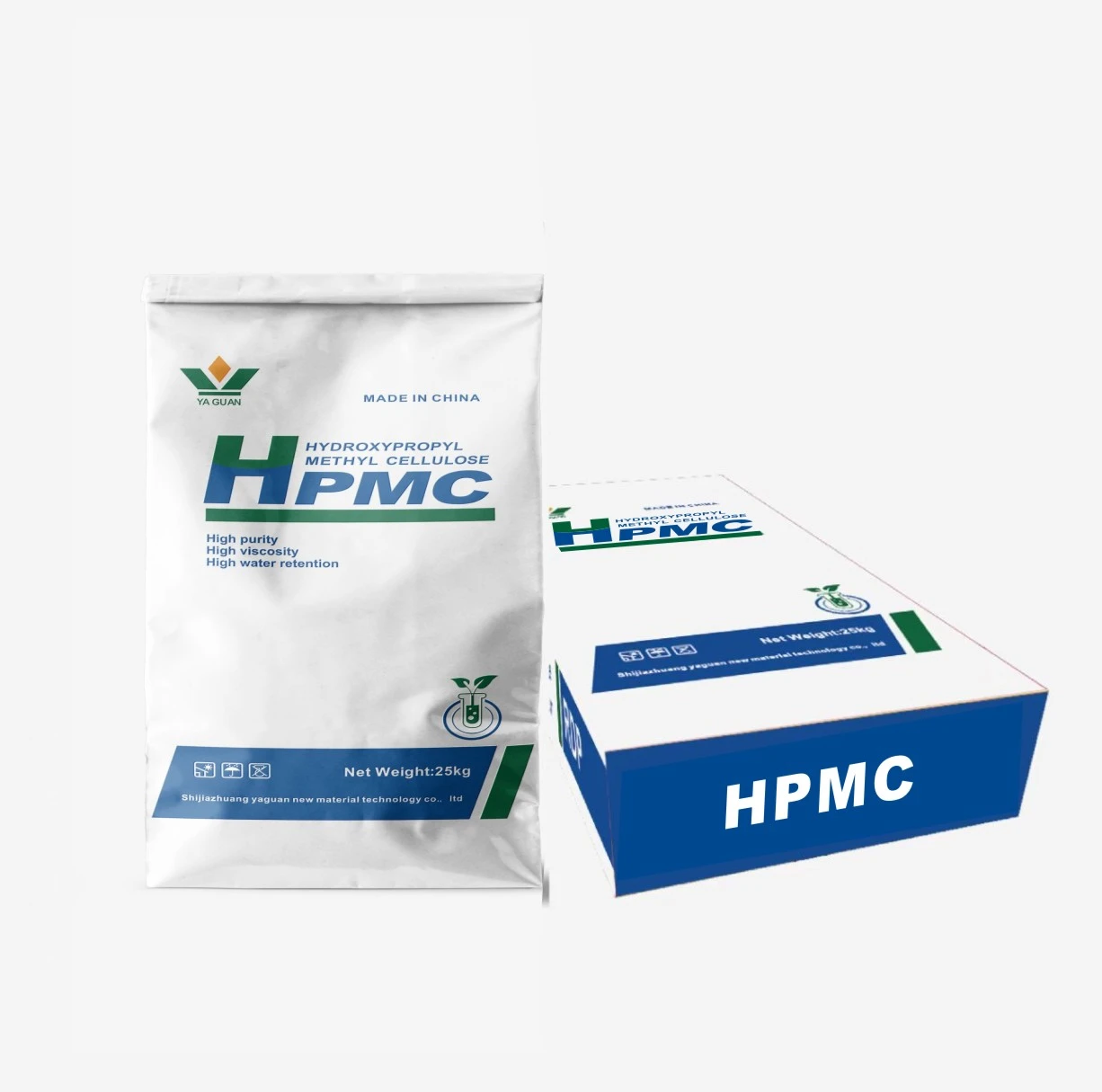
In the world of concrete construction, achieving optimal concrete properties is crucial for durability, workability, and overall structural integrity. Water reducing and retarding admixtures play a vital role in accomplishing this. These chemical compounds modify the properties of concrete mixtures, offering significant advantages in various applications. This article provides a comprehensive overview of these admixtures, their mechanisms, benefits, applications, and considerations for optimal use. We will explore how Yaguan HPMC solutions contribute to high-performance concrete.
What are Water Reducing and Retarding Admixtures?
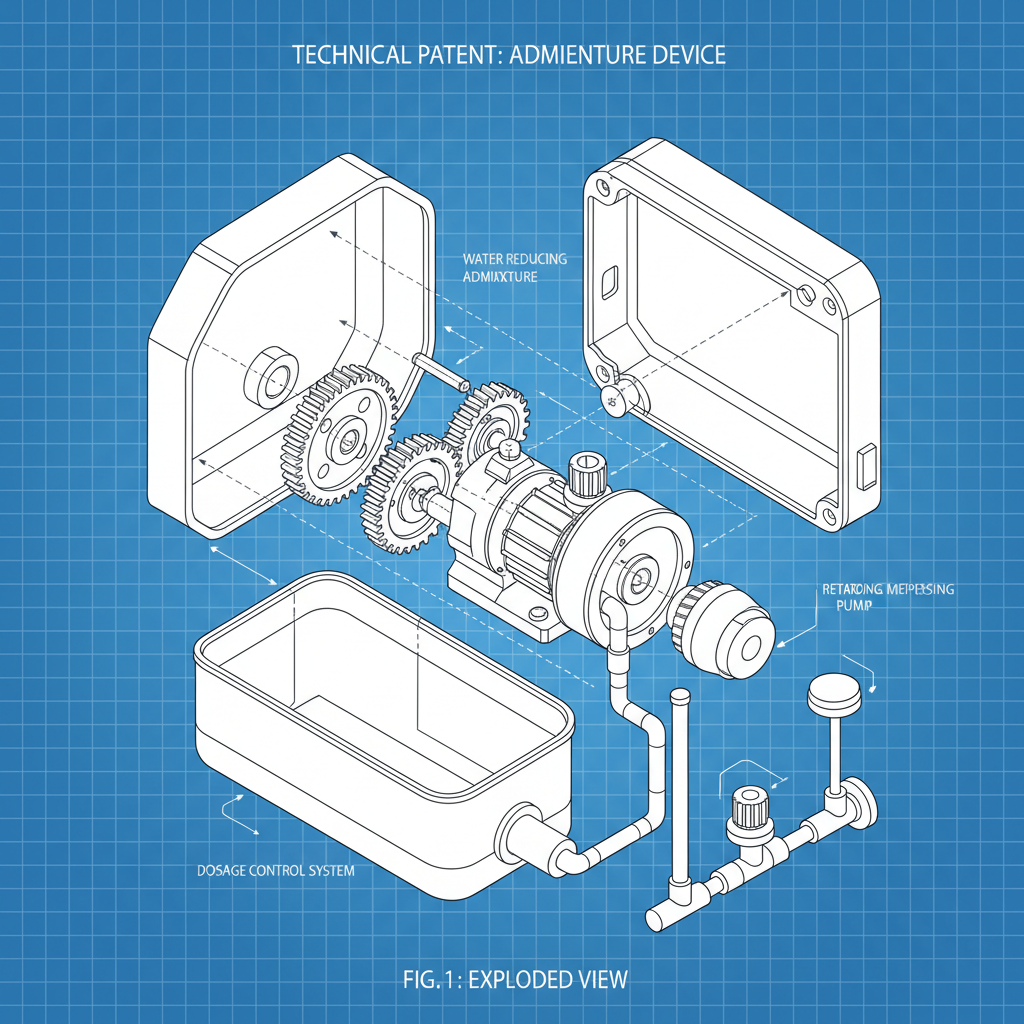
Water reducing admixtures, also known as plasticizers, are chemicals added to concrete mixtures to decrease the amount of water needed to achieve a specific slump (workability). Retarding admixtures, on the other hand, delay the initial setting time of concrete. Often, these functionalities are combined into a single admixture, providing both water reduction and retardation. This dual action is particularly beneficial in hot weather concreting or when transporting concrete over long distances. The primary goal is to enhance concrete’s strength, durability, and workability while controlling the setting process. Yaguan HPMC offers a range of admixtures tailored to specific project needs.
Key Benefits: Increased strength, improved workability, reduced permeability, extended setting time, enhanced durability.
How Do Water Reducing and Retarding Admixtures Work?
Water reducing admixtures typically work by dispersing cement particles, preventing them from clumping together. This allows for better hydration with a given amount of water, or allows for reduced water content while maintaining the same workability. Retarding admixtures function by slowing down the hydration process, primarily by adsorbing onto the cement particles and creating a barrier to water penetration. This is particularly useful in preventing premature setting during hot weather or extended transport times. The choice of admixture depends on the specific concrete mix design, environmental conditions, and desired performance characteristics. The expertise of Yaguan HPMC’s technical team can assist in selecting the most appropriate admixture for your project.
Mechanism of Action:
• Dispersing cement particles
• Adsorbing onto cement particles to slow hydration
• Improving cement hydration efficiency
• Controlling setting time
Comparing Different Types of Water Reducing Admixtures
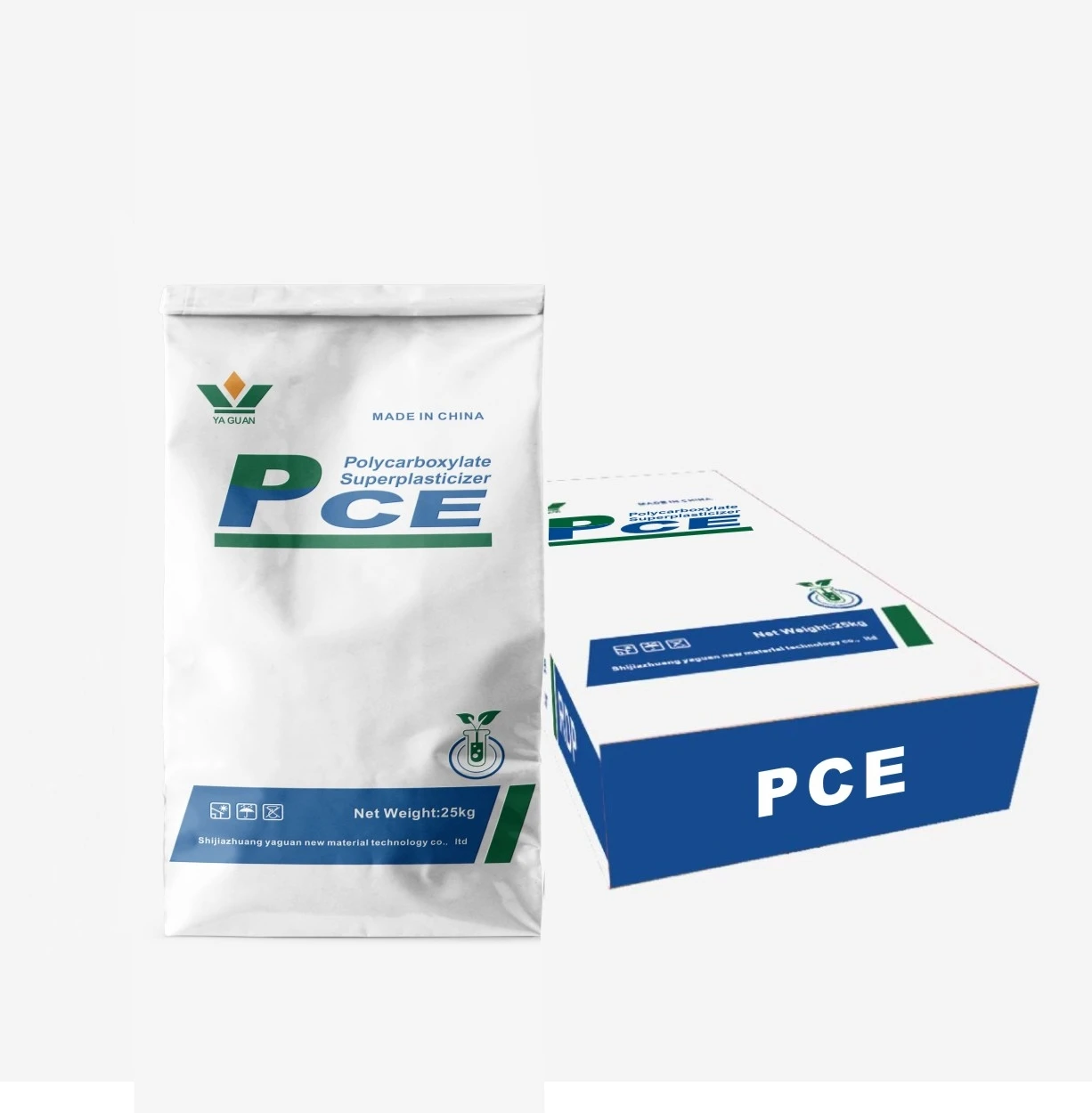
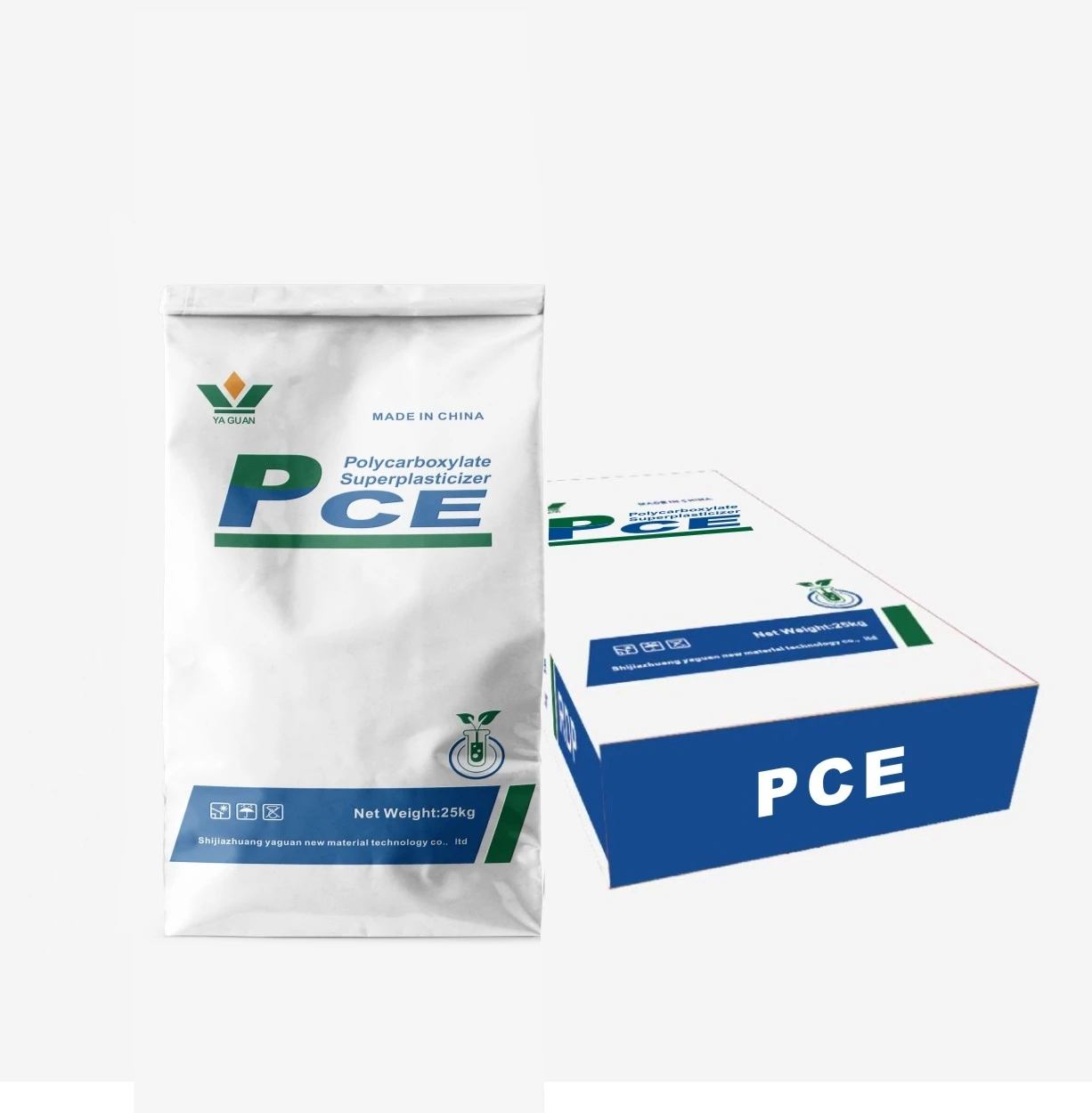
Various types of water reducing admixtures are available, each with distinct characteristics and applications. These include lignosulfonates, hydroxycarboxylic acids, and polycarboxylate ethers (PCEs). PCEs are generally considered the most advanced type, offering superior water reduction capabilities and minimal impact on setting time. The table below provides a comparison of these common types:
Applications of Water Reducing and Retarding Admixtures
These admixtures find applications in a wide array of concrete construction projects. They are essential in high-rise buildings, bridges, dams, and roads, where high-strength and durable concrete are paramount. Specifically, they are invaluable in hot-weather concreting to prevent rapid setting, in long-distance concrete transportation to maintain workability, and in self-consolidating concrete (SCC) to enhance flowability. Yaguan HPMC provides tailored solutions for these diverse applications.
Important Considerations When Using Admixtures
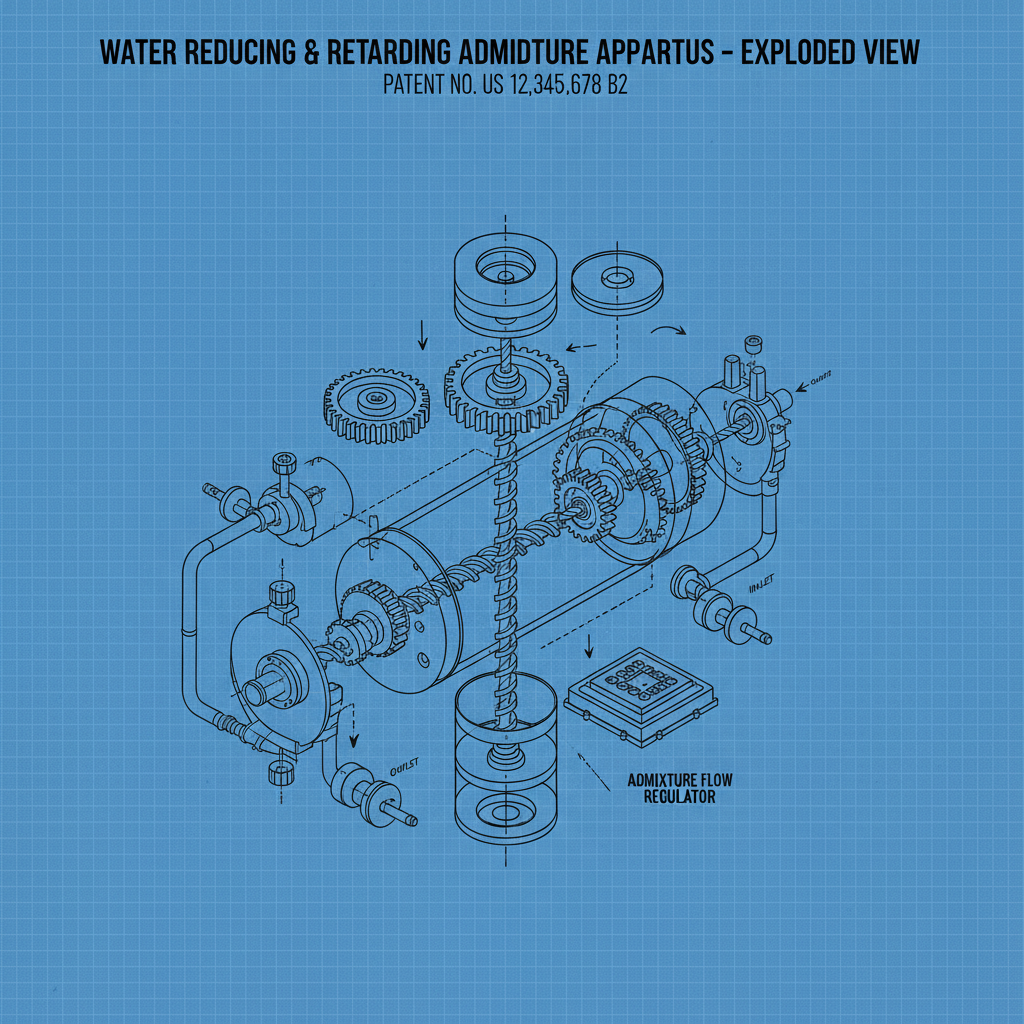
Proper dosage and compatibility are crucial when using water reducing and retarding admixtures. Overdosing can lead to excessive retardation or segregation, while underdosing may not achieve the desired effect. Always follow the manufacturer’s recommendations and perform trial mixes to determine the optimal dosage for your specific concrete mix. Furthermore, ensure the admixture is compatible with other admixtures used in the mix, such as air-entraining agents or accelerators. Yaguan HPMC’s experienced team provides technical support to ensure optimal admixture performance.
Conclusion: Enhancing Concrete Performance with Expertise
Water reducing and retarding admixtures are essential components of modern concrete technology. They offer significant benefits in terms of workability, strength, durability, and setting time control. Choosing the right admixture and utilizing it correctly is critical for achieving optimal concrete performance. Yaguan HPMC is a trusted provider of high-quality admixtures and expert technical support to help you achieve success in your concrete construction projects.
Frequently Asked Questions (FAQs)
What is the recommended dosage range for water reducing admixtures?
The recommended dosage range typically varies between 0.5% to 2.0% by weight of cement, but this is heavily dependent on the specific admixture, cement type, and desired concrete properties. It's crucial to consult the admixture manufacturer's datasheet for precise recommendations and to conduct trial mixes to optimize the dosage for your particular application. Factors like ambient temperature and humidity can also influence the optimal dosage. Remember, overdosing can be as detrimental as underdosing, potentially leading to segregation or delayed setting.
Can water reducing admixtures be used with all types of cement?
While most water reducing admixtures are compatible with common cement types (Portland cement, blended cement), it's important to verify compatibility. Some admixtures may interact negatively with certain cement compositions, affecting their performance. It’s highly recommended to perform compatibility tests before using a new admixture with a different cement type. Yaguan HPMC can provide guidance on compatibility based on your specific cement and admixture selection.
How do retarding admixtures affect the long-term strength of concrete?
Retarding admixtures, when used properly, generally do not negatively impact the long-term strength of concrete and can even enhance it in certain situations. By delaying the initial setting time, they allow for more complete cement hydration, potentially leading to increased strength development over time. However, excessive retardation can reduce the ultimate strength, especially if the concrete is not adequately cured. Proper curing practices are essential to maximize the benefits of retarding admixtures.