
Industry Trends and Market Dynamics
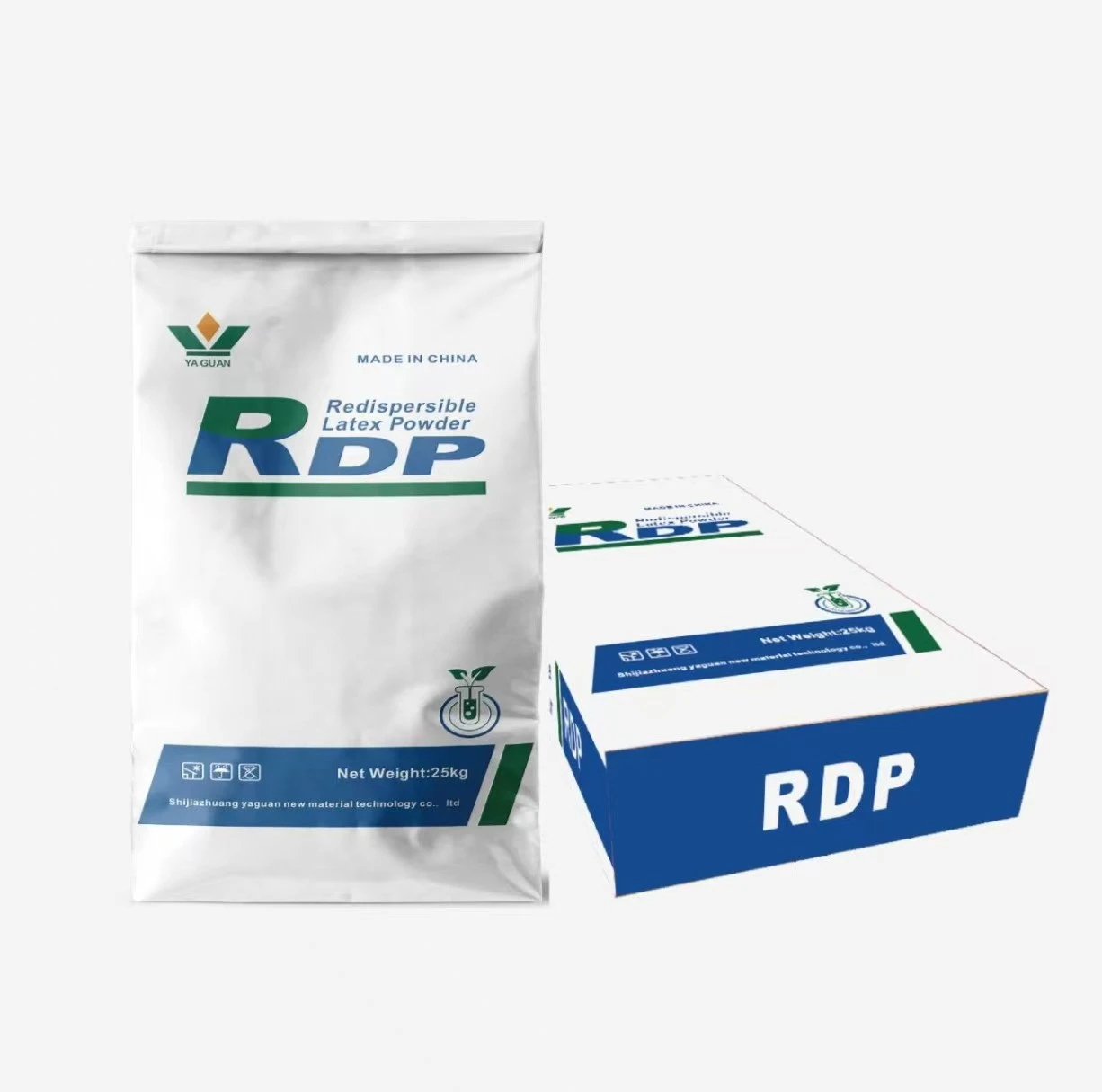
The global market for Redispersible Polymer Powder(RDP) is experiencing robust growth, driven by an expanding construction sector and an increasing demand for high-performance, sustainable building materials. As urban development accelerates worldwide, particularly in emerging economies, the need for advanced construction chemicals that offer enhanced durability, flexibility, and efficiency becomes paramount. Redispersible Polymer Powder(RDP) plays a crucial role in improving the mechanical properties, adhesion strength, and workability of various dry-mix mortars.
Current industry trends indicate a significant shift towards environmentally friendly formulations and intelligent construction solutions. Manufacturers are focusing on developing RDPs with lower VOC emissions and superior performance under challenging environmental conditions. The demand for customized RDP solutions tailored to specific regional climates and building codes is also on the rise, pushing innovation in polymer chemistry and manufacturing processes. According to market analysts, the global RDP market is projected to reach substantial valuation by 2030, with a compound annual growth rate (CAGR) reflecting its indispensable nature in modern construction. This growth is largely fueled by applications in tile adhesives, external thermal insulation composite systems (ETICS/EIFS), self-leveling compounds, and repair mortars.
Detailed Manufacturing Process Flow of Redispersible Polymer Powder(RDP)
The production of Redispersible Polymer Powder(RDP) involves a sophisticated, multi-stage manufacturing process designed to transform liquid polymer emulsions into a stable, free-flowing powder that can be easily redispersed in water. This intricate process ensures the retention of the polymer's original properties, delivering superior performance when incorporated into dry-mix mortars.
Key Process Steps:
- Monomer Preparation: The process begins with the careful selection and preparation of raw materials. Typically, these include vinyl acetate monomer (VAM), ethylene (in VAE copolymers), various acrylates, styrene, and butadiene, depending on the desired polymer type. These monomers are stored under controlled conditions to maintain purity and stability.
- Emulsion Polymerization: The monomers, along with water, emulsifiers, initiators, and protective colloids, are introduced into a reactor. Through a precisely controlled emulsion polymerization process, the monomers react to form a stable polymer emulsion. Parameters such as temperature, pressure, stirring speed, and monomer feeding rate are meticulously monitored and adjusted to achieve the desired polymer chain length, particle size, and overall emulsion stability. This stage is critical for defining the final properties of the Redispersible Polymer Powder(RDP).
- Spray Drying: The polymer emulsion is then fed into a spray dryer. Here, it is atomized into fine droplets, which are subsequently exposed to a stream of hot air. The water rapidly evaporates, leaving behind solid polymer particles encapsulated by protective colloids. This stage requires precise control of air temperature, flow rate, and nozzle design to ensure efficient drying and prevent particle agglomeration, resulting in a fine, free-flowing powder.
- Post-Treatment and Blending: After spray drying, the powder undergoes further processing, which may include cooling, sieving to ensure uniform particle size, and blending with anti-caking agents to improve storage stability and flowability. This step is vital for ensuring the powder remains free-flowing and can be easily mixed with other dry-mix mortar components.
- Quality Control and Packaging: Throughout the entire manufacturing process, rigorous quality control checks are performed. This includes testing raw materials, in-process samples, and the final product against established technical specifications and industry standards.
Testing Standards & Certifications:
Our products adhere to international quality management systems such as ISO 9001 and environmental management systems like ISO 14001. Performance testing includes measurements for minimum film-forming temperature (MFFT), ash content, bulk density, pH, solid content, and redispersibility, ensuring compliance with relevant construction material standards (e.g., ASTM, EN standards for specific applications like tile adhesives).
Target Industries & Advantages:
The primary target industry for Redispersible Polymer Powder(RDP) is the construction sector, specifically for modern dry-mix mortar formulations. This includes:
- Tile Adhesives: Enhances bond strength, flexibility, and water resistance.
- External Insulation Finishing Systems (EIFS/ETICS): Improves adhesion to insulation boards, impact resistance, and weatherability.
- Self-Leveling Compounds: Contributes to flow properties, tensile strength, and abrasion resistance.
- Wall Putties and Skim Coats: Boosts adhesion, crack resistance, and smoothness.
- Repair Mortars: Increases flexibility, adhesion to substrates, and overall durability.
The key advantage of RDP in these applications lies in its ability to significantly improve the performance and service life of construction materials, offering superior adhesion, flexibility, water repellency, and resistance to environmental stresses like freeze-thaw cycles and UV radiation.
Technical Specifications and Performance Parameters
Understanding the technical specifications of Redispersible Polymer Powder(RDP) is critical for formulators and engineers to select the appropriate product for their specific applications. RDPs are generally classified by their polymer type, such as Vinyl Acetate-Ethylene (VAE), Styrene-Butadiene (SB), and Acrylic (ACR), each offering distinct performance characteristics.
The following table outlines typical technical parameters for a high-quality VAE-based Redispersible Polymer Powder(RDP), which is widely used due to its balanced performance profile. These parameters directly influence the final properties of the dry-mix mortar.
Typical Technical Specifications of VAE Redispersible Polymer Powder
| Parameter | Unit | Typical Value Range | Significance in Application |
|---|---|---|---|
| Solid Content | % | ≥ 98.0 | Indicates the active polymer content; higher value means less inert material. |
| Ash Content | % | 8 - 14 | Residual inorganic materials from protective colloids; affects water resistance and adhesion. |
| Bulk Density | g/L | 450 - 550 | Influences storage, transport, and mixing properties of dry mortars. |
| pH Value (10% solution) | - | 7.0 - 9.0 | Affects compatibility with other mortar additives and setting time. |
| Minimum Film Forming Temperature (MFFT) | °C | 0 to +5 | The lowest temperature at which the polymer can form a continuous film; critical for performance in cold weather. |
| Glass Transition Temperature (Tg) | °C | -5 to +10 | Determines the polymer's flexibility and crack bridging ability, especially at lower temperatures. |
| Particle Size (D50) | µm | ~100-200 | Influences dispersion and homogeneity in the mortar mix. |
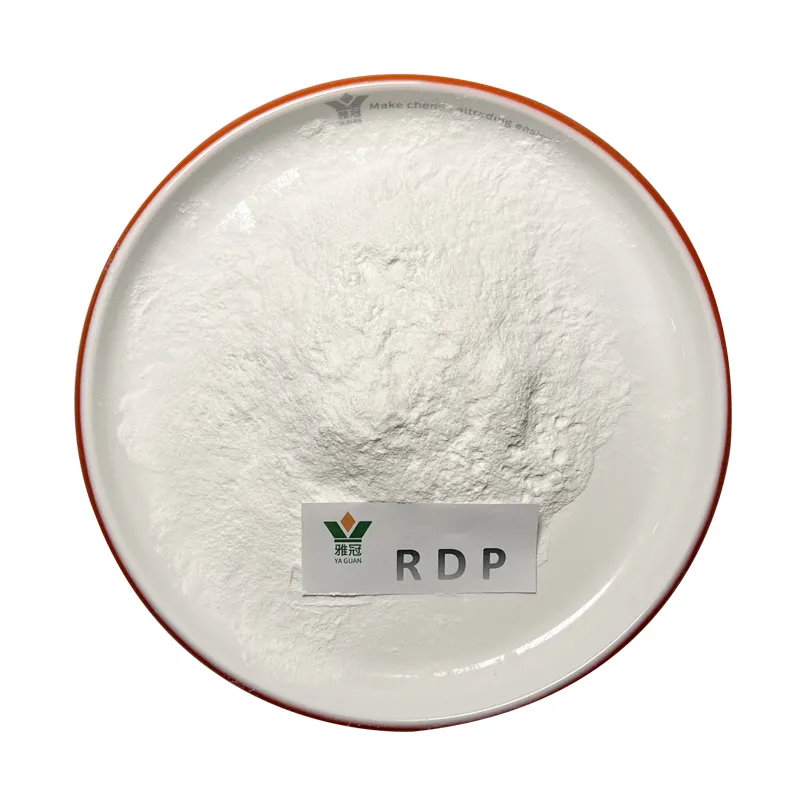
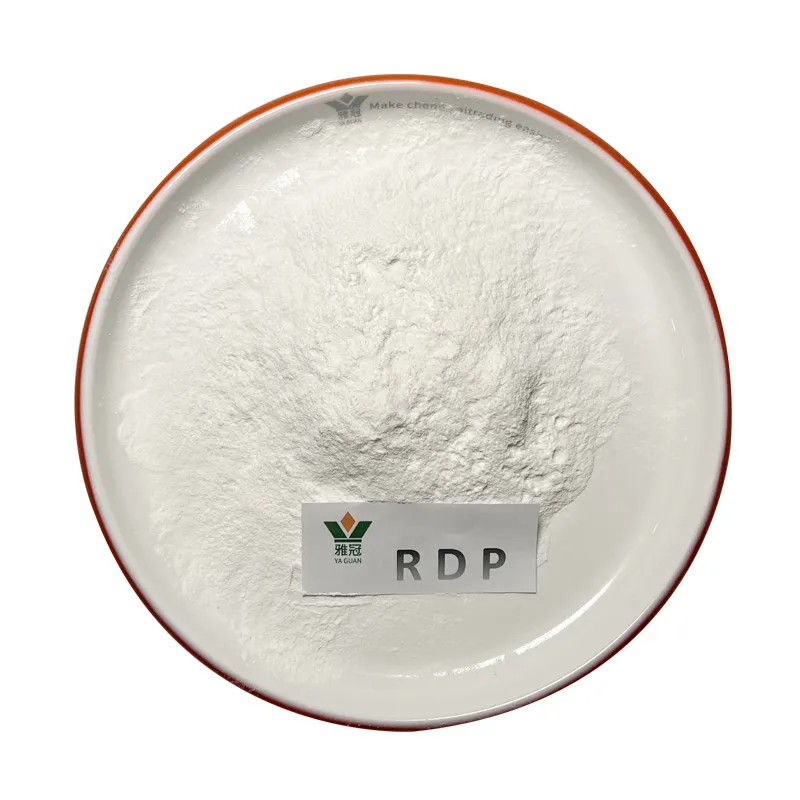
| Appearance | - | White, free-flowing powder | Visual indicator of proper manufacturing and absence of caking. |
Each of these parameters is rigorously tested using standardized methods (e.g., ISO 16220 for solid content, DIN 53778 for MFFT). Our commitment to quality ensures that every batch of Redispersible Polymer Powder(RDP) meets or exceeds these critical specifications, providing consistent and reliable performance for our clients.
Application Scenarios and Technical Advantages
The versatility of Redispersible Polymer Powder(RDP) makes it an indispensable additive across a wide array of construction applications, significantly enhancing the performance and longevity of dry-mix mortars. Its unique properties contribute to superior workability, adhesion, and durability.
Key Application Areas:
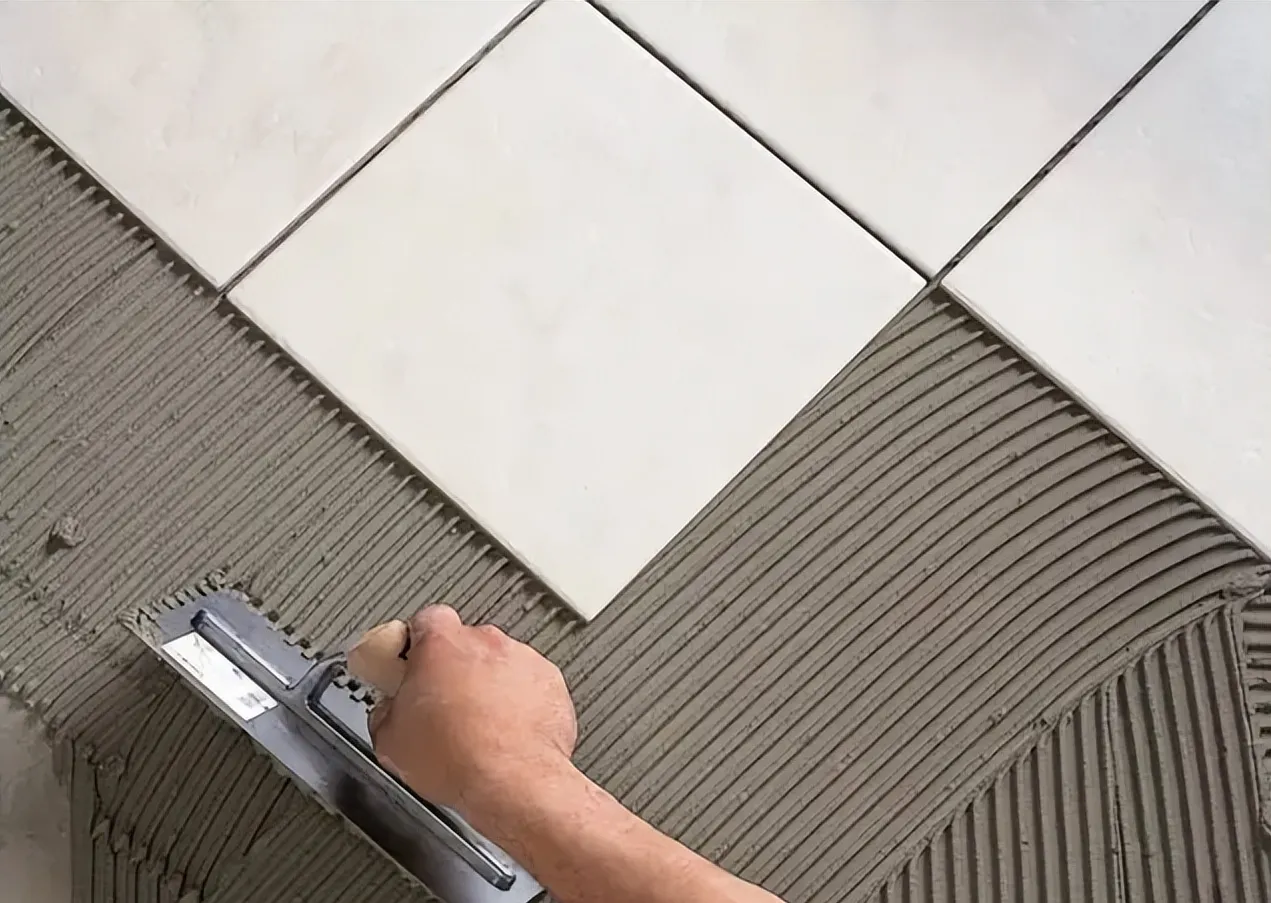
- Tile Adhesives: RDP dramatically improves the bond strength between tiles and various substrates, even in wet conditions or with large format and low-absorption tiles. It enhances flexibility, preventing cracking due to substrate movement or thermal expansion, and provides excellent open time and adjustability for installers.
- External Thermal Insulation Composite Systems (ETICS/EIFS): In renders and base coats for ETICS, Redispersible Polymer Powder(RDP) imparts excellent adhesion to insulation boards (e.g., EPS, mineral wool), improves flexural strength, impact resistance, and weatherability. This ensures the long-term integrity and energy efficiency of buildings.
- Self-Leveling Compounds (SLCs): For floor leveling, RDP improves the flow characteristics, making application smoother and enabling thin, uniform layers. It also enhances abrasion resistance, compressive strength, and adhesion to the subfloor, reducing shrinkage and cracking.
- Wall Putties and Skim Coats: RDP contributes to a smoother finish, superior adhesion to various wall surfaces, and enhanced crack resistance. It improves the workability and sandability of these materials, leading to faster and more aesthetically pleasing applications.
- Repair Mortars and Grouts: For concrete repair, RDP increases the adhesion of repair mortars to existing concrete, enhances flexibility to accommodate structural movements, and improves resistance to water ingress and aggressive chemicals, extending the service life of repaired structures.
- Waterproofing Mortars: Incorporating RDP in waterproofing slurries significantly improves their flexibility and crack-bridging capabilities, along with enhancing adhesion to substrates and reducing water permeability, providing robust moisture protection.
Technical Advantages:
- Enhanced Adhesion: Forms strong bonds with diverse substrates, including challenging ones like non-porous tiles and old concrete.
- Increased Flexibility & Elasticity: Improves the mortar's ability to withstand thermal expansion, structural movement, and vibration, preventing cracking.
- Improved Water Resistance & Durability: Reduces water absorption and enhances resistance to freeze-thaw cycles, efflorescence, and weathering.
- Superior Workability: Optimizes consistency, open time, and trowelability for easier and more efficient application.
- Reduced Shrinkage & Cracking: Minimizes internal stresses in the mortar, leading to a more stable and durable finish.
- Impact Resistance: Increases the mortar's ability to absorb energy, crucial for external facade systems.
Vendor Comparison and Customized Solutions
Selecting the right supplier for Redispersible Polymer Powder(RDP) is a critical decision that impacts the quality, performance, and cost-effectiveness of your end products. The market offers a diverse range of RDP products from various manufacturers, making a thorough comparison essential. Key differentiators often include product consistency, technical support, innovation capabilities, and the flexibility to provide customized solutions.
Comparative Analysis: Factors for Vendor Selection
| Factor | Standard/Typical Vendor | Leading/Specialized Vendor (e.g., Yaguan HPMC) |
|---|---|---|
| Product Consistency | May vary batch-to-batch; less stringent QC. | Rigorous ISO 9001 QC; consistent performance metrics. |
| Technical Support | Limited product data sheets; basic troubleshooting. | Dedicated R&D team; formulation guidance, on-site assistance. |
| Customization Capabilities | Often standard grades only; high MOQ for custom. | Tailored polymer types, Tg, MFFT, and particle size; flexible MOQs. |
| Certifications & Compliance | Basic industrial standards. | ISO 9001, ISO 14001, REACH compliance; adherence to specific regional building codes. |
| Innovation & R&D | Minimal investment; focus on existing products. | Continuous development of new polymer types for emerging applications. |
| Supply Chain Reliability | Potential for disruptions; longer lead times. | Robust global logistics; multiple production facilities; transparent lead times. |
At Yaguan HPMC, we specialize in offering not just high-quality standard grades of Redispersible Polymer Powder(RDP) but also advanced customized solutions. We understand that each construction project or product formulation can have unique requirements. Our R&D team works closely with clients to develop tailor-made RDPs that precisely match their specific performance needs, whether it's for enhanced flexibility in cold climates, improved water repellency for façade systems, or optimized adhesion for specialized substrates. This collaborative approach ensures that our clients gain a competitive edge in their respective markets.
Application Case Studies: Real-World Performance
The efficacy of Redispersible Polymer Powder(RDP) is best demonstrated through its successful implementation in real-world construction projects. These case studies highlight the tangible benefits and superior performance that RDP-modified mortars deliver, addressing common industry challenges and achieving exceptional results.
Case Study 1: High-Rise Building Façade Renovation (External Thermal Insulation)
A major renovation project for a 30-story commercial building required upgrading its existing façade with an External Thermal Insulation Composite System (ETICS). The challenge was to ensure long-term adhesion and crack resistance for the base coat and render, given the building's exposure to significant thermal cycling and wind loads.
- Solution: A high-performance VAE-based Redispersible Polymer Powder(RDP) was incorporated into the ETICS base coat mortar at a dosage of 2.5% by weight of cement.
- Results:
- Improved adhesion strength to EPS insulation boards by over 35% compared to conventional mortars (tested per ETAG 004).
- Enhanced flexural strength by 20%, significantly reducing the risk of cracking under stress.
- Demonstrated superior impact resistance (Class II according to EN 13499), providing robust protection against mechanical damage.
- After 5 years, the façade showed no signs of delamination, cracking, or deterioration, confirming the long-term durability provided by the RDP.
Case Study 2: Large-Scale Residential Flooring (Self-Leveling Compounds)
A residential complex project involved laying over 50,000 square meters of various floor finishes, requiring perfectly level and durable subfloors. The main challenge was achieving a smooth, crack-free surface with rapid drying times for efficient project execution.
- Solution: An advanced Redispersible Polymer Powder(RDP), optimized for self-leveling compounds, was utilized at a dosage of 1.8% in the formulation.
- Results:
- Achieved excellent flow and leveling properties, resulting in a perfectly smooth surface finish.
- Improved adhesion to concrete substrates by 40%, preventing delamination of the SLC layer.
- Significantly reduced shrinkage cracking, even in large continuous areas.
- The enhanced abrasion resistance led to a more durable subfloor, increasing the lifespan of the final flooring materials.
Frequently Asked Questions (FAQ)
Q1: What is the primary function of Redispersible Polymer Powder(RDP) in dry-mix mortars?
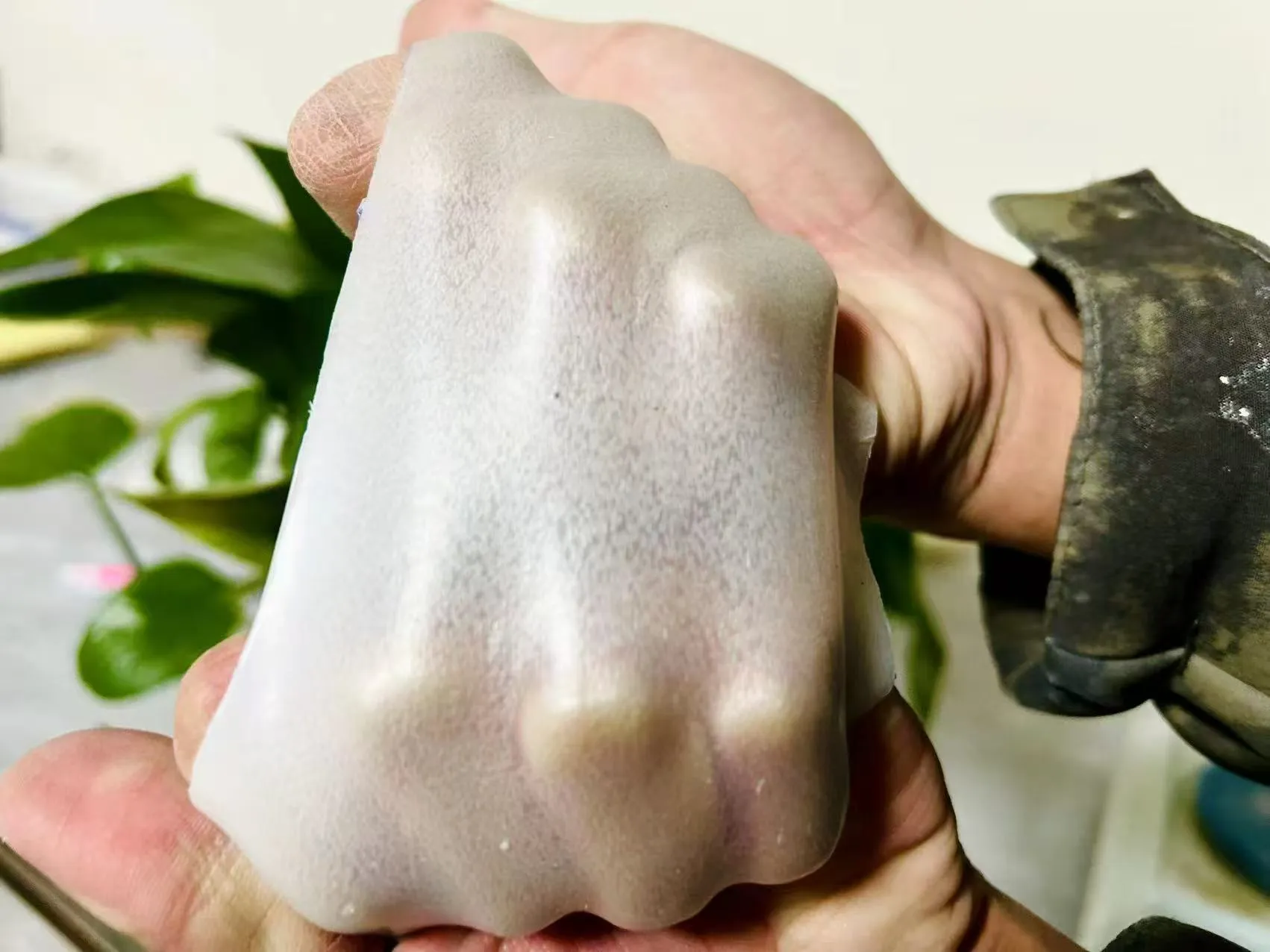
A1: The primary function of Redispersible Polymer Powder(RDP) is to improve the mechanical properties of dry-mix mortars. Upon redispersion in water, the polymer forms a film that acts as a flexible binder, enhancing adhesion, flexibility, tensile strength, impact resistance, and water repellency of the cured mortar.
Q2: How should Redispersible Polymer Powder(RDP) be stored?
A2: RDP should be stored in its original packaging, in a cool, dry place, away from direct sunlight and moisture. The typical shelf life is 12 months under these conditions. Prolonged exposure to humidity can lead to caking.
Q3: Is RDP compatible with other additives in mortar formulations?
A3: Yes, RDP is generally compatible with a wide range of other dry-mix mortar additives, including cellulose ethers, defoamers, air entraining agents, and plasticizers. However, it's always recommended to perform compatibility tests with specific formulations to ensure optimal performance. Our technical team can provide guidance on formulation optimization.
Q4: What is the typical dosage of RDP in construction applications?
A4: The typical dosage of RDP varies depending on the specific application and desired performance. For tile adhesives, it ranges from 1-5% by weight of dry mortar; for ETICS base coats, 1.5-3%; and for self-leveling compounds, 0.5-2%. Our technical data sheets provide specific recommendations for different product grades and applications.
Lead Time, Warranty, and Customer Support
Lead Time and Fulfillment:
We understand the importance of timely delivery for construction projects. Our standard lead time for most grades of Redispersible Polymer Powder(RDP) is typically 7-14 business days from order confirmation, depending on order volume and destination. We maintain robust inventory levels and efficient logistics networks to ensure reliable supply globally. For large-volume or customized orders, specific lead times will be provided upon inquiry and order confirmation, factoring in production schedules and shipping requirements.
Warranty Commitments:
All our Redispersible Polymer Powder(RDP) products are manufactured under strict ISO 9001 certified quality management systems. We guarantee that our products meet the technical specifications detailed in our product data sheets at the time of shipment, provided they are stored and handled according to our recommendations. Any product found to be non-compliant within its stated shelf life, under proper storage conditions, will be subject to replacement or credit, in accordance with our terms and conditions. Our commitment extends to providing materials that consistently perform to the highest industry standards.
Dedicated Customer Support:
Our dedication to customer success is paramount. We offer comprehensive pre-sales and post-sales technical support from our team of experienced chemists and application engineers. This includes:
- Technical Consultation: Expert advice on product selection and formulation optimization for specific applications.
- Troubleshooting: Assistance with any application challenges or performance issues encountered with our RDP.
- Sample Provision: Provision of product samples for testing and evaluation purposes.
- Customization Services: Collaborative R&D for bespoke RDP solutions tailored to unique project requirements.
- Regulatory Support: Information and documentation to ensure compliance with relevant industry standards and regulations.
Our customer support team is available via phone, email, and online channels to address inquiries promptly and efficiently, ensuring a seamless experience from product selection to successful application.
References and Authoritative Sources
- European Technical Assessment Guideline (ETAG 004): Guideline for European Technical Approval of External Thermal Insulation Composite Systems (ETICS) with rendering.
- International Organization for Standardization (ISO) 9001: Quality management systems – Requirements.
- ASTM International Standards for Construction Materials: Various standards pertaining to dry-mix mortars and adhesives.
- DIN EN 1348: Adhesives for tiles – Determination of tensile adhesion strength for cementitious adhesives.
- Wacker Chemie AG. "Polymer Binders for Dry Mortars: Redispersible Polymer Powders." Technical Literature.