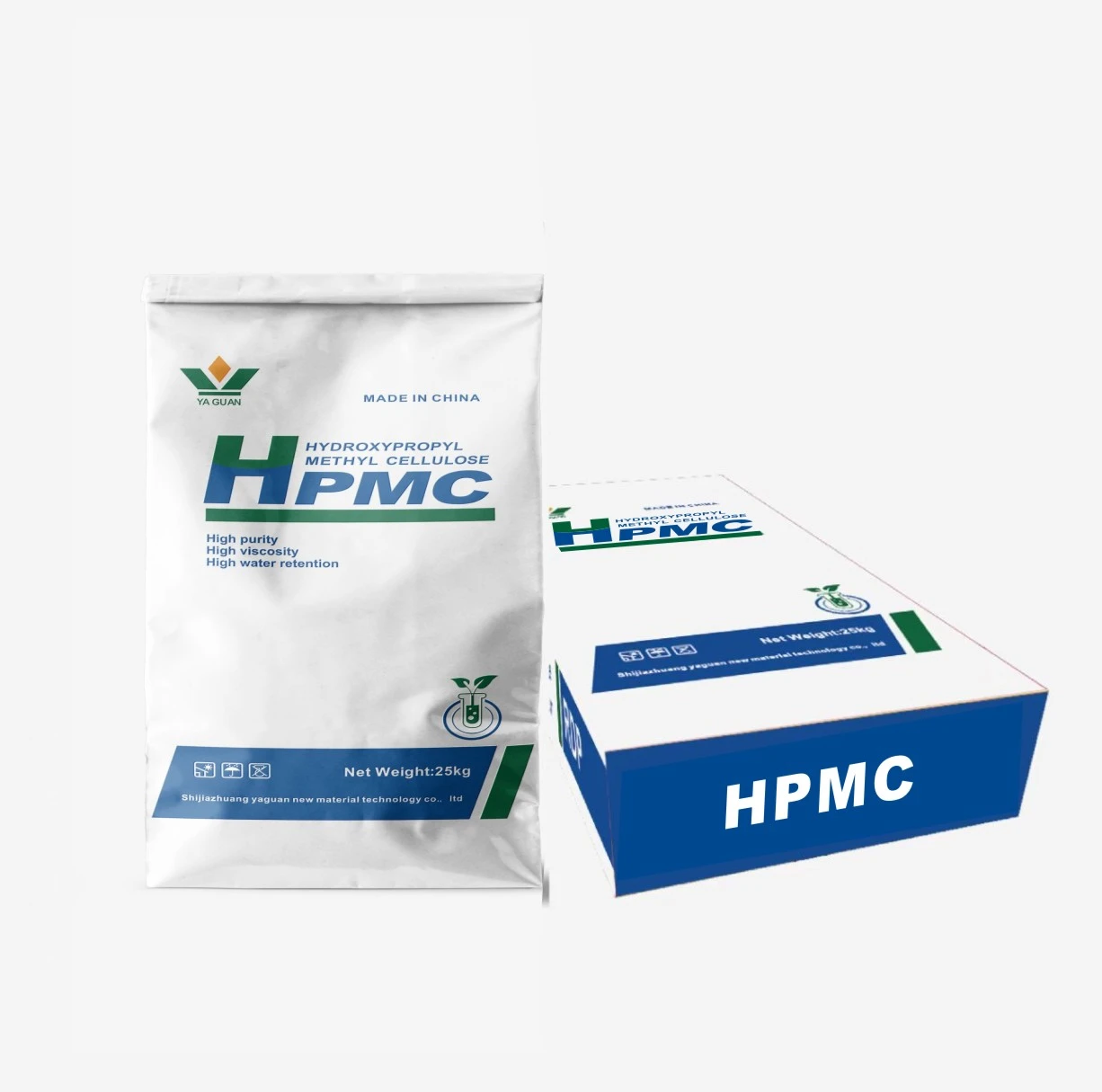

Understanding HPMC Manufacturers: A Vital Link in Global Industry
Ever paused to think about the hidden heroes behind many products and infrastructure elements? That’s what HPMC manufacturers bring to the table. Often operating behind the scenes, these manufacturers play a crucial role in delivering high-quality hydroxypropyl methylcellulose (HPMC), a versatile compound that’s woven deeply into industries ranging from construction to pharmaceuticals worldwide. Why should this matter to you? Because understanding who these manufacturers are and how they operate can unlock benefits such as enhanced product performance, sustainability, and supply chain resilience across sectors.
The Global Context: Why HPMC Manufacturers Matter More Than Ever
Globally, the demand for HPMC is expected to grow steadily, thanks to its diverse applications. According to ISO standards and industry reports, the pharmaceutical and construction sectors see an 8–10% annual growth in hydroxypropyl methylcellulose consumption. This reflects not only rising infrastructure projects in emerging economies but also growing healthcare investments. Yet, despite robust demand, a significant challenge remains: consistent quality supply. In regions with supply chain disruptions or limited local production, anyone relying on HPMC products — be it adhesives, tablets, or cement additives — can face costly delays or compromised quality.
Addressing this challenge requires a glance at the manufacturers themselves — companies skilled in production, quality control, and innovation. Getting to know these HPMC manufacturers worldwide helps tackle supply uncertainties while pushing sustainable practices.
So, Who Exactly Are HPMC Manufacturers?
Simply put, HPMC manufacturers are specialized chemical producers who convert cellulose derivatives into hydroxypropyl methylcellulose — a white, odorless powder with unique properties like water retention, film formation, and thickening ability. These manufacturers combine raw materials under precise conditions, using proprietary techniques to ensure consistent molecular weight and purity.
Their output becomes fundamental in industries that depend heavily on polymer performance. Think pharmaceutical tablets that need exact disintegration times, or construction mortars requiring enhanced workability without compromising strength. Therefore, HPMC producers sit at the intersection of chemistry, engineering, and industrial application.
Core Components Defining Quality in HPMC Manufacturing
1. Purity & Composition
The primary factor is chemical consistency. Manufacturers must adhere to stringent quality parameters to maintain HPMC’s molecular makeup. Impurities can affect viscosity and usability, so robust purification stages are critical.
2. Production Scalability
Great manufacturers offer scalable production, meaning small batches for pharmaceutical R&D are as viable as large industrial volumes for building materials. The ability to flex production without quality loss is a competitive edge.
3. Compliance & Certification
ISO certifications, pharmaceutical-grade compliance (like USP/NF), and environmental standards ensure products meet end-use expectations safely, legally, and sustainably.
4. Innovation & Customization
Leading manufacturers provide customized HPMC grades based on viscosity, substitution degree, and particle size, tailored for diverse applications — whether it's film coatings or 3D printing materials.
5. Environmental Responsibility
Eco-conscious practices in sourcing cellulose and optimizing energy consumption during manufacturing are becoming non-negotiable benefits in the market.
Global Applications & Real-World Use Cases
The reach of HPMC spans continents and sectors. In Asia’s booming construction industry, for instance, manufacturers supply HPMC to improve mortar adhesion and freeze-thaw resistance. In Europe and North America, pharmaceutical firms demand tight-quality grades for controlled drug release and tablet coating.
- Post-disaster relief operations: HPMC-based quick-setting mortars enable rapid rebuilding in challenging environments.
- Food Industry: Used as a thickener and stabilizer in gluten-free products.
- Cosmetics: Enhances product texture and moisture retention.
- Paints & Coatings: Offers improved viscosity and anti-settling properties.
Regions with developing infrastructure projects or expansive healthcare reforms often turn to trusted manufacturers to secure reliable HPMC supply chains. NGOs and government agencies depend on this for sustainable progress.
Advantages & Long-Term Benefits of Partnering With Expert HPMC Manufacturers
The benefits are multifold:
- Cost Efficiency: Reliable supply cuts downtime and waste.
- Sustainability: Responsible manufacturing minimizes environmental impact.
- Product Reliability: Consistent quality ensures safety and performance.
- Social Impact: Facilitates infrastructure, healthcare, and food security initiatives.
- Innovation: Tailored solutions ignite new applications and processes.
On an emotional level, you gain peace of mind knowing your projects rest on a foundation of trusted materials engineered for durability and safety — that kind of trust can’t be overstated.
Emerging Trends Shaping the HPMC Manufacturing Landscape
Innovation is humming along several fronts:
- Green Chemistry: Shifting toward bio-based inputs and greener solvents.
- Digital Process Control: Automation and real-time monitoring to boost quality and reduce waste.
- Customized Polymers: Developing new HPMC variants for 3D printing and biotech.
- Supply Chain Transparency: Blockchain for traceability in global sourcing.
Manufacturers embracing these will lead the pack, especially under growing regulatory scrutiny and market demands for eco-conscious products.
Challenges and How Top HPMC Manufacturers Overcome Them
Common issues include:
- Raw Material Fluctuations: Ensuring consistent cellulose quality.
- Environmental Compliance: Meeting stricter regulations worldwide.
- Market Competition: Balancing price with premium quality.
- Supply Chain Risks: Minimizing delays and disruptions.
Expert suppliers mitigate these through diversified sourcing, advanced quality checks, sustainable processes, and strong logistics partnerships. It’s not perfect but steadily progressing.
Frequently Asked Questions About HPMC Manufacturers
- What distinguishes a reliable HPMC manufacturer from others?
- Reliable manufacturers focus on consistent chemical quality, relevant certifications, scalable production, and customer support, ensuring the HPMC fits your exact application needs.
- How long can HPMC-based products last in construction?
- When produced and applied correctly, HPMC-enhanced mortars and plasters can significantly extend construction lifespan by improving moisture retention and durability, sometimes by decades.
- Is HPMC eco-friendly and sustainable?
- HPMC is derived from cellulose, a renewable resource, but sustainability depends on manufacturing methods. Leading producers prioritize green chemistry to minimize environmental impact.
- How do international companies import HPMC safely?
- Trusted exporters comply with international standards, proper packaging, and documentation. Working through established distributors or hpmc manufacturers ensures smoother customs clearance and supply consistency.
- Can HPMC be customized for different industrial uses?
- Absolutely. Manufacturers can adjust viscosity, particle size, and substitution levels to cater to pharmaceutical, construction, food, or cosmetic applications.
Product Specification Table: Typical HPMC Grades
| Grade | Viscosity (mPa·s) | Substitution (%) | Applications |
|---|---|---|---|
| HPMC-10K | 10,000 | 28-30% | Mortar Additives, Adhesives |
| HPMC-400C | 400 | 26-28% | Pharmaceutical Tablets, Coatings |
| HPMC-5000G | 5,000 | 29-31% | Paints, Cosmetics |
Vendor Comparison: Leading HPMC Manufacturers
| Vendor | Certifications | Customization | Global Reach | Sustainability |
|---|---|---|---|---|
| Yaguan Chemicals | ISO 9001, USP | High | Asia, Europe, Americas | Eco-friendly sourcing |
| CelluPro Ltd. | ISO 14001, GMP | Medium | Europe, Asia | Certified green facility |
| GlobalChem | USP, REACH | High | Worldwide | Ongoing sustainability projects |
Conclusion and Next Steps
At the end of the day, working with top-notch HPMC manufacturers isn’t just a procurement choice — it’s a strategic decision that touches product quality, sustainability goals, and industry innovation. Whether you’re improving construction materials, developing safer pharmaceuticals, or crafting eco-friendly cosmetics, understanding who makes your HPMC and how can be a game-changer.
If you’re looking to explore reliable partners who combine expertise, certification, and sustainability, why not start with trusted sources? Visit our overview at https://www.yaguanhpmc.com — they offer comprehensive solutions and know the pulse of the market.
Informed decisions today lead to smarter products tomorrow.