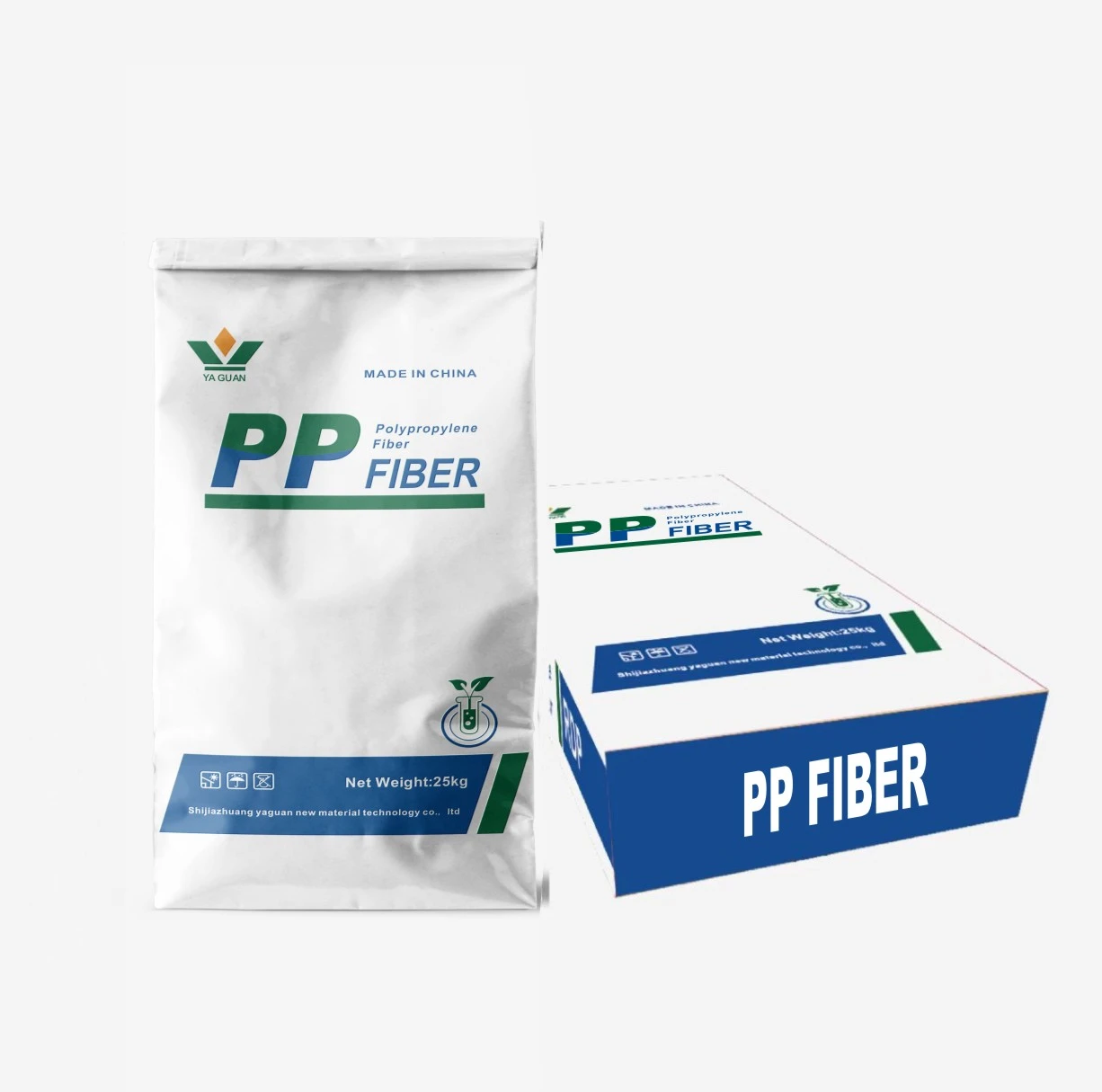

Why pp Fiber Suppliers Matter in Today’s Global Market
At first glance, “pp fiber suppliers” might sound like some niche corner of the textile or construction industries that few really know about. But dig deeper, and you’ll find that polypropylene (PP) fibers — and the companies that supply them — play a surprisingly pivotal role globally. From reinforcing concrete to making geotextiles, these fibers have quietly revolutionized several industry sectors. Understanding who these pp fiber suppliers are, what they offer, and where their products go can help engineers, procurement managers, and sustainability experts make smarter choices for everything from infrastructure projects to disaster relief kits.
Setting the Scene: A Global Look at PP Fiber Supply
PP fibers have carved out a notable space in the global materials market — a sector currently valued at several billion USD and growing steadily. According to International Standards Organization data, polypropylene fibers are among the top synthetic reinforcement materials in construction due to their light weight and durability. In fact, global cement and concrete use are climbing steadily, and with sustainability pushed to the front burner worldwide by organizations such as the UN Environment Programme, demand for eco-friendly reinforcing fibers is soaring.
That’s where reliable pp fiber suppliers come in — they not only source the fibers but help industries address big challenges: ensuring safety in quake zones, improving road durability under extreme climates, or simply reducing the environmental impact of urban sprawl. In many growing economies, the construction boom can’t happen without these specialized textile inputs.
Mini takeaway: As populations grow and infrastructure ages, pp fiber suppliers underpin a crucial link in sustainable development and disaster resilience worldwide.
Defining pp Fiber Suppliers in Plain Terms
So, who exactly are pp fiber suppliers? Think of them as specialized manufacturers and distributors of polypropylene fibers, a versatile plastic fiber used primarily to reinforce concrete and other composite materials. These suppliers operate on multiple levels — from producing raw fibers to customizing them for specific industrial applications.
Polypropylene fibers themselves are prized because they resist corrosion, weigh less than traditional steel-based reinforcements, and are relatively easy to handle on job sites. In humanitarian contexts, their water-resistant and durable properties are a godsend, especially where modular or quick-deploy housing solutions rely on reinforced building materials to withstand adverse conditions.
In short, pp fiber suppliers bridge the gap between raw polymer manufacture and real-world applications across various sectors.
Core Components of Quality PP Fiber Supply
1. Durability and Strength
Polypropylene fibers need to withstand mechanical stress and environmental wear. The supplier’s ability to guarantee consistent fiber tensile strength and elasticity is fundamental — engineers often cite variability as a top source of project risk.
2. Scalability & Supply Chain Reliability
In large infrastructure or disaster response projects, timely delivery can’t be compromised. The best pp fiber suppliers maintain robust logistic networks to ensure steady, scalable availability, whether it’s a small pilot test or a million kilograms for highway construction.
3. Cost Efficiency Without Compromise
You’d think raw polymer fibers are cheap, but quality blends, twist counts, and fiber length vary substantially. Suppliers that balance cost with product longevity tend to be the trusted partners for long-term contracts.
4. Customization & Technical Support
Modern projects often require tailored fiber blends—longer fibers for concrete slabs, shorter for lightweight composites, or modified for UV exposure resistance. Suppliers that offer R&D collaboration provide a distinct advantage in cutting-edge applications.
Mini takeaway: When selecting a pp fiber supplier, it’s the blend of quality, reliability, adaptability, and cost that shapes project success more than any single metric.
Global Applications & Real-World Use Cases
PP fiber suppliers serve a surprisingly wide gamut of industries:
- Construction: Concrete reinforcement worldwide, notably in road, airport, and tunnel projects.
- Disaster relief housing: Quick-setting reinforced panels built with PP fibers provide lightweight and robust shelters in quake- or flood-prone areas.
- Geotextiles: Soil stabilization for erosion control, often alongside environmental restoration projects.
- Industrial fabrics: Filters, protective clothing, and automotive components.
Take the example of Southeast Asia's flood relief programs, where humanitarian agencies rely on reinforced concrete panels fiber-enhanced with PP strands that arrive from trusted fiber suppliers. Across varied terrains — deserts, tropical zones, or mountainous regions — these fibers help deliver lasting shelter options.
Product Specification Table: Typical Polypropylene Fiber Grades
| Specification | Grade A | Grade B | Grade C |
|---|---|---|---|
| Fiber Length (mm) | 12 - 18 | 6 - 12 | 3 - 8 |
| Tensile Strength (MPa) | 550 - 600 | 450 - 500 | 350 - 400 |
| Density (g/cm³) | 0.91 - 0.93 | 0.90 - 0.92 | 0.89 - 0.91 |
| UV Resistance | High | Moderate | Low |
Comparing Top pp Fiber Suppliers
| Supplier | Global Reach | Customization Options | Typical Lead Time | Price Range |
|---|---|---|---|---|
| Yaguan HPMC | Asia, Europe, North America | High (R&D collaboration) | 2-4 weeks | Mid-tier |
| FibroTech Inc. | Global | Moderate | 3-5 weeks | High-end |
| Polymatrix Ltd. | Europe, Asia | Basic | 1-3 weeks | Budget |
Advantages and Enduring Value of PP Fibers
What really hooks many industries and NGOs on polypropylene fibers? For starters, the cost-to-performance ratio is tough to beat. PP fibers reinforce materials without adding weight or rust risk, meaning safer buildings and longer-lasting roads at a budget-friendly price.
On a human level, it’s about trust and security. Imagine a family living in a shelter enhanced with pp fiber reinforcement — the fibers help the structure hold strong through rains, winds, or minor seismic tremors, providing a physical and emotional anchor in uncertain times.
And I’m not exaggerating when I say sustainability factors in heavily. Compared to steel, polypropylene fibers have a much lower carbon footprint during production, and many suppliers now offer recycled or bio-based PP fibers as corporate responsibility takes center stage globally.
Looking Ahead: Innovations and Trends in PP Fiber Supply
The field isn’t standing still — far from it. Many suppliers invest in greener fiber variants derived from recycled plastics or bio-based feedstocks. Automation technologies streamline production lines, reducing costs and minimizing waste.
Digital twin technology is also coming into play, helping engineers simulate fiber performance faster and more accurately. And as environmental regulations tighten worldwide, pp fiber suppliers are adapting quickly, offering fibers that pass stricter emissions and fire resistance tests.
Oddly enough, many say the next decade could see PP fibers not just as reinforcement but active contributors to “smart” materials that adjust to stresses or environmental changes. Exciting times.
Common Challenges And How Leading Suppliers Address Them
Any seasoned procurement lead will tell you — quality inconsistency and supply chain interruptions are ever-present headaches. Plus, technical specifications can vary subtly, creating mismatches in projects expecting uniform outcomes.
Forward-thinking pp fiber suppliers mitigate these by:
- Maintaining ISO-certified manufacturing processes for repeatable quality
- Offering detailed technical datasheets and on-demand third-party testing
- Establishing regional warehouses to buffer logistics hiccups
- Collaborating closely with customers on project-specific fiber customization
It’s a bit like tuning a fine instrument — find the right balance, and the payoff is worth it.
FAQ: Frequently Asked Questions About pp Fiber Suppliers
Q1: What advantages does polypropylene fiber reinforcement have over traditional steel?
A1: PP fibers are corrosion-resistant, lighter, and offer improved durability in harsh environments without compromising strength. This results in easier handling, lower maintenance, and longer lifespan for reinforced materials.
Q2: How can I ensure timely delivery when working with international pp fiber suppliers?
A2: Partner with suppliers who maintain regional stock warehouses and transparent supply chains. Request lead time commitments upfront and consider suppliers like Yaguan HPMC that offer solid logistics networks.
Q3: Are polypropylene fibers eco-friendly and recyclable?
A3: Yes, polypropylene fibers have a lower carbon footprint than steel reinforcement and can be produced from recycled plastics. Many suppliers now promote green fiber variants aligned with sustainability goals.
Q4: Can pp fiber suppliers customize fibers for specialized industrial needs?
A4: Absolutely. Leading suppliers provide fibers with tailored lengths, denier, UV stabilization, and mechanical properties. Collaborative R&D support often accompanies such customization.
Q5: How long do structures reinforced with polypropylene fibers typically last?
A5: Depending on environmental factors and design, PP fiber reinforced structures can last decades with minimal degradation, especially compared to traditional materials that rust or crack more easily.
Wrapping Up: Why Choosing the Right pp Fiber Supplier Counts
In real terms, the right polypropylene fiber supplier isn’t just a vendor — they’re a strategic partner. They help industries innovate, scale, and meet environmental goals while making infrastructure safer and more resilient. For engineers and planners worldwide, the challenge is knowing where to find these reliable supply sources. If you’re diving into complex projects or humanitarian builds, I’d recommend checking out pp fiber suppliers who combine quality, customization, and service.
In the end, it’s these fibers — small strands of polymer — that hold up some of humanity’s biggest ambitions. Strange, but true.