
Redispersible Emulsion Powder: The Secret to High-Performance Dry-Mix Mortars
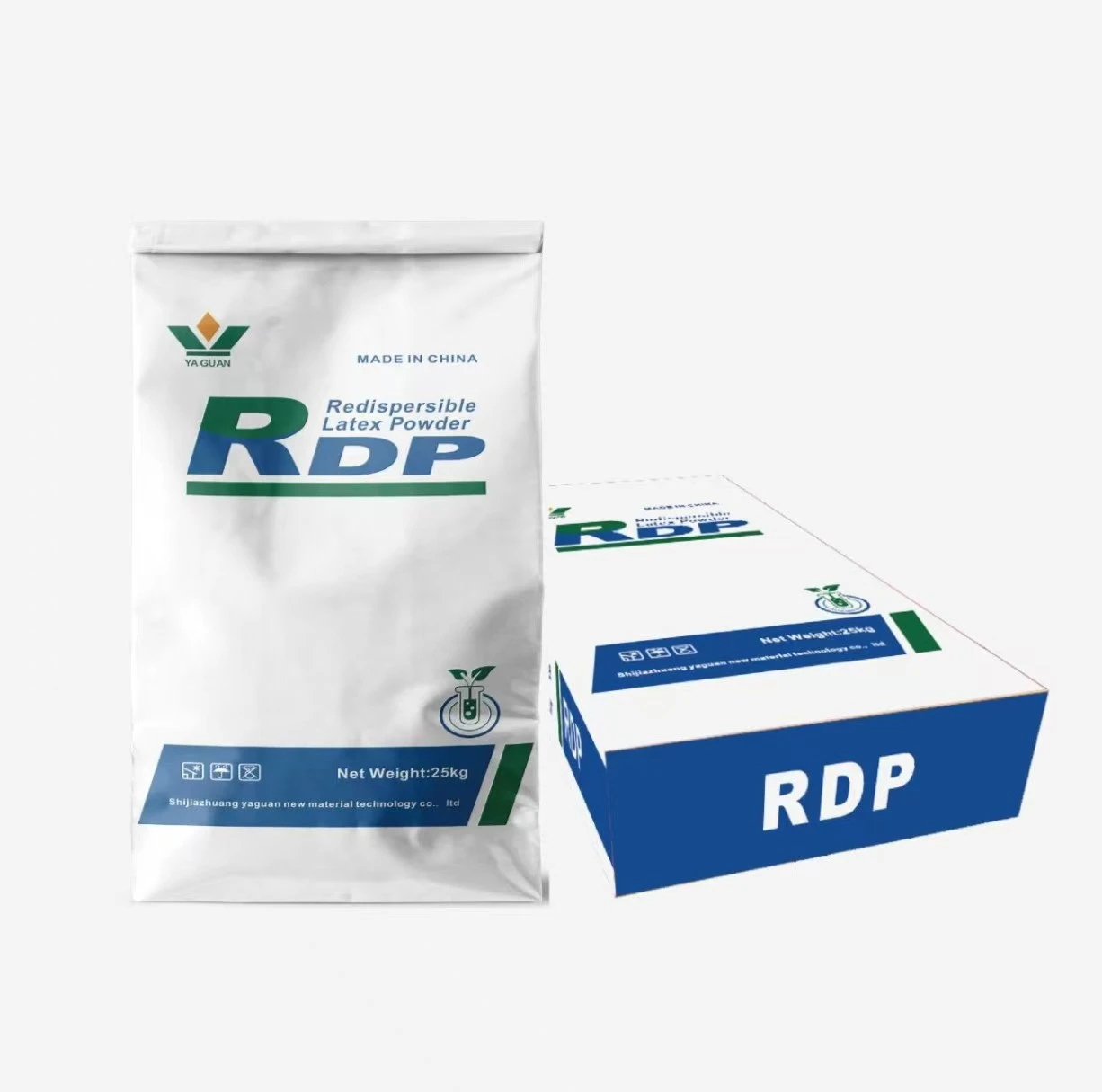
In the modern construction industry, the durability and flexibility of mortar systems are non-negotiable. redispersible emulsion powder (often referred to as RDP) has emerged as a critical additive that transforms ordinary cementitious mixtures into high-performance building materials. By enhancing adhesion, water resistance, and workability, this specialized polymer ensures that mortars can withstand the stresses of temperature fluctuations and structural movements. Understanding the chemistry and application of this powder is essential for engineers and contractors striving for longevity in their projects.
How Redispersible Emulsion Powder Works in Construction
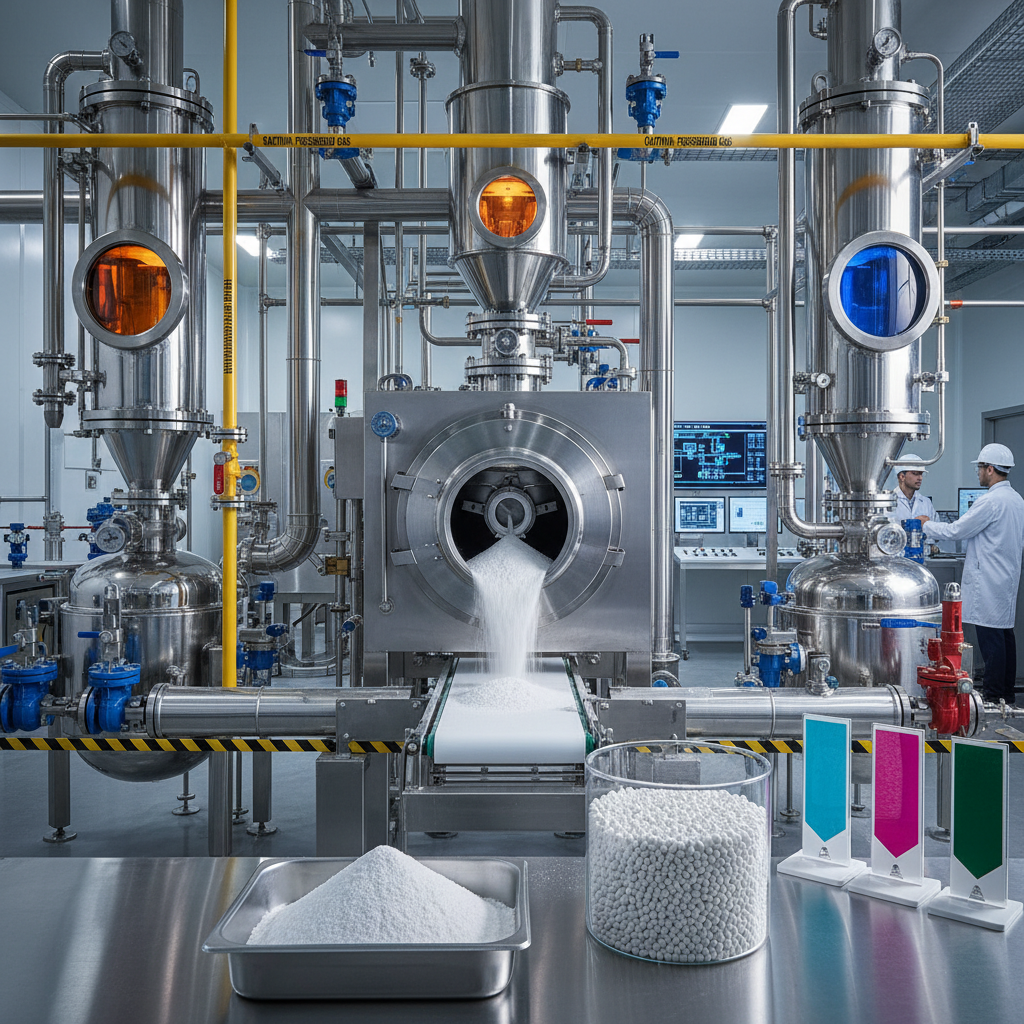
The magic of redispersible emulsion powder lies in its ability to return to a liquid state upon the addition of water. Produced through spray-drying a specialized aqueous polymer emulsion, the resulting powder can be easily mixed into dry mortar. Once water is added, the polymer particles redisperse, forming a continuous film throughout the cement matrix as it cures. This organic film acts as a "bridge" between the mortar and the substrate, significantly increasing the tensile strength and flexibility of the final application, which prevents cracking and peeling over time.
Pro Tip: To maximize the effectiveness of RDP, ensure a homogeneous mix with the cement and sand to avoid localized clumps of polymer, which can create weak spots in the mortar layer.
Key Benefits of Using High-Quality Redispersible Emulsion Powder
Integrating a premium redispersible emulsion powder provides several technical advantages that are critical for professional construction. First, it drastically improves adhesion to various surfaces, including old concrete, gypsum, and wood. Second, it enhances the water-retention capacity of the mix, preventing the mortar from drying too quickly and ensuring proper hydration of the cement. Finally, it improves the workability and "slip resistance" of the mortar, making it easier for workers to apply materials to vertical walls without them sliding down.
Performance Gains:
• Enhanced Bonding: Superior grip on porous and non-porous substrates.
• Crack Prevention: Better elasticity to absorb thermal expansion.
• Water Resistance: Reduced permeability, protecting structures from dampness.
• Longevity: Increased wear and abrasion resistance for floor mortars.
Comparing Redispersible Emulsion Powder vs. Traditional Additives
When comparing redispersible emulsion powder to traditional additives like simple PVA glues or basic cellulose, the difference in structural integrity is evident. Traditional additives often lack the molecular stability to form a cohesive film, leading to brittle mortars that crack under stress. RDP, however, creates a chemically stable network that reinforces the cement. Below is a detailed comparison showing why modern dry-mix manufacturers prefer RDP for high-end projects.
Common Applications for Redispersible Emulsion Powder
The versatility of redispersible emulsion powder makes it indispensable across various dry-mix products. In Tile Adhesives, it prevents the tiles from detaching due to vibration or shrinkage. In External Thermal Insulation Composite Systems (ETICS), it provides the necessary strength to hold insulation boards securely to the facade. It is also widely used in Self-Leveling Flooring to reduce shrinkage and increase surface hardness. Whether it is a simple wall putty or a complex repair mortar, the inclusion of RDP ensures a professional, long-lasting finish.
Technical Specifications of Redispersible Emulsion Powder
When sourcing redispersible emulsion powder, it is important to look at the technical data sheet (TDS) to ensure the product matches your project requirements. Key metrics include the glass transition temperature (Tg), which affects the flexibility of the final mortar, and the ash content, which indicates the purity of the polymer. High-purity powders provide more consistent results and better cost-efficiency per kilogram of mortar produced.
Optimizing the Dosage of RDP in Your Mix
While adding more redispersible emulsion powder generally improves properties, there is a point of diminishing returns. Typically, dosages range from 0.1% to 2.0% by weight of the total mix. Over-dosage can lead to an excessive increase in cost and may inadvertently reduce the compressive strength of the mortar by displacing too much cement. The goal is to find the "sweet spot" where adhesion and flexibility are maximized without compromising the structural load-bearing capacity of the cementitious matrix.
Conclusion: Building a Stronger Future with RDP
The adoption of redispersible emulsion powder represents a significant leap forward in construction chemistry. By bridging the gap between rigid inorganic cement and flexible organic polymers, RDP allows for the creation of mortars that are not only stronger but also more resilient to the environment. Whether you are developing a new line of tile adhesives or managing a large-scale infrastructure project, choosing the right polymer powder is the key to ensuring structural integrity and reducing long-term maintenance costs.
Frequently Asked Questions (FAQs)
What is the difference between HPMC and RDP?
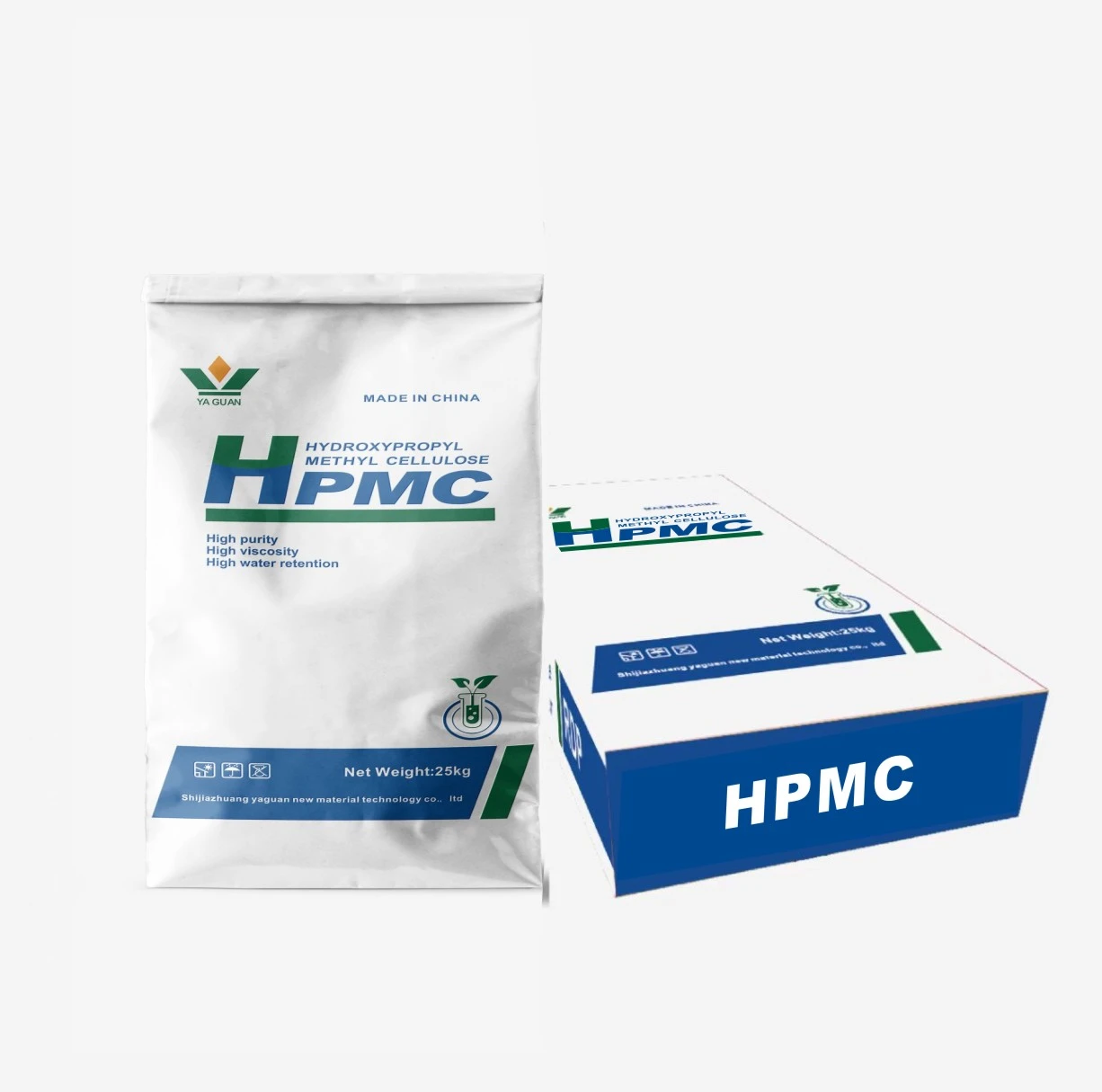
HPMC (Hydroxypropyl Methylcellulose) and RDP (Redispersible Emulsion Powder) serve different purposes. HPMC is primarily a water-retention agent and thickener; it keeps the mortar moist and prevents it from sagging. RDP, on the other hand, is a bonding agent that provides flexibility and adhesive strength after the mortar has dried. In most professional dry-mix formulations, both are used together to achieve the perfect balance of workability and durability.
How should redispersible emulsion powder be stored?
Because RDP is hygroscopic (it attracts moisture), it must be stored in a cool, dry, and well-ventilated warehouse. It should be kept in its original sealed packaging and stored on pallets away from the floor and walls to prevent moisture absorption. If the powder absorbs humidity, it can clump, which significantly impairs its ability to redisperse in water, leading to an uneven application and reduced adhesive strength in the final mortar.
Can I replace RDP with liquid latex?
Technically, RDP is a powdered version of a latex emulsion. While liquid latex can be used to achieve similar results, RDP is far more convenient for the "dry-mix" industry. Using RDP allows manufacturers to sell a pre-mixed bag of powder that only requires the addition of water on-site. This eliminates the need for contractors to store and mix hazardous or bulky liquid chemicals, ensuring a consistent ratio of ingredients and reducing waste at the construction site.
Does the type of RDP affect the final color of the mortar?
Most high-quality redispersible emulsion powders are white or off-white and do not significantly alter the color of the cement or mortar. However, using low-grade polymers with high impurity levels can sometimes cause slight discoloration or "yellowing" over time, especially when exposed to UV radiation. This is why sourcing a high-purity RDP from a trusted manufacturer is vital for aesthetic consistency in architectural finishes.