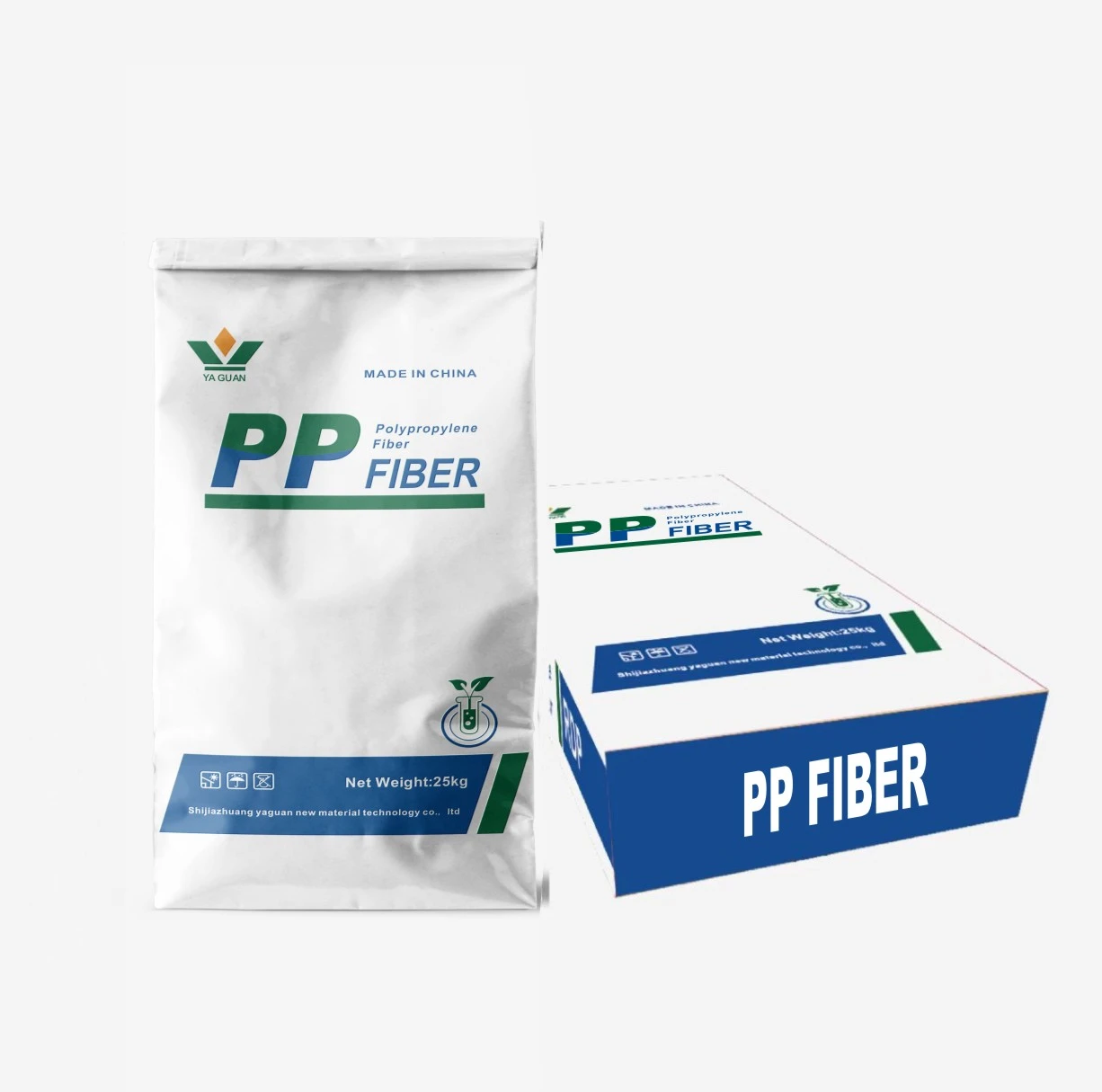


Understanding Dispersible Polymer Powders: Applications and Benefits
Dispersible polymer powders are versatile additives widely used in various industries, including construction, adhesives, and textiles. These powders enhance the properties of cement-based materials, improve adhesive performance, and provide unique functionalities in textile applications. This article explores the characteristics, applications, and advantages of dispersible polymer powders, offering insights for professionals and those seeking to understand their potential. Choosing the right polymer powder is crucial for optimizing product performance and achieving desired results.
What are Dispersible Polymer Powders?
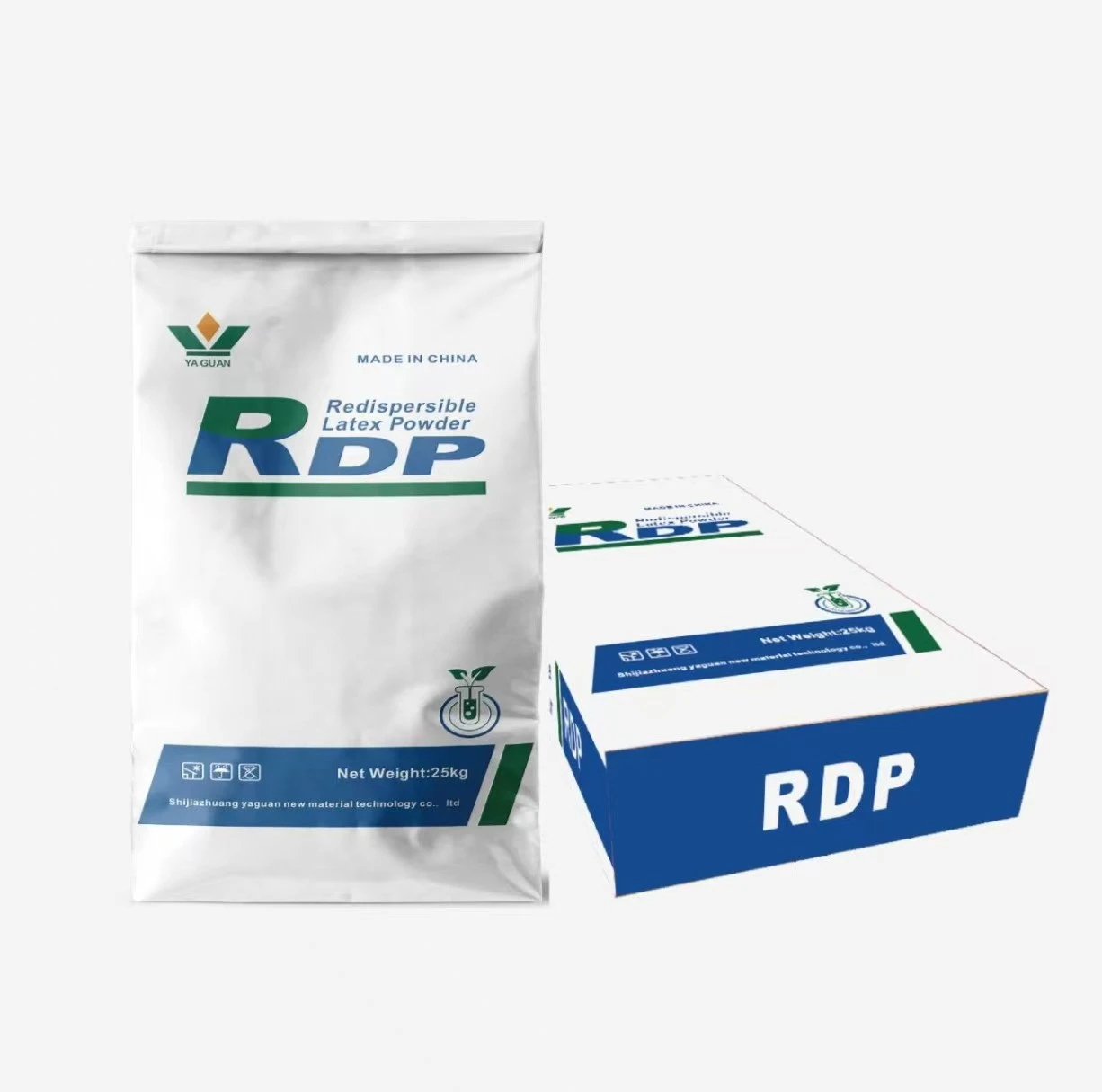
Dispersible polymer powders are typically based on vinyl acetate and ethylene copolymers. They are manufactured through spray drying, resulting in a fine powder that readily disperses in water. This dispersion forms a stable emulsion, making them ideal for modifying the properties of aqueous systems. Unlike redispersible polymer powders, these powders do not require heating to become fully effective. This characteristic simplifies their application and reduces energy consumption. The key advantage lies in their ability to improve adhesion, flexibility, workability, and water resistance of the final product.
Key Highlights: These powders enhance adhesion, flexibility, workability, and water resistance, simplifying application and reducing energy consumption.
Applications in the Construction Industry
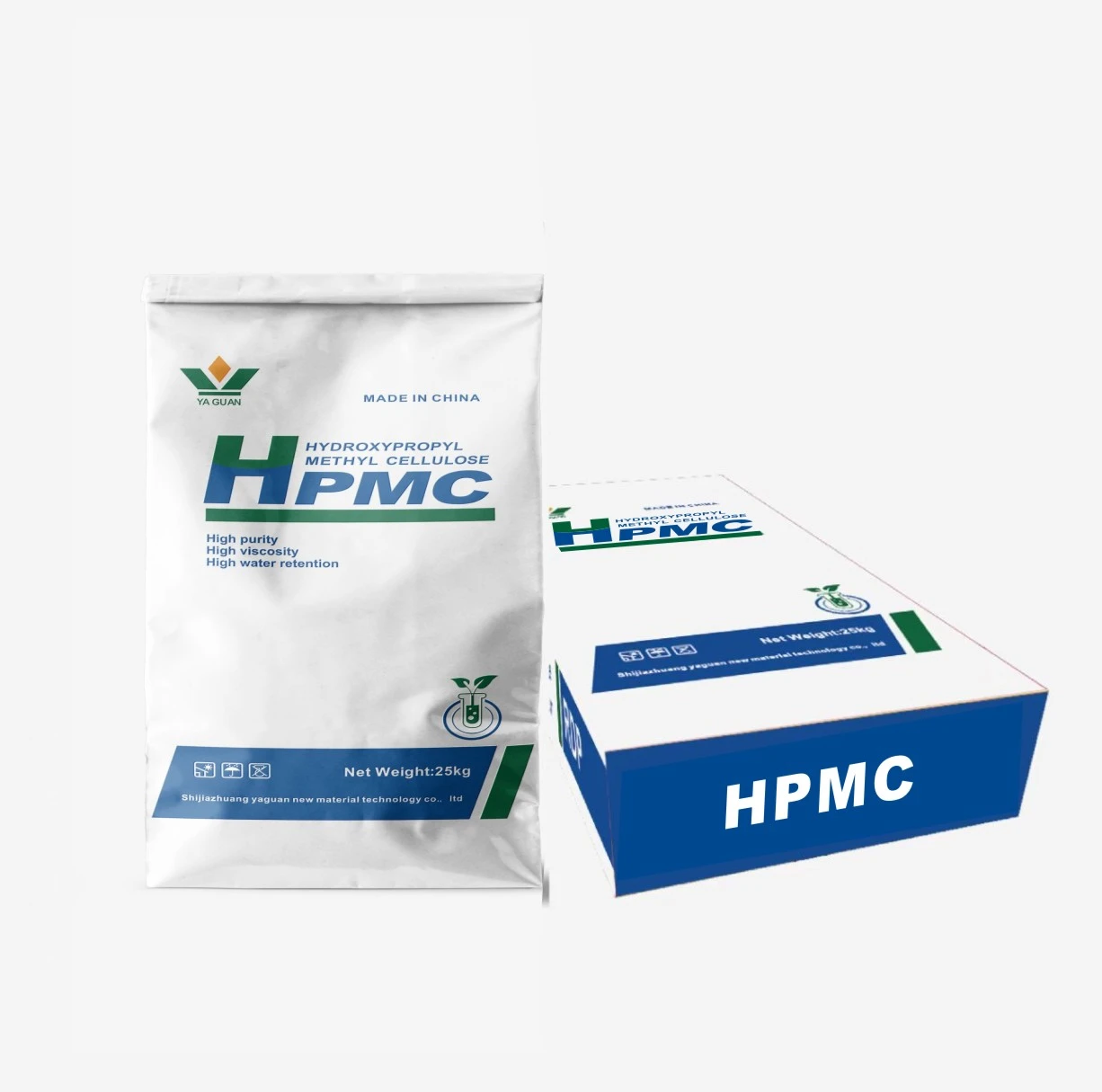
The construction industry is a major consumer of dispersible polymer powders. They are commonly used in cement mortars, tile adhesives, self-leveling compounds, and external thermal insulation composite systems (ETICS). Adding these powders to cement-based materials enhances their adhesion to various substrates, improves flexibility and crack resistance, and reduces water absorption. This leads to more durable, long-lasting structures. Furthermore, they enhance the workability of mortars, making them easier to apply and reducing labor costs. Yaguan HPMC offers a range of polymer powders specifically tailored for construction applications.
Construction Benefits:
• Enhanced adhesion to substrates
• Improved flexibility and crack resistance
• Reduced water absorption
• Increased workability of mortars
Dispersible Polymer Powders vs. Redispersible Polymer Powders
While both dispersible and redispersible polymer powders modify cementitious systems, they differ in their activation mechanism. Redispersible powders require heat to fully re-emulsify and become effective, while dispersible powders readily disperse in water at ambient temperatures. This makes dispersible powders more convenient for applications where heating is not feasible or desirable. The choice between the two depends on the specific application requirements and processing conditions.
Beyond Construction: Other Applications
The versatility of dispersible polymer powders extends beyond the construction sector. They are used in adhesives to improve bonding strength and flexibility, in textile coatings to enhance wash resistance and durability, and in paper coatings to improve printability. In adhesives, they act as tackifiers and improve the adhesion to low-energy surfaces. In textiles, they provide a soft handle and enhance the resistance to abrasion and washing.

Product Specifications and Quality Control
Ensuring the quality of dispersible polymer powders is crucial for consistent performance. Key specifications include particle size distribution, viscosity, solid content, and pH. Manufacturers like Yaguan HPMC implement rigorous quality control measures throughout the production process, from raw material sourcing to final product testing. These measures guarantee that the powders meet stringent industry standards and deliver reliable results.
Conclusion: Optimizing Performance with Dispersible Polymer Powders
Dispersible polymer powders offer a valuable solution for enhancing the performance of a wide range of products. Their ease of use, versatility, and ability to improve key properties make them an essential additive in industries like construction, adhesives, and textiles. By choosing a reliable supplier like Yaguan HPMC, you can ensure consistent quality and optimal results.
Frequently Asked Questions (FAQs)
What is the recommended dosage of dispersible polymer powder in cement mortar?
The optimal dosage of dispersible polymer powder in cement mortar typically ranges from 2% to 6% by weight of cement. However, the exact dosage depends on the specific application, the type of cement used, and the desired properties of the mortar. Lower dosages can improve workability, while higher dosages enhance adhesion and flexibility. It’s crucial to perform trial mixes to determine the ideal dosage for your specific formulation. Overuse can sometimes lead to decreased strength, so careful optimization is necessary.
How does dispersible polymer powder improve water resistance?
Dispersible polymer powder improves water resistance by forming a hydrophobic film within the cement matrix. This film reduces the porosity of the material, preventing water from penetrating and causing damage. The polymer particles also coalesce and fill micro-cracks, further enhancing water resistance. This is particularly beneficial in exterior applications exposed to rain, moisture, or freeze-thaw cycles.
Can dispersible polymer powder be used with different types of cement?
Yes, dispersible polymer powder is generally compatible with various types of cement, including Portland cement, blended cement, and white cement. However, the compatibility and effectiveness can vary depending on the cement composition and fineness. It’s recommended to conduct compatibility tests before using dispersible polymer powder with a new type of cement to ensure optimal performance.
What are the storage recommendations for dispersible polymer powder?
Dispersible polymer powder should be stored in a cool, dry, and well-ventilated area, away from direct sunlight, heat sources, and moisture. Keep containers tightly closed to prevent absorption of moisture from the air, which can cause clumping and reduce the powder's effectiveness. Following proper storage guidelines ensures the powder maintains its quality and performance characteristics.