
Redispersible Polymer Powder Types: A Comprehensive Guide
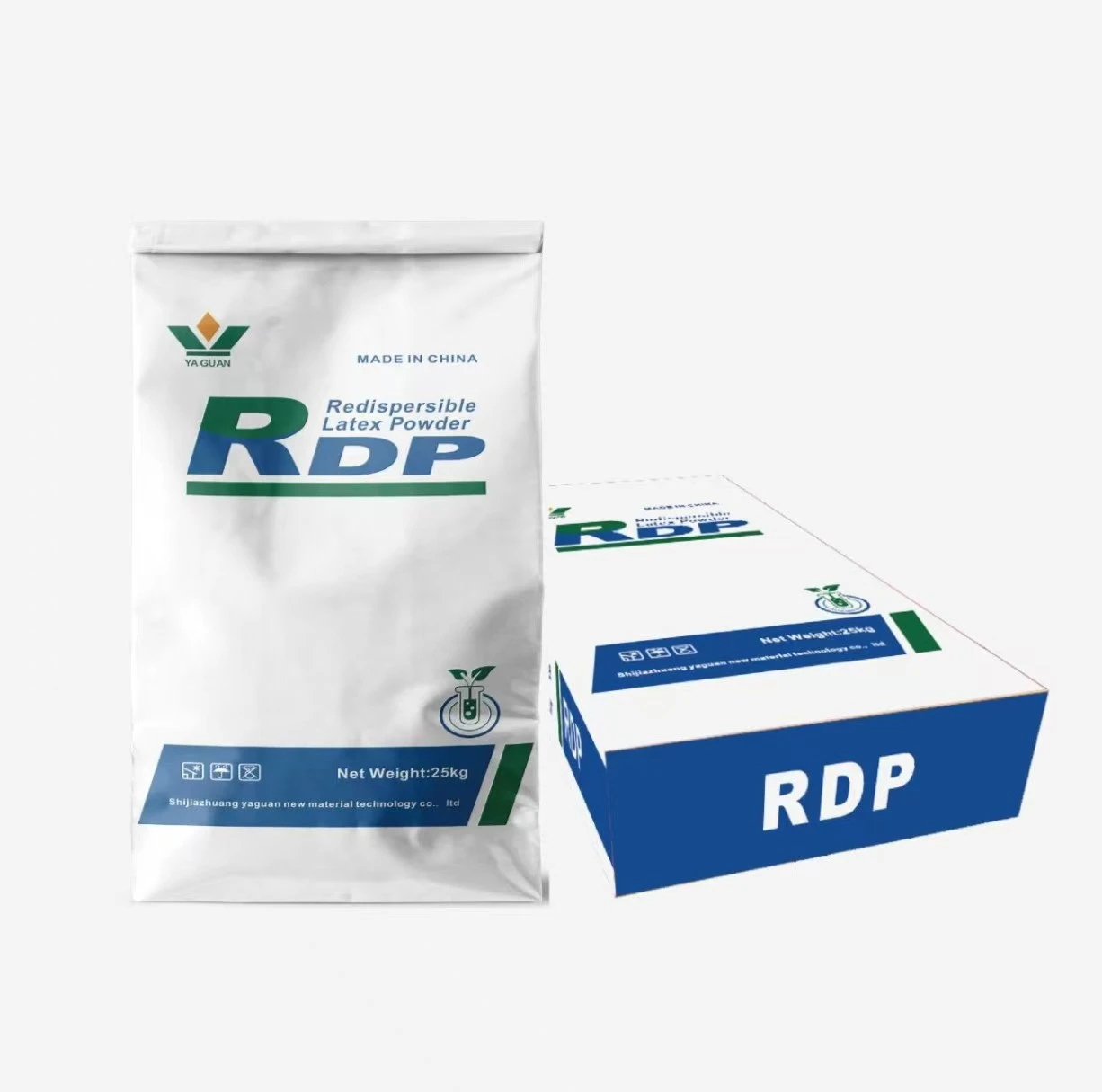
Redispersible polymer powders (RDP) are crucial additives in various industries, including construction, adhesives, and textile coating. These powders, when mixed with water, form a stable emulsion, enhancing the performance of the final product. Choosing the right type of redispersible polymer powder is essential for achieving desired properties like adhesion, flexibility, and water resistance. This article will delve into the different types of RDP, their applications, and key considerations when selecting the optimal powder for your needs. Understanding the nuances of each type will allow you to optimize your formulations and achieve superior results.
Understanding the Core Chemistry of Redispersible Polymer Powders
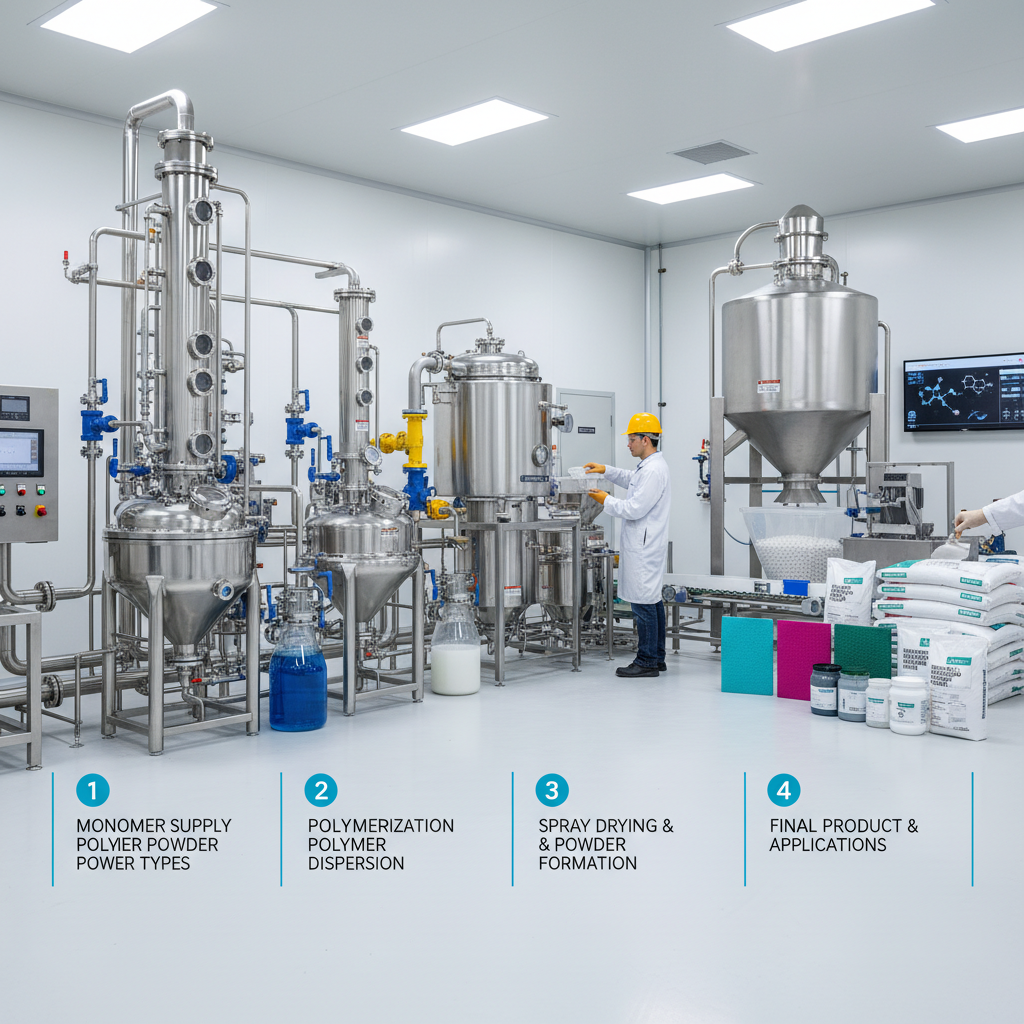
RDPs are generally produced by spray-drying a polymer emulsion. The polymer itself is the key differentiator. The most common base polymers used in RDP production are Vinyl Acetate Ethylene (VAE), Vinyl Acetate Versatile (VA/VeoVa), Acrylics, and Styrene Acrylics. Each of these polymers imparts unique characteristics to the final product, influencing its properties such as adhesion, film formation, and flexibility. The choice of polymer depends heavily on the intended application and the desired performance attributes. For instance, VAE is known for its excellent adhesion to various substrates, while Acrylics offer superior weather resistance.
Key Takeaway: The base polymer determines the core properties of the RDP, making careful selection crucial for achieving the desired performance characteristics.
Types of Redispersible Polymer Powder
Here’s a detailed look at the most prevalent types of redispersible polymer powders:
- Vinyl Acetate Ethylene (VAE) RDP: Known for its excellent adhesion to a wide variety of substrates including concrete, wood, and metal. It provides good flexibility and improves the workability of cement-based materials.
- Vinyl Acetate Versatile (VA/VeoVa) RDP: Offers enhanced water resistance and flexibility compared to VAE. The inclusion of VeoVa monomer improves compatibility with other polymers.
- Acrylic RDP: Provides exceptional weather resistance, UV stability, and durability. Often used in exterior applications where long-term performance is critical.
- Styrene Acrylic RDP: Exhibits good hardness and abrasion resistance. Commonly utilized in applications requiring enhanced durability and resistance to wear.
Redispersible Polymer Powder Types and Applications
The selection of the appropriate RDP hinges on the specific application. Below is a table outlining common applications and the most suitable RDP type for each:
Factors to Consider When Choosing RDP
Beyond the polymer type, several factors influence RDP selection:
- Particle Size: Smaller particle sizes generally provide better dispersion and improved mechanical properties.
- Viscosity: Impacts the workability of the formulation.
- Glass Transition Temperature (Tg): Influences the flexibility and hardness of the final product.
- Compatibility with Other Additives: Ensuring compatibility with other components in the formulation is crucial for optimal performance.
Why Choose YaGuang HPMC for Complementary Performance?
While RDP provides excellent adhesive and flexibility properties, combining it with a high-quality cellulose ether like HPMC (Hydroxypropyl Methylcellulose) from YaGuang can significantly enhance overall performance. HPMC improves water retention, workability, and sag resistance, creating a synergistic effect when used alongside RDP. YaGuang HPMC offers a wide range of grades tailored to various applications, ensuring optimal compatibility and performance. Contact us today to discover how YaGuang HPMC can elevate your formulations!
Conclusion: Selecting the Right RDP for Success
Choosing the right redispersible polymer powder type is a critical step in formulating high-performance products. Understanding the different polymer chemistries, their applications, and key considerations will empower you to make informed decisions and achieve optimal results. Don't hesitate to explore complementary additives like HPMC to further enhance the properties of your formulations.
Frequently Asked Questions (FAQs)
What is the shelf life of redispersible polymer powder?
Generally, RDP has a shelf life of 12-24 months when stored in a cool, dry place, away from direct sunlight. However, it's crucial to check the manufacturer's specifications, as the exact shelf life can vary depending on the specific polymer type and storage conditions. Proper storage is essential to maintain the powder's dispersibility and performance characteristics. Exposure to moisture or extreme temperatures can degrade the powder and reduce its effectiveness.
Can different types of RDP be blended together?
Blending different types of RDP is possible, but careful consideration is needed. Compatibility between the polymers is paramount; otherwise, phase separation or reduced performance may occur. It's generally recommended to consult with a technical expert or conduct compatibility tests before blending different RDP types. Blending can be used to tailor properties, but it requires a thorough understanding of the individual polymers’ characteristics.
What is the typical dosage of RDP in a formulation?
The optimal dosage of RDP varies significantly depending on the application and desired properties. However, a typical dosage range is between 3% and 10% by weight of the total formulation. It’s essential to optimize the dosage through experimentation to achieve the desired balance of adhesion, flexibility, and workability. Higher dosages may lead to increased cost and potential compatibility issues.
How does temperature affect RDP redispersibility?
Water temperature plays a crucial role in RDP redispersibility. Generally, warmer water promotes faster and more complete dispersion. However, excessively high temperatures can potentially damage the polymer. A temperature range of 20-40°C (68-104°F) is typically recommended. Agitation during the dispersion process is also essential to ensure uniform mixing and prevent clumping.