Understanding PVA Types: A Comprehensive Guide
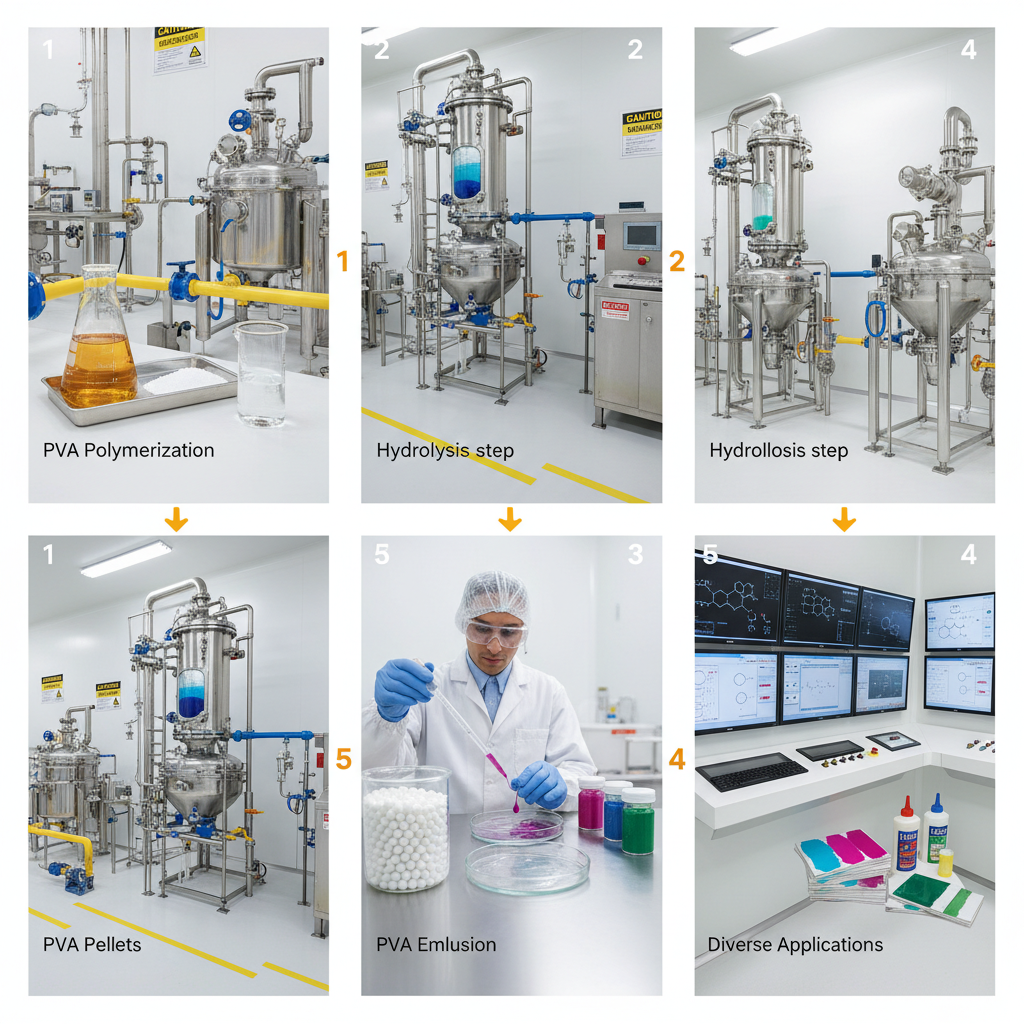
Polyvinyl Alcohol (PVA) is a versatile synthetic polymer with a wide range of applications, from adhesives and textiles to packaging and biomedical fields. However, not all PVA is created equal. Different PVA types offer varying properties, making them suitable for specific uses. This article will delve into the different types of PVA, their characteristics, and applications, providing a thorough overview for professionals and researchers. Choosing the right PVA grade is critical to achieving optimal performance in your application. We'll explore how factors like degree of hydrolysis and viscosity affect PVA's behavior.
Key Properties Defining PVA Types
The key properties that differentiate various PVA types are the degree of hydrolysis and the viscosity. The degree of hydrolysis refers to the percentage of acetate groups that have been converted to hydroxyl groups. Higher hydrolysis levels generally lead to increased water solubility and film strength. Viscosity, measured in centipoise (cP), indicates the resistance of the PVA solution to flow. Higher viscosity PVA grades are used when thicker films or gels are required. Other factors, like molecular weight, also contribute to the overall characteristics of the PVA polymer. Understanding these properties is crucial for selecting the appropriate PVA for your specific application. Yaguan HPMC offers a range of PVA grades tailored to diverse industry needs.
Key Takeaway: Degree of hydrolysis and viscosity are the primary determinants of PVA's properties, influencing its solubility, film strength, and application suitability.
Classifying PVA Types Based on Hydrolysis Level
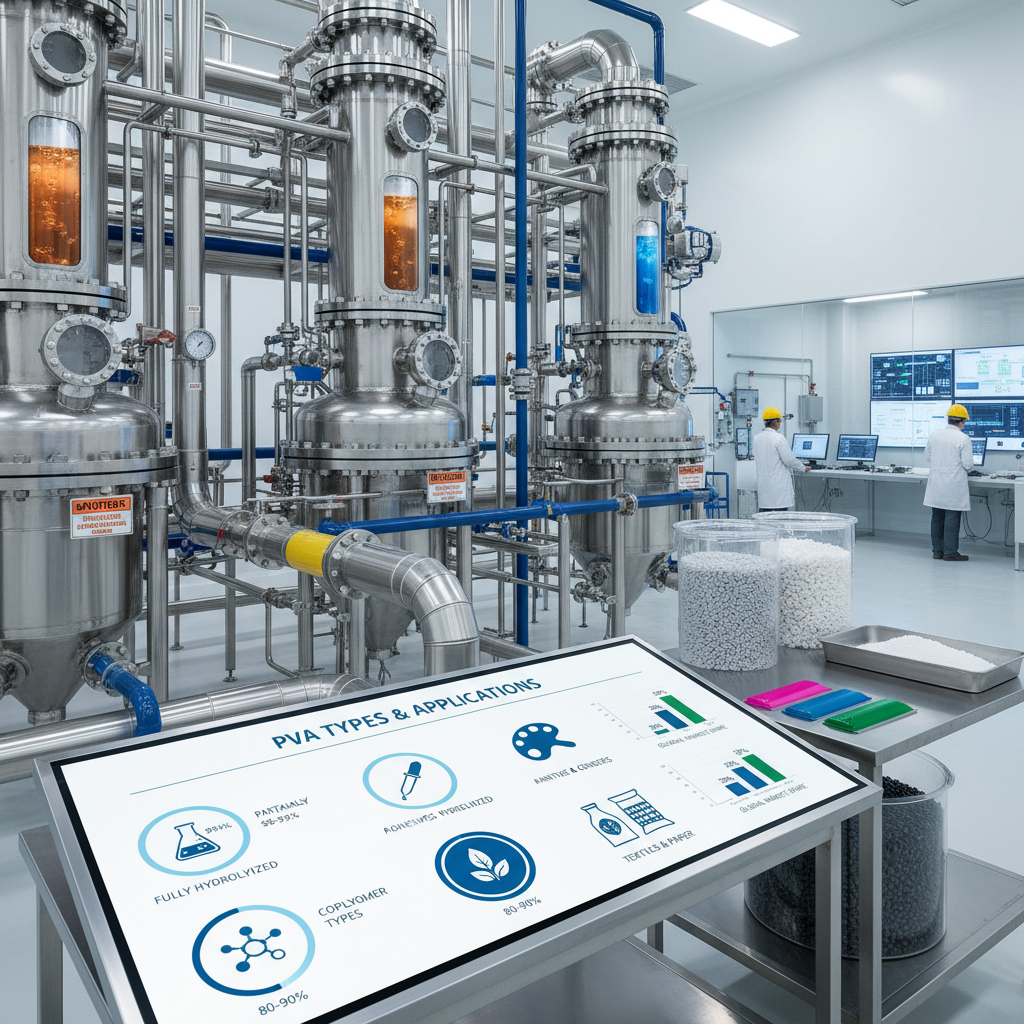
PVA grades are often categorized based on their degree of hydrolysis. Generally, they fall into three main categories: Low Hydrolysis (86-88%), Medium Hydrolysis (88-92%), and High Hydrolysis (92-99%). Low hydrolysis PVA exhibits excellent film-forming properties and is commonly used in adhesives, textile sizing, and paper coatings. Medium hydrolysis PVA balances solubility and film strength, making it suitable for applications like emulsion stabilization and temporary protective coatings. High hydrolysis PVA demonstrates the highest water solubility and is frequently employed in applications requiring rapid dissolution, such as detergents and pharmaceutical coatings. The specific hydrolysis level chosen will significantly impact the final product's performance.
Hydrolysis Level Guide:
• Low Hydrolysis (86-88%): Adhesives, textile sizing
• Medium Hydrolysis (88-92%): Emulsion stabilization, temporary coatings
• High Hydrolysis (92-99%): Detergents, pharmaceutical coatings
PVA Types Categorized by Viscosity
Beyond hydrolysis, viscosity plays a critical role in determining the appropriate PVA type. PVA viscosity is typically expressed in centipoise (cP) and can range from a few cP to over 60,000 cP. Lower viscosity PVAs (e.g., 3-10 cP) are often used as rheology modifiers or to reduce the viscosity of other formulations. Medium viscosity PVAs (e.g., 20-50 cP) are versatile and find use in applications requiring moderate film-forming capabilities. High viscosity PVAs (e.g., 100+ cP) are preferred when thicker films, gels, or higher adhesive strength are needed. The selection of viscosity grade is dictated by the processing requirements and desired final product characteristics.
Specialty PVA Types and Their Applications
Beyond the standard classifications, several specialty PVA types cater to niche applications. These include: Acetylated PVA (improved water resistance), Cationic PVA (enhanced adhesion to negatively charged surfaces), and Modified PVA (tailored properties for specific applications). Acetylated PVA is commonly found in coatings and films requiring some degree of water resistance. Cationic PVA is used in paper making and water treatment. Modified PVAs offer unique characteristics such as increased thermal stability or biodegradability. Yaguan HPMC is at the forefront of developing these customized PVA solutions.
Conclusion: Selecting the Optimal PVA Grade
Choosing the correct PVA type is paramount for achieving the desired results in any application. By carefully considering factors such as the degree of hydrolysis, viscosity, and specific application requirements, you can optimize performance and ensure product quality. Yaguan HPMC offers an extensive portfolio of PVA grades and technical expertise to assist you in selecting the optimal solution for your needs. Understanding these nuances enables informed decision-making and fosters innovation across various industries.
Frequently Asked Questions (FAQs)
What is the primary difference between high and low hydrolysis PVA?
The main difference lies in their water solubility and film strength. High hydrolysis PVA dissolves more readily in water, making it ideal for applications where rapid dissolution is necessary, such as in detergents or pharmaceutical coatings. Low hydrolysis PVA forms stronger, more cohesive films and is often preferred for adhesives and textile sizing. The higher the hydrolysis, the greater the hydroxyl group content, impacting solubility and film properties.
How does viscosity affect PVA's application in adhesives?
Viscosity plays a crucial role in adhesive applications. Higher viscosity PVA grades provide greater tack and adhesive strength, making them suitable for bonding heavier materials or applications requiring immediate bonding. Lower viscosity PVAs are easier to spread and penetrate porous surfaces, offering good initial adhesion but potentially lower overall strength. The optimal viscosity depends on the specific adhesive requirements, including the substrates being bonded and the desired bond strength.
What are some applications of Acetylated PVA?
Acetylated PVA is valued for its improved water resistance compared to standard PVA. It finds applications in coatings for paper and textiles, providing a protective barrier against moisture. It's also used in adhesives where some degree of water resistance is required. The acetylation process reduces the hydroxyl group content, making the polymer less susceptible to water absorption.
Can PVA be used in biodegradable applications?
While PVA itself isn't inherently rapidly biodegradable, modified PVA grades are being developed to enhance their biodegradability. These modifications often involve introducing biodegradable components into the polymer chain. PVA's biodegradability is also dependent on environmental conditions, such as temperature and microbial activity. Research is ongoing to optimize PVA's biodegradability for various applications.