
Understanding the Role of PVA in Mortar
Polyvinyl alcohol (PVA) is a synthetic polymer increasingly utilized in the construction industry, particularly as an additive to mortar mixes. Its inclusion significantly enhances the properties of mortar, improving workability, adhesion, and durability. This article will explore the benefits of PVA in mortar, its applications, optimal usage levels, and considerations for achieving the best results. Understanding these factors is critical for contractors, builders, and DIY enthusiasts aiming for superior mortar performance and long-lasting construction projects.
How PVA Enhances Mortar Performance
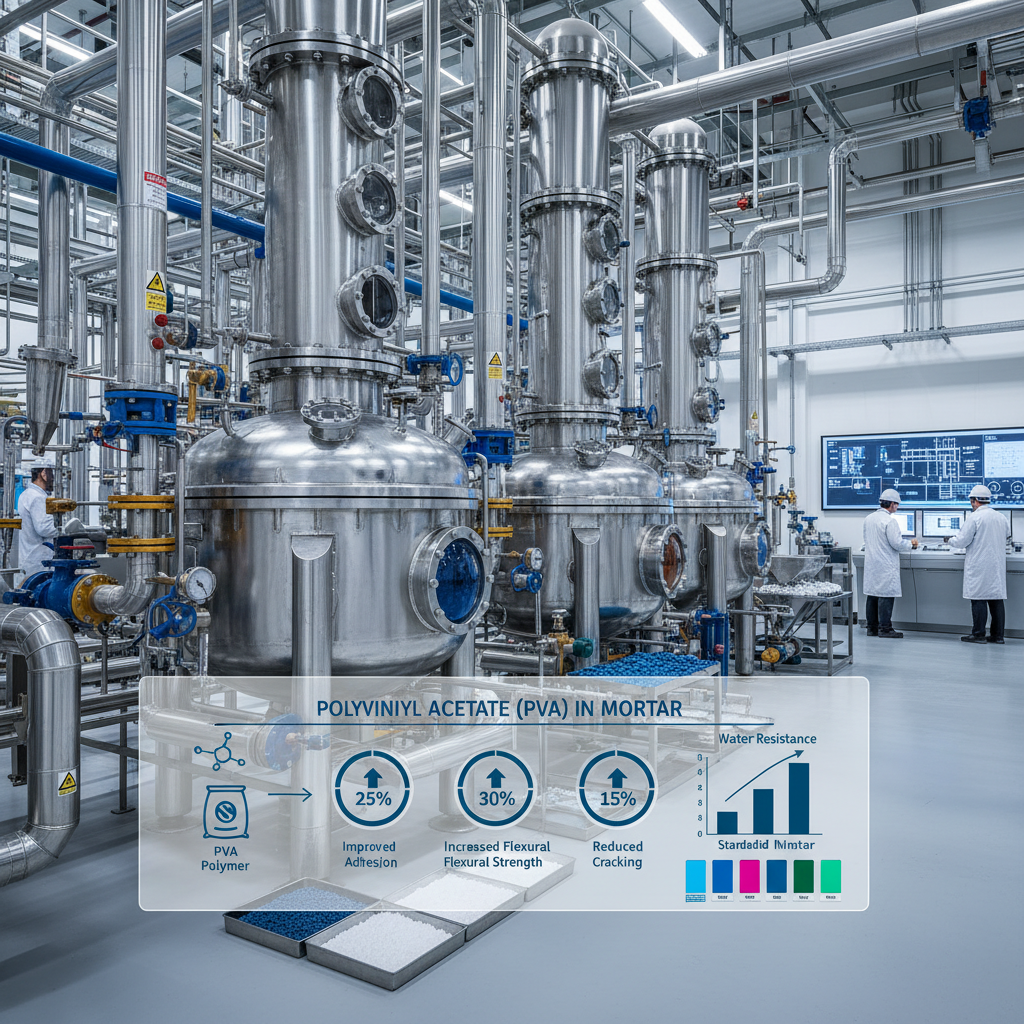
PVA acts as a powerful plasticizer and adhesive agent within mortar. It improves the mortar’s flexibility, reducing cracking and increasing its resistance to shrinkage. This is especially important in environments prone to temperature fluctuations. By increasing the mortar's water retention capacity, PVA allows for more complete cement hydration, leading to increased strength and durability. Furthermore, PVA promotes better adhesion to various substrates like brick, concrete, and stone, contributing to a more robust and long-lasting bond. The addition of PVA makes mortar easier to spread and work with, reducing application time and labor costs.
Key Benefits: Improved workability, increased adhesion, reduced shrinkage, enhanced water retention, and boosted overall strength.
Applications of PVA Modified Mortar
The versatility of PVA-modified mortar makes it ideal for a broad range of applications. It's commonly used in bricklaying, block laying, stone masonry, and rendering. In repair work, PVA mortar offers excellent bonding to existing surfaces, making it suitable for patching cracks and restoring damaged structures. It is also frequently incorporated in screeds, providing a smooth and durable surface for tiling or flooring. PVA is a crucial additive in pre-packed grouts, ensuring optimal filling and stability of gaps and voids. For external applications, the enhanced weather resistance provided by PVA is particularly advantageous.
Common Applications:
• Bricklaying & Blocklaying
• Stone Masonry
• Rendering
• Repair Work
• Screeds & Grouts
PVA in Mortar: Dosage and Mixing Guidelines
The optimal dosage of PVA depends on the specific type of mortar and the desired properties. Generally, a concentration of 2-5% PVA by weight of cement is recommended. It’s critical to dilute the PVA polymer in water before adding it to the dry mortar mix. This ensures even distribution and prevents clumping. Thorough mixing is essential, using a mechanical mixer for larger batches. Overmixing should be avoided, as it can degrade the PVA and reduce its effectiveness. Always refer to the manufacturer’s instructions for precise dosage recommendations for your particular PVA product. Explore our range of high-quality PVA products at Yaguan HPMC.
Comparing PVA with Other Mortar Additives
While several additives can improve mortar properties, PVA offers a unique combination of benefits. Compared to lime, PVA provides superior adhesion and water retention without significantly altering setting times. Unlike acrylic polymers, PVA is generally more cost-effective and easier to work with. Cementitious additives enhance strength but lack PVA’s flexibility and workability improvements. PVA stands out as a versatile solution offering a balanced enhancement of multiple key mortar characteristics. Choose Yaguan HPMC's PVA for reliable, high-performance results.
Safety Precautions & Considerations When Using PVA
Although PVA is generally considered safe, it's important to follow proper safety procedures. Avoid direct contact with the concentrated PVA solution, as it can cause skin irritation. Wear gloves and eye protection during handling and mixing. Ensure adequate ventilation to prevent inhalation of vapors. Store PVA in a cool, dry place away from direct sunlight and extreme temperatures. Always check the product’s safety data sheet (SDS) for detailed information on handling and first aid measures. Properly dispose of any leftover PVA solution in accordance with local regulations.
Conclusion: Enhancing Mortar Performance with PVA
Incorporating PVA in mortar is a proven method for enhancing its strength, workability, and durability. By understanding the proper dosage, mixing guidelines, and safety precautions, professionals and DIYers alike can achieve superior results in their construction projects. Yaguan HPMC provides high-quality PVA solutions to meet your specific needs, ensuring long-lasting and reliable mortar performance.
Frequently Asked Questions (FAQs)
What are the long-term benefits of using PVA in mortar?
Using PVA in mortar contributes to increased long-term durability and resistance to cracking and water damage. This translates to reduced maintenance and repair costs over the lifespan of the structure. The improved adhesion provided by PVA minimizes the risk of delamination and ensures a stronger, more stable bond between building materials. By enhancing the overall integrity of the mortar, PVA helps protect against environmental factors and prolongs the life of the construction project.
Can PVA be used with all types of cement?
Generally, PVA is compatible with most common types of cement, including Portland cement, Ordinary Portland Cement (OPC), and Portland Pozzolana Cement (PPC). However, it’s always advisable to conduct a small-scale test mix to confirm compatibility before large-scale application, particularly if you are using a specialized cement blend. Check the PVA product's datasheet for specific compatibility recommendations.
Will PVA affect the color of the mortar?
PVA typically has a minimal impact on the color of the mortar. However, in some cases, a slight lightening or whitening effect may be noticeable, particularly with darker-colored cements. If maintaining a specific color is crucial, it's recommended to test the PVA-modified mortar in an inconspicuous area before applying it to the entire surface. Pigments can also be added to the mortar mix to achieve the desired color.
How long does mortar with PVA take to cure?
The curing time of PVA-modified mortar is generally similar to that of conventional mortar, typically ranging from 24 to 72 hours, depending on environmental conditions such as temperature and humidity. PVA's water retention properties can actually promote a more consistent curing process. However, it's important to protect the mortar from rapid drying or extreme temperatures during the curing period to ensure optimal strength development.