Understanding 2 Hydroxyethyl Cellulose: Why It Matters Globally
If you’ve ever wondered how certain industries manage to keep their products thick, stable, or gel-like without the awkwardness of synthetic chemicals, chances are they’ve been working with 2 hydroxyethyl cellulose. This compound, often abbreviated as HEC, is a cellulose-derived polymer that’s quietly indispensable worldwide. Why should you care? Well, from enhancing cosmetics to improving oil recovery and even playing a role in humanitarian relief efforts, understanding this unique ingredient opens doors to innovations in sustainability and industrial productivity.
Globally, the demand for versatile, eco-friendly additives is climbing rapidly. According to a 2023 report by the International Trade Centre, cellulose ethers—including 2 hydroxyethyl cellulose—account for a market segment growing at roughly 6% annually. Analysts point to the rise in industries like construction, personal care, and pharmaceuticals as key drivers. But more importantly, this hydroxyethyl-modified cellulose addresses a fundamental challenge: how to produce materials that balance functionality, cost, and biodegradability in a world increasingly conscious of environmental impacts.
In short, 2 hydroxyethyl cellulose is more than just a chemical—it’s a bridge between industrial needs and ecological responsibility.
Mini takeaway: The widespread uses and sustainability of 2 hydroxyethyl cellulose make it a cornerstone in modern manufacturing with global influence.
Setting the Industrial Stage: The Importance of 2 Hydroxyethyl Cellulose Today
Industries today constantly wrestle with finding materials that can improve product performance while aligning with environmental standards. The global economy, driven by sectors such as construction, oil & gas, cosmetics, and pharmaceuticals, values additives like 2 hydroxyethyl cellulose for their thickening, stabilizing, and water-retention properties.
The United Nations Environmental Programme highlights the push for more bio-based materials to reduce carbon footprints. Hydroxyethyl cellulose fits nicely here because it’s derived from cellulose—the most abundant organic polymer on Earth—and modified chemically to suit industrial needs.
For example, the oil and gas sector relies heavily on drilling fluids that must be efficient and environmentally friendly. Studies from the International Organization for Standardization (ISO) reveal that using 2 hydroxyethyl cellulose in drilling mud helps minimize environmental damage, prevent fluid loss, and enhance drilling efficiency.
Yet, the challenge remains: how to optimize its production and application without escalating costs or compromising sustainability. This is especially crucial in developing regions, where industries might lack access to cutting-edge materials but still need reliable solutions.
Mini takeaway: Its global relevance is anchored in meeting industrial efficiency, environmental responsibility, and accessibility challenges.
What Exactly Is 2 Hydroxyethyl Cellulose?
If you’re picturing something mysterious, think again. 2 hydroxyethyl cellulose is basically a water-soluble polymer made by modifying cellulose — the same stuff trees and plants are made of — with hydroxyethyl groups. This modification makes cellulose swell when mixed with water, creating thick, viscous solutions instead of the typical fibrous material you imagine when you think “paper.”
In practical terms, this means it can control viscosity (thickness), stabilize emulsions (think lotions or paints), and even help with moisture retention. The beauty lies in its natural origin combined with tailor-made properties to fit modern industrial needs.
More than chemistry, this substance is a small but mighty player in addressing humanitarian needs too. For example, in disaster relief, certain gel formulations made with 2 hydroxyethyl cellulose provide quick-setting, stable materials for temporary shelters or water purification gels.
2 hydroxyethyl cellulose also has medical applications, with wound dressings and drug delivery systems benefiting from its biocompatibility.
Mini takeaway: It’s a naturally sourced, modified polymer offering versatile industrial and humanitarian applications.
Core Characteristics That Make 2 Hydroxyethyl Cellulose Essential
1. Water Solubility and Thickening Ability
One of the defining traits is its easy solubility in cold water creating clear, viscous solutions. This is crucial for applications like paints or cosmetics where texture and consistency define customer satisfaction.
2. Film Forming and Adhesion
HEC forms flexible films that adhere well to surfaces, making it valuable in coatings and adhesives. This tackles issues like cracking or peeling in construction materials.
3. Chemical Stability
It tolerates a range of pH levels and temperatures, so products containing it have longer shelf lives and can perform in varied environments — a must in industries like pharmaceuticals or oil drilling.
4. Non-Toxic and Biodegradable
Because it derives from cellulose, it lends itself to eco-friendly product design and aligns with growing regulatory demands for sustainability.
5. Rheology Modification
It can tailor flow properties of liquids — not too runny, not too thick — which is especially important in formulation chemistry.
Mini takeaway: These fundamental factors empower industries to rely on 2 hydroxyethyl cellulose for stable, effective product design.
Real-World Uses: How 2 Hydroxyethyl Cellulose Makes a Difference
The applications are vast and often overlapping:
-
Paints & Coatings: Used to improve spreading properties and prevent sagging.
-
Cosmetics & Personal Care: Thickener in shampoos, skin creams, and lotions, enhancing feel without harsh chemicals.
-
Oil & Gas: Integral to drilling muds that lubricate drill bits while reducing environmental contamination.
-
Pharmaceuticals: In controlled release tablets and as a water-retention aid in topical gels.
-
Construction: Enhances mortar and cement workability, prevents water segregation.
-
Disaster Relief: Acts in gels and binders that assemble quickly, supporting temporary infrastructure.
Geographically, Asia-Pacific dominates the market (UN report, 2023) due to booming industrialization, but Europe and North America push innovations focusing on greener, bio-based solutions.
In real terms, I once read about an NGO using hydroxyethyl cellulose-based gel in remote areas to purify water, reducing waterborne diseases and boosting local health resilience — a small chemical making a massive difference.
Mini takeaway: Diverse industries worldwide exploit this polymer’s benefits, often in unexpected but vital ways.
Why 2 Hydroxyethyl Cellulose Is a Smart Long-Term Investment
Beyond the science, the real value lies in sustainability and cost-effectiveness.
-
Cost Efficiency: Raw material availability keeps prices stable compared to petroleum-derived alternatives.
-
Environmental Benefits: Biodegradability reduces waste and toxin build-up.
-
Social Impact: Enables safer, more reliable products spanning from hygiene to construction.
-
Innovation Potential: Its modifiable chemistry invites ongoing improvements, supporting new eco-friendly formulations.
There’s also an emotional connection. Products containing 2 hydroxyethyl cellulose feel trustworthy — customers rarely think about it, but they sense the smoothness or consistency, the quality touch that builds brand loyalty.
Mini takeaway: The compound brings logical and emotional advantages, making it much more than just an ingredient.
Looking Ahead: Emerging Trends and Innovations
Where’s this polymer headed? Frankly, the future looks promising with exciting tech:
-
Green Chemistry: New eco-friendly synthesis pathways aim to reduce energy and waste.
-
Smart Materials: Integration in stimuli-responsive gels for medical or industrial sensors.
-
Nanotechnology: HEC combined with nanoparticles for enhanced barrier or antimicrobial properties.
-
Automation & Digital Manufacturing: Precise dosing and mixing improve product consistency.
Regulatory pressures around sustainability also drive R&D focused on recyclable or fully compostable products, where hydroxyethyl cellulose blends well.
Mini takeaway: Innovation keeps this compound relevant, sustainable, and adaptable for future challenges.
Addressing Limitations & Practical Solutions
No compound is perfect. HEC can sometimes cause batch inconsistency or require careful storage to avoid microbial growth.
-
Solution: Enhanced purification and stabilizer additives mitigate these risks.
-
Another challenge: Solubility can be tricky with certain formulations.
-
Approach: Pre-dispersed powders or combined polymers help.
Such challenges push manufacturers to refine production and formulation processes continuously.
Mini takeaway: Awareness and innovation transform limitations into manageable risks.
Product Specifications Table for 2 Hydroxyethyl Cellulose
| Specification |
Value / Range |
Notes |
| Appearance |
White to Off-white Powder |
Free-flowing |
| Viscosity (2% aqueous solution) |
1000 - 8000 mPa·s |
At 25°C, rotational viscometer |
| pH Range (1% solution) |
5.0 – 8.0 |
Neutral to slightly alkaline |
| Degree of Substitution (DS) |
~2.5 |
Hydroxyethyl groups per glucose unit |
| Moisture Content |
| Storage sensitive |
Vendor Comparison for 2 Hydroxyethyl Cellulose Suppliers
| Supplier |
Pricing |
Purity/Grade |
Delivery Time |
Customization Options |
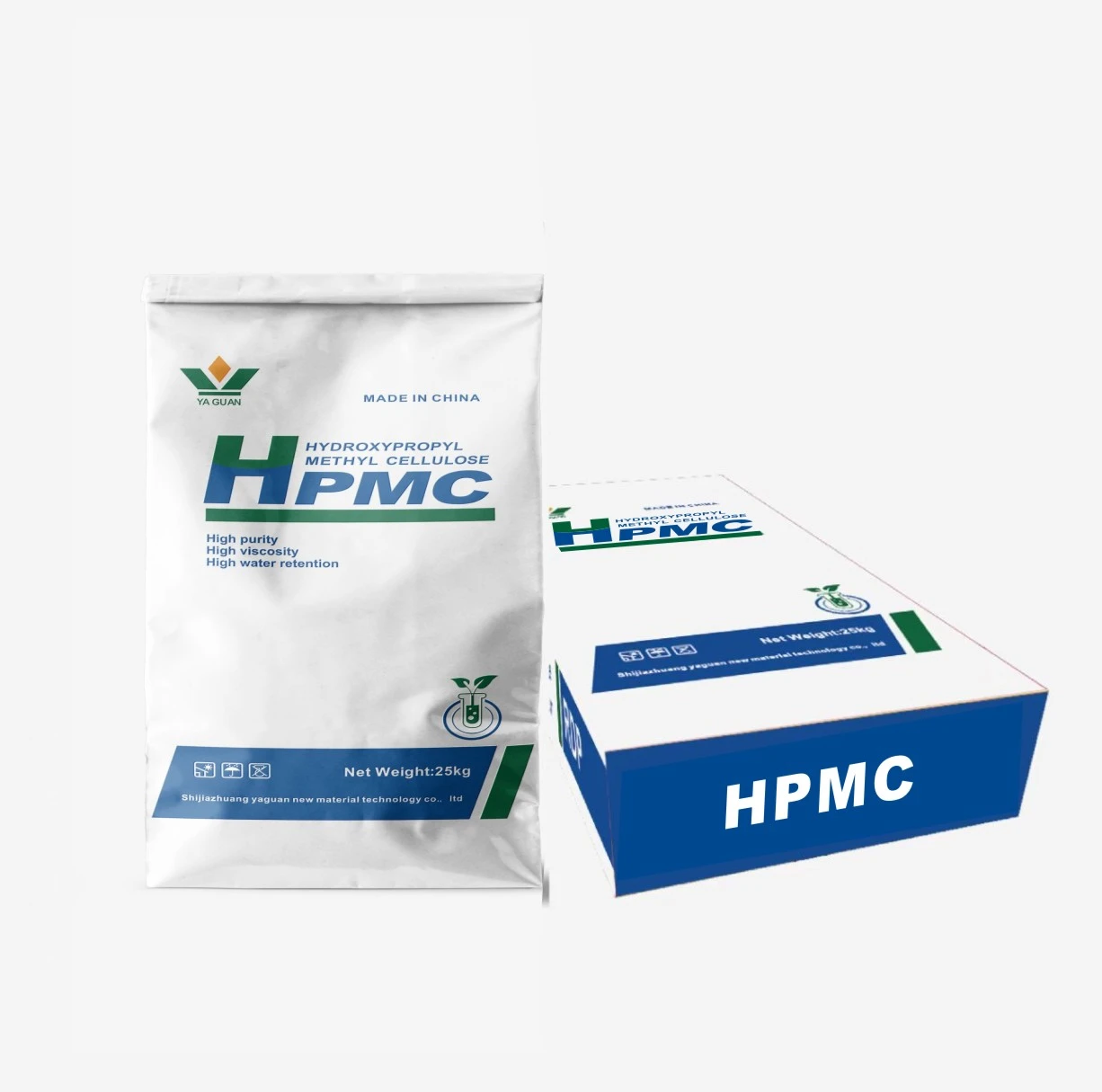
| Yaguan HPMC |
Competitive |
Cosmetic, Pharmaceutical Grade |
7-14 Days |
Custom viscosity, powder form |
| Supplier B |
Moderate |
Industrial Grade |
10-20 Days |
Bulk packaging only |
| Supplier C |
Premium |
Cosmetic/Pharma & Food Grade |
5-10 Days |
Viscosity & particle size customization |
Frequently Asked Questions About 2 Hydroxyethyl Cellulose
-
What industries benefit most from using 2 hydroxyethyl cellulose?
From cosmetics to oil drilling, the compound shines by improving texture, controlling viscosity, and supporting environmentally responsible processes.
-
Is 2 hydroxyethyl cellulose eco-friendly?
Yes, it's biodegradable and derived from natural cellulose, making it a more sustainable alternative to synthetic polymers or petroleum-based additives.
-
How can companies ensure consistent quality in 2 hydroxyethyl cellulose?
Regular quality checks on viscosity, moisture content, and degree of substitution help maintain product uniformity, along with trusted supplier partnerships.
-
Can I use 2 hydroxyethyl cellulose in food products?
Some grades are food-approved, but it’s essential to check certification and intended usage guidelines to meet regulatory standards.
-
Is it difficult to source 2 hydroxyethyl cellulose internationally?
Suppliers like Yaguan HPMC offer global shipping and customization, easing international procurement even for small companies.
Final Thoughts: The Lasting Value of 2 Hydroxyethyl Cellulose
After all the technical details and global perspectives, it’s clear that 2 hydroxyethyl cellulose is far more than a mere additive. It’s a versatile, sustainable ingredient bridging ancient natural polymers and modern technology. Whether you’re manufacturing a high-end lotion, drilling safely in complex geologies, or innovating new gel formulations for health, this compound quietly underpins success.
To explore tailored solutions and deepen your understanding, visit
our website. In an industry where quality and sustainability converge, 2 hydroxyethyl cellulose is the kind of ally you want on your side.
---
References
- Wikipedia: Hydroxyethylcellulose
- International Organization for Standardization (ISO)
- United Nations Environmental Programme