
Why Hydroxy Propyl Cellulose Matters Worldwide
In the world of materials and industrial chemistry, few compounds quite bridge the gap between everyday utility and innovative applications like hydroxy propyl cellulose (HPC). Whether you’re aware of it or not, this versatile polymer plays a subtle but substantial role across industries—from pharmaceuticals and food to construction and electronics. Understanding HPC isn’t just about chemistry nerdiness; it’s about appreciating how a single substance can offer solutions globally, especially in sustainability, product safety, and reliable manufacturing.
Frankly, the demand for biodegradable, stable, and flexible materials is skyrocketing as the planet leans harder on greener technologies and smarter manufacturing. HPC fits snugly into this trend. We’ll unpack its importance, how it works, and why it’s quietly changing the game for industries worldwide.
Hydroxy Propyl Cellulose in the Global Context: Why the Fuss?
If you glance at recent UN sustainability reports or consult the ISO standards on polymers, you'll notice that hydroxy propyl cellulose is gaining traction as a preferred additive and base material. Global production is climbing steadily—roughly 5% annually—and its applications are diversifying beyond the common expectations of food thickeners or tablet binders.
The World Bank notes that as emerging economies industrialize, their need for safe, scalable, and cost-effective polymers like HPC increases dramatically. But here lies a practical challenge: many nations, especially in the Global South, struggle with producing consistent-quality cellulose derivatives locally, relying heavily on imported HPC. The technology transfer and quality assurance issues present bottlenecks that HPC's industry is working hard to solve.
What Exactly is Hydroxy Propyl Cellulose?
At its core, hydroxy propyl cellulose is a non-ionic, water-soluble cellulose ether derived from cellulose, the primary structural component in plant cell walls. What makes HPC distinct is its chemical modification by attaching hydroxy propyl groups to natural cellulose fibers, giving the polymer impressive solubility and film-forming characteristics without losing its biodegradability.
I’ve noticed that industries think of HPC as the “Swiss Army knife” polymer because it succeeds where many synthetic polymers falter: balancing performance with environmental safety. Whether in a gel for pharmaceuticals or as a stabilizer in paints, HPC’s role often overlaps with modern needs—durable, adaptable, and eco-conscious materials.
Key Characteristics Driving Hydroxy Propyl Cellulose Use
1. Solubility and Stability
Unlike many cellulose derivatives that dissolve only in water, HPC dissolves in both cold water and some organic solvents. That means formulators get fantastic flexibility. Plus, HPC solutions remain stable across a range of temperatures and pH levels, which is a big deal when you’re developing products for global markets with varying climates.
2. Film-Forming Ability
HPC readily forms clear, flexible films that resist cracking. This makes it popular in coatings and protective layers—essential in electronics and packaging industries that prize visual clarity and mechanical resilience.
3. Thickening and Binding
Many engineers swear by HPC for its exceptional thickening power combined with ease of dispersion. It’s not just about viscosity; it also enhances texture and stability in food and cosmetic formulations, which is why it’s a staple in these sectors worldwide.
4. Biodegradability and Non-toxicity
Compared to many synthetic polymers, HPC is environmentally friendlier due to its biodegradability and benign nature. This feature aligns well with increasing global regulations and consumer demand for sustainable materials.
5. Compatibility
HPC blends well with other polymers and additives, lending itself to complex, multi-component formulations tailored to industry-specific needs.
Specifications of Common Hydroxy Propyl Cellulose Grades
| Grade | Viscosity (mPa·s) | Substitution Degree | Solubility | Typical Use |
|---|---|---|---|---|
| HPC-100 | 100–200 | 2.5–3.5 | Water & Organic Solvents | Pharmaceuticals, Cosmetics |
| HPC-300 | 300–500 | 3.0–4.0 | Water & Organic Solvents | Paints, Coatings |
| HPC-500 | 500–1000 | 3.5–4.5 | Water & Organic Solvents | Food Additives, Industrial |
Mini takeaway: Hydroxy propyl cellulose offers broad versatility with multiple viscosity grades and sustained stability—features that keep it ahead in various global industries.
Real-World Applications: Where HPC Makes a Difference
Around the globe, HPC touches sectors that impact daily life and critical industrial processes. In pharmaceutical formulations, HPC serves as a key binder and film coating agent to ensure tablets dissolve correctly and have better shelf life. Oddly enough, you’ll find it even in specialized eye drops thanks to its biocompatibility and film-forming properties.
In the food sector, HPC acts as an emulsifier and thickener—think sauces, dairy products, and bakery goods. Companies in Europe and North America, in particular, heavily rely on HPC for clean-label formulations that please conscious consumers.
Construction and paints industries in Asia-Pacific use HPC in cement additives and paint thickeners, improving workability and water retention under challenging onsite conditions. It’s fascinating to note how HPC use surged post the 2015 Nepal earthquake, where quick-setting cement with HPC additives sped up rebuilding efforts under urgency.
A few NGOs and international bodies are also exploring HPC-based materials in developing eco-friendly packaging and biodegradable films to reduce plastic pollution in vulnerable regions.
Vendor Comparison: Choosing the Right HPC Partner
| Vendor | Country | Grade Range | Delivery Time | Price Range (per kg) |
|---|---|---|---|---|
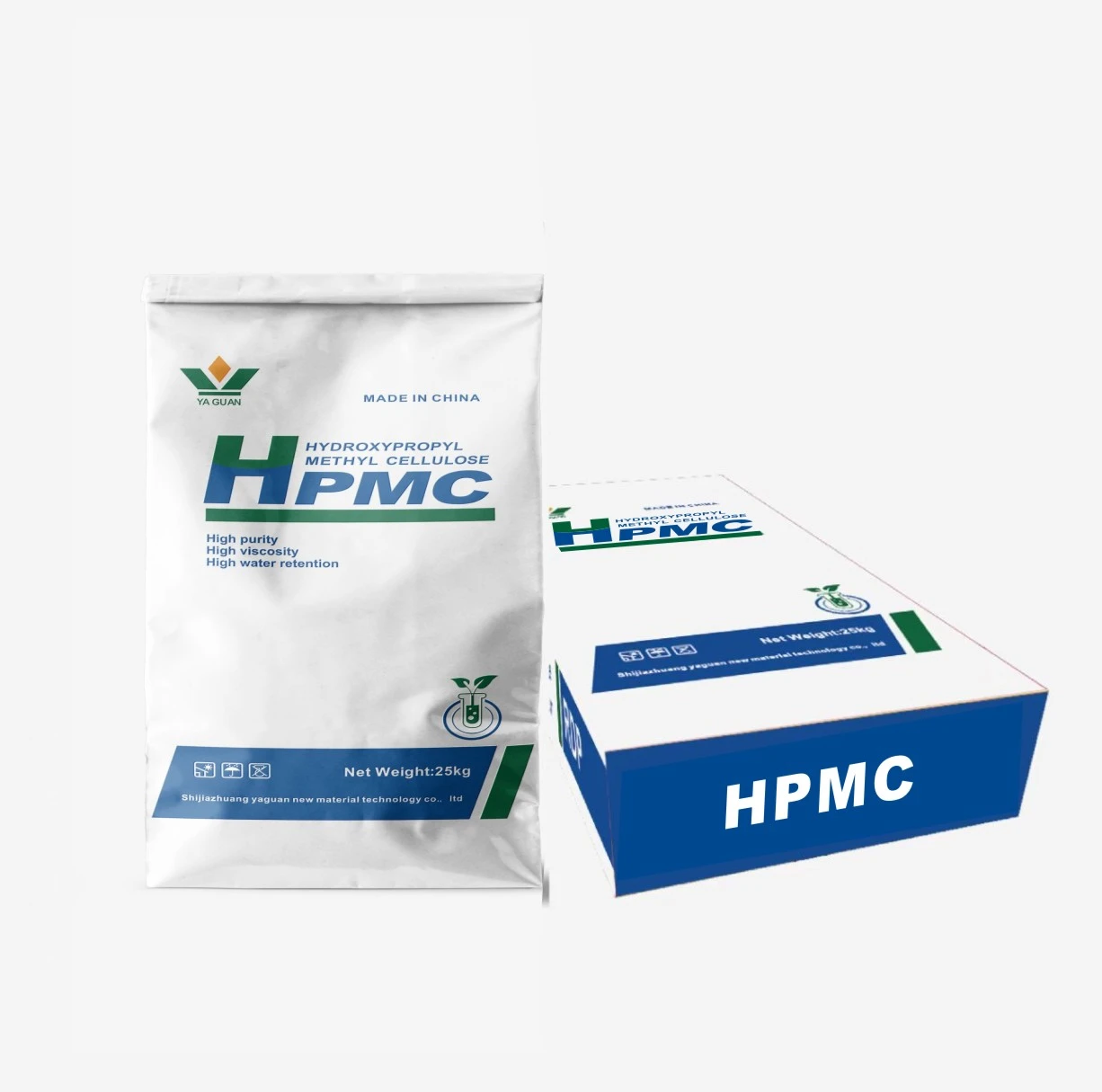
| Yaguan HPMC | China | 100–1000 mPa·s | 2–3 weeks | $13–$20 |
| Ashland | USA | 200–1200 mPa·s | 1–2 weeks | $18–$25 |
| Shin-Etsu | Japan | 100–1100 mPa·s | 3–4 weeks | $20–$28 |
Mini takeaway: Choosing the right HPC vendor depends on your viscosity needs, budget, and delivery time. Yaguan HPMC balances competitive pricing with quality and reliable shipping.
Why Choose Hydroxy Propyl Cellulose? Advantages & Long-Term Value
- Cost-effective performance: HPC often reduces the amount of other additives needed, lowering overall formulation costs.
- Eco-friendly: Its biodegradable nature helps companies meet eco-certifications and comply with stricter environmental laws.
- Safety & Reliability: Non-toxic and chemically stable, ensuring product safety especially in pharmaceuticals and food industries.
- Innovation driver: HPC enables new product designs—like flexible edible films and smart coatings—that weren’t feasible before.
- Social impact: Materials made with HPC often provide safer, longer-lasting products improving quality of life in healthcare and consumer goods.
Emerging Trends in Hydroxy Propyl Cellulose Development
The research community and manufacturers are increasingly interested in enhancing HPC with nanotechnology—embedding nanoparticles to achieve antimicrobial or electrically conductive properties. Imagine packaging that not only preserves food but also signals spoilage! Simultaneously, the push towards greener processing methods—using less energy and cleaner solvents—is reshaping HPC production.
Additionally, as the digital transformation accelerates in manufacturing, customized HPC grades are being formulated faster with AI-driven analytics optimizing viscosity, dissolution, and cost effects. The marriage of biology and tech around HPC feels like the dawn of a material renaissance, and all this while keeping a footprint light enough to ease regulations.
Challenges & Solutions in Hydroxy Propyl Cellulose Utilization
A recurrent issue is batch-to-batch viscosity variability, which affects product consistency. Plus, the raw material (cellulose) sourcing sustainability needs vigilance to avoid deforestation. However, advances in quality control testing and certification, plus commitments to sustainable farming practices, are helping reverse these hurdles.
Some users find costs a pinch higher compared to simpler cellulose ethers, but the performance gains and regulatory ease often justify the premium. Partnerships between manufacturers and end users are starting to include co-development of HPC grades tailor-made for specific needs, improving returns and cutting waste.
FAQ: Common Questions About Hydroxy Propyl Cellulose
- Q1: What is the main difference between hydroxy propyl cellulose and other cellulose derivatives?
- A1: Hydroxy propyl cellulose is unique because it dissolves in both water and certain organic solvents, providing greater formulation flexibility. Additionally, its film-forming and thickening properties remain stable across different pH levels and temperatures, unlike some other cellulose ethers.
- Q2: Can hydroxy propyl cellulose be used in food products safely?
- A2: Yes, HPC is approved by regulatory bodies like the FDA and EFSA for use in food as a thickener and stabilizer. It’s non-toxic, biodegradable, and aids in improving texture and shelf life without altering flavor.
- Q3: How do storage conditions affect hydroxy propyl cellulose’s performance?
- A3: HPC should be stored in a cool, dry place away from direct sunlight to maintain its viscosity and solubility. Excessive moisture or heat can cause clumping or degradation, impacting performance.
- Q4: Are there environmentally friendly practices in producing HPC?
- A4: Absolutely. Manufacturers increasingly use sustainably sourced cellulose and reduced-impact chemical processes, plus recycle solvents to minimize environmental footprints.
- Q5: How can small-scale companies source hydroxy propyl cellulose reliably?
- A5: Small businesses can benefit from vendors offering flexible order sizes and technical support—companies like hydroxy propyl cellulose suppliers often tailor solutions to meet these needs.
Wrapping It Up: Why HPC Is More Than Just a Polymer
To sum up, hydroxy propyl cellulose represents a smart convergence of performance, sustainability, and adaptability that fits the pressing needs of modern industries worldwide. Its ability to cross boundaries—pharmaceutical to paint, food to electronics—while keeping environmental impact low feels pretty powerful. If you’re in R&D or procurement, it’s worth keeping HPC on your radar; the long-term value really adds up.
Interested in learning more or sourcing quality HPC? Visit our website for technical data sheets, sample requests, and expert advice tailored to your industry.