
Understanding Methyl Hydroxypropyl Cellulose: What It Is and Why It Matters
Ever stumbled upon the term methyl hydroxypropyl cellulose (MHPC) and wondered what makes it so pivotal in industries ranging from construction to pharmaceuticals? Frankly, it’s one of those behind-the-scenes ingredients that quietly shape modern manufacturing and product design. Globally, its growing use reflects an ongoing quest for materials that combine versatility, durability, and sustainability — making it a sort of unsung hero.
Why does this matter? Because MHPC plays a key role in improving life quality by enabling better construction composites, drug delivery systems, and even eco-friendly packaging. Understanding its core properties helps industries innovate efficiently while meeting rising environmental and safety standards worldwide.
A Global Lens: The Growing Importance of Methyl Hydroxypropyl Cellulose
The global demand for specialty cellulose derivatives like MHPC has surged by roughly 7% annually over the past decade, according to industry reports. Countries across Asia, Europe, and North America are pushing for smarter materials, especially those supporting greener manufacturing. The International Organization for Standardization (ISO) and the UN’s sustainability goals emphasize material innovation as key to reducing waste and energy use.
But here’s the catch: many traditional cellulose ethers fall short in thermal stability or solubility, which can slow down projects or worsen waste streams. This is precisely where MHPC steps in — addressing challenges like adhesion, moisture resistance, and chemical compatibility.
What Exactly Is Methyl Hydroxypropyl Cellulose?
In simple terms, methyl hydroxypropyl cellulose is a chemically modified cellulose ether derived from plant cellulose. Its unique structure includes methyl and hydroxypropyl groups grafted onto the cellulose chain, which enhance its solubility in water and improve film-forming properties.
Think of it as a smarter cousin of more basic cellulose ethers — the modifications make it valued in industries needing precise viscosity control, thickening agents, or stabilizers. Interestingly, this ties back to humanitarian applications too, where MHPC's water-retaining and film-forming qualities can aid in drug formulations or even construction materials during disaster relief.
Core Components That Define Methyl Hydroxypropyl Cellulose’s Strength
1. Thermal Stability
Unlike some cellulose derivatives, MHPC can tolerate higher temperatures, which is why it’s favored in coatings and adhesives exposed to heat. This property extends service life and widens application scopes.
2. Water Solubility and Retention
MHPC dissolves readily in cold water but forms gels at higher concentrations, making it an excellent thickening and film-forming agent — critical in pharmaceuticals, foods, and paints alike.
3. Mechanical Flexibility
The polymer film made from MHPC is flexible yet tough, a balance that’s hard to find and highly sought after for flexible packaging and construction additives.
4. Chemical Resistance
It holds up well against many acids, alkalis, and salts, enabling safe use as a binder or stabilizer in chemically aggressive environments.
5. Biocompatibility and Safety
Derived from cellulose, MHPC is generally non-toxic and biodegradable — a crucial fact in pharmaceutical excipients and food industry applications, securing regulatory approval and consumer trust.
Mini Takeaway: MHPC’s combination of stability, solubility, and safety makes it an exceptionally versatile additive that, frankly, helps projects run smoother and products last longer.
Methyl Hydroxypropyl Cellulose Around the World: Key Applications
Where exactly does MHPC get used? Its footprint spans continents and industries, with tailored applications:
- Pharmaceuticals: As a binder and controlled-release agent in tablets (especially in regions with advanced healthcare systems like Europe and North America).
- Construction: Used as a thickener and water retention agent in mortars and plasters, including post-disaster shelters in Asia and Africa.
- Cosmetics and Personal Care: In lotions and shampoos for texture enhancement, widespread globally.
- Food Industry: Stabilizer and emulsifier for sauces and soups, especially in large-scale food production hubs.
One interesting use comes from disaster relief operations in Southeast Asia, where MHPC-enhanced building materials help withstand humid, tropical climates, thereby improving shelter longevity.
Advantages and the Long-Lasting Benefits of MHPC
There’s a tangible payoff in adapting MHPC-based solutions:
- Cost Efficiency: Even though MHPC isn’t the cheapest additive out there, its effectiveness reduces material waste and labor costs over time.
- Sustainability: Derived from renewable biomass and biodegradable, it aligns well with tightening environmental regulations worldwide.
- Reliability: Products containing MHPC perform consistently across temperature and humidity extremes.
- Social Impact: In pharmaceuticals, it enables developed drug delivery mechanisms improving patient health outcomes.
- Innovation Catalyst: The versatility of MHPC invites new formulas and hybrid materials, pushing industry standards forward.
It’s like giving a building block more muscle — you get strength without bulk or toxicity.
Looking Ahead: Trends and Innovations Shaping the Future of MHPC
Recent R&D trends indicate a strong pivot toward “green” chemically modified celluloses like MHPC with enhanced biodegradability and reduced environmental footprint. Nano-enhanced MHPC composites promise material improvements in terms of strength and barrier properties, hinting at smarter, more efficient packaging solutions.
Automation and digital formulation technologies are helping tailor MHPC grades more precisely, improving scalability while reducing trial-and-error phases.
Meanwhile, policy shifts toward circular economies in Europe and parts of Asia could further boost MHPC’s role as an eco-conscious material, especially if producers can upgrade processing to limit resource and water consumption.
Challenges and How Industry Players Are Tackling Them
Admittedly, MHPC isn't a magic bullet. It has some notable challenges:
- Cost Fluctuations: Its pricing can be volatile due to raw material supply constraints.
- Compatibility Limits: It doesn't always blend seamlessly with all polymers or solvents, requiring formulation tweaks.
- Processing Sensitivity: Careful control is needed during production to prevent degradation.
To overcome these, manufacturers often combine MHPC with complementary cellulose ethers or use advanced coating and compounding methods. Continuous improvement in sourcing and processing technology is also helping stabilize supply and quality.
Product Specification Table for Typical Methyl Hydroxypropyl Cellulose
| Parameter | Typical Value | Unit |
|---|---|---|
| Appearance | White Powder | - |
| Methoxy Content | 19–24 | % |
| Hydroxypropyl Content | 4–12 | % |
| Viscosity (2% aqueous) | 1000–4000 | mPa·s |
| pH (1% solution) | 5–8 | - |
| Solubility | Cold water soluble | - |
Vendor Comparison: Top Methyl Hydroxypropyl Cellulose Suppliers
| Supplier | Product Range | Pricing | Global Reach | Sustainability |
|---|---|---|---|---|
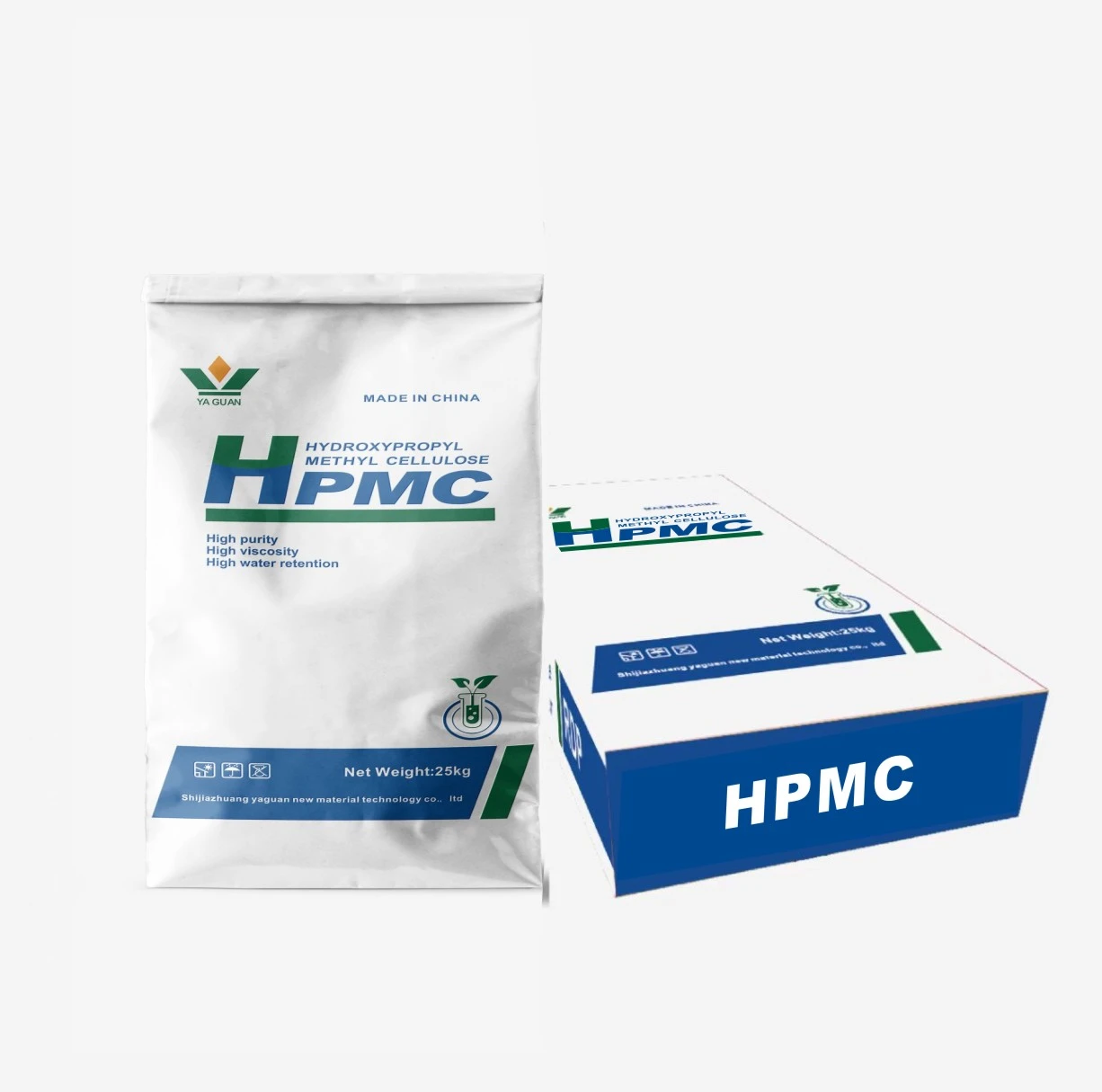
| Yaguan HPMC | 300+ grades | Competitive | Asia, Americas, Europe | ISO 14001 certified |
| Dow Chemical | Limited standardized | Higher range | Worldwide | Partial sustainability programs |
| Ashland | Specialty focus | Moderate | Mostly North America | GRAS & pharma quality certs |
FAQs: Common Questions About Methyl Hydroxypropyl Cellulose
Q: How does methyl hydroxypropyl cellulose improve drug delivery?
A: MHPC acts as a film former and controlled-release agent in pharmaceuticals. Its ability to swell and form gels helps regulate the release rate of active ingredients, improving bioavailability and patient compliance.
Q: Is methyl hydroxypropyl cellulose biodegradable and environmentally friendly?
A: Yes, MHPC is derived from natural cellulose and is biodegradable under typical environmental conditions. This makes it preferable to synthetic polymers in many applications, supporting sustainability goals.
Q: Can MHPC withstand high temperatures during processing?
A: MHPC generally displays good thermal stability up to around 150°C. This allows its use in processes involving baking, extrusion, or drying, though formulations must be optimized to prevent degradation.
Q: What industries benefit most from methyl hydroxypropyl cellulose?
A: Pharmaceuticals, construction, personal care, food industries, and coatings all leverage MHPC’s thickening, stabilizing, and film-forming properties. Its versatility keeps expanding as new formulations emerge.
Q: Are there challenges with sourcing MHPC internationally?
A: Some challenges exist due to regulation variation and supply chain logistics. However, vendors like Yaguan HPMC offer global delivery solutions and assist customers with compliance and import documentation.
Wrapping Up: Why Methyl Hydroxypropyl Cellulose Still Matters Tomorrow
In real terms, methyl hydroxypropyl cellulose feels like a key enabler of multiple industries seeking smarter, safer, and more sustainable materials. From construction sites to pharmaceutical labs, its multi-faceted properties—thermal stability, solubility, and biocompatibility—ensure it remains relevant amid evolving global challenges. And given the increasing emphasis on green chemistry and circular economies, MHPC is set to remain a material of choice.
If you want to explore more about how this cellulose derivative can transform your products or processes, be sure to visit our MHPC product page. It’s always interesting to see how a simple molecule can make such a big difference.
Mini takeaway: MHPC’s adaptability and sustainability aren’t just technical specs — they’re business and social imperatives in today’s materials landscape.