
Understanding Combizell Cellulose Ether: A Global Perspective
You might not hear about combizell cellulose ether daily, but chances are, this versatile compound is quietly powering many industries worldwide. From construction to pharmaceuticals, and even food, its applications are vast and growing. Why does it matter? On a global scale, this cellulose derivative offers sustainable solutions that help tackle challenges like resource scarcity, environmental impact, and product performance — all critical concerns as industries aim to become greener and more efficient.
Simply put, grasping the ins and outs of combizell cellulose ether means understanding a material that enhances durability, improves manufacturing processes, and contributes to eco-friendly innovations. That’s no small feat, especially at a time when industries crave materials that can do a lot with a little.
The Global Context: Where Combizell Cellulose Ether Fits In
So what’s driving global interest in combizell cellulose ether? An eye-opening 2022 report from the United Nations Environment Programme (UNEP) highlights increasing demand for natural, biodegradable additives that reduce reliance on synthetic polymers and harsh chemicals. Meanwhile, the International Organization for Standardization (ISO) has been pushing forward standards that encourage safer, more sustainable raw materials in manufacturing. That’s a perfect storm for cellulose ethers like Combizell.
For example, the construction industry alone accounts for about 40% of global energy consumption (source: World Bank, 2023), and many of the additives used in cement and plaster have environmental drawbacks. Combizell cellulose ether offers a way to improve product workability and water retention without harming the environment, helping industries decarbonize.
But the challenge remains: how to meet rising demand while balancing cost, quality, and sustainability? That’s the knot that combizell cellulose ether is uniquely poised to untangle.
What Exactly is Combizell Cellulose Ether?
In simplest terms, combizell cellulose ether is a chemically modified cellulose — yes, plant fiber — treated to become water-soluble, forming a versatile thickener, binder, and stabilizer. If that sounds technical, think of it like sugar in your coffee, except instead of sweetness, it adds consistency, elasticity, and durability to a product.
This ether derivative connects directly to modern industry needs: enhancing product stability while aligning with sustainability goals. Because, unlike petroleum-based additives, cellulose ethers come from renewable sources (mainly wood pulp or cotton linters), making them a better fit for eco-aware manufacturers.
Mini Takeaway:
Combizell cellulose ether isn’t just filler; it’s a multifunctional, naturally derived additive riding the wave of sustainable modernization.
Key Features That Make Combizell Cellulose Ether Stand Out
1. Versatility Across Applications
This material adjusts moisture levels, controls viscosity, and boosts freeze-thaw stability. That’s why you find it in everything from adhesives and paints to personal care items.
2. Sustainability and Renewability
Made from cellulose, it’s biodegradable and produced with a relatively low carbon footprint — details increasingly scrutinized by environmental certifications globally.
3. Consistent Quality and Performance
Producers can manufacture combizell cellulose ether with very precise chemical and physical properties, which is critical for demanding industries such as pharmaceuticals and food.
4. Safety and Regulatory Compliance
Because it’s non-toxic and often approved for food or biomedical use, it allows manufacturers to meet strict safety regulations effortlessly.
5. Cost Efficiency
Though not the cheapest additive on the market, its multifaceted benefits often reduce other processing or storage costs, making it competitively priced when you look long-term.
Mini Takeaway:
These core traits explain why engineers and product designers lean on combizell cellulose ether to optimize both technical performance and green credentials.
Combizell Cellulose Ether in Action: Real-World Applications
Industries scattered across the globe are applying combizell cellulose ether in ways that genuinely underscore its value.
- Construction: Improving the workability of mortar and plaster—especially vital in fast-building zones like Southeast Asia and Africa, where urban expansion is rapid.
- Pharmaceuticals: Acting as a binder in tablets and helping control drug release profiles, particularly in Europe and North America where regulatory standards are strict.
- Food production: As a stabilizer and thickener, notably in dairy products and sauces, improving texture without artificial chemicals (popular across Japan and the US).
- Personal care: Providing creamy textures and moisture retention in lotions and shampoos globally.
- Post-disaster relief: In emergency shelters, cellulose ether additives improve fire resistance and durability of construction materials under harsh conditions.
Oddly enough, it’s a true global citizen—no continent spared from its utility.
Mini Takeaway:
Wherever there’s a need for safer, stronger, sustainable additives, combizell cellulose ether is quietly fulfilling that role.
Advantages and Lasting Value of Combizell Cellulose Ether
When diving into tangible benefits, here are the big-ticket items:
- Cost savings: Reduced waste, better storage stability, and easier handling translate into savings for manufacturers.
- Environmental benefits: Plant-based, biodegradable, and often compostable, it fits neatly into circular economy models.
- Social impact: Safer for workers compared to harsh synthetic chemicals, promoting workplace wellbeing.
- Reliable performance: Despite variable climates or supply chain hiccups, products made with combizell cellulose ether maintain consistency.
- Innovation enablement: Enables new formulations that were previously impossible or cost-prohibitive.
You could say it builds trust—not just in formulas, but in brands and communities. There's a quietly impressive sense of security when people know what's in their products doesn’t compromise safety or environment.
Product Specification Table
| Property | Typical Value | Unit |
|---|---|---|
| Viscosity (2% solution) | 3500 | mPa·s |
| Moisture content | 5.5 max | % |
| pH (1% solution) | 6.5 – 8.0 | |
| Powder Bulk Density | 0.4 – 0.6 | g/cm³ |
| Methoxy content | 27 – 31 | % |
Comparing Top Combizell Cellulose Ether Vendors
| Vendor | Product Range | Price Tier | Global Reach | Sustainability Focus |
|---|---|---|---|---|
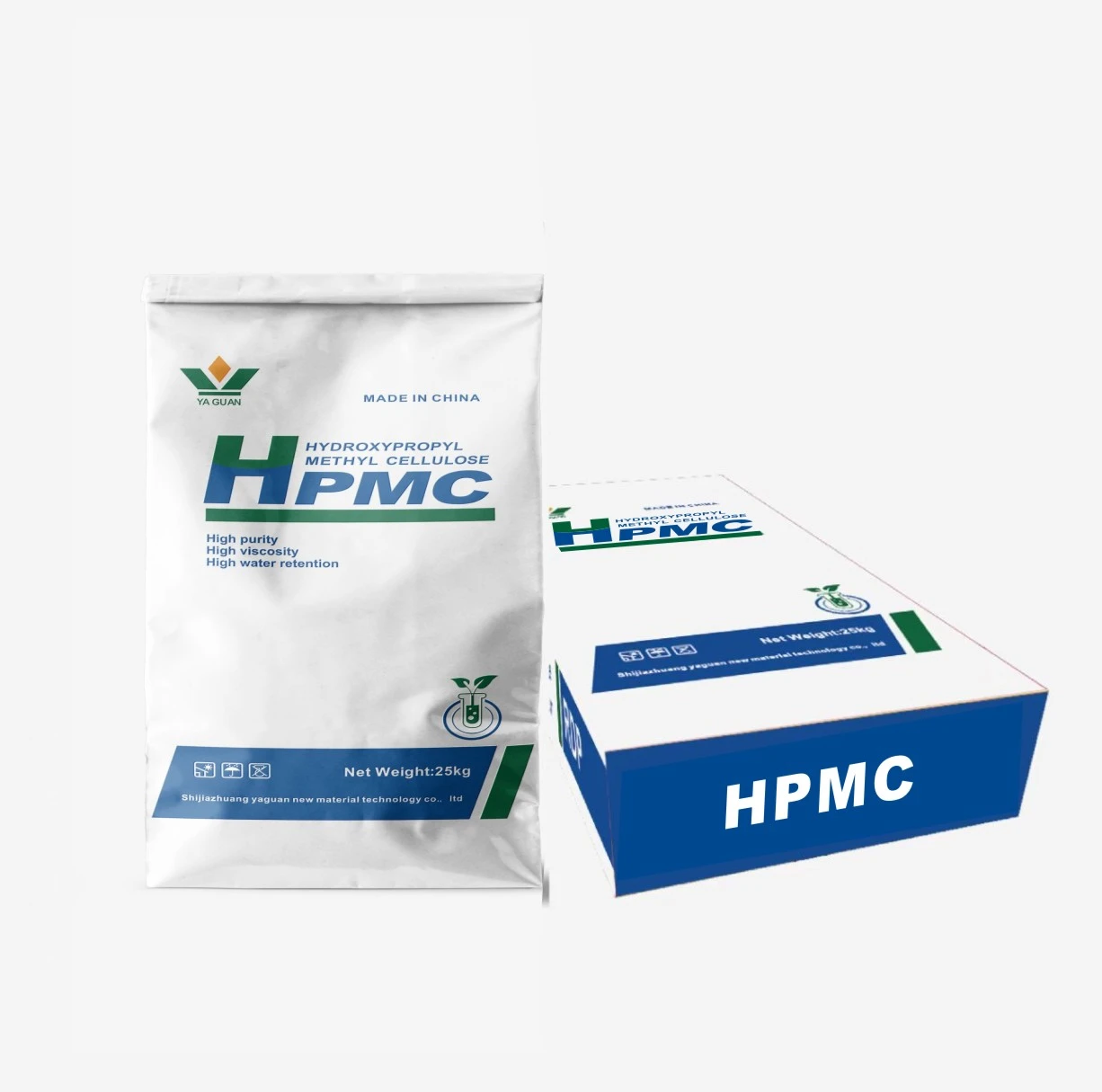
| Yaguan HPMC | Wide (Construction & Food Grade) | Moderate | Asia, Europe, Americas | Yes, ISO 14001 Certified |
| CelluPure Inc. | Narrow, specialty focus | High | North America, Europe | Strong, uses bio-based feedstock |
| EcoCell Solutions | Medium, Emphasis on Cosmetics | Moderate | Global (focus on Europe & Asia) | Dedicated R&D into greener synthesis |
Looking Ahead: Trends and Innovations Related to Combizell Cellulose Ether
Seeing into the near future, it's exciting how combizell cellulose ether is tying into sustainability trends. For example, green energy integration in manufacturing processes is reducing carbon footprints, which aligns perfectly with the nature of cellulose ethers.
Automation and digitalization also play a part, with smart quality control systems ensuring more uniform batches and minimized waste. Some companies are exploring nano-cellulose variations—an exciting frontier that could push strength and durability even further.
Additionally, policy pressures worldwide on reducing plastic additives and improving product biodegradability make combizell cellulose ether an attractive alternative. This means innovations may come not just from science but also commerce and regulation.
Addressing Challenges: What Holds Us Back?
That said, nothing's perfect. Some challenges with combizell cellulose ether include:
- Price sensitivity: As a premium additive, it’s not always the default option for cost-sensitive projects.
- Supply chain variability: Raw material sourcing can be influenced by agriculture fluctuations.
- Technical know-how: Proper handling and formulation require skilled expertise to maximize benefits.
Solutions? Many companies are investing in vertical integration, developing blends that simplify usage, and providing better training resources. The goal is to make combizell cellulose ether accessible and reliable everywhere.
Frequently Asked Questions About Combizell Cellulose Ether
- What industries benefit most from combizell cellulose ether?
- Construction, pharmaceuticals, food processing, and personal care industries gain the most due to its thickening, binding, and stabilizing properties.
- Is combizell cellulose ether safe for use in food products?
- Yes, when sourced and processed in compliance with food-grade standards, it is widely accepted as a safe additive and is recognized by various regulatory bodies worldwide.
- How does combizell cellulose ether improve construction materials?
- It optimizes water retention, enhances workability, and boosts freeze-thaw resistance, which altogether improve the durability and application ease of mortality mixes.
- Can it be customized for specific applications?
- Absolutely. Manufacturers often tailor viscosity, substitution levels, and particle size to suit a range of projects—from thin coatings to thick adhesives.
- Where can I find reliable suppliers of combizell cellulose ether?
- Top vendors include Yaguan HPMC, CelluPure Inc., and EcoCell Solutions. It's critical to consider product specs, sustainability credentials, and delivery reach when choosing.
Wrapping It Up: Why Combizell Cellulose Ether is Here to Stay
In the grand scheme, embracing combizell cellulose ether means embracing a sustainable, versatile, and effective material that supports industries globally in going greener and smarter. Whether you’re tackling construction in humid climates or formulating the next wave of eco-conscious cosmetics, this cellulose ether is an ally worth considering.
For further insights and premium products, feel free to visit our partner site combizell cellulose ether. It’s a good starting point to explore detailed specs and case studies.
Final Mini Takeaway:
Sustainability, versatility, and innovation—combizell cellulose ether neatly blends these to meet tomorrow’s industrial demands today.
References
- United Nations Environment Programme (UNEP), Global Material Flows Report, 2022
- World Bank Data Portal, Construction Energy Consumption, 2023
- ISO Sustainability Standards for Chemical Additives, 2022