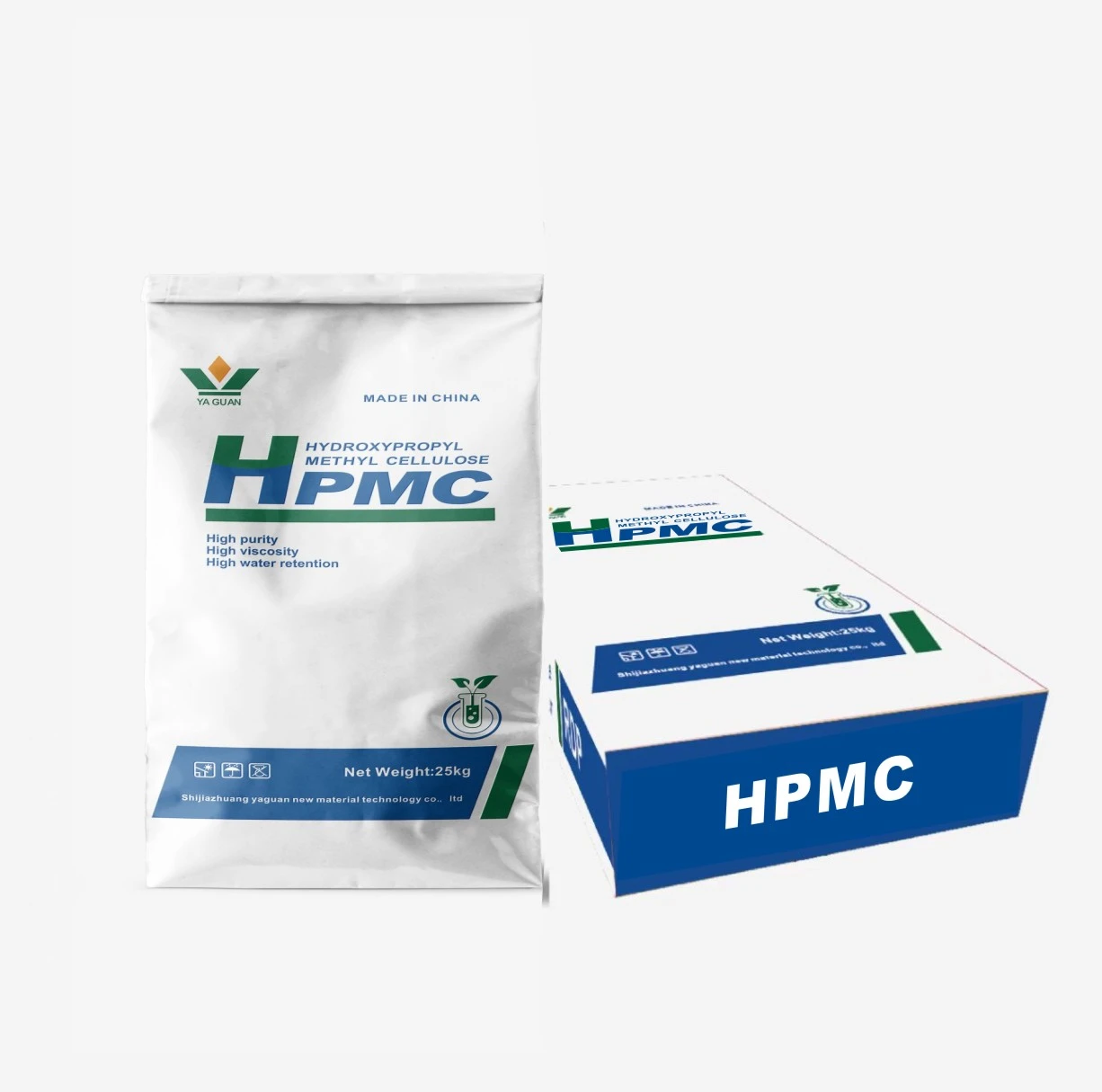

Understanding Methyl Hydroxyethyl Cellulose: Why It Matters Worldwide
If you've ever marveled at the smooth texture of a paint on your walls or wondered how drywall compounds achieve perfect adherence, you might be surprised to learn a little ingredient called methyl hydroxyethyl cellulose plays a pivotal role behind the scenes. It’s one of those unsung heroes in materials science, quietly improving everything from industrial products to humanitarian relief efforts.
Globally, as industries seek sustainable and efficient solutions, the significance of components like methyl hydroxyethyl cellulose (MHEC) is growing. Knowing what it is and why it’s so widely used can open doors to better formulations in construction, pharmaceuticals, and even food processing. Plus, when you grasp its benefits — such as enhancing viscosity or water retention — you start seeing how it tackles everyday issues in diverse fields.
Global Context: Why Methyl Hydroxyethyl Cellulose Is Gaining Ground
The global market for cellulose ethers, including methyl hydroxyethyl cellulose, is expected to surpass USD 1.5 billion by 2025, according to various industry reports. Why? Because urbanization, infrastructure development, and more stringent environmental regulations are pushing manufacturers toward eco-friendlier and more versatile additives. The United Nations Sustainable Development Goals also emphasize reducing environmental impact, which aligns well with the properties MHEC offers as a biodegradable and renewable-based polymer.
However, the challenge remains: many industries rely heavily on synthetic chemicals with questionable sustainability profiles. Switching over to cellulose ethers like methyl hydroxyethyl cellulose means not only better environmental performance but often improved product durability and user safety. In countries with fast-growing construction sectors — India, China, Brazil — this need is especially acute.
What Exactly Is Methyl Hydroxyethyl Cellulose?
In simple terms, methyl hydroxyethyl cellulose (MHEC) is a chemically modified cellulose derivative, created from cellulose — the natural polymer found in plants. It’s made by introducing methyl and hydroxyethyl groups into the cellulose backbone, enhancing its water solubility and thickening abilities.
Why does that matter? Because MHEC can improve the viscosity of liquid and paste formulations, stabilize suspensions, and improve adhesion. Whether you’re formulating an adhesive for construction or a cream for pharmaceuticals, MHEC’s role is often to make the mixture more manageable and reliable.
Interestingly, because it’s biodegradable and from renewable sources, MHEC aligns well with modern industrial shifts toward greener alternatives — something many industries and NGOs alike find crucial.
Key Attributes of Methyl Hydroxyethyl Cellulose
1. Viscosity Control
Perhaps the single most recognized trait of MHEC is its ability to thicken and stabilize water-based systems. In paints or plasters, this means preventing sedimentation or separation — no more lumpy or uneven finishes.
2. Water Retention
In dry-mix mortars, MHEC helps keep moisture around longer, improving curing and strength. This moisture retention is crucial to avoiding cracks or shrinkage in building materials.
3. Compatibility and Thermal Stability
MHEC works well with cement, gypsum, and various polymers. It retains its functional properties even under elevated temperatures, which ensures consistent quality in harsh environments.
4. Eco-Friendly Origin
It’s primarily derived from cellulose, meaning it’s renewable, biodegradable, and less toxic compared to synthetic polymers — a real selling point in today's sustainability-conscious markets.
5. Versatility
From foods as a thickener, to pharmaceuticals as a binder, to personal care as a stabilizer, MHEC’s applications stretch wide, evidencing its adaptable nature.
How Is Methyl Hydroxyethyl Cellulose Used Around the World?
MHEC’s practical applications expand across many sectors:
- Construction: A major player in tile adhesives, plasters, cement, and even fire-retardant coatings. For instance, in Europe’s ever-growing renovation market, MHEC improves workability and durability.
- Pharmaceuticals: Used as a binder and controlled-release agent in tablets — offering consistent delivery of medicines.
- Food Industry: Acts as a stabilizer and thickener in sauces and dairy products, where consistency is key.
- Cosmetics: Used in shampoos, lotions, and creams to maintain texture and shelf life.
- Disaster Relief & Infrastructure in Developing Areas: In remote construction projects or emergency shelters, MHEC-enhanced plaster mixes help workers build quickly with reliable materials that hold up in tough environments.
In particular, organizations working on rapid-deployment shelters appreciate MHEC’s role in ensuring robustness without complicating logistics — a subtle but impactful benefit.
Product Specification Table: Typical Grades of Methyl Hydroxyethyl Cellulose
| Property | Low Viscosity Grade | Medium Viscosity Grade | High Viscosity Grade |
|---|---|---|---|
| Viscosity (2% aqueous solution) | 50–100 mPa·s | 400–800 mPa·s | 1200–1800 mPa·s |
| Methoxyl Content | 19–24% | 19–24% | 19–24% |
| Hydroxyethyl Content | 8–12% | 8–12% | 8–12% |
| PH (1% solution) | 6.5–8.0 | 6.5–8.0 | 6.5–8.0 |
| Appearance | White Powder | White Powder | White Powder |
Comparing Leading Suppliers of Methyl Hydroxyethyl Cellulose
| Supplier | Primary Market | Typical Pricing (per kg) | Key Strength | Sustainability Focus |
|---|---|---|---|---|
| Supplier A | Construction & Coatings | $7.50 | Customizable viscosity grades | Medium |
| Supplier B | Pharmaceutical & Food | $9.00 | FDA certified, food-grade options | High |
| Supplier C | Cosmetics & Personal Care | $8.20 | Wide product range, small batch flexibility | Medium-High |
Advantages and Why It’s Worth the Investment
Frankly, the benefits of methyl hydroxyethyl cellulose go beyond simple chemical performance. It improves product consistency, reduces waste, and supports sustainability paths that industries increasingly have to follow. For a company, that can translate into stronger brand trust and lower regulatory risk. On the humanitarian side, the reliability MHEC adds to building materials means shelters and infrastructure last longer, safeguarding vulnerable populations.
It feels like a rare case where innovation meets responsibility in a straightforward, practical way.
What’s Next? Future Trends in Methyl Hydroxyethyl Cellulose Usage
Looking forward, expect to see MHEC integrated into more advanced composites and nanomaterial frameworks, where its compatibility and biodegradability help design next-gen 'smart' materials. With digitalization creeping into product formulation processes, automated viscosity adjustment using MHEC can boost efficiency and reduce manual errors.
Also, with green chemistry gaining more ground, suppliers are exploring even purer, renewable-source variants that limit energy use and carbon footprints further. These ongoing improvements signal a bright future...
Common Challenges and How Experts Suggest Tackling Them
Of course, nothing’s perfect. MHEC can sometimes be sensitive to pH extremes, and certain formulations require precise adjustments to avoid gelling or instability. Processing variables like temperature and mixing speed also need close monitoring.
Experts recommend using robust quality control and partnering with suppliers who can tailor grades and provide technical support. Collaboration and data-driven formulation really ease these hurdles.
FAQ: Quick Answers About Methyl Hydroxyethyl Cellulose
- Q: Is methyl hydroxyethyl cellulose safe for food applications?
A: Yes, when produced to food-grade standards and properly certified, MHEC serves as a safe thickener and stabilizer in various food products. Look for FDA approval or ISO certifications. - Q: How does MHEC improve construction materials?
A: It enhances viscosity, water retention, and workability in plaster and mortar mixes, ensuring a strong, durable finish and easier application. - Q: Can methyl hydroxyethyl cellulose be used in cold climates?
A: Absolutely. Its thermal stability and water retention properties help materials remain workable and durable even at lower temperatures. - Q: Are there environmentally friendly alternatives to MHEC?
A: Since MHEC itself is a cellulose derivative, it’s already considered eco-friendly compared to synthetic polymers. However, continuous improvements focus on greener sourcing and lower energy manufacturing.
Wrapping It Up: Why Keep Methyl Hydroxyethyl Cellulose on Your Radar?
In real terms, methyl hydroxyethyl cellulose is more than just a chemical additive — it’s a testament to how natural resources can blend seamlessly with high-tech needs. Whether you’re in manufacturing, relief work, or scientific R&D, understanding this versatile polymer can lead to better products, safer environments, and smarter innovations.
Curious for more? Visit our website: methyl hydroxyethyl cellulose for detailed product information, technical support, and updates on new development trends.
Key Takeaways
- Methyl hydroxyethyl cellulose offers superior viscosity control and eco-friendliness, vital for evolving industries.
- Its global applications illustrate a broad impact, from pharma to construction, even disaster relief.
- Ongoing research and sustainability efforts continue to enhance MHEC’s benefits and reduce its limitations.