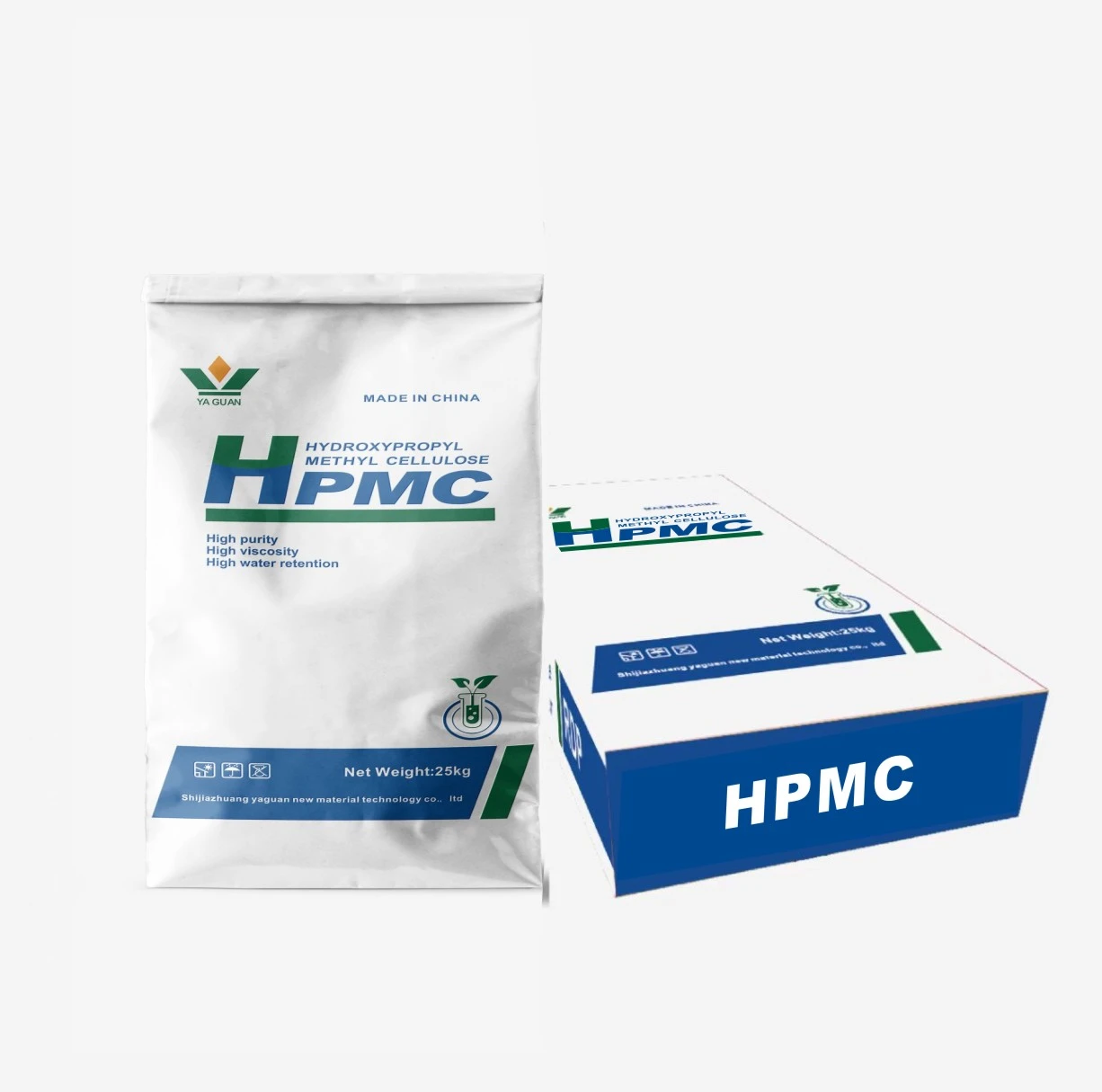

What is Hydroxypropyl Methyl Cellulose and Why Does It Matter?
Hydroxypropyl methyl cellulose, or HPMC if you want to impress at the next industry event, is one of those unsung heroes in modern manufacturing and construction. It’s a versatile polymer used in everything from building materials and pharmaceuticals to food and personal care products. On a global scale, the growing environmental concerns and the push for sustainable, cost-effective materials put HPMC right at the center of many industry transformations.
Knowing what HPMC is and why it’s so widely adopted doesn't just make for a good cocktail party fact—it directly impacts how companies innovate, reduce waste, and meet strict regulations. Plus, with global industries leaning more into efficient, eco-friendly alternatives, understanding hydroxypropyl methyl cellulose unlocks a lot of doorways. Frankly, it’s kind of fascinating how this polymer keeps creeping into our daily lives without most people realizing it.
Global Context: Why Hydroxypropyl Methyl Cellulose is Gaining Momentum
The demand for HPMC is rising internationally. According to market reports from organizations like the ISO and the UNCTAD, industries worldwide have been integrating HPMC for its unique blend of performance and sustainability benefits. The global construction market, for instance, valued upwards of $10 trillion in recent years, increasingly favors materials that offer durability without environmental compromise.
A challenge that many industrial sectors face — keep costs down while improving product quality — is partly addressed by HPMC’s multifunctionality. For example, in the plaster and concrete industries, it improves consistency and workability, solving what used to be both a production headache and a waste issue.
Mini takeaway: Hydroxypropyl methyl cellulose isn’t just another chemical—it’s a globally recognized solution responding to efficiency and sustainability demands.
Defining Hydroxypropyl Methyl Cellulose in Plain Terms
At its core, hydroxypropyl methyl cellulose is a chemically modified cellulose — cellulose being the natural polymer found in plants, especially wood and cotton fibers. This modification makes it water-soluble and functional as a thickener, emulsifier, film former, and stabilizer.
It’s like cellulose got an upgrade for the modern industrial age. Rather than just sitting there as fiber, HPMC can control viscosity in solutions, hold moisture, or even provide fire-resistant properties depending on how it's formulated and used. And that’s why it’s turning up everywhere.
hydroxypropyl methyl cellulose bridges the gap between raw natural materials and high-tech industrial flexibility — it’s a small piece that solves big problems.
Key Components and Practical Factors
1. Solubility and Viscosity Control
One hallmark of HPMC is how precisely it controls thickening in water-based products without gelling. This trait is incredibly useful in construction adhesives or plaster where flow yet stability matters.
2. Film-Forming and Adhesion
It can create transparent films, which boosts its use in coatings and sealants. Many paint manufacturers say this helps reduce cracking and improve finish smoothness.
3. Thermal Stability
Hydroxypropyl methyl cellulose is heat resistant enough to maintain properties through hazardous conditions, which is important for building materials exposed to weather variation.
4. Compatibility and Safety
Being non-toxic and compatible with many chemicals makes it attractive for food and pharmaceutical sectors — it can stabilize and thicken without introducing hazards. This versatility is why health regulators often approve products using HPMC.
5. Cost Efficiency
Given it’s derived from cellulose, a renewable resource, HPMC is relatively inexpensive compared with synthetic polymers—not to mention it improves product efficiency, stretching every dollar spent on raw materials.
Product Specification Table
| Specification | Typical Range | Units |
|---|---|---|
| Methoxy Content | 19.0–30.0 | % |
| Hydroxypropyl Content | 4.0–12.0 | % |
| Viscosity (2% solution) | 10,000–120,000 | mPa·s |
| PH (1% solution) | 5.0–8.0 | – |
| Moisture Content | 5.0 max | % |
Global Applications and Real-World Use Cases
Speaking globally, HPMC sees extensive use across Asia, Europe, and the Americas. For one, China's booming construction and pharmaceutical markets demand tons of this polymer yearly. In Europe, the focus often veers to sustainability with eco-friendly formulations for food and personal care.
Here are a few snapshots:
- Construction: Used in tile adhesives, cementitious products, and self-leveling compounds, HPMC improves workability while reducing water consumption.
- Pharmaceuticals: Acts as an excipient in controlled-release tablets, helping regulate drug dissolution rates.
- Food Industry: Serves as a thickener and stabilizer in gluten-free bakery products.
- Personal Care: Found in shampoos and lotions to enhance texture and moisture retention.
Even humanitarian efforts employ HPMC in fast-setting mortars for rebuilding after natural disasters — clever stuff to quickly restore essential infrastructure.
Mini takeaway: Hydroxypropyl methyl cellulose is a global multitasker, showing up wherever performance meets sustainability.
Advantages & Long-Term Value
Let’s get real: the bottom line matters. HPMC doesn’t just improve formulations; it often lowers overall costs by reducing material wastage and improving durability. Many engineers I’ve talked to mention how it adds reliability — whether in cold winters or humid tropics, products behave predictably.
And then there’s the social angle: safer buildings, longer-lasting medicines, and cleaner food products all contribute to better public health, peace of mind, and community dignity. It might sound lofty, but innovations like HPMC quietly build trust and improve daily life.
Future Trends and Innovations
Looking ahead, the surge in green construction and bio-based materials means HPMC will only grow in importance. Researchers are tweaking the molecular structure to enhance biodegradability, and combining it with nanomaterials to create smarter, more adaptive building composites.
On the regulatory front, stricter environmental laws push manufacturers to reduce synthetic additives — prompting an uptick in HPMC as a natural, sustainable option. So it’s not just about the chemistry, but how societal priorities shape product design.
Challenges & How Industry Addresses Them
Of course, HPMC isn’t perfect. Sensitivity to microbial degradation in some conditions means shelf life can be a concern. Also, its cost-effectiveness varies depending on the scale — smaller producers might find it pricier than simpler additives.
The industry responds with protective coatings, preservatives, and improved formulations to boost stability. Bulk producers invest in supply chain optimization to manage costs. It’s an ongoing balancing act but one that benefits from continuous R&D.
Vendor Comparison: Selecting the Right Supplier for HPMC
| Vendor | Product Purity | MOQ | Custom Grades | Global Shipping |
|---|---|---|---|---|
| Yaguan HPMC Co. | >99.5% | 1 MT | Yes | Worldwide |
| Global Polymer Ltd. | 99.0% | 500 kg | Limited | Regional |
| CelluChem Inc. | >98.5% | 2 MT | Yes | Worldwide |
Frequently Asked Questions About Hydroxypropyl Methyl Cellulose
Q1: What industries benefit most from hydroxypropyl methyl cellulose?
HPMC shines in construction, pharmaceuticals, food production, and personal care. It improves product stability, texture, and durability, helping industries meet modern standards efficiently.
Q2: Is hydroxypropyl methyl cellulose safe for food and pharmaceutical applications?
Yes, HPMC is non-toxic and approved by regulatory agencies like the FDA for use as an additive in food and drug formulations, making it a trusted ingredient in many consumer products.
Q3: How does HPMC improve workability in construction materials?
HPMC acts as a water retention agent and thickener, enhancing the consistency and adhesion of plaster, cement, and tile adhesives, which results in smoother application and better strength.
Q4: Can hydroxypropyl methyl cellulose support sustainable manufacturing goals?
Absolutely. Being cellulose-based and biodegradable, HPMC aligns with green manufacturing trends, reducing reliance on petrochemicals and enabling more eco-friendly product formulations.
Q5: How do I choose the right grade of HPMC for my application?
It depends on required viscosity, methoxy content, and thermal stability. Consulting suppliers like Yaguan HPMC helps tailor grades to specific industrial needs.
Conclusion: Why Hydroxypropyl Methyl Cellulose Delivers Long-Term Value
Hydroxypropyl methyl cellulose may be an industrial staple, but it’s far from mundane. At the crossroads of nature and innovation, this polymer fuels sustainability, cost efficiency, and product excellence worldwide. Its adaptability means you'll find it quietly underpinning many advances that improve the way we build, heal, and eat.
Curious to explore how hydroxypropyl methyl cellulose can transform your projects? Visit our website: https://www.yaguanhpmc.com for tailored solutions and expert advice.