
Understanding Tylose Powder: A Small Ingredient with Big Industrial Impact
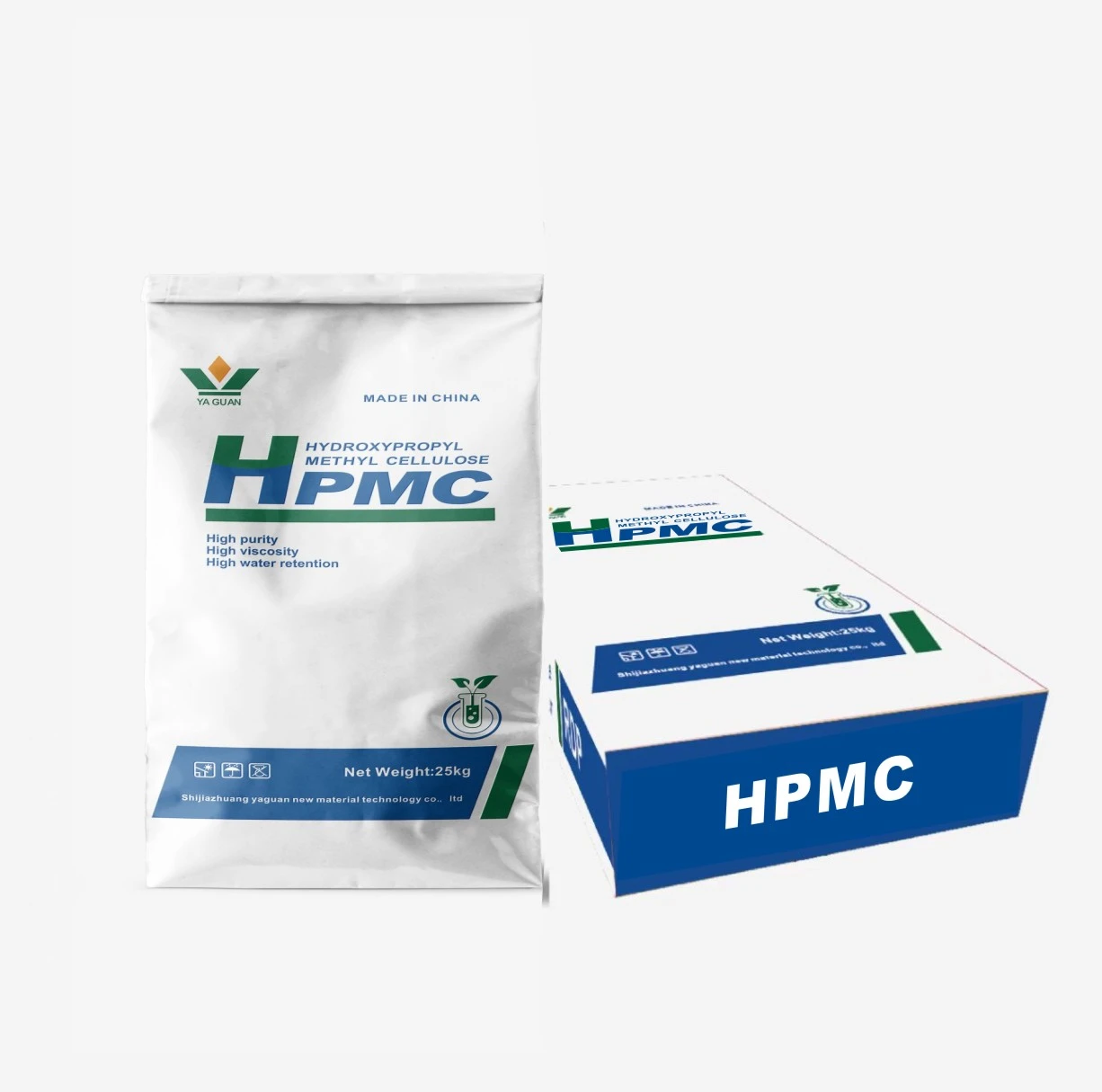
Tylose powder, often overlooked outside specialist circles, plays a surprising role in many industries worldwide. Whether you’ve heard it called methyl cellulose or hydroxyethyl cellulose, its versatility is impressive. From construction to cosmetics, even food preparation, tylose powder is a binder, thickener, and stabilizer rolled into one. Its importance extends beyond just technical specs; in fact, it meets global demand for more sustainable, reliable materials in manufacturing and humanitarian aid. So, why should you care about this humble powder? Because it’s an unsung hero that smooths processes, improves product life, and protects the environment — quietly making the world a more efficient place.
Global Context: Why Tylose Powder Matters Now More Than Ever
In today’s hyper-connected economy, industries seek materials that are adaptable and environmentally responsible. According to ISO, global demand for cellulose derivatives like tylose powder has steadily increased by roughly 4-7% annually over the past decade, thanks to rising use in pharmaceuticals, food production, and building materials.
World Bank data underscores a growing emphasis on sustainable production and waste reduction—challenges tylose powder helps to tackle thanks to its non-toxic, biodegradable nature. Especially in developing regions, where cost-effective materials are critical for infrastructure and health projects, this powder steps up. For instance, tylose powder is often employed in disaster relief operations to stabilize mortars quickly or to enhance wound dressings, improving both logistics and outcomes.
What is Tylose Powder, Really?
Simply put, tylose powder is a chemically-modified cellulose ether derived from natural wood pulp or cotton linters. When mixed with water, it forms a gel-like substance that thickens, binds, and controls moisture. Imagine it as a smart glue that works invisibly—boosting consistency without the heaviness or toxicity of synthetic alternatives.
Industries love tylose powder because it offers a non-toxic, vegan-friendly option that’s compliant with many regulatory standards (like FDA and EU food safety guidelines). Over the past few decades, it’s evolved into a crucial ingredient for producing high-quality paints, adhesives, cosmetics, and even gluten-free baked goods.
Core Features and Benefits of Tylose Powder
1. Thickening & Viscosity Control
Tylose powder excels at increasing viscosity without compromising flow. That means it can transform a runny mix into a creamy substance ideal for paints or glues, all without changing the chemical nature. In practical terms, this helps manufacturers improve product stability on shelves.
2. Water Retention & Moisture Binding
Many use tylose powder to hold moisture, which is critical in cement and plaster formulations to prevent cracking during drying. It enhances workability on site, allowing for longer open times. This is particularly important in large-scale projects or unpredictable climate conditions.
3. Adhesion Enhancer
Because it increases tack, tylose powder acts like a natural glue booster, improving adhesion between layers of construction materials or between cosmetic cream and skin. Its gentle chemical profile means it’s suitable for sensitive applications.
4. Film-Forming & Stabilizing Agent
It creates flexible, transparent films after drying, useful in pharmaceutical coatings or decorative finishes. This film-forming ability also stabilizes emulsions, keeping formulas from separating over time—a big plus in food and personal care products.
5. Compatibility & Safety
Tylose powder is compatible with a broad range of ingredients and is considered safe for human use. Its biodegradability aligns well with green chemistry principles, which makes it attractive to companies pushing sustainability agendas.
Mini Takeaway: Tylose powder’s versatility stems from its multifunctional nature—something rare in chemical additives. It thickens, bonds, stabilizes, and conserves moisture all at once, making it indispensable in many industrial formulations.
Where Does Tylose Powder Shine? Global Applications & Use Cases
Industries from construction to pharmaceuticals are increasingly turning to tylose powder for practical advantages:
- Construction & Mortar Additives: In Europe and Asia, tylose powder is widely used to improve the workability and durability of plaster and tile adhesives—especially in humid regions where moisture control is essential.
- Pharmaceuticals: Used in tablet coatings and topical creams, tylose powder helps control release rates and improves texture.
- Food Industry: Acts as a thickener in gluten-free baking or dairy products, helping maintain desired texture and shelf life.
- Cosmetics & Personal Care: As a film former and stabilizer, it contributes to smooth creams and lotions that don’t separate under varied temperatures.
- Disaster Relief and Humanitarian Aid: In regions recovering after natural disasters, tylose powder enhances fast-setting plaster and wound care products, critical where supply chains are fragile.
Countries like India, Brazil, and Germany are hubs for tylose powder manufacturing and innovative usage. NGOs often depend on supplies of industrial-grade cellulose derivatives for water purification and medical kits—demonstrating just how widespread its impact is.
Product Specifications: A Quick Overview
| Specification | Details |
|---|---|
| Chemical Name | Hydroxyethyl Methyl Cellulose (HEMC) |
| Appearance | Fine, white to off-white powder |
| Solubility | Soluble in cold water, dispersible in hot water |
| Viscosity Range | 100 – 30000 mPa·s (depending on grade) |
| pH Range | 6.0 – 8.0 (1% aqueous solution) |
| Typical Uses | Adhesives, pharmaceuticals, construction, cosmetics |
Comparing Top Tylose Powder Vendors: What to Look For
Choosing a supplier isn’t just about price; quality, grade availability, and support matter, too. Here’s how a few leading manufacturers stack up:
| Vendor | Purity Grade | Viscosity Options | Global Reach | Sustainability Certification |
|---|---|---|---|---|
| HydroCell Corp. | Pharmaceutical & Industrial | Multiple (100-25000 mPa·s) | Europe, Asia, Americas | ISO 14001 Certified |
| CelluTech Ltd. | Industrial Grade | 100-15000 mPa·s | Asia & Africa | None |
| GreenBind Chemicals | Pharmaceutical & Food Grade | 500-30000 mPa·s | Global | REACH & EcoVadis Rated |
Why Tylose Powder Is Worth the Investment: Advantages & Long-Term Impact
Frankly, many manufacturers say tylose powder saves headaches. It lowers costs by enhancing raw material efficiency—less waste, fewer additives—while ensuring product consistency. On an emotional level, it boosts consumer trust by being a safe, natural ingredient behind reliable products.
Environmentally, relying on plant-derived cellulose means reduced reliance on petrochemicals. Over time, adopting such materials aligns companies with global carbon reduction targets and circular economy principles.
Looking Ahead: Innovations Shaping Tylose Powder’s Future
Green chemistry is a big trend, and tylose powder is no exception. Scientists are working on bioengineered variants that may boost performance while using fewer resources. Digital transformation in manufacturing also means better quality control and custom blending — making tylose powder even more adaptable.
Automation combined with IoT sensors might allow real-time viscosity adjustment during production, reducing batch errors. And the push for sustainable packaging pushes manufacturers to use tylose powder in biodegradable coatings and films.
Common Challenges & How Experts Overcome Them
Despite its adaptability, tylose powder isn’t always a plug-and-play fix. Sometimes inconsistent water quality or improper mixing leads to clumping or performance loss. Solutions involve precise dosing equipment and water filtration. Some users report cost concerns for higher-viscosity grades, but volume-based sourcing and regional manufacturers can ease this.
Ongoing R&D is addressing shelf stability and faster dissolution rates, so don’t be surprised if packaging changes soon.
FAQ: Your Most Frequent Questions About Tylose Powder
- What are the main uses of tylose powder in construction?
- It’s primarily used to improve mortar and plaster workability, control drying times, and enhance adhesion and water retention. This results in fewer cracks and better durability on-site.
- Is tylose powder safe for food and cosmetic applications?
- Yes, when sourced with proper certifications, tylose powder is non-toxic, hypoallergenic, and widely used as a thickener and stabilizer in both food products and skin-care formulations.
- How should I store tylose powder to maintain its quality?
- Store in a cool, dry place away from moisture and direct sunlight. Sealed containers and avoiding exposure to high humidity preserve viscosity and shelf life.
- Can I substitute tylose powder with other cellulose ethers?
- While similar cellulose ethers exist (like carboxymethyl cellulose), tylose powder offers a unique balance of viscosity and stability. Substitutions should be carefully tested to avoid performance loss.
- How quickly can I get tylose powder shipped internationally?
- Lead times vary by vendor and destination, but major suppliers typically offer 1–3 weeks worldwide shipping. Expedited options may be available for large or urgent orders.
Conclusion: Why Tylose Powder Deserves a Spot on Your Ingredients List
On balance, tylose powder’s natural origins, multifunctionality, and sustainability credentials make it a standout additive in modern manufacturing. Whether you're formulating next-gen adhesives or enhancing hospital wound care, it brings reliability – and peace of mind.
If you haven’t explored tylose powder yet, it’s time. The investment pays dividends in quality, environmental responsibility, and innovation. And honestly, in industries where consistency matters, that’s priceless.
References: