Tylose: The Unsung Hero in Modern Industry and Beyond
If you haven't stumbled across the term tylose before, you might wonder why it deserves a spotlight in today's fast-moving industrial landscape. Well, globally, tylose—a common name for hydroxypropyl methylcellulose—is not just a niche ingredient; it’s a versatile polymer that’s quietly shaping manufacturing, construction, and even humanitarian efforts. It matters because in an era where material efficiency, sustainability, and reliability make or break projects, understanding tylose’s role opens doors to smarter solutions.
So what exactly is this stuff, why does it matter globally, and how does it fit into broader challenges like supply chain resilience or sustainable development? That’s exactly what we’ll explore in-depth here.
Global Context: Why Tylose Still Matters in a Changing World
According to the World Bank and ISO, worldwide industrial output has increased dramatically, with sectors craving adaptable, cost-effective materials that offer both performance and environmental friendliness. Tylose fits snugly into this trend. Whether in construction adhesives, pharmaceuticals, or even food processing, its demand is rising steadily—partly because it addresses specific challenges such as improving material workability and reducing waste.
For instance, the global construction industry's embrace of eco-friendly alternatives is driven by UN sustainability goals highlighting the need for low-impact materials. Tylose-based additives help create durable yet sustainable plasters and mortars, which directly ties to energy efficiency and carbon footprint reduction goals. But even beyond traditional industries, NGOs involved in disaster relief rely on tylose-containing products because they improve material shelf life and ease on-site handling under tough conditions.
Mini takeaway: Tylose is both a response and a driver to global challenges like sustainability and industrial innovation, finding roles in everything from heavy industry to humanitarian aid.
What is Tylose? A Simple Definition with Wide-Ranging Impact
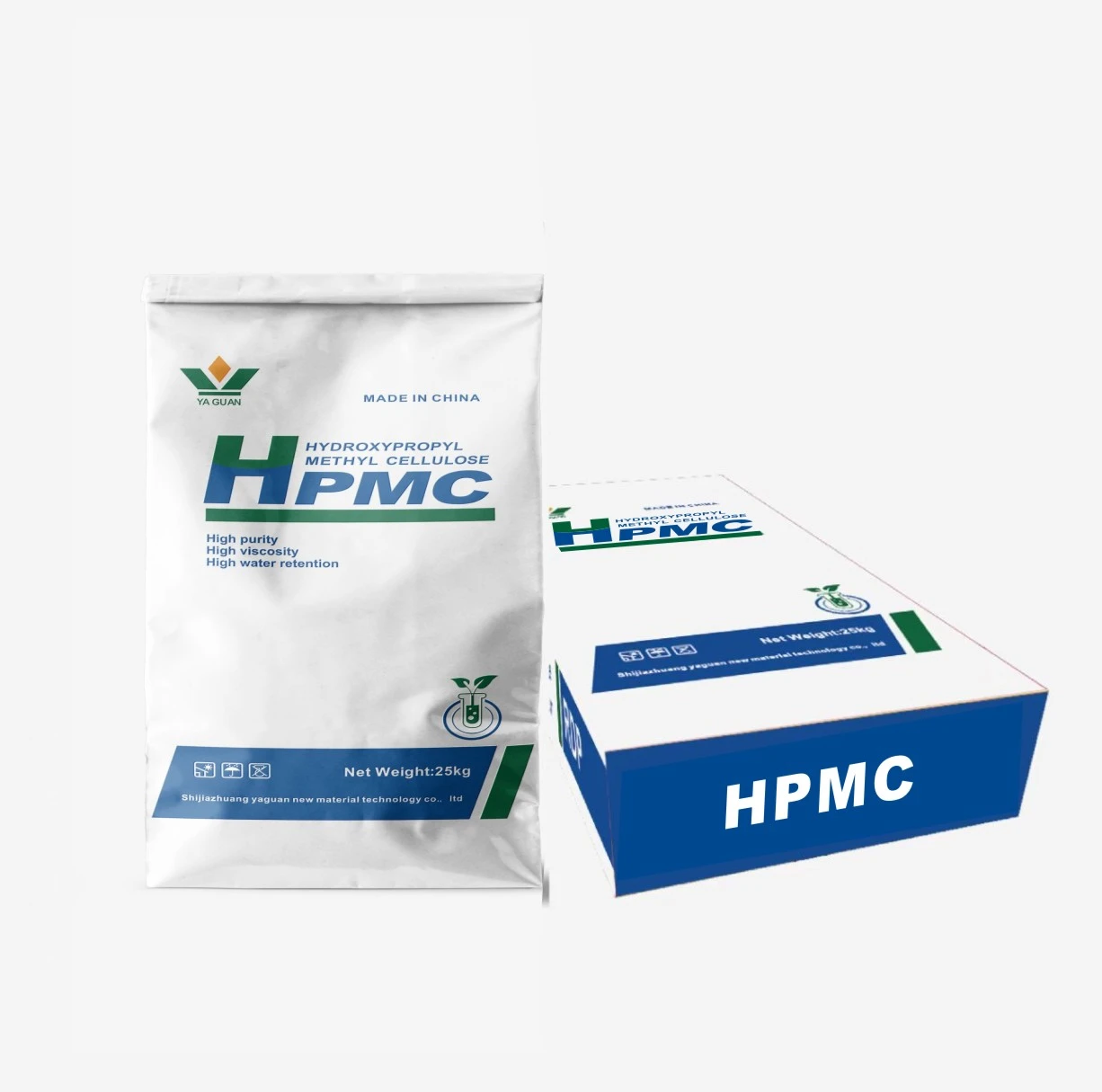
At its core, tylose refers to hydroxypropyl methylcellulose (HPMC), a cellulose-derived polymer common in powders or granules. Imagine a fine white powder that swells and gels with water—this is tylose. It’s non-toxic, odorless, and has unique properties like thickening, film-forming, and emulsifying that make it indispensable across various industries.
Its origin lies in natural cellulose, but chemical modification gives tylose its distinctive functionalities. Because of this, it can improve the workability of cement or plaster, stabilize emulsions in cosmetics, or even control drug release rates in pharmaceuticals.
So, in real terms, tylose is the secret helper your favorite materials probably rely on, even if you don’t realize it. Its contribution to modern industrial processes and humanitarian needs — such as producing quick-setting handy mortars or stabilizing medical creams — is quietly significant.
Key Properties of Tylose and Why They Matter
1. Water Retention and Workability
One hallmark of tylose is its ability to retain water in materials like plaster or mortar. This means slower drying times that allow for better curing and stronger finished surfaces. Builders often swear by it since it improves the workability of cementitious mixes — literally making tough jobs easier and resulting in more reliable constructions.
2. Film-Forming and Adhesion
Tylose forms flexible, transparent films when dried, playing a crucial role in adhesion. In pharmaceuticals or cosmetics, this means tablets or creams hold their shape and texture longer, improving shelf life and usability.
3. Stability Across Temperatures
Unlike many polymers, tylose maintains its properties over a wide temperature range. This robustness is vital in harsh environments or regions with fluctuating climates, enabling products to stay consistent globally.
4. Non-Toxic & Biodegradable
Made from plant-based cellulose, tylose is safe and environmentally friendly, aligning perfectly with modern sustainability trends. It's a great alternative to synthetic polymers that might otherwise burden ecosystems.
5. Customizable Viscosity
Manufacturers can tweak tylose grades to produce anything from thin solutions to thick pastes, adapting it for diverse uses — from paint thickeners to pharmaceutical binders.
| Property | Typical Range | Implication |
|---|---|---|
| Appearance | White Powder | Easy integration in products |
| Viscosity (2% solution) | 1000–4500 mPa·s | Adjustable thickness for formulations |
| pH Stability | 6–8 | Compatible with neutral to mild alkaline systems |
| Water Retention | Up to 95% | Enhanced curing and moisture control |
| Solubility | Cold Water Soluble | Easy processing at low temps |
Where Is Tylose Used Around the Globe?
The beauty of tylose is in its versatility. Here are some notable real-world applications:
- Construction: In Europe and Asia, tylose is a staple additive in ready-mix plasters and mortars, improving workability and reducing cracking risks. Its water retention properties ensure strong, durable finishes even in humid climates.
- Pharmaceuticals: In North America, HPMC variants control drug release rates and act as tablet binders. Patient safety and consistent dosing demand these high-quality polymers.
- Food Industry: Tylose serves as a thickener or stabilizer in sauces and dressings, particularly in growing markets in South America.
- Disaster Relief and Humanitarian Aid: NGOs use tylose-based water-retentive mortars to build fast, durable shelters in areas hit by natural disasters, for example in parts of South Asia.
Mini takeaway: Whether it’s the skyscrapers in Shanghai or medical capsules in Boston, or emergency shelters in Nepal, tylose is quietly enabling a smoother, safer construction of our world.
The Benefits of Using Tylose: Why So Many Industries Trust It
Tylose lends clear advantages. From cost-efficiency to environmental impact, its benefits stack up:
- Enhanced Material Performance: By improving workability and adhesion, tylose ensures longer-lasting products.
- Eco-Friendliness: Biodegradable and plant-derived, it helps companies meet green standards and reduce waste.
- Adaptable for Multiple Needs: From low-viscosity liquids to thick pastes, manufacturers can tailor it easily.
- Globally Reliable: Its thermal and chemical stability guarantee consistent quality worldwide.
- Safety & Trust: Non-toxic and regulated for pharmaceuticals and food, tylose builds trust with end users.
Frankly, it’s the kind of ingredient you don’t often notice but definitely appreciate when things work smoothly.
Looking Ahead: Future Trends in Tylose and Its Applications
As industries push greener manufacturing and digital integration, tylose is evolving too. Some trends I’ve noticed are:
- Bio-based Innovations: Research is underway to improve biodegradability further and develop hybrids with other renewable polymers.
- Digitized Quality Control: Automated viscosity testing and digital batch tracking help maintain product consistency.
- Smart Packaging: Combining tylose with active ingredients for adaptive release in pharmaceuticals or cosmetics.
- Expansion into 3D Printing: Using tylose in paste form as a binder in additive manufacturing of construction materials.
These innovations show tylose isn’t some fossilized relic but a material with a fresh future.
Challenges Around Tylose Usage—And How Industry Tackles Them
Like any material, tylose isn’t perfect. Here are a few common roadblocks:
- Cost Fluctuations: Because it’s derived from cellulose, raw material prices can vary, affecting final product pricing.
- Moisture Sensitivity: While excellent at water retention, tylose’s performance can vary if not stored properly.
- Compatibility Limitations: Certain highly acidic or alkaline environments may degrade tylose faster.
But with expert formulation strategies and modern packaging, these issues are minimized — plus ongoing R&D aims to broaden its usable conditions. Manufacturers often blend tylose with other additives or use innovative stabilizers to overcome these challenges.
FAQ: Frequently Asked Questions About Tylose
- What makes tylose suitable for construction applications compared to other polymers?
- Tylose excels in water retention and improves mortar workability, reducing cracks and improving adhesion. Its thermal stability also means consistent performance across climates, which many synthetic polymers can't match.
- How does tylose contribute to sustainable manufacturing?
- Being plant-based and biodegradable, tylose reduces reliance on petrochemical-derived additives. Its efficiency leads to less waste, and it supports green certification goals, making it a preferred choice in eco-conscious industries.
- Can tylose be used in food-grade products safely?
- Yes, tylose is non-toxic and widely used as a thickener or stabilizer in food processing. It meets food safety standards internationally, making it popular in sauces, dressings, and confectionery.
- Is tylose compatible with international supply chains and import regulations?
- Tylose complies with major international norms (e.g., USP, EP). Reliable vendors ensure proper documentation and certifications for smooth cross-border transport and use in regulated industries.
Conclusion: Why Tylose Deserves Your Attention Today and Tomorrow
In sum, tylose is more than just a polymer. It’s a quiet force powering innovation, sustainability, and reliability across multiple sectors worldwide. Whether you’re deep in the construction game or involved in pharmaceuticals or humanitarian aid, tylose’s blend of performance and environmental credentials holds long-term value.
So, if you’re curious to explore more or want to integrate high-quality tylose into your projects, there’s no better time than now. Visit our website to unlock deeper insights, product options, and the support you need at https://www.yaguanhpmc.com. It’s a small step to smarter materials—and frankly, a wise one.
| Vendor | Product Grades Available | Certifications | Lead Time (Days) | Typical Price Range (USD/kg) | Notes |
|---|---|---|---|---|---|
| Yaguan HPMC Co. | Standard, High Viscosity, Food-Grade | ISO 9001, GMP, USP | 7–10 | 4.5–8.0 | Reliable customer support & certifications |
| CellTech Polymers | Custom Viscosities, Pharma Grade | ISO 14001, USP, EP | 10–14 | 5.0–9.5 | Strong R&D for custom blends |
| NaturalCellulose Inc. | Bulk Standard Grade | ISO 9001 | 5–7 | 3.8–6.0 | Competitive pricing, less variety |
Mini takeaway: Choosing a tylose supplier boils down to your quality requirements, certification needs, and budget. Partnering with experienced vendors like Yaguan HPMC ensures smoother project execution.
References:
1. World Bank Industry Data: https://www.worldbank.org/en/topic/industry
2. United Nations Sustainable Development Goals: https://sdgs.un.org/goals
3. ISO Standards for Cellulose Derivatives: https://www.iso.org/ics/75.080.html