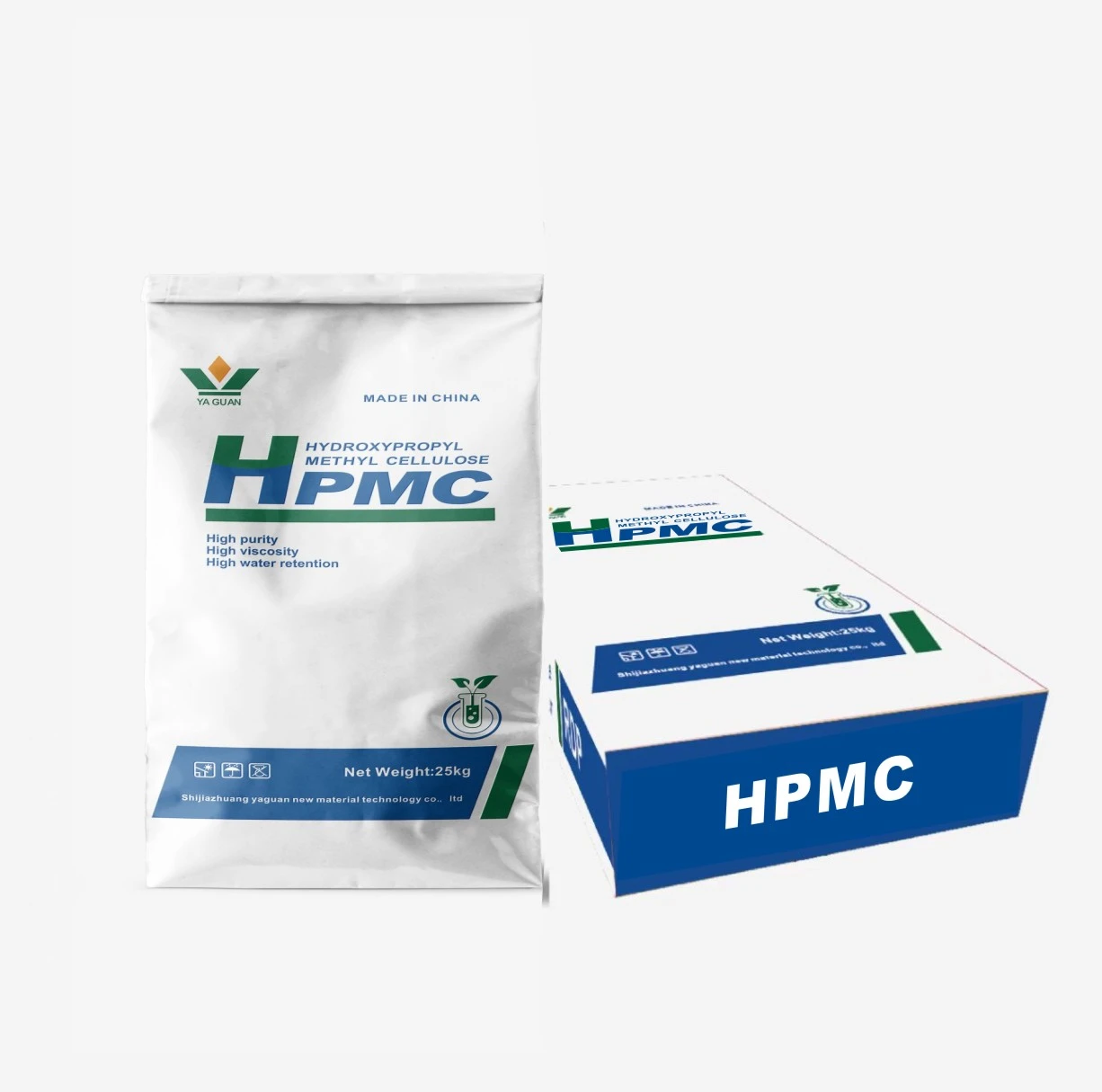

Understanding Hydroxypropyl Methylcellulose Thickener: What It Is and Why It Matters
At first glance, hydroxypropyl methylcellulose thickener might sound like a mouthful of a chemical term only a chemist can appreciate. But this versatile ingredient quietly plays a starring role in countless industries worldwide—from construction to food, pharmaceuticals to cosmetics. Grasping what this thickener does and why it has become irreplaceable helps us appreciate how modern life hangs on these small yet crucial innovations. Plus, its global relevance has only grown as manufacturers seek greener, safer, and more cost-effective additives.
So, here’s a quick rundown of what this thickener is about, how it’s changing industries, and why it’s something we should all know about—whether you’re a product developer, an engineer, or simply curious about the stuff behind everyday products.
Why Hydroxypropyl Methylcellulose Thickener Is Globally Significant
In an increasingly resource-conscious world, additives like hydroxypropyl methylcellulose thickener are gaining traction for their multifunctionality and safety profile. According to ISO reports, cellulose derivatives rank among the top biocompatible polymers used globally, with an annual market growth rate of around 6-7% (1). This demand stems largely from their non-toxic nature and adaptability. For example, in food products, they improve texture and stability without artificial chemicals, while in construction, they enhance material durability.
However, this isn’t just about fancy chemistry. There’s a practical challenge: manufacturers and humanitarian organizations alike require thickeners that are effective, environmentally friendly, and scalable. Hydroxypropyl methylcellulose thickener answers this call quite well and is often chosen when other polymers fall short.
Breaking It Down: What Exactly Is Hydroxypropyl Methylcellulose Thickener?
Simply put, hydroxypropyl methylcellulose (HPMC) is a semi-synthetic, inert polymer derived from cellulose—the structural component of plant cell walls. It’s modified to include hydroxypropyl and methyl groups, which give it unique water-soluble, film-forming, and thickening characteristics. When added to liquids, it thickens them, creating a smooth, stable texture that doesn’t degrade easily.
Its inertness means it doesn’t react chemically with other ingredients, which is a huge advantage for sensitive applications like pharmaceuticals or food products. Beyond just thickening, it also helps control moisture and improves product shelf life.
Mini Takeaway
Think of HPMC as nature-meets-lab: cellulose’s natural strength enhanced by precise chemistry to be the Swiss army knife of thickeners.
Core Qualities That Make Hydroxypropyl Methylcellulose Thickener a Must-Have
1. Versatile Durability
HPMC remains stable under a wide range of pH values and temperatures, making it suitable for everything from hot foods to industrial mortars.
2. Cost-Effectiveness
While synthetic polymers can get pricey, hydroxypropyl methylcellulose often balances performance and affordability—key for mass production.
3. Non-Toxic & Eco-Friendly
Since it’s plant-derived and non-toxic, it fits naturally into “green chemistry” frameworks, reducing environmental impact.
4. Moisture Retention
This thickener excels at binding water, which is crucial for products needing stable textures or prolonged hydration, like cosmetics or plaster.
5. Easy Handling & Scalability
Because it dissolves readily in cold or hot water, processing it at scale is straightforward, streamlining industrial workflows.
Mini Takeaway
Its combination of stability, cost, and eco credentials is why so many engineers swear by hydroxypropyl methylcellulose thickener in both factories and labs.
Global Applications and Real-World Use Cases
Whether you’re in Europe managing construction chemicals or in Asia producing ready-to-eat meals, hydroxypropyl methylcellulose thickener almost certainly plays a part. Here are some fields where its impact is notable:
- Construction: Used as a water retention agent in tile adhesives, plasters, and cement-based mortars, primarily across Europe and the Middle East.
- Food Industry: Widely deployed in bakery products, gluten-free goods, and sauces to improve texture and shelf-life in markets including North America and Japan.
- Pharmaceuticals: As a binder and controlled-release agent for tablets, helping medications deliver consistent dosages globally.
- Cosmetics & Personal Care: Hydrating creams and shampoos benefit from its thickening and film-forming properties, especially popular in South Korea and Europe.
- Disaster Relief: Oddly enough, its role in fast-setting plasters and construction mortars makes rebuilding shelters quicker and safer in post-disaster zones.
Mini Takeaway
From everyday kitchen staples to emergency shelters, hydroxypropyl methylcellulose thickener quietly ensures quality and durability.
Product Specification Table
| Specification | Typical Value | Units |
|---|---|---|
| Methoxy Content | 19–24 | % |
| Hydroxypropyl Content | 4–12 | % |
| Viscosity (2% solution) | 1000–2000 | mPa·s (Brookfield) |
| pH Range (2% solution) | 5.0 – 8.0 | — |
| Moisture Content | 5 max | % |
Comparing Leading Vendors of Hydroxypropyl Methylcellulose Thickener
| Vendor | Product Range | Purity & Compliance | Typical Pricing (USD/kg) | Global Shipping |
|---|---|---|---|---|
| Yaguang HPMC | Food, Pharma, Construction Grade | USP, FCC, ISO certified | 2.4 – 3.1 | Yes (Worldwide) |
| Dow Chemical | Wide Specialty Grades | FDA, REACH compliant | 3.2 – 4.0 | Yes (Worldwide) |
| Shin-Etsu Chemical | Pharma & Food Focused | GMP and USP standards | 3.0 – 3.8 | Limited regions |
Why Manufacturers Keep Choosing Hydroxypropyl Methylcellulose Thickener
When you break it all down, hydroxypropyl methylcellulose thickener’s appeal lies in its consistent performance mixed with sustainability and affordability—all the “bells and whistles” that make innovation viable in tough markets.
- Cost Savings: Less waste, less reprocessing, and better product shelf stability shrink overall costs.
- Environmental Impact: The plant-based origin aligns with global pushes toward green chemistry.
- Product Safety & Quality: Its inert nature means lower risk of allergic reactions or chemical instability.
- Social Value: In disaster relief or food security projects, its reliability can directly improve livelihoods.
What’s Next? Future Trends in Hydroxypropyl Methylcellulose Technology
Looking ahead, innovation focuses on even more eco-friendly production methods, molecularly engineered grades offering tailored viscosity profiles, and better compatibility with digital manufacturing processes.
Some researchers are experimenting with hybrid polymers combining HPMC’s best traits with nanoparticles for improved barrier or antimicrobial properties, hints at a richer toolbox for future applications. Plus, automation tools in industry mean consistent batching with minimal errors.
Challenges and How the Industry Is Tackling Them
Nothing's utterly perfect, right? While HPMC thickener is fantastic, it sometimes faces:
- Cost Fluctuations: Raw material availability can impact pricing.
- Solubility Limitations: Extremely high viscosity grades need careful handling.
- Regional Regulatory Hurdles: Export/import compliance isn’t always straightforward in emerging markets.
Innovations like solvent-free processing, advanced purification, and close vendor partnerships are smoothing these bumps. Plus, robust supply chains keep things steady.
Frequently Asked Questions About Hydroxypropyl Methylcellulose Thickener
1. What industries most commonly use hydroxypropyl methylcellulose as a thickener?
Primarily, it’s food manufacturing, pharmaceuticals, cosmetics, and construction. Each uses HPMC for its thickening and stabilizing properties, improving product quality and consistency.
2. Is hydroxypropyl methylcellulose thickener safe for food and pharmaceutical use?
Yes, it’s widely approved by global bodies like the FDA, USP, and ISO for use in consumable goods, thanks to its inert, non-toxic nature and thorough quality controls.
3. How does hydroxypropyl methylcellulose improve the texture of gluten-free products?
It mimics gluten’s binding properties by retaining moisture and strengthening the dough’s structure, resulting in softer, less crumbly baked goods.
4. Can hydroxypropyl methylcellulose thickeners be used at high temperatures?
Generally, yes. It remains stable through moderate heat cycles, but extremely high temperatures can cause degradation, so formulations must be adjusted accordingly.
5. How does one source high-quality hydroxypropyl methylcellulose thickener for industrial use?
Look for suppliers with ISO and USP certifications, good manufacturing practices, and transparent technical data sheets. Vendors like Yaguang (visit hydroxypropyl methylcellulose thickener) offer extensive product ranges suited for global trade.
Wrapping It Up: Why Hydroxypropyl Methylcellulose Thickener Remains Essential
To sum it all up, hydroxypropyl methylcellulose thickener finds itself at the crossroads of innovation, sustainability, and practicality. Its ability to adapt to diverse applications while maintaining eco-friendly credentials and cost-effectiveness makes it a stalwart additive across industries worldwide.
For anyone developing new products or improving older formulations, incorporating this thickener means embracing quality, safety, and global market readiness. Don’t take my word alone—check out the vast array of applications, certifications, and supplier options available.
Ready to explore your options? Visit https://www.yaguanhpmc.com for detailed product info and expert advice.
Final Thought
Sometimes, the quiet chemistry behind everyday products is the real powerhouse. Hydroxypropyl methylcellulose thickener? Definitely one of those subtle superheroes.