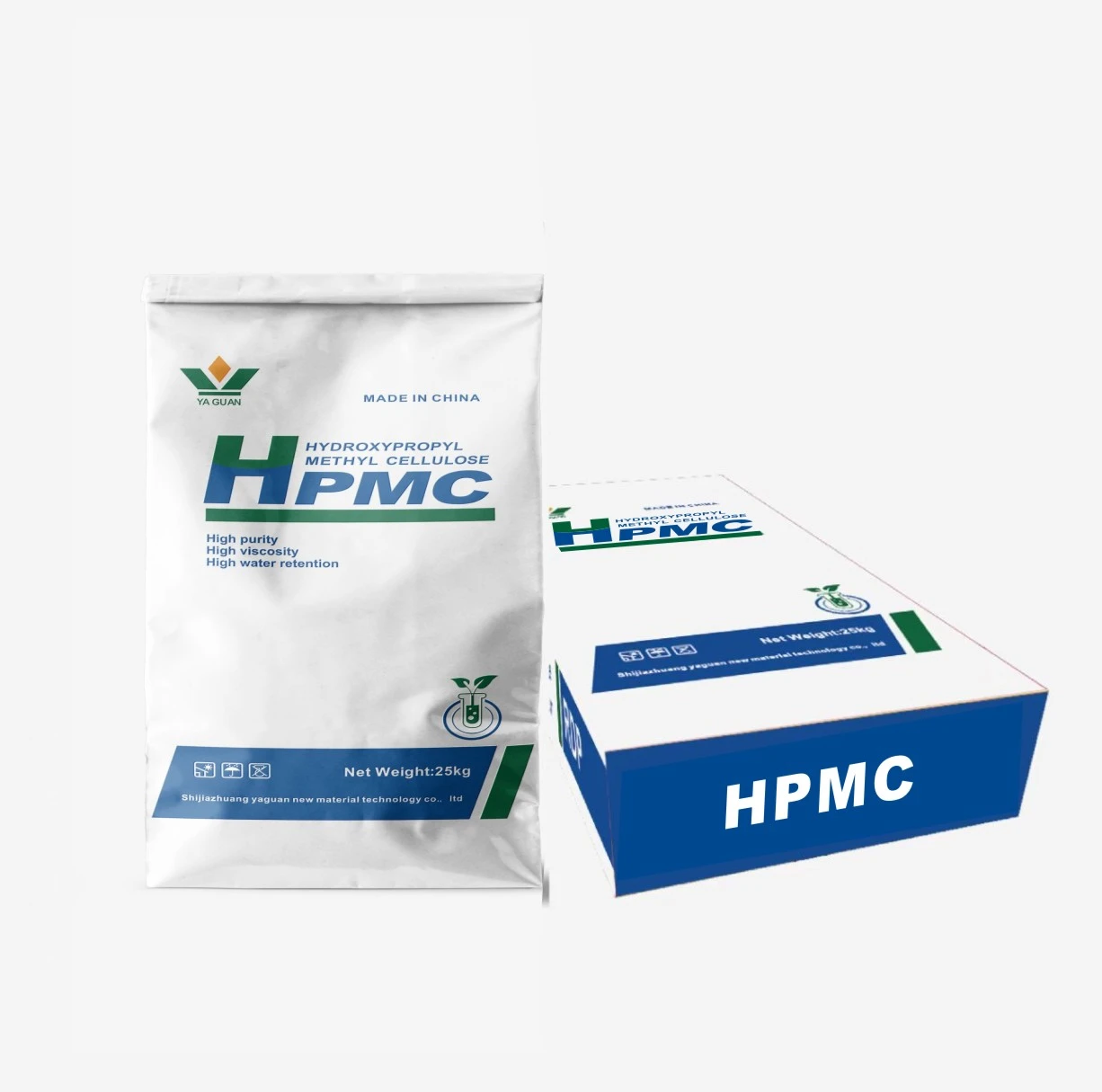

The Essential Guide to High Viscosity HPMC: Why This Polymer Matters Globally
Ever stumbled upon high viscosity HPMC while browsing construction materials or pharmaceutical ingredients and thought, "What is this stuff exactly and why do so many industries lean on it?" Well, you’re not alone. High viscosity hydroxypropyl methylcellulose (HPMC) is a versatile polymer whose significance stretches from building skyscrapers to making life-saving medicines. Grasping what it is and how it’s applied can actually provide a clearer picture of global industrial trends and humanitarian efforts alike.
Why does understanding high viscosity hpmc matter? Because, frankly, it’s at the crossroads of innovation, sustainability, and practicality — three pillars that are shaping how we build, heal, and create worldwide.
Setting the Stage: High Viscosity HPMC’s Global Role Today
Around the world, industries are under increasing pressure to optimize resources while maintaining quality and safety. Consider global construction statistics reported by the International Organization for Standardization (ISO): the demand for adaptable, dependable building materials has surged by roughly 30% over the past decade.
In pharmaceuticals, the need for reliable excipients — substances used to prepare drug products — also keeps climbing, with the UN’s World Health Organization underscoring safety and sustainability as key benchmarks. This is where high viscosity hpmc steps into the limelight, offering solution-driven properties.
Still, challenges persist. How to balance cost with top-tier performance? How to design materials that serve both emergent economies and mature industries? High viscosity hpmc answers some of those questions with its unique characteristics.
What Is High Viscosity HPMC, Anyway?
Let’s define this fairly simply: Hydroxypropyl Methylcellulose (HPMC) is a cellulose derivative — basically, it’s chemically modified plant fiber, engineered to behave predictably under various conditions. The “high viscosity” bit means it thickens solutions more than its low or medium counterparts, which is a subtle but massive difference in practical use.
It’s used primarily as a thickener, binder, film former, and stabilizer across diverse industries: from adhesives and paints to pharmaceuticals and building products.
You could say it’s a modern industrial Swiss Army knife, perfectly crafted to meet both rigorous mechanical and chemical requirements — and that’s why modern industries and humanitarian organizations value it so much.
Key Components That Make High Viscosity HPMC Stand Out
1. Rheological Properties (Flow & Thickening)
The viscosity in “high viscosity hpmc” essentially refers to how the polymer influences the thickness and flow behavior of mixtures. It gels and stabilizes thanks to its molecular structure — which translates into smoother application in mortars or better suspension in pharmaceutical formulations. Many engineers say it’s a lifesaver when consistent texture is non-negotiable.
2. Water Retention & Film Formation
This polymer’s ability to hold water and form films is crucial both in construction (think: cement mortars) and controlled drug release mechanisms. By controlling moisture, products last longer and behave more predictably, which is especially beneficial in extreme climates.
3. Chemical Stability
In harsh chemical environments, high viscosity hpmc resists breakdown, unlike many natural alternatives. This feature drives its adoption in everything from oil drilling fluids to specialized paints.
4. Biocompatibility & Safety
Its safety profile makes it ideal for pharmaceutical and food-related uses. It’s non-toxic, non-irritant, and metabolically inert, which is often a strict requirement for excipients.
Mini Takeaway:
So far, high viscosity hpmc’s core strengths are its controlled thickening behavior, moisture management, chemical durability, and biocompatibility — a neat package designed for versatility.
How High Viscosity HPMC Drives Industries and Regions Worldwide
Around the globe, you’ll find high viscosity hpmc applied in some pretty intriguing ways:
- Construction: From Asia’s booming high-rise markets to Europe’s renovation projects, it enhances cement-based mixtures for improved workability and durability.
- Pharmaceuticals: Everywhere—from North American hospitals to African clinics—it’s used to create controlled-release tablets and gel capsules.
- Food Industry: Used as a stabilizer, helping improve texture and shelf life in processed foods across the Americas and Europe.
- Post-Disaster Relief: NGOs use fast-setting mortar mixes with high viscosity hpmc for quick rebuilding in earthquake zones like Nepal or typhoon-struck Indonesia.
- Cosmetics: It thickens creams and lotions, catering to both high-end brands in Europe and mass markets globally.
Mini Takeaway:
The versatility spans continents and sectors — it’s not just a niche material but a staple for modern production under varying constraints.
The Real Advantages of Using High Viscosity HPMC
What’s the real deal behind this polymer’s popularity? Here’s a quick rundown:
- Cost Efficiency: Saves money by reducing raw material waste and improving product lifespan.
- Sustainability: Derived from renewable cellulose; biodegradable options are available, aligning with green initiatives.
- Reliability: Consistent performance means less guesswork on site or in the lab.
- Social Impact: Used in humanitarian contexts, it helps ensure the dignity and safety of affected populations.
- Innovation: Provides formulation flexibility that sparks product development breakthroughs.
Future Trends: What’s Next for High Viscosity HPMC?
The future feels exciting. Innovations in bio-based polymers mean we might soon see superior, even greener HPMC grades emerging. Digital automation in manufacturing will lead to ultra-consistent batches, cutting down on material waste.
Also worth watching: integration with nanomaterials for enhanced mechanical or barrier properties—imagine paint that self-heals or tablets that smart-release based on body temperature. That’s roughly where we’re headed.
Common Challenges and How Experts Tackle Them
Handling high viscosity hpmc isn’t without quirks. Its thickening effect can sometimes complicate mixing or dosing, especially in high-volume productions. And temperature sensitivity means storage and transport have to be carefully managed.
However, new processing techniques (like pre-dispersed formulations) and improved supplier-customer collaborations help overcome these issues. Plus, customer education on correct usage remains a pivotal piece.
Product Specifications Table
| Specification | Typical Value | Unit | Comments |
|---|---|---|---|
| Viscosity (2% solution) | 4000 – 6000 | mPa·s (Brookfield) | Measures solution thickness |
| Methoxy Content | 28 – 30 | % | Affects solubility & film formation |
| Hydroxypropyl Content | 7 – 12 | % | Impacts water retention & stability |
| Moisture Content | 5 – 7 | % | Storage sensitive |
| pH (1% solution) | 5 – 8 | — | Neutral to slightly acidic |
Vendor Comparison: Top Suppliers of High Viscosity HPMC
| Vendor | Viscosity Range | Global Reach | Price Range | USP |
|---|---|---|---|---|
| Vendor A | 3500 – 7000 mPa·s | Worldwide | $$$ | Premium purity & customization |
| Vendor B | 4000 – 6000 mPa·s | Asia, Europe | $$ | Competitive pricing & reliable supply |
| Vendor C | 3000 – 6500 mPa·s | North America & Europe | $$$ | Sustainable raw material sourcing |
Frequently Asked Questions About High Viscosity HPMC
Q1: What distinguishes high viscosity HPMC from other types?
High viscosity HPMC differs mainly in how thick it makes solutions, generally above 3000 mPa·s. This makes it ideal when stronger thickening and better film-forming properties are required compared to lower viscosity grades.
Q2: How does this polymer enhance construction materials?
It improves water retention in cement mixes, which slows drying and enhances workability. This yields more durable, crack-resistant structures with smoother finishes.
Q3: Is high viscosity HPMC safe for pharmaceutical use?
Absolutely. It’s widely approved as a safe, inert excipient that helps control drug release and stabilize formulas without reacting with active ingredients.
Q4: How should high viscosity HPMC be stored?
Store in a cool, dry place away from direct sunlight to prevent moisture uptake that can alter its performance characteristics.
Q5: Can this material be used in eco-friendly products?
Yes, many suppliers offer grades derived from renewable cellulose sources, and since it’s biodegradable, it aligns with green product development goals.
Wrapping It Up: The Future Is Thick — and Promising
High viscosity hpmc isn’t just “another polymer.” It represents a convergence of industrial efficiency, sustainability, and human welfare. Though it requires careful handling and thoughtful application, its benefits continue to ripple through global markets from East to West, from labs to construction sites, and from crisis zones to consumer shelves. For anyone invested in materials science or supply chain innovation, keeping an eye on high viscosity hpmc is, frankly, a good idea.
Interested? Dive deeper and explore product specs, buying options, and technical guides at https://www.yaguanhpmc.com.