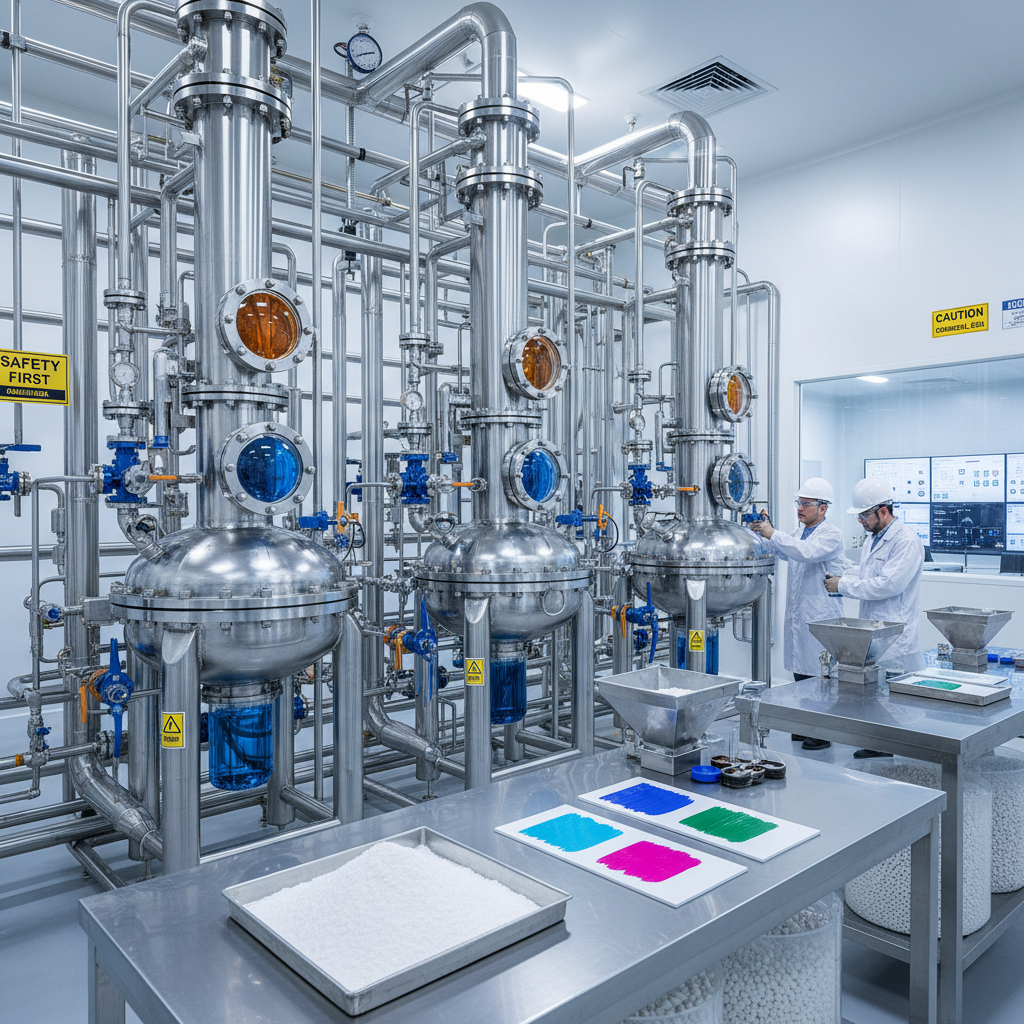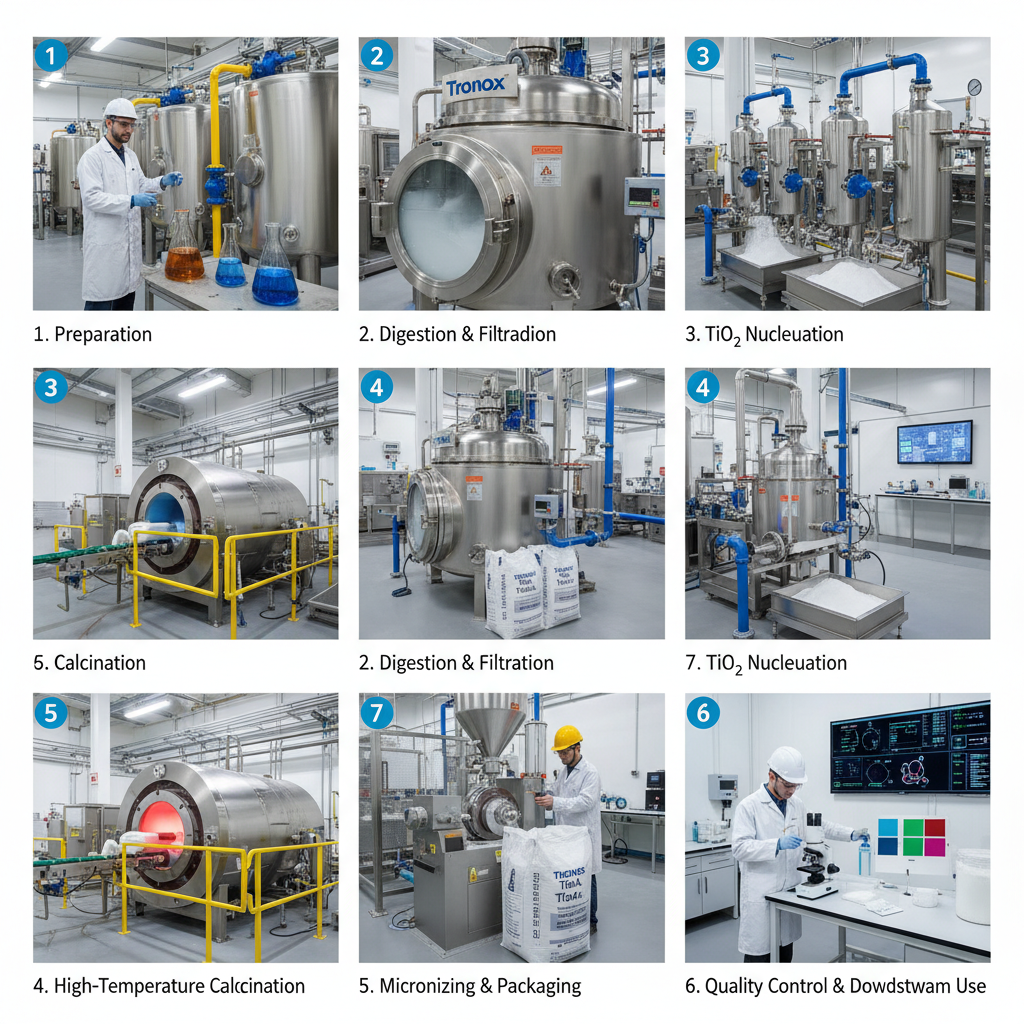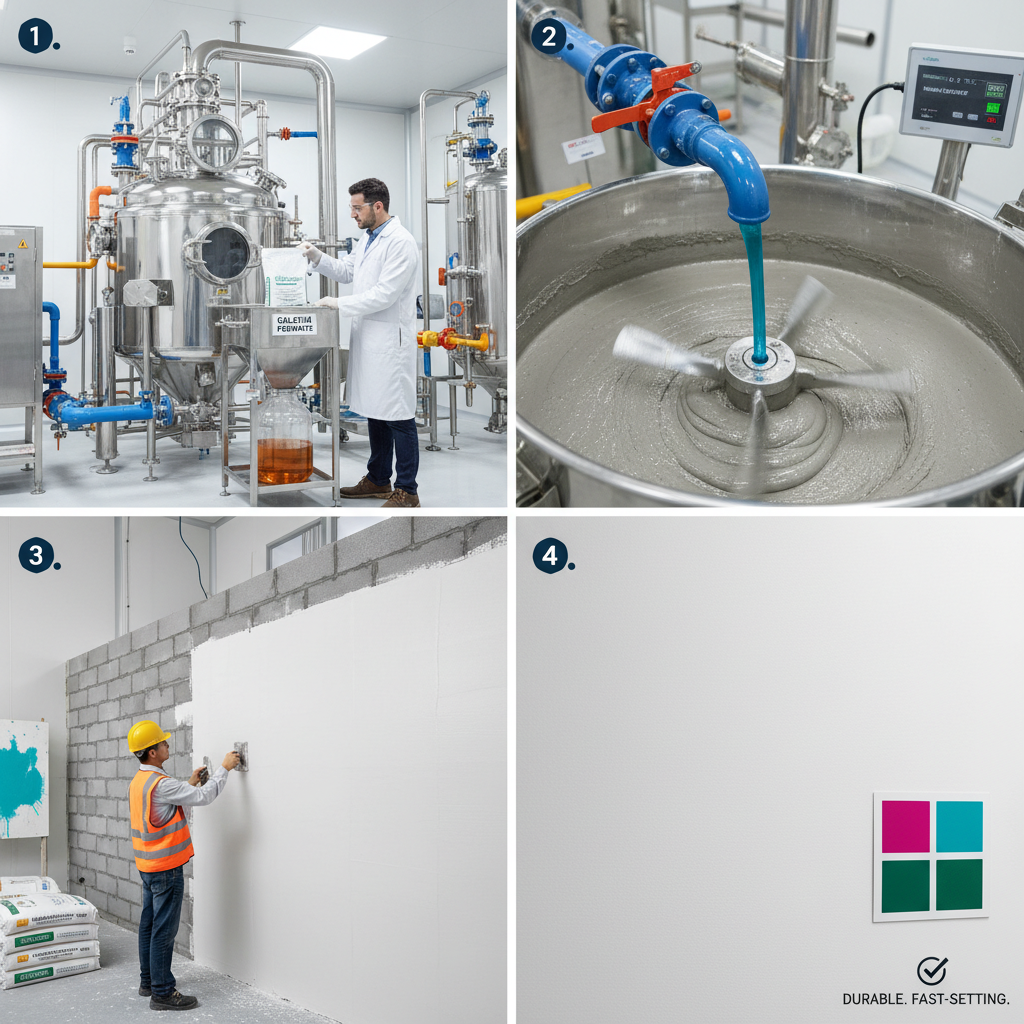

Procuring high-performance concrete admixtures requires a delicate balance between technical specifications and budget constraints. When analyzing the polycarboxylate superplasticizer price, procurement officers often find that the nominal cost per kilogram is a misleading metric if viewed in isolation from the water-reduction efficiency and long-term structural integrity it provides.
The volatility of raw material costs in the synthetic materials sector means that pricing for PCE (Polycarboxylate Ether) is subject to frequent shifts. However, the real value lies in the "dosage-to-performance" ratio, where a slightly higher initial investment in a premium superplasticizer can lead to significant savings in cement consumption and overall project timelines.
For industrial buyers and construction firms, understanding the drivers behind these price fluctuations is essential for strategic sourcing. By examining the intersection of chemical purity, viscosity, and manufacturing scale, companies can optimize their supply chains without compromising the plasticity or workability of their mortar and concrete solutions.

Understanding the Core Drivers of Superplasticizer Market Pricing

The pricing of polycarboxylate superplasticizers is not a static figure but a reflection of complex chemical engineering and raw material availability. At its core, the cost is influenced by the synthesis process of the ether monomers and the degree of polymerization achieved during production. High-purity PCE requires precise control over the molecular architecture to ensure optimal steric hindrance, which naturally adds to the manufacturing overhead.
Beyond the lab, macroeconomic factors such as energy costs for large-scale reactors and the logistics of transporting chemical powders play a significant role. When suppliers offer a low polycarboxylate superplasticizer price, it is critical to investigate whether the dilution ratio or the solids content has been altered, as these factors directly impact the amount of product required per cubic meter of concrete.
Moreover, the scale of production heavily influences the unit price. Facilities with high annual output and integrated production lines can leverage economies of scale to reduce costs, passing those savings to the consumer. This is why partnering with established manufacturers who maintain robust R&D centers allows for a more stable pricing structure through optimized synthesis routes.
Technical Determinants of PCE Value and Performance Efficiency
The technical value of a superplasticizer is measured by its ability to increase the plasticity of mortar and improve workability without adding excess water. This is achieved through the adsorption of the polycarboxylate chains onto the cement particles, creating a repulsive force that prevents flocculation. The sophistication of this molecular design determines how much "water reduction" a product can actually achieve.
Key performance indicators include the viscosity of the final solution and the water retention rate. For instance, a product that maintains a water retention rate of ≥92% ensures that the mortar does not dry too quickly, preventing premature solidification and the subsequent cracking that often plagues fast-drying construction sites. This stability directly reduces the cost of rework and material waste.
Additionally, the compatibility of the PCE with different cement types (such as Portland or slag cements) varies. A "cheap" superplasticizer may fail to maintain workability in specific environmental conditions or with certain aggregate types, leading to an increase in the total cost of ownership due to unpredictable setting times or loss of strength.
Strategic Application Scenarios for High-Range Water Reducers
Polycarboxylate superplasticizers are indispensable in high-performance concrete (HPC) and self-compacting concrete (SCC). In these scenarios, the goal is to achieve maximum density and strength with minimal water content. By utilizing these additives, engineers can create concrete that flows easily into complex formwork and around dense reinforcement bars without the need for mechanical vibration.
In the realm of dry-mix mortars, the integration of PCE alongside HPMC (Hydroxypropyl Methylcellulose) and RDP (Redispersible Polymer Powder) creates a synergistic effect. While HPMC focuses on water retention and preventing slipping, the PCE ensures the mortar remains plastic and easy to apply, significantly increasing the working efficiency of laborers on site.
Furthermore, specialized construction such as bridge piers, skyscrapers, and underwater foundations rely on the enhanced binding performance provided by high-grade superplasticizers. The ability to control the setting time and maintain flowability over long transport distances is a critical requirement that justifies the investment in premium chemical solutions.
Analyzing the Performance Correlation Between Dosage and Cost
To evaluate whether a specific polycarboxylate superplasticizer price is justified, one must look at the performance curve. As the dosage of PCE increases, the water reduction percentage typically rises until it reaches a plateau. The goal for any procurement strategy is to identify the "economic dosage"—the point where the cost of the additive is offset by the reduction in cement volume.
When comparing standard grade admixtures with high-performance variants, the latter often shows a steeper performance increase at lower dosages. This means that while the price per kg is higher, the actual quantity needed per project is lower, potentially reducing the overall chemical expenditure.
PCE Efficiency Metrics vs. Standard Admixtures
The chart demonstrates that utilizing a precision-engineered PCE can lead to higher workability and water reduction rates compared to legacy admixtures. This efficiency not only protects the concrete from cracking due to insufficient water mixing but also enhances the structural longevity of the finished asset.
Procurement Frameworks for Optimizing Chemical Admixture Sourcing
Effective procurement of specialized chemicals requires moving beyond a simple price-per-ton analysis. A robust framework involves validating the supplier's production capacity and their ability to provide customized formulations. For instance, Shijiazhuang Yaguan New Material Technology Co., Ltd. integrates R&D with production, ensuring that the final product matches the specific environmental requirements of the construction site.
Buyers should request technical data sheets that specify the degree of fineness (e.g., >96% at 100 mesh) and pH values to ensure the chemical stability of the product. Verifying the consistency of these parameters across different batches is the only way to prevent unpredictable behavior in the concrete mix, which could otherwise lead to costly project delays.
Finally, sourcing through a one-stop provider who can supply complementary products like PP Fiber and RDP can reduce logistics costs and simplify quality control. When the entire additive package is synchronized, the risk of chemical incompatibility is minimized, ensuring a more predictable and higher-quality result.
Evolution of Synthetic Material Trends in Modern Construction
The industry is shifting toward "smart" admixtures that can adapt to varying temperatures and moisture levels. Future developments in polycarboxylate chemistry are likely to focus on increasing the biodegradable nature of the polymers without sacrificing their dispersing power. This trend is driven by global sustainability mandates and the need for greener building materials.
Additionally, the integration of nano-materials with PCE is expected to further enhance the early-age strength of concrete. Such innovations could allow for faster formwork removal, significantly accelerating the construction cycle of high-rise buildings. However, the adoption of these technologies will depend on the stabilization of their production costs.
Automation in the mixing process is also changing how superplasticizers are used. Digital dosing systems can now adjust the PCE concentration in real-time based on the moisture content of the sand and aggregate, ensuring that the precise economic dosage is always maintained, regardless of raw material variability.
Comparative Evaluation of PCE Grade and Economic Viability
When deciding which grade of superplasticizer to implement, it is necessary to map the technical requirements of the project against the available product specifications. A low-strength residential project may only require a standard grade PCE, whereas a high-load industrial floor requires a premium grade with superior slump retention and higher solids content.
The following table provides a decision-matrix for procurement managers to evaluate different PCE application models based on performance and cost drivers.
| Product Grade | Primary Use Case | Key Performance Driver | Cost Impact Factor |
|---|---|---|---|
| Standard PCE | General Concrete | Basic Water Reduction | Low Unit Price |
| High-Range PCE | Precast Elements | Rapid Strength Gain | Moderate Dosage |
| Slump-Retaining | Long-Distance Transport | Delayed Setting Time | Polymer Chain Length |
| Specialized PCE | Extreme Cold Weather | Low-Temp Activity | Additive Modification |
| Ultra-High Grade | Bridge Girders | Max Water Reduction | High Pure Monomers |
| Customized Blend | Industrial Mortars | Viscosity Control | R&D Formulation |
Ultimately, the goal is to match the chemical's capabilities to the structural demands. By focusing on the total cost per cubic meter of concrete rather than the price per kilogram of the additive, firms can ensure structural excellence while maintaining budgetary discipline.
Frequently Asked Questions
Conclusion
Navigating the complexities of the polycarboxylate superplasticizer price requires a shift in perspective from "cost of purchase" to "cost of performance." By prioritizing technical indicators such as water retention and molecular stability, procurement managers can secure materials that not only meet budget targets but also ensure the structural integrity of their projects.
For those seeking reliable, high-performance chemical solutions and customized formulations, the expertise offered by industry leaders is invaluable. Interested parties evaluating their current additive strategy can review the relevant product and company information available through www.yaguanhpmc.com to optimize their concrete and mortar performance.