

Why Water Reducing Admixtures Matter in Today's Concrete Work
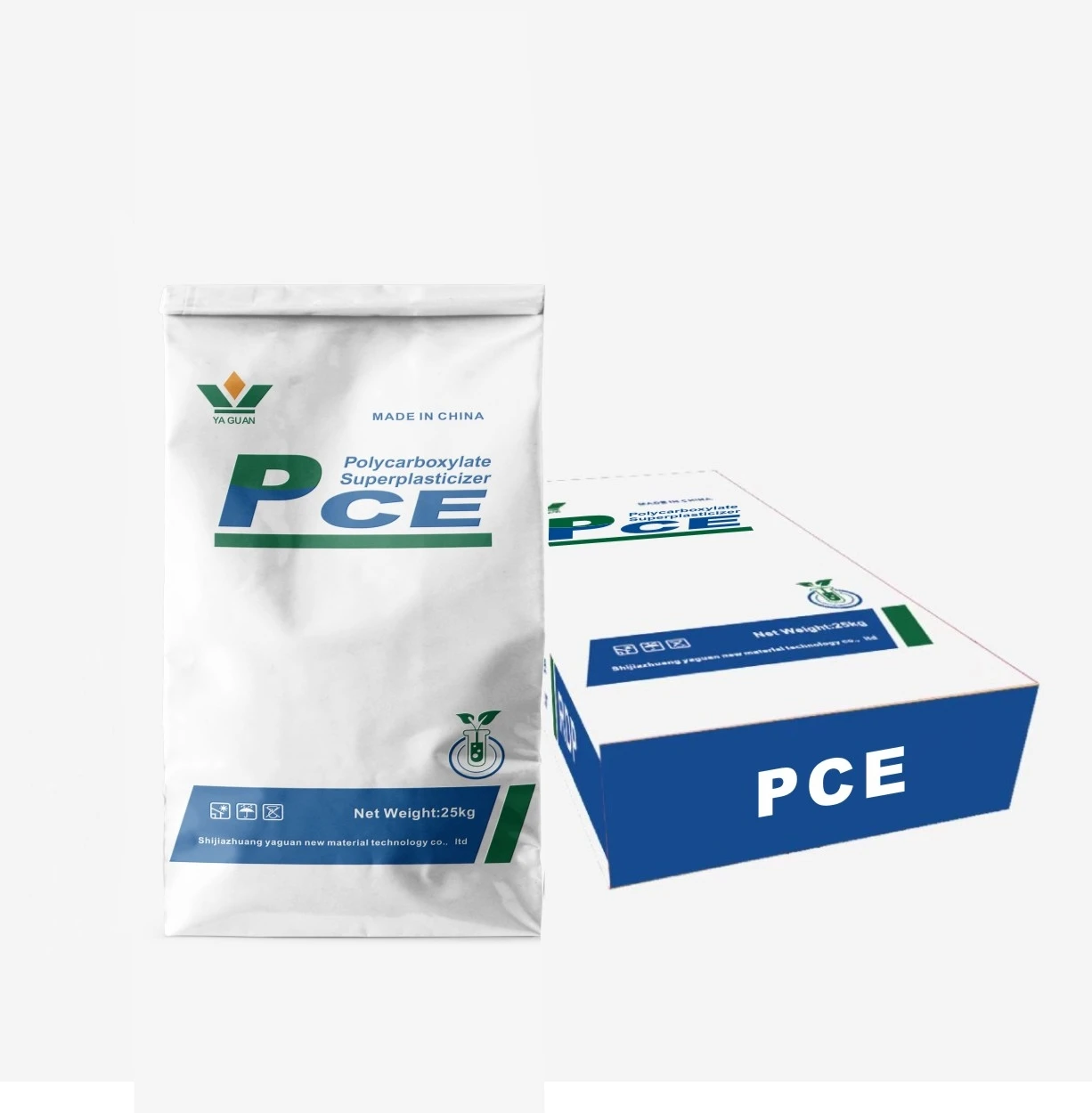
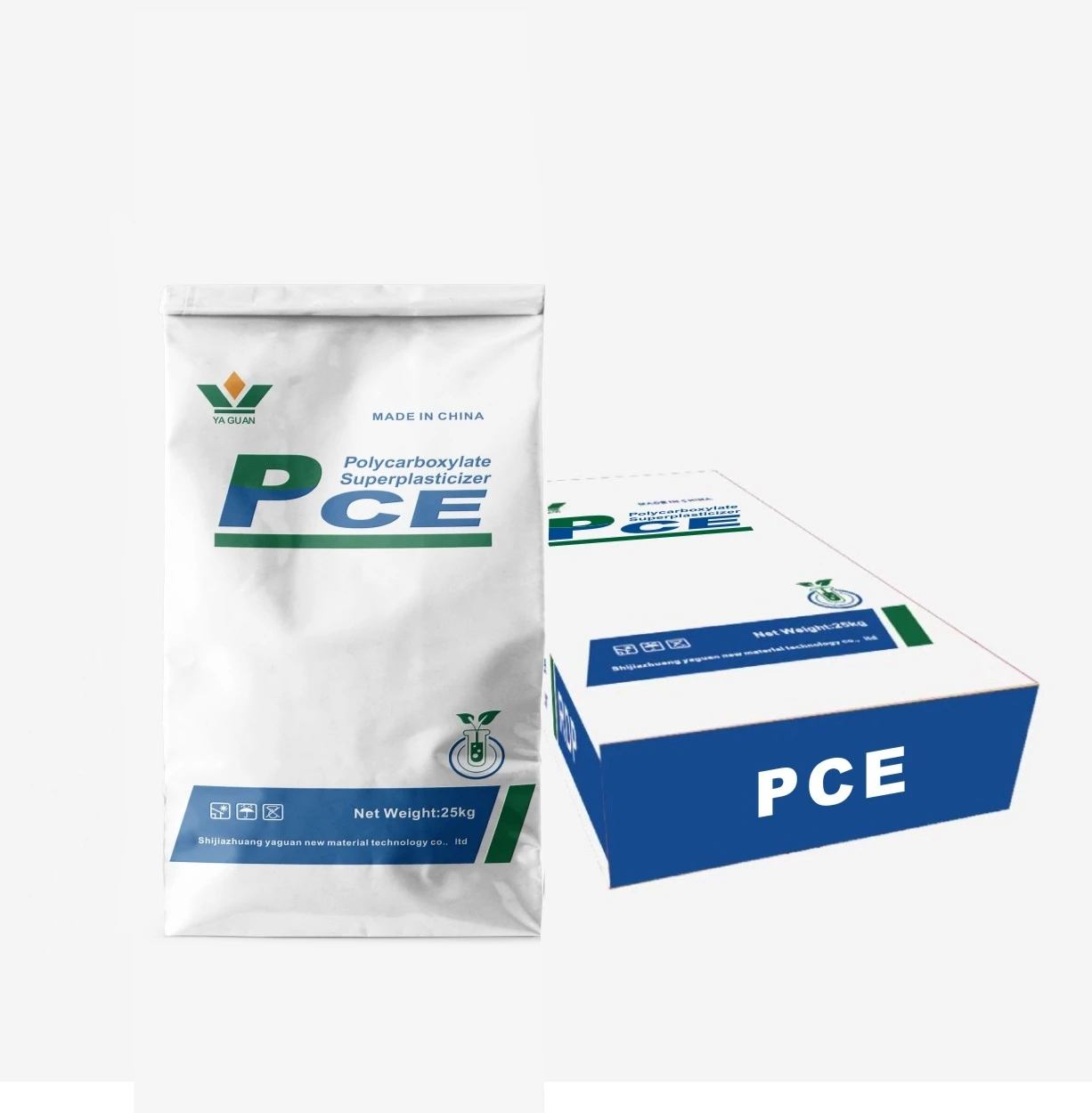
Having worked in the industrial equipment sector for a good stretch now, I can tell you one constant: concrete is rarely just concrete. It’s a cocktail of science, practical need, and good old trial and error. One ingredient that’s quietly revolutionized concrete mix designs is the water reducing admixture. You might think of it as just another chemical, but these additives - especially water reducing admixtures - help solve some of the long-standing headaches engineers face on site.
To put it simply: these admixtures reduce the water needed in a mix without compromising workability. Less water means stronger concrete after curing. I’ve seen countless projects where swapping to a quality water reducing admixture improved the final product noticeably — smoother surfaces, fewer cracks, and better durability overall.
How the Application Benefits Construction and Industrial Projects
Oddly enough, it’s one of those things many newcomers overlook. They pour concrete, add water, and move on. But adding a water reducing admixture changes the mix’s behavior fundamentally. For instance, it allows you to maintain the flow and consistency you want without going overboard on water — a win-win for pumping, forming, and finishing.
Industrially, the stakes are even higher. Imagine precast concrete factories or big infrastructure projects where consistency is key. Using these admixtures guarantees not only workability but also a predictable strength profile, reducing waste and callbacks. Many engineers I know swear by these products in tough climates or challenging pours.
| Specification | Typical Value | Unit |
|---|---|---|
| Appearance | Brown Liquid | - |
| pH Value | 6.5 - 8.0 | - |
| Solid Content | 40 - 45 | % |
| Water Reduction Rate | 8 - 15 | % |
| Density (20°C) | 1.05 - 1.10 | g/cm³ |
Choosing Between Vendors: What I've Learned Over the Years
From my experience, not all water reducing admixtures are created equal. You’ll find a range of grades, from basic plasticizers to advanced superplasticizers. Some brands promise the moon, but a few key players consistently deliver quality and reliable performance on-site.
| Vendor | Water Reduction (%) | Compatibility | Price Range | Availability |
|---|---|---|---|---|
| Yaguan | 10 - 15 | High (cement, fly ash) | Mid | Global |
| Vendor B | 8 - 12 | Medium (cement only) | Low | Regional |
| Vendor C | 7 - 10 | Low (limited cement types) | High | International |
One project I recall involved a precast facility struggling with their slump consistency due to variable supply quality. Switching their admixture supplier to a reliable one with a broader water reduction range made all the difference. The plant manager later told me that, frankly, they saved weeks in adjustments and material costs.
In real terms, water reducing admixtures give you better control over your concrete’s strength and workability — crucial when deadlines and specs don’t budge.
Quick Notes on Testing and Usage
You can't just pour these in willy-nilly. Testing is paramount. Most quality admixtures come with recommended dosage ranges, which should be verified by lab or field trials before scaling. I’ve seen engineers underdose and be disappointed, then crank it up too high and see unintended delays in setting times.
Once dialed in, though, it streamlines work significantly. Pumping concrete becomes easier. Finishing crews get a better texture to work with. And you don’t have to worry about excessive bleeding or segregation as much.
Honestly, after years around sites, it's these little chemical tweaks that often keep a project on track, especially on large pours or faster schedules. It’s almost like a secret weapon.
So next time you’re mixing concrete for an industrial job, remember the humble yet mighty water reducing admixtures. They might just save you some headaches — and save your client some dollars.
References and further reading:
- ACI 212.3R-10: Chemical Admixtures for Concrete - American Concrete Institute
- “Concrete Admixtures Handbook,” V. Ramachandran, 2005.
- Yaguan Technical Specs and Application Guides, 2023 Release.