
Understanding an Example of Water Reducing Admixture: Why It Matters
Concrete, the backbone of construction worldwide, has long been in need of performance boosters that trim water use without compromising strength. An example of water reducing admixture stands at the intersection of innovation and sustainability, helping concrete producers reduce water content while maintaining workability. But why is this so crucial? Globally, construction accounts for a significant chunk of fresh water usage and CO₂ emissions. Introducing effective water reducers can mean stronger, more durable structures with less environmental impact — a win-win for engineers, developers, and cities alike.
Global Context: The Rising Role of Water Reducing Admixtures
The global construction market was valued at approximately $12 trillion in 2023, and it’s growing rapidly especially in emerging economies. Yet, with urbanization comes a pressing need to optimize resources. According to the United Nations Environment Programme (UNEP), the building and construction sector consumes about 36% of global energy and produces around 39% of total CO₂ emissions, a large chunk of this linked to cement production and water use during mixing.
Water reducing admixtures tackle one key challenge: reducing the water-cement ratio to improve concrete's strength and durability without making it difficult to pour or shape. The industry has embraced this approach as a solution that supports sustainable growth, particularly in water-scarce regions or climate-sensitive zones.
What Exactly Is an Example of Water Reducing Admixture?
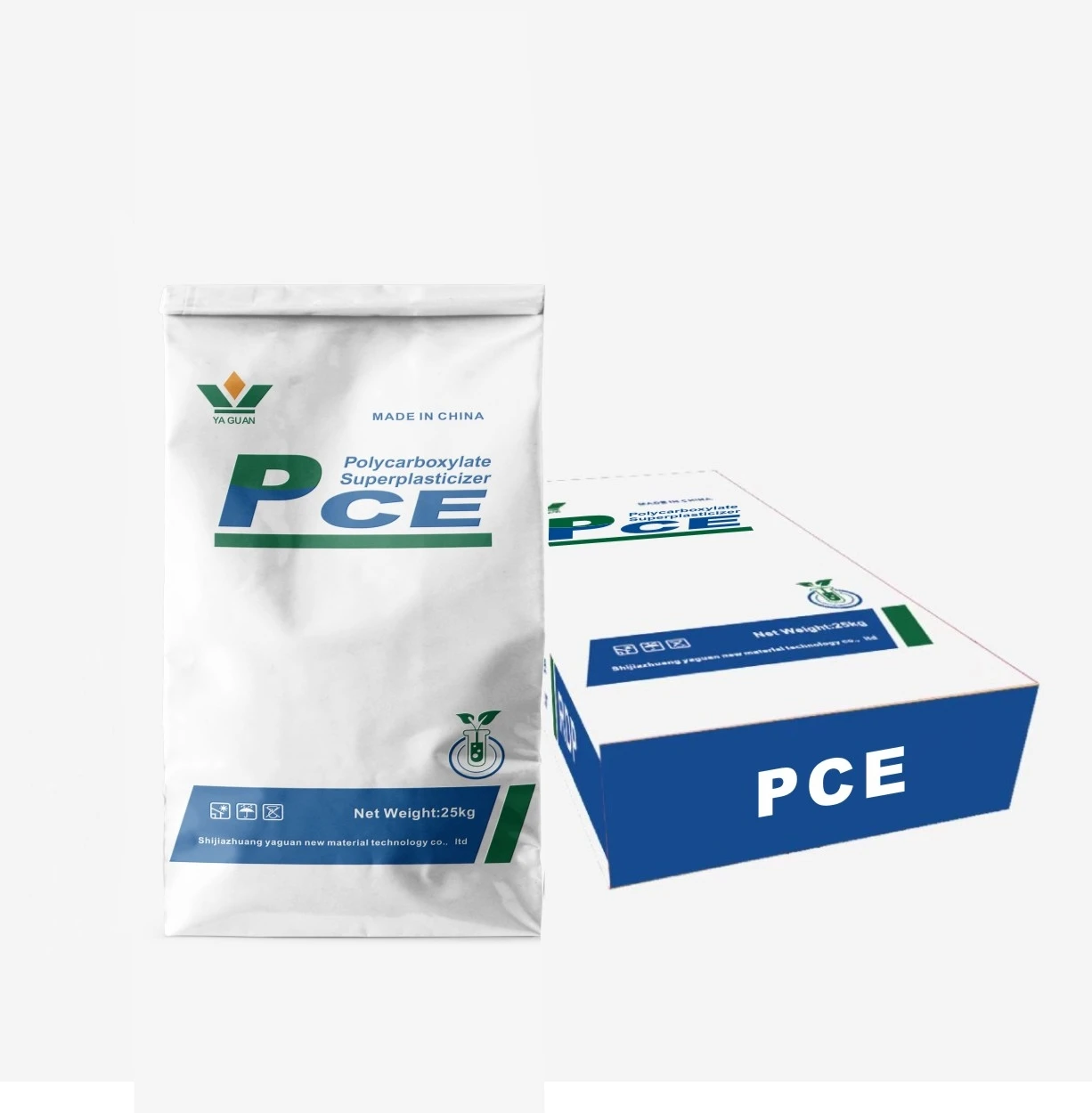
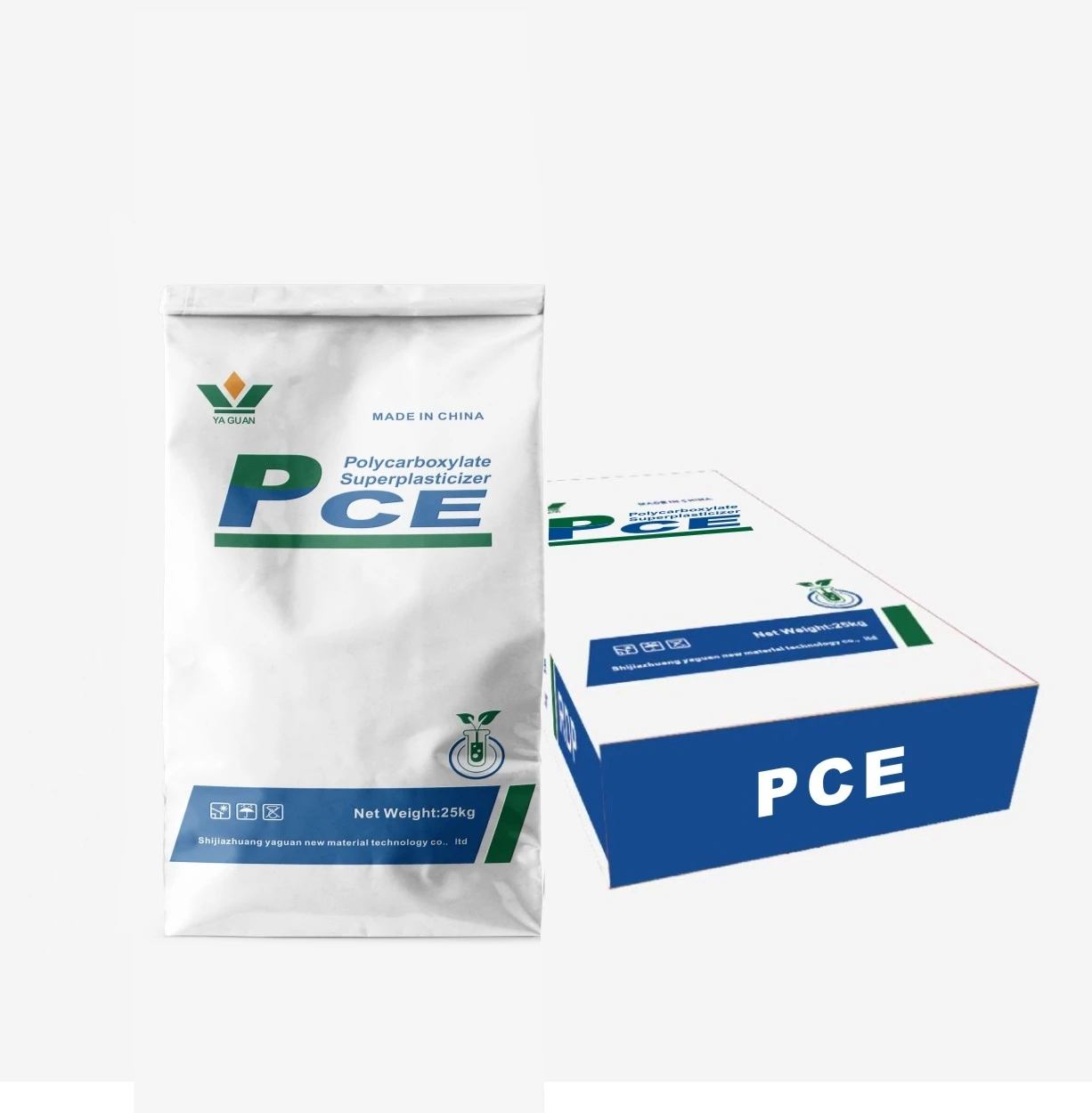
To put it simply, a water reducing admixture is a chemical additive that can lower the amount of mixing water required for concrete while keeping it workable. Imagine baking bread: if you add more water, the dough is sticky and soft, but it can lose strength when baked. In concrete, water plays a similar dual role — too much weakens the structure, too little makes it tough to handle. These admixtures (often based on polymers like polycarboxylates or lignosulfonates) cleverly allow you to use less water but still have flowability, making the mix both strong and machine-friendly.
This means faster, cheaper construction that meets high standards—a necessity for everything from skyscrapers to humanitarian shelters.
Key Characteristics of Water Reducing Admixtures
1. Durability Enhancement
One of the most important factors is how these admixtures improve concrete’s lifespan. Reducing water means fewer pores and cracks, giving structures better resistance to weathering.
2. Workability and Flowability
Even with less water, concrete must stay fluid enough to pour and shape easily. Water reducers work by dispersing cement particles, preventing clumping and sticking.
3. Cost Efficiency
Less water means tighter, stronger concrete, often allowing for reduced cement content too. This can translate to significant savings in materials and labor.
4. Environmental Impact
Lower water and cement use reduce CO₂ emissions and conserve precious water resources — a critical advantage given global climate challenges.
5. Compatibility With Other Additives
Modern concrete mixes often include multiple additives. A good water reducer plays well with others like accelerators or superplasticizers, offering versatility.
Mini Takeaway:
An example of water reducing admixture offers a delicate balance — boosting strength, preserving workability, and cutting costs and environmental impact all at once.
Real-World Applications Around the World
You’ll find water reducing admixtures in action across a range of settings:
- Urban Infrastructure: High-rise buildings in Shanghai or Dubai rely on these admixtures to gain strength without slowing construction schedules.
- Disaster Relief: After storms or earthquakes, quick-setting, durable concrete with water reducers provides emergency shelters and rebuilding.
- Remote Industrial Zones: Limited water supply in places like the Middle East or African mining sites makes these admixtures essential for concrete work.
- Green Construction: Many LEED-certified projects adopt admixtures to lower environmental footprints and enhance building longevity.
Advantages and Long-Term Value
Besides the obvious technical gains, the benefits go deeper:
- Cost Savings: Reducing cement and water lowers raw material and labor costs.
- Sustainability: Supports circular economy goals by optimizing resource use.
- Durability: Longevity means less frequent repairs, saving money and carbon.
- Safety & Trust: Contractors and buildings owners can trust concrete quality, reducing risks.
- Innovation: Enables modern designs and faster timelines.
Example of Water Reducing Admixture — Specification Table
| Property | Typical Value | Unit |
|---|---|---|
| Water Reduction | 10-20 | % |
| Density | 1.1 | g/cm³ |
| pH | 6 - 8 | - |
| Chloride Content | % | |
| Dosage | 0.2 - 1.0 | % by weight of cement |
Comparing Water Reducing Admixture Vendors
| Vendor | Water Reduction (%) | Package Types | Compatibility | Price Range |
|---|---|---|---|---|
| AgriChem | 12-16 | Liquid, Powder | High | $$$ |
| BuildTech Solutions | 15-20 | Liquid | Medium | $$$$ |
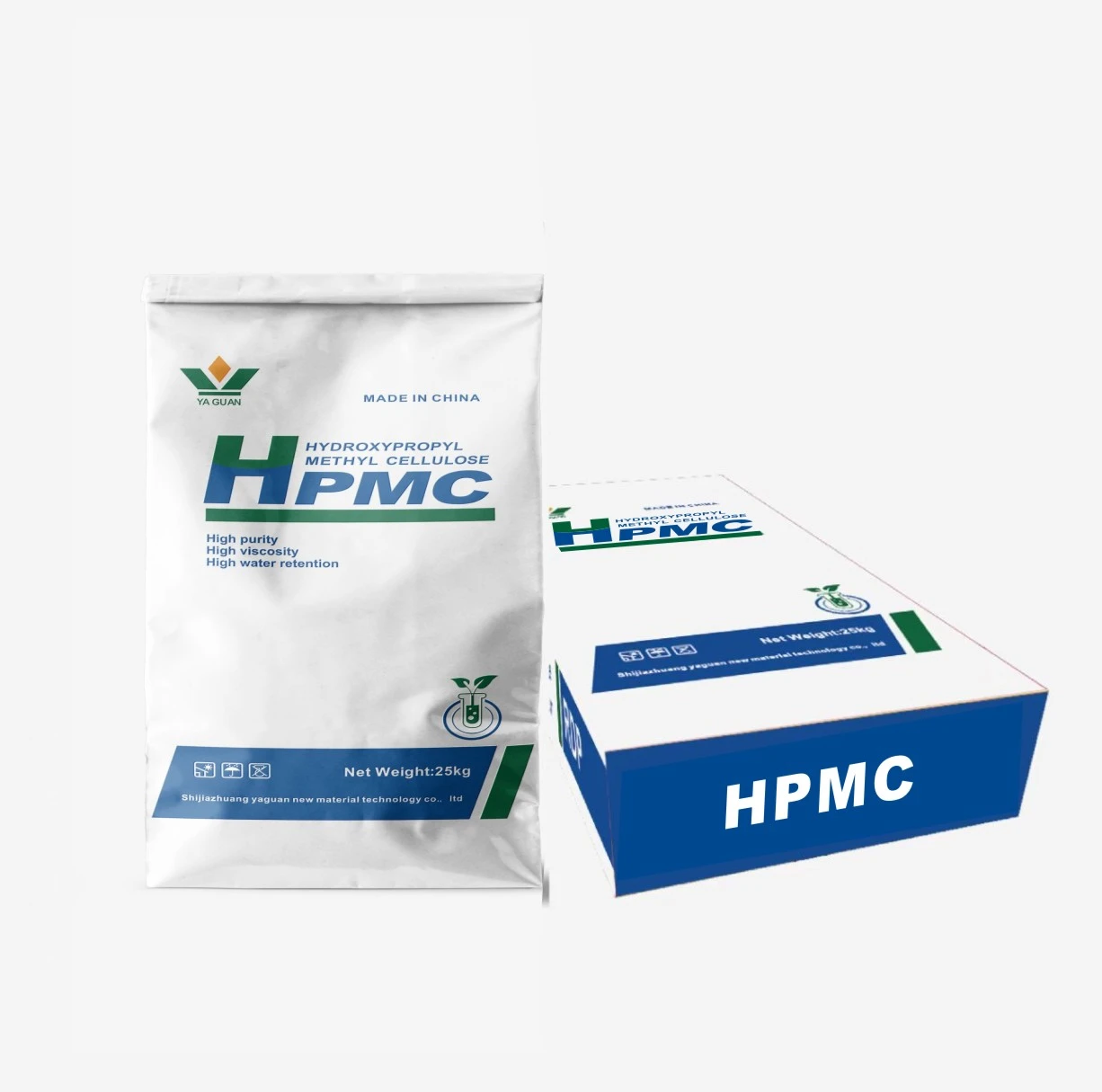
| Yaguan HPMC | 10-18 | Liquid, Powder | Very High | $$ |
Looking Ahead: Innovations and Emerging Trends
Frankly, the chemistry of water reducing admixtures isn’t standing still. There’s a push toward polymer blends that can reduce water content further while boosting durability, even in harsh environments like offshore wind farms or acidic soils. Automation-enabled dosing systems now allow precisely tuned mixes on site, making construction smarter and less wasteful.
Increasingly, the industry is steering toward greener options — bio-based or recycled additives that fit within circular resource models. Digital simulation tools help engineers optimize admixture usage before a single batch is poured. It feels like we’re on the cusp of a construction materials revolution...
Common Challenges and How Experts Overcome Them
Despite the many benefits, water reducing admixtures are not without their quirks. For instance, improper dosing can lead to setting delays or unwanted air entrainment. Variability in raw materials sometimes means what works perfectly in one batch falters in another.
Experts recommend strict quality control, routine performance tests, and mixing up brands or formulations to suit specific project climates and specifications. Partnering with vendors who offer technical support (like example of water reducing admixture) can smooth these bumps.
FAQ: Your Top Questions on Example of Water Reducing Admixture
Q1: How does a water reducing admixture improve concrete strength?
A1: By lowering the water-to-cement ratio, these admixtures reduce internal voids and porosity in hardened concrete, resulting in denser, stronger material that resists cracking under stress.
Q2: Can water reducers be used with all types of cement?
A2: Generally, yes — most water reducing admixtures are compatible with common cement types. However, compatibility testing for special cements or additives is recommended to ensure consistency.
Q3: How much water can I realistically reduce with these admixtures?
A3: Typical reductions range from 10% to 20%, depending on formulation and mix design. Overuse, however, might lead to workability issues, so dosage is key.
Q4: Are there environmental certifications linked to using these admixtures?
A4: While admixtures themselves may not carry certifications, their use contributes to green building standards like LEED by improving resource efficiency and reducing carbon footprint.
Q5: Where can I buy quality example of water reducing admixture products?
A5: Trusted suppliers like Yaguan HPMC offer proven formulations with technical support; you can check their catalog here.
Wrapping It Up: Why Knowing About Water Reducing Admixtures Pays Off
Whether you’re spec’ing concrete mixes for a high-rise or planning post-disaster rebuilds, understanding an example of water reducing admixture can save time, money, and the planet. These additives are quietly reshaping construction by enabling strength, sustainability, and smart resource use. Curious to see how it could fit in your next project? Visit our website for a deep dive into the options available.
Stay curious, and here’s to smarter building.