
Understanding Examples of Water Reducing Admixtures and Their Global Importance
If you've ever wondered how concrete gets its strength without being too bulky or how construction projects manage to save water while keeping quality high, then examples of water reducing admixtures might just be the unsung heroes you're looking for. At their core, water reducing admixtures are chemical additives that improve concrete workability by cutting the amount of water needed without compromising the mix’s strength.
Why does it matter? Globally, construction consumes vast amounts of water, a resource that’s increasingly scarce. According to the UN, the building sector accounts for nearly 36% of global energy use and significant water consumption. Water reducing admixtures are one part of the solution—making concrete production more sustainable and resilient, especially in regions where water efficiency is critical.
The Global Context: Why Water Reducing Admixtures Matter Today
Concrete is the backbone of modern infrastructure—from skyscrapers in New York to bridges in Nairobi. However, its production traditionally requires a high amount of water. The World Bank estimates that water scarcity affects over 2 billion people worldwide. In this light, adopting examples of water reducing admixtures is not merely a construction convenience but an environmental necessity.
One particular challenge is balancing the mechanical performance of concrete with sustainability goals. Excess water weakens the finished product, resulting in surface cracks or reduced lifespan. Water reducing admixtures let engineers use less water, yielding denser and more durable concrete. This is especially valuable in large-scale projects where material efficiency and reliability influence costs and safety.
What Exactly Are Water Reducing Admixtures?
Simply put, water reducing admixtures are chemical compounds added to concrete mixes to improve fluidity without extra water. They differ from plasticizers and superplasticizers mainly by degree—some simply make the mix easier to work with, while others drastically enhance flowability.
From the construction of dams and airports to building shelters in disaster-hit zones, these admixtures enable quicker setting times, superior early strength, and better volume stability. Notably, their use aligns with modern industrial needs for sustainable resource management and humanitarian efforts where rapid, reliable construction is vital.
Core Components and Their Relevance
1. Durability
Reducing water content without losing slump often results in less porous, more compact concrete. That means greater resistance to weathering and chemical attacks, leading to long-lasting infrastructure. For engineers, durability translates to fewer repairs and lower costs over time.
2. Cost Efficiency
Less water and cement required equate to savings—concrete is expensive, and additives can optimize mix proportions. It’s a win-win where upfront investment in admixtures pays off through material savings and reduced labor.
3. Workability
Water reducing admixtures improve the concrete’s slump—meaning easier placement, better finishing, and faster pumping. In busy construction sites, this efficiency can be a project’s lifesaver.
4. Environmental Sustainability
A major factor: using less water reduces environmental strain. Plus, denser concrete reduces carbonation and leaching, helping to cut down CO2 emissions indirectly.
5. Compatibility
Modern admixtures are designed to work with varied cement types and supplementary materials like fly ash or slag, providing versatility in mix designs worldwide.
Mini Takeaway:
Water reducing admixtures strike a crucial balance between performance, cost, and sustainability—a trifecta that’s reshaping construction standards globally.
Real-World Applications: From Concrete Jungles to Remote Zones
Across continents, water reducing admixtures find diverse use cases:
- Urban Construction: In high-rise concrete frames, admixtures ensure pumps operate smoothly with less water, shortening construction cycles.
- Post-Disaster Relief: After earthquakes or floods, rapid housing often relies on concrete that sets quickly and lasts, facilitated by these admixtures.
- Industrial Infrastructure: In water-stressed regions like parts of India or North Africa, reduced water usage is a necessity — here, admixtures enable sustainable industrial growth.
- Environmental Projects: Roadworks and dams benefit from admixtures' enhanced durability under harsh conditions, reducing environmental disturbance.
Product Specification Table: Typical Features of Water Reducing Admixtures
| Specification | Typical Range | Comments |
|---|---|---|
| Water Reduction Efficiency | 5–15% | Varies by chemical type and dosage |
| Dosage Rate | 0.2–1.0% by weight of cement | Depends on desired slump and mix design |
| pH Range | 6–8 | Generally neutral to slightly alkaline |
| Set Time Impact | Neutral to slight retardation | Can be formulated for faster or slower setting |
| Storage Conditions | 5–35°C, dry | Shelf life typically 6–12 months |
How Do Vendors Stack Up? A Comparison Overview
Choosing the right admixture often means balancing performance, cost, and customization. Here's a quick vendor comparison:
| Vendor | Product Type | Water Reduction | Eco Features | Price Range (USD) |
|---|---|---|---|---|
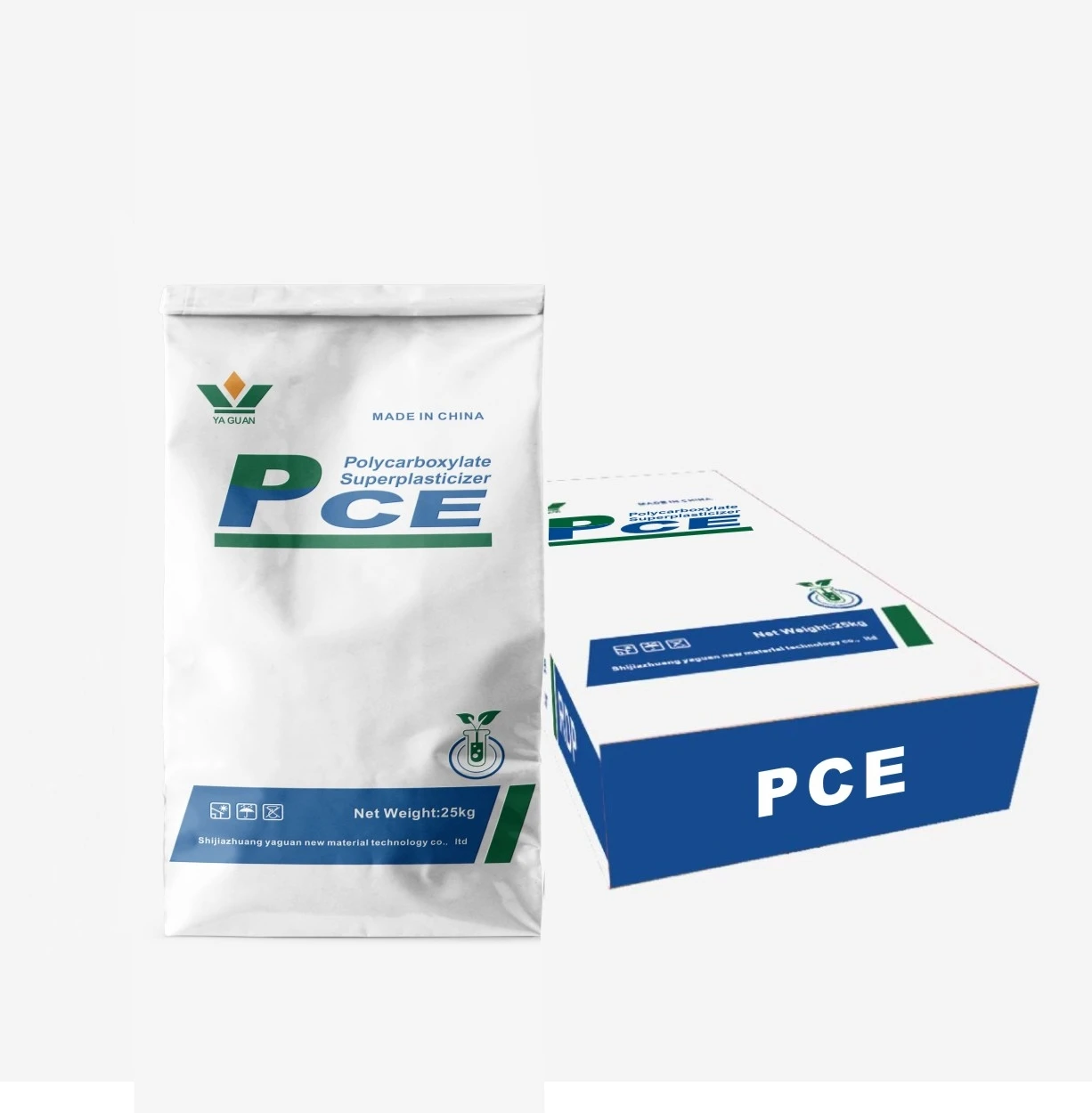
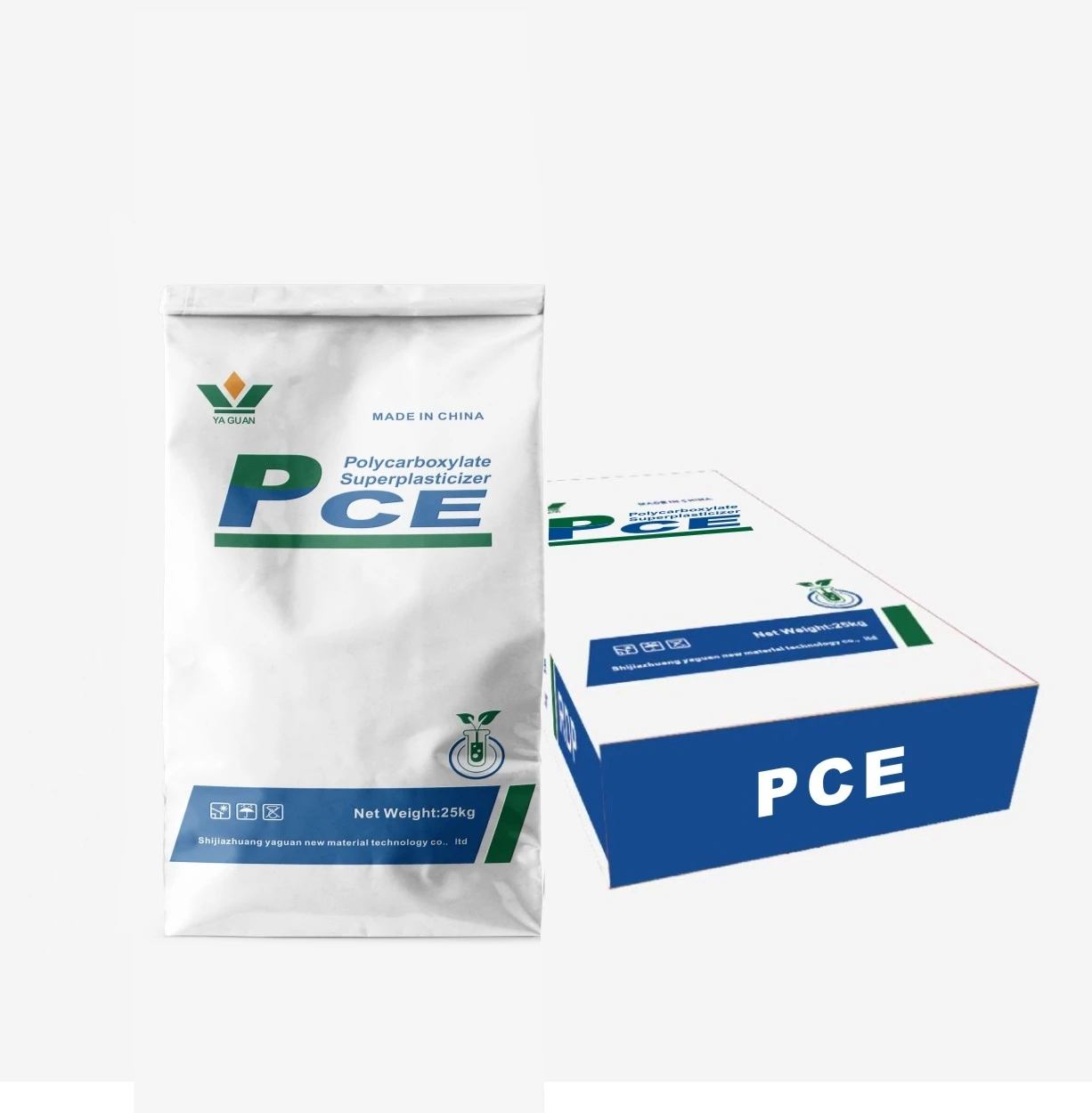
| AlphaChem Solutions | Polycarboxylate Ether-based | 12–15% | Low VOC emissions | High |
| ConcreteTech Inc. | Lignosulfonate-based | 5–8% | Biodegradable components | Medium |
| EcoMix Chemicals | Sulfonated Melamine Formaldehyde | 8–10% | Recycled raw materials | Medium-High |
Advantages and Long-Term Value You Might Not Expect
At first glance, admixtures seem pretty niche. Yet many engineers I’ve spoken to emphasize the “unlocking” potential these chemicals provide. Cost savings are obvious but there's also safety and dignity deeply tied to quality construction. Better concrete means resilient homes, safer bridges, and longer-lasting roads.
From an emotional standpoint, communities see fewer disruptions, less maintenance, and increased trust in infrastructure that literally supports daily life. Plus, sustainable manufacturing echoes growing global concerns about climate change and resource preservation.
What’s Next? Future Trends & Innovations
Innovations in water reducing admixtures are constantly shifting. Industry insiders mention nanotechnology applications that can amplify reduction rates while boosting durability. Meanwhile, digital smart concrete tools are emerging—where sensors could monitor admixture performance in real-time on job sites.
Environmental policies are pushing for greener chemicals, and some firms experiment with bio-based admixtures derived from natural polymers. Automating admixture dosing aligns with smart factories and IoT-enabled construction. So, it feels like we’re on the cusp of a new era, where chemistry and tech intertwine closely.
Challenges & How Experts Suggest We Solve Them
No solution is perfect. Water reducing admixtures demand precise dosing and mix design understanding. In hot weather, for instance, admixtures can accelerate or retard set time unpredictably if mishandled.
Solutions involve better training for site engineers, robust quality controls, and adaptable admixture formulations. Some emerging approaches aim to blend admixtures that self-adjust based on project conditions—pretty futuristic, but the groundwork is being laid.
FAQ: Your Common Questions on Water Reducing Admixtures
Q1: How much water can water reducing admixtures realistically save?
A: Typically, these admixtures can reduce mix water by 5% to 15%, depending on the type and dosage. This leads to stronger concrete and less shrinkage.
Q2: Are water reducing admixtures compatible with all cement types?
A: Most modern admixtures are formulated to work with various cements, including Portland, blended, and even some geopolymer mixes. Always consult manufacturer specs for compatibility.
Q3: Can water reducing admixtures affect the curing time?
A: Yes, they can slightly speed up or slow down setting, but most aim for neutral impact. Customized additives exist to modify curing as needed on project sites.
Q4: Do admixtures have any environmental downsides?
A: Some traditional admixtures contain chemicals that require careful handling, but many suppliers now offer eco-friendlier options with reduced VOCs and biodegradable ingredients.
Q5: How do water reducing admixtures improve concrete pumpability?
A: By improving workability and reducing water content, admixtures ensure a smoother flow through pumps, reducing blockages and delays.
Wrapping It Up: Why Understanding These Admixtures Pays Off
In a world that demands smarter, more sustainable construction, examples of water reducing admixtures stand out as a practical, proven strategy to get there. They’re small additives with big impacts—on costs, durability, environment, and society.
If you want to dive deeper and explore products tailored to your project, I recommend checking comprehensive sources like this resource. The more we innovate and optimize, the stronger and more sustainable our built world becomes.