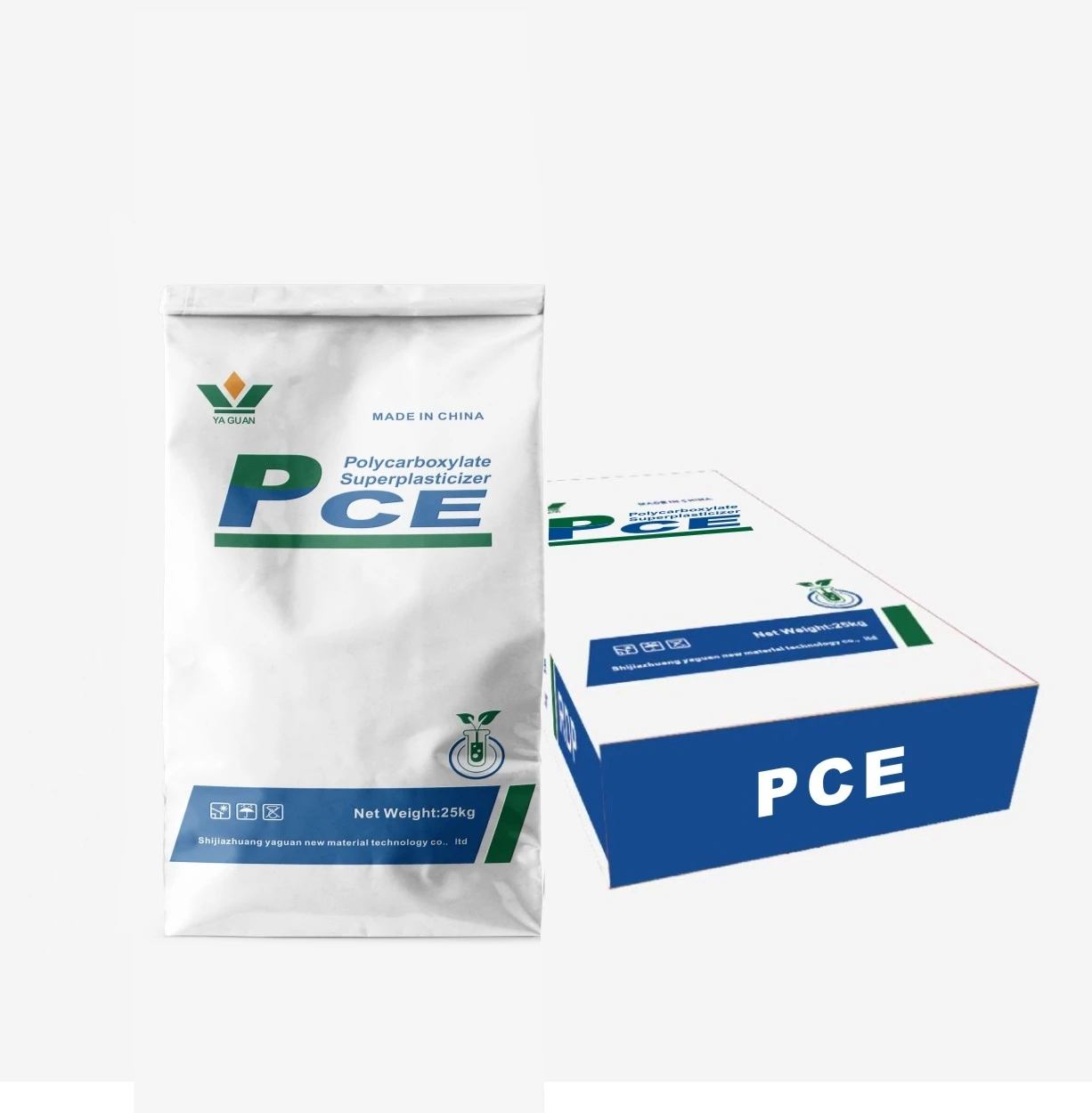
Understanding Water Reducing Admixtures: Small Chemicals, Big Impact
If you've ever wondered how modern concrete structures manage to be both strong and economical, water reducing admixtures (WRAs) play a starring role behind the scenes. These subtle additives help reduce the water content in concrete mixes without sacrificing workability, resulting in better strength, durability, and sustainability. Globally, as construction booms while environmental concerns rise, understanding water reducing admixtures examples is more than just a technical curiosity — it's a vital piece of the puzzle for building resilient infrastructure in a smarter way.
---
Why Water Reducing Admixtures Are Relevant Worldwide
Concrete is the most widely used manmade material on Earth. According to the Global Cement Report, annual cement production topped 4 billion tonnes recently — a scale that inevitably means vast water use, CO2 emissions, and energy consumption. The United Nations and ISO have long called for innovations to reduce the environmental footprint of construction materials. That’s where water reducing admixtures come in. By lowering water needs by up to 15% or more, these admixtures reduce cement paste volume, which translates into less energy burned during production and less cracking in structures after pouring.
But there's a catch: It's one thing to know these admixtures exist, another to apply them correctly across different environments. Whether it's a tropical mega-city or a post-disaster zone where water is scarce and the timeline tight, these admixtures offer a clever way of optimizing resources while ensuring concrete performance won’t be compromised. In real terms, that’s significant for nations grappling with infrastructure deficits, climate challenges, or both.
---
What Exactly Are Water Reducing Admixtures?
Simply put: water reducing admixtures are chemical additives mixed into concrete to lower the amount of water required while making the mix easier to work with. Think of it as a recipe tweak — instead of using lots of water to keep concrete fluid, you add a helper that keeps the consistency without diluting strength.
They're often based on synthetic organic compounds like lignosulfonates, polycarboxylates, or naphthalene sulfonates. Their job is to disperse cement particles evenly, preventing them from clumping, so less water suffices to hydrate the cement. This has huge benefits for industries ranging from commercial construction to humanitarian aid, where water might be limited or precision engineering is crucial.
---
Core Components of Effective Water Reducing Admixtures
- Durability: The admixture ensures the concrete maintains integrity over time by reducing porosity and cracking.
- Cost Efficiency: Less water and cement usage cuts material costs, a critical factor for large projects and budget-conscious operators alike.
- Workability: Even with reduced water, the mix remains workable enough for easy pouring and shaping.
- Compatibility: Good admixtures work well with various cements and aggregates without unintended side effects.
- Environmental Impact: Reducing water and cement lessens CO2 emissions, aligning with green building codes and sustainability goals.
- Scalability: Whether a small repair project or a massive infrastructure site, admixtures can be tailored to fit application size and needs.
It’s like finding the sweet spot in concrete performance — not too stiff, not too loose, but optimized for the task and environment.
---
Real-World Applications: Where Water Reducing Admixtures Shine
In many ways, these additives have quietly enabled landmark projects and essential infrastructure worldwide. For example:
- In coastal cities of Southeast Asia prone to humidity, WRAs help concrete resist water ingress and salt damage.
- Post-disaster relief efforts, like after the 2010 Haiti earthquake, used admixtures to quickly produce durable shelters when water was scarce.
- Remote mining sites in Australia leverage these additives to conserve water while dealing with abrasive aggregates.
- Urban mega-projects from New York to Dubai rely on high-performance concrete mixes enriched with these admixtures for skyscraper longevity.
The diversity in application speaks to their versatility and importance in regions ranging from developed to developing.
---
Mini Takeaway:
Water reducing admixtures are not just niche chemicals; they’re essential tools helping optimize concrete across climates, budgets, and use cases.
---
Advantages & Long-Term Benefits: More Than Meets the Eye
One might wonder, is it really worth tweaking concrete recipes with these admixtures? Engineers and sustainability experts say yes, emphatically so. Here’s why:
- Cost savings come not just from using less cement and water but also from fewer repairs due to increased concrete durability.
- Environmental gains include less water consumption (critical as water scarcity worsens) and lower CO2 emissions since cement production is energy-intensive.
- Social impact shows in safer buildings, especially in flood zones or seismic areas where concrete integrity is vital.
- Reliability and trust: Projects using these admixtures typically have longer lifespans, reducing total life-cycle costs.
In short, they advance construction quality while honoring environmental and social responsibilities — a combination increasingly demanded by regulators and communities alike.
---
Future Trends & Innovations in Water Reducing Admixtures
Looking ahead, this field is anything but static. Innovations emerging include:
- Green chemistry formulations that use bio-based polymers for even more sustainable outcomes.
- Smart admixtures embedded with sensors to monitor concrete curing in real-time, promising better quality control.
- Nano-engineered additives aimed at enhancing performance at the microscopic level.
- Integration with digital batching systems automating admixture dosing for precision.
These trends echo a wider shift towards sustainable and digitally savvy construction practices that meet 21st-century demands.
---
Challenges & How the Industry Tackles Them
It’s not all sunshine, though. Some common issues include:
- Variability in raw materials, which can affect admixture performance unexpectedly.
- Incorrect dosage or mixing by inexperienced crews leading to disappointing results.
- Cost barriers in some regions limiting access to the latest admixture technologies.
But innovative approaches, like robust training programs and adaptable formulations, are increasingly helping users overcome these hurdles. Industry leaders also stress the value of testing admixed concrete under local conditions before large-scale application — because no one size fits all.
---
FAQ: Common Questions About Water Reducing Admixtures
- What exactly is the difference between water reducing and superplasticizing admixtures?
- Water reducing admixtures reduce water content by around 5-15%, improving strength. Superplasticizers are stronger, cutting water up to 30% or more, mainly for very high performance mixes.
- Can water reducing admixtures be used with all types of cement?
- Generally yes, but compatibility tests are recommended. Some admixtures work better with Portland cement, while others have formulations suited for blended or specialty cements.
- How do admixtures impact curing time?
- Some admixtures can accelerate or retard setting depending on formulation, so it’s important to select one tailored to project timelines.
- Are these admixtures expensive? Is the investment justified?
- Though initially costlier than plain mixes, savings from less material use, improved durability, and reduced maintenance typically outweigh the upfront costs.
- Where can I find reliable examples of water reducing admixtures?
- You can explore water reducing admixtures examples to see product specifications, case studies, and vendor information that suit varying needs.
---
Product Specification Table
| Property |
Typical Range |
Notes |
| Water Reduction % |
5 - 15% |
Depends on admixture chemistry |
| Dosage Rate |
0.2 - 1.0% by weight of cement |
Varies by manufacturer |
| pH |
7 - 9 |
Neutral to mildly alkaline |
| Shelf Life |
6 - 12 months |
Keep sealed, avoid freezing |
| Compatibility |
Most cement types |
Test recommended before use |
Top Vendors & How They Compare
| Vendor |
Product Line |
Water Reduction |
Price Range |
Lead Time |
| Yaguan HPMC |
SuperWR-15 |
Up to 15% |
$$ |
1-2 weeks |
| ChemCo Solutions |
EchoReduct |
10-12% |
$$$ |
2-3 weeks |
| Global Cements Inc. |
HydraMix-Plus |
5-10% |
$ |
1 week |
---
Wrapping Up: Why Water Reducing Admixtures Matter More Than Ever
In a world sprinting toward smarter, greener construction, water reducing admixtures stand out as one of those smart innovations that often fly under the radar but deliver real value. They cut costs, boost concrete performance, conserve precious resources, and help meet environmental standards—a rare trifecta. Whether you’re building skyscrapers, emergency shelters, or something in between, getting familiar with water reducing admixtures examples equips you to make smarter material choices.
Take a moment and browse some detailed examples at
water reducing admixtures examples—you might just find the perfect solution for your next project.
---
Final Thought:
The humble admixture might seem like a minor detail, but I’ve seen it turn impossible pours into success stories. Sometimes, the small chemicals make all the difference.
---
References
- Global Cement Production Report 2023
- Wikipedia: Concrete
- ISO 14001: Environmental Management