Understanding What Are Water Reducing Admixtures and Why They Matter
If you've ever wondered how modern concrete gets that perfect balance of strength and workability, the answer often lies in what are water reducing admixtures. In the construction world, these admixtures are something of a quiet revolution. They allow engineers and builders worldwide to use less water in concrete mixes without sacrificing quality. Why does that matter? Well, just as the World Bank and ISO reports emphasize sustainable resource management, reducing water consumption in construction addresses both environmental and practical challenges—especially as urban areas expand rapidly and water scarcity becomes a more pressing issue globally.
Understanding what water reducing admixtures really are gives you insight into how the construction industry is adapting to modern needs: durability, cost-efficiency, and, frankly, less environmental strain. It’s a complex but fascinating bit of chemistry playing a vital role behind every sturdy building and resilient infrastructure project you've probably passed by and never realized.
The Global Context: Why Water Reducing Admixtures Are Essential
Globally, concrete is the most consumed material after water. That's a staggering fact from the United Nations Environment Program. As cities grow and infrastructures age, the pressure on natural resources, especially fresh water, intensifies. According to recent UN data, about 40% of the global population is affected by water scarcity, a figure expected to rise as climate change worsens droughts in various regions.
Concrete production is one of the largest industrial consumers of water during mixing and curing. Without innovation, this means escalating environmental footprints and cost overruns. Water reducing admixtures help to ease this tension by cutting down on water use without compromising the mixture’s workability or strength.
Picture this: regions suffering from drought still need resilient infrastructure. Humanitarian organizations working in post-disaster zones often face limited water access for concrete works. Manufacturers and builders worldwide are taking this challenge head-on, and the smart use of admixtures is front and center in that effort.
Defining Water Reducing Admixtures in Simple Terms
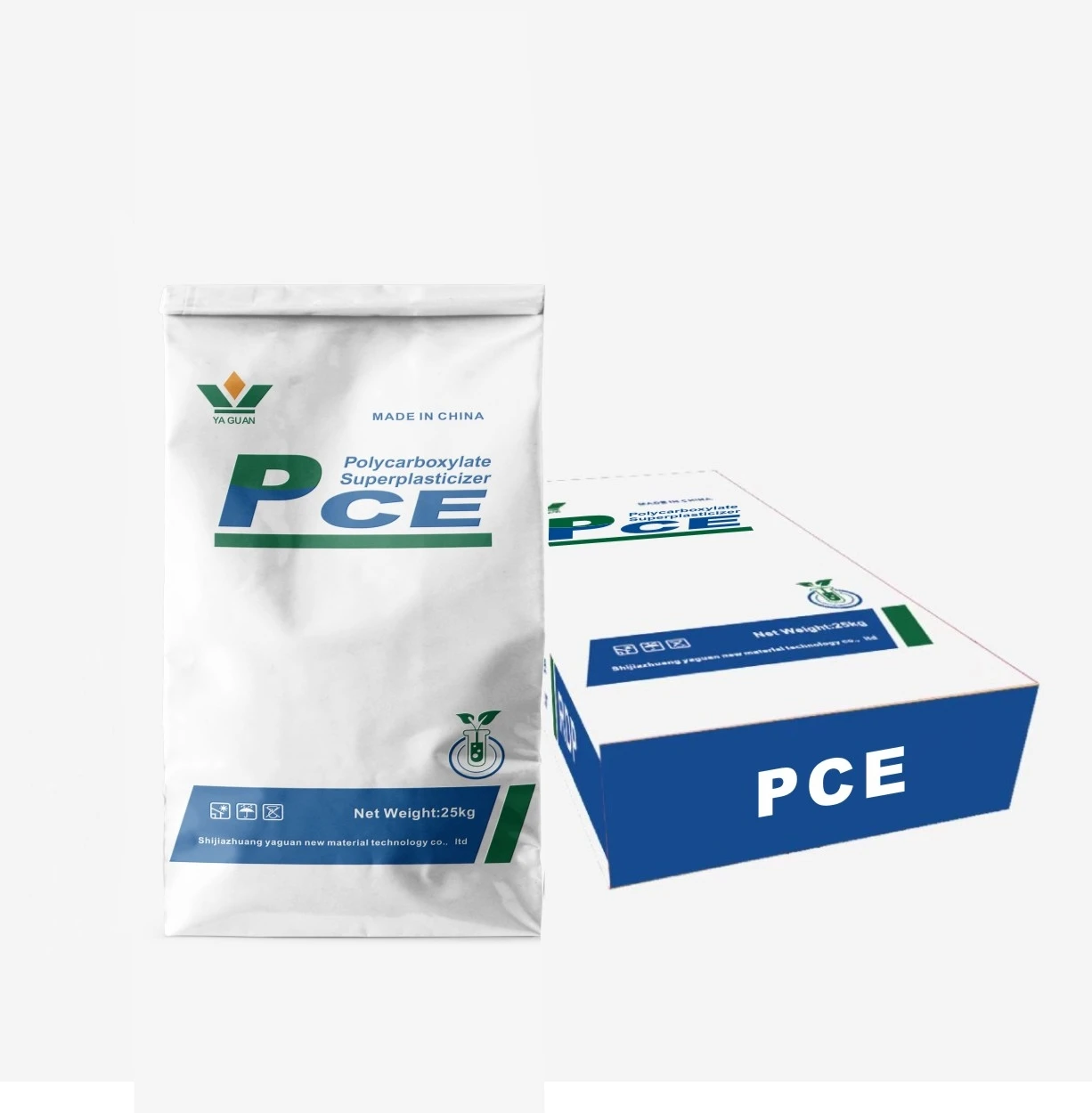
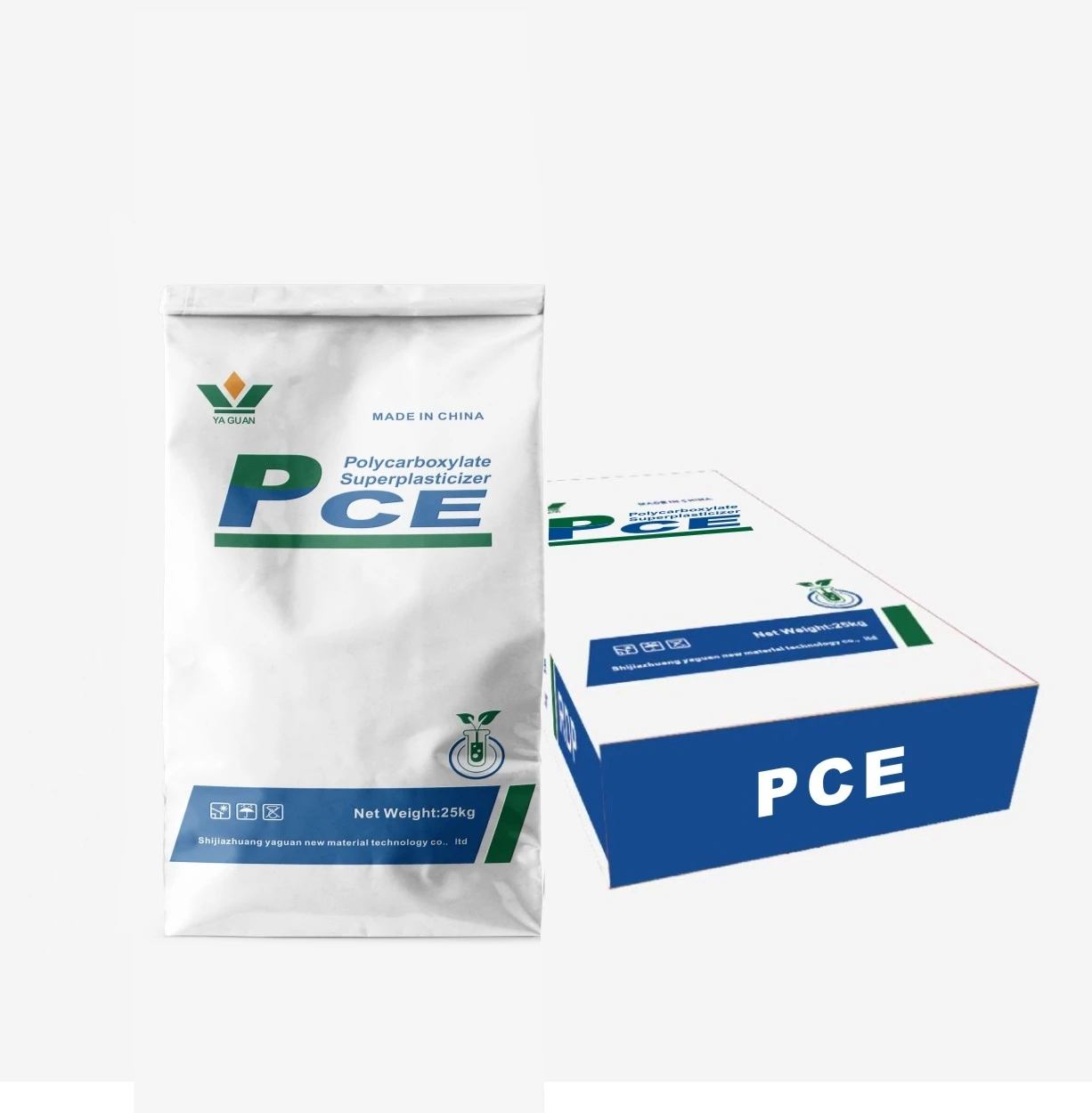
So, what exactly are these magic helpers in concrete? Water reducing admixtures are chemical additives mixed into concrete that reduce the volume of water needed while maintaining or improving workability of the mix. Think of them as lubricants for cement particles, helping them bind more effectively.
To put it plainly: less water doesn’t mean dry and crumbly; it means more efficient and higher-performance concrete. This efficiency leads to stronger structures, less cracking, and longer-lasting buildings. In modern industry, especially in construction and civil engineering, these admixtures are part of the baseline for quality and sustainability. NGOs also depend on them for quick, durable shelter construction in disaster relief.
Key Facets of Water Reducing Admixtures
1. Durability Enhancement
By optimizing the water-to-cement ratio, these admixtures reduce porosity, minimizing water penetration and reinforcing overall concrete durability. Building longevity goes up, making them essential in infrastructure built to last decades.
2. Cost Efficiency
With less water, you get stronger concrete with smaller cement quantities in some cases. That means cost savings on raw materials and less waste. Many contractors say they can finish projects quicker without sacrificing standards — a win-win.
3. Workability and Ease of Use
Oddly enough, removing water usually means stiff concrete that's hard to handle. These admixtures counteract that by improving flow without actually adding water, so pouring and molding become easier — especially for complex forms.
4. Environmental Sustainability
Less water use and longer-lasting concrete mean less environmental impact overall. Many manufacturers now position these admixtures as green technologies helping meet ISO sustainability directives in construction.
5. Compatibility and Adaptability
Many admixtures are tailored to work well with different cement types and additives. This versatility is crucial for engineers needing specific solutions, whether for high-rise buildings in Asia or bridges in arid Africa.
Takeaway:
Water reducing admixtures aren’t just chemical additives — they embody a blend of science and practical innovation that delivers stronger, safer, and more sustainable concrete.
Global Applications & Real-World Use Cases
Worldwide, these admixtures are standard—from North American commercial complexes to African infrastructure projects and Asia’s vast urban expansions. For instance, in post-disaster relief, NGOs utilize water reducing admixtures to rapidly set shelters using minimal water, a critical asset when water supply chains are disrupted.
In remote industrial zones, such as mining sites in Australia, using water-reducing admixtures means infrastructure can be reliably built with limited water — a practical solution for harsh environments.
Educational institutions in Europe also increasingly employ admixtures as part of sustainability-focused curriculum projects, emphasizing real-world applications for the next generation of engineers.
| Feature | Specification | Unit |
|---|---|---|
| Water Reduction Efficiency | 5–12% | Percentage |
| Dosage Range | 0.2–1.0 | Liters per 100 kg of cement |
| pH Level | 6–8 | pH Units |
| Set Time Impact | +/- 30 mins | Minutes |
| Storage Stability | 6 months at 20°C |
Advantages and Long-Term Value of Using Water Reducing Admixtures
- Lower material costs: Less cement and water usage means budget-friendly projects.
- Improved structural integrity: Better strength over time ensures safer buildings.
- Sustainability boost: Reducing water consumption aligns with UN’s sustainable development goals.
- Enhanced work conditions: Easier mixing, pouring, and finishing translates to happier crews.
- Social benefits: Infrastructure resilience impacts community safety and long-term economic stability.
The emotional weight of these advantages is not lost on engineers and project leads—knowing your work stands strong for decades, all while respecting water scarcity, transforms the way these admixtures are appreciated on site.
Looking Ahead: Trends in Water Reducing Admixtures
The future of these admixtures is quite exciting, especially with the rise of green building certifications and digital tools. R&D labs are developing bio-based admixtures from natural materials, reducing chemical reliance. Meanwhile, smart sensors are being integrated on-site to optimize admixture dosage in real-time, preventing waste. Automation in batching plants combined with AI could further enhance precision and environmental performance.
Manufacturers are increasingly prioritizing carbon footprint reduction and incorporating recycled materials. The marriage of sustainability and high-tech innovation promises a future where concrete is not only tough but also eco-smart.
Challenges and Solutions in Current Practices
Despite the benefits, challenges remain. Compatibility issues with certain cement brands and additives can sometimes cause unexpected setting delays or reduced strength. Proper testing, certification, and mix design adjustments are critical to overcome this.
Water availability still varies wildly regionally, so even with admixtures, construction in arid zones can be tricky. Here, combining admixtures with alternative water sources (recycled water, captured rainwater) is gaining traction.
Finally, smaller contractors may lack knowledge or access, so training and awareness campaigns by manufacturers and NGOs help bridge gaps.
| Vendor | Water Reduction % | Eco-Certification | Cost Range (USD/L) | Typical Regions |
|---|---|---|---|---|
| HydroChem Solutions | 7-12% | ISO 14001 | 2.5 - 5.0 | North America, Europe |
| EcoMix Additives | 5-9% | Cradle to Cradle Certified | 3.0 - 6.0 | Asia, Africa |
| GreenBlend Polymers | 6-10% | LEED Approved | 2.0 - 4.5 | South America, Europe |
FAQ: What Are Water Reducing Admixtures?
- Q: How do water reducing admixtures improve concrete strength?
- A: By lowering the water-to-cement ratio without compromising flow, admixtures reduce porosity. This increases the density and compressive strength of the concrete, resulting in more durable structures.
- Q: Are all water reducing admixtures environmentally friendly?
- A: Not all, but many modern admixtures come with eco-certifications such as ISO 14001 or LEED approval. It’s essential to check the specific product specifications and certifications for environmental claims.
- Q: Can water reducing admixtures be used in any climate?
- A: Generally, yes. However, some admixture formulations are optimized for cold or hot climates to prevent setting time issues. It’s best to consult technical sheets or vendor guidance for extreme environments.
- Q: How do I know the right dosage to use on my project?
- A: Dosage depends on the cement type, mix design, and required water reduction. Trial batches and consulting manufacturer instructions are key to finding the optimal amount without compromising workability or setting time.
- Q: Can water reducing admixtures be combined with other additives?
- A: Yes, but compatibility testing is recommended. Different admixtures may interact positively or negatively, so professional mix design evaluation ensures the best result.
Wrapping It Up
So, in real terms, understanding what are water reducing admixtures isn’t just an academic exercise. It’s a gateway to smarter, more sustainable construction. Whether you’re managing urban developments or building emergency shelters, these mixtures offer a subtle but impactful edge — saving water, saving money, and strengthening our future.
Curious to learn more? Dive deeper on this topic by visiting our website: https://www.yaguanhpmc.com.